How Often Should You Sealcoat a Parking Lot?

Sealcoating is one of the most important maintenance steps for any asphalt parking lot — but most property managers aren’t sure how often it should actually be done.

The short answer:

  • Every 2–3 years for high-traffic commercial properties

  • Every 3–5 years for low-traffic areas

  • After any major resurfacing or patching project

  • Never sooner than 6–12 months after new asphalt installation

Below is the full breakdown so you can plan your pavement maintenance properly and avoid unnecessary damage or premature deterioration.


Why Sealcoating Matters

Asphalt is flexible, but it’s extremely vulnerable to:

  • UV rays

  • Water intrusion

  • Oil, gas, and chemical spills

  • Oxidation

  • Heavy vehicle stress

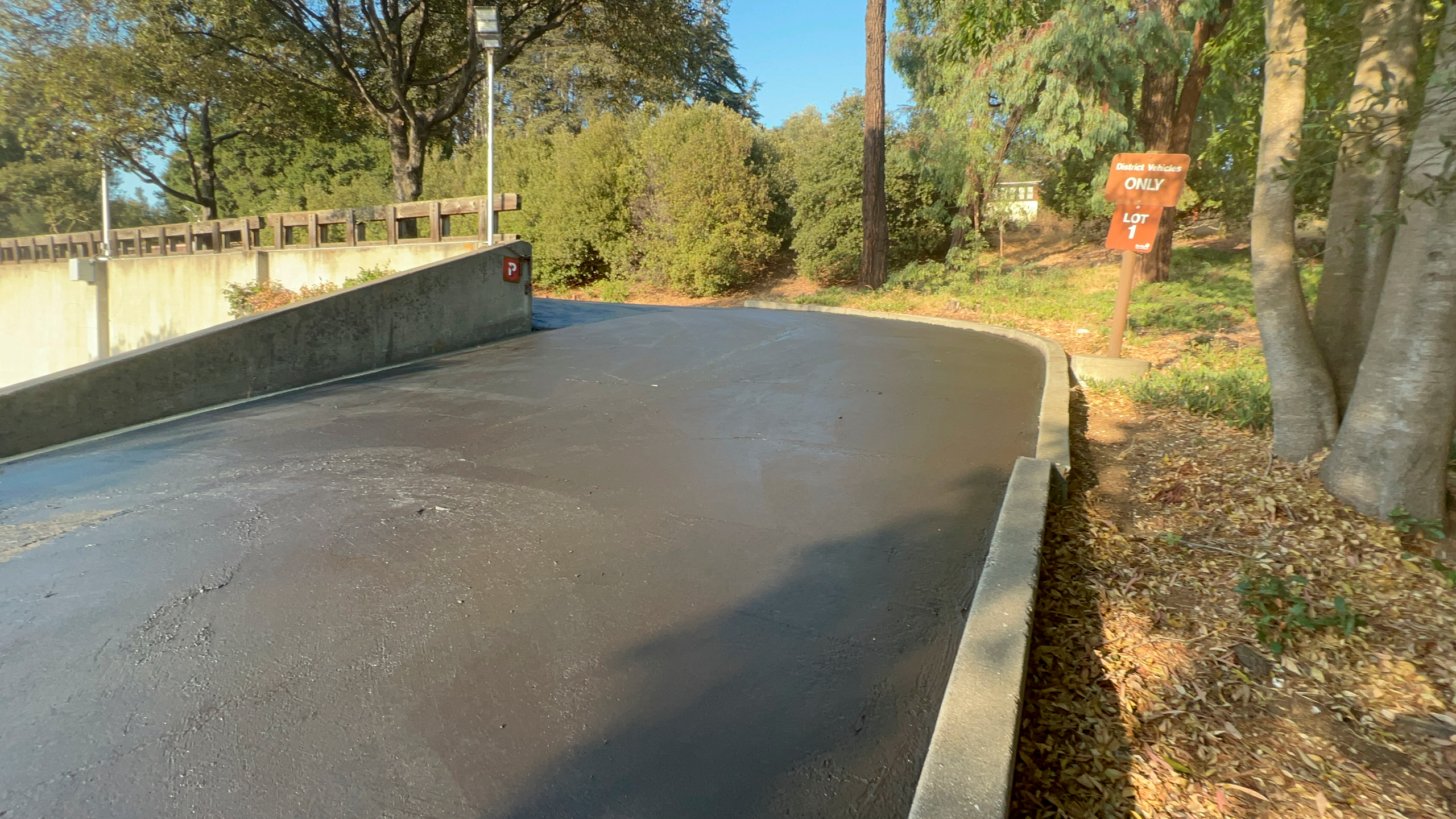
Sealcoat acts as a protective barrier, slowing down aging and preventing surface damage that later turns into potholes, alligator cracking, and costly overlays.

Without sealcoat, asphalt oxidizes and becomes brittle — which shortens its life dramatically.


Recommended Sealcoating Frequency

1. High-Traffic Commercial Properties

Examples: shopping centers, fast food, retail plazas, hospitals, schools.
Recommended: Every 2–3 years

These properties suffer from constant vehicle movement, turning, braking, and heavy delivery trucks — all of which wear down the asphalt faster.


2. Medium-Traffic Properties

Examples: office parks, industrial buildings, hotels.
Recommended: Every 3 years

Most PMs don’t realize how quickly oxidation happens.
Even medium use breaks down unsealed asphalt quickly.


3. Low-Traffic Properties

Examples: churches, storage facilities, private lots.
Recommended: Every 3–5 years

Still important — just not as frequently.


4. New Asphalt

WAIT at least 6–12 months before sealcoating.
Fresh asphalt needs time to cure and release oils (petroleum-based binders).

Applying sealcoat too early can trap oils and ruin the surface.


Signs Your Parking Lot Needs Sealcoating

Even if you don’t remember the last service date, watch for:

  • Faded asphalt color (light gray instead of black)

  • Surface drying or brittleness

  • Visible hairline cracks

  • Small potholes forming

  • Water pooling or slow drainage

  • Striping starting to disappear

If more than 30% of your lot shows these signs, sealcoating is likely overdue.


What Happens If You Don’t Sealcoat?

Skipping sealcoating leads to:

  • Faster oxidation

  • Cracking and alligator patterns

  • Water infiltration

  • Potholes

  • Base layer damage

  • Higher long-term repair costs

  • Premature resurfacing or full replacement

One of the biggest hidden costs in commercial real estate is deferred pavement maintenance.


How Long Does Sealcoat Take to Dry?

  • Dry to the touch: 3–6 hours

  • Light traffic: 12–24 hours

  • Full cure: 24–48 hours (depending on weather)

In California summers, sealcoat dries faster — in cooler months, slower.


Best Time of Year to Sealcoat

Sealcoat performs best when temperatures are:

  • Above 60°F,

  • Low humidity,

  • Plenty of sun.

In states like California, the ideal time is late spring through early fall.


Sealcoating + Striping = Best Results

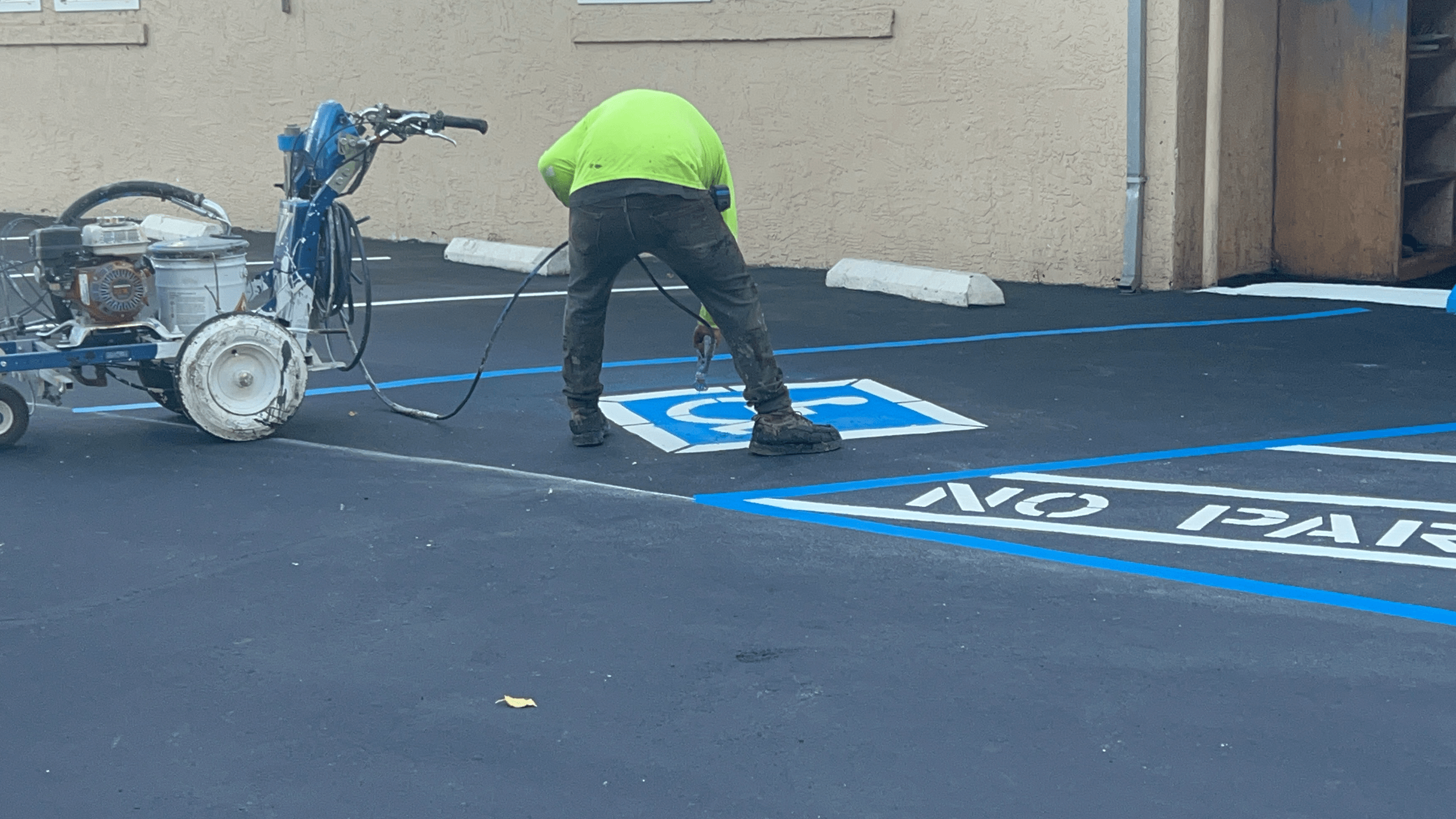
Sealcoat always requires new striping afterward.
This improves:

  • ADA visibility

  • Traffic flow

  • Tenant satisfaction

  • Curb appeal

  • Property value perception

Faded lines are one of the top liability risks for commercial properties.


How Sealcoating Saves You Money

Sealcoating on schedule can:

  • Extend asphalt life by 5–10 years

  • Reduce long-term repair costs by 40–60%

  • Prevent expensive base damage

  • Lower liability from cracks and trip hazards

  • Maintain ADA compliance

It’s one of the highest-ROI maintenance tasks for any property manager.


Final Answer: How Often Should You Sealcoat a Parking Lot?

  • High Traffic: Every 2–3 years

  • Medium Traffic: Every 3 years

  • Low Traffic: Every 3–5 years

  • New Asphalt: Wait 6–12 months

Consistent maintenance is the key to making asphalt last.


Need a Sealcoating Estimate or Schedule?

At We Love Paving, we help property managers plan sealcoat work with minimal disruption to tenants, ADA access, and commercial operations.

If you’d like, I can share a free maintenance plan template for your property.


Share

WHO IS FRED?

Fred, Regional Operations Manager, comes from a family of immigrant roots and a story built on sacrifice, discipline, and hard work. Growing up, Fred watched his parents work long hours and weekends to create a better future teaching him the values of perseverance, determination, and doing things the right way every single time.
We Love Paving began with Fred’s father, who started doing what he knew best: paving. Over the years, he built experience alongside respected professionals in the industry, refining his methods and developing a reputation for quality work that speaks for itself. As his clientele grew, so did the vision one built not only on skill, but on integrity and pride in every job.

Posts that might interest you

What are the Requirements for ADA Parking in California?

What are the Requirements for ADA Parking in California?

July 8, 2024

The Americans with Disabilities Act (ADA) ensures that individuals with disabilities have equal access to public accommodations, including parking facilities. California, known for its progressive stance on accessibility, has specific regulations that complement federal ADA standards to ensure that parking facilities are accessible to all individuals. Understanding these requirements is crucial for property owners, architects,

The Benefits of Asphalt Paving in Sacramento

The Benefits of Asphalt Paving in Sacramento

July 5, 2024

Asphalt is a crucial component of Sacramento’s infrastructure, serving as the foundation for mobility, safety, and urban aesthetics. However, not all asphalt surfaces are created equal. A key factor in the quality of an asphalt surface is its thickness. The required thickness depends on the traffic load and soil conditions. Cost-Effective Asphalt is cheaper to

How Long Should an Asphalt Driveway Last Before Cracking?

How Long Should an Asphalt Driveway Last Before Cracking?

July 5, 2024

When investing in an asphalt driveway, homeowners often wonder about its longevity and durability. Asphalt driveways are popular due to their affordability, aesthetic appeal, and resilience. However, like any material, asphalt is not immune to wear and tear, and over time, cracking can occur. This article explores the lifespan of asphalt driveways before cracking, with

What Temperature Should Asphalt Be Between Lifts? Insights from Sacramento, California

What Temperature Should Asphalt Be Between Lifts? Insights from Sacramento, California

July 5, 2024

Asphalt paving is a precise and methodical process where temperature plays a critical role in ensuring the durability and quality of the pavement. This is particularly true for the placement of multiple lifts or layers of asphalt. In Sacramento, California, with its distinctive climate, understanding the optimal temperature for asphalt between lifts is essential for

How Long Does an Asphalt Overlay Last? A Focus on Sacramento, California

How Long Does an Asphalt Overlay Last? A Focus on Sacramento, California

July 4, 2024

Asphalt overlays are a crucial component of road maintenance and construction, offering a cost-effective solution for renewing and extending the life of existing pavements. In Sacramento, California, where urban expansion and infrastructural development are ongoing, understanding the longevity of asphalt overlays is vital for city planners, construction companies, and residents. This article delves into the

How Much Asphalt Can Be Laid in a Day?

How Much Asphalt Can Be Laid in a Day?

July 3, 2024

Asphalt paving is a critical component of many construction projects, from residential driveways to major highways. One of the most important considerations for project managers and homeowners alike is understanding how much asphalt can be laid in a day. This not only impacts the timeline of a project but also its overall cost and logistical

How Steep Can an Asphalt Driveway Be?

How Steep Can an Asphalt Driveway Be?

July 3, 2024

Asphalt driveways are a popular choice for homeowners due to their durability, cost-effectiveness, and ease of installation. However, one critical factor to consider when planning an asphalt driveway is its slope. The steepness of a driveway can significantly impact its functionality, safety, and longevity. In this article, we will explore how steep an asphalt driveway

What is the Life Expectancy of Asphalt Paving in Sacramento, California?

What is the Life Expectancy of Asphalt Paving in Sacramento, California?

July 2, 2024

Asphalt paving is a critical component of urban infrastructure, serving as the backbone of city streets, highways, and parking lots. Its durability, cost-effectiveness, and ease of maintenance make it a popular choice for municipalities worldwide. In Sacramento, California, where urban development and traffic demand are continually increasing, understanding the life expectancy of asphalt paving is

What is the Minimum Thickness of Asphalt Pavement?

What is the Minimum Thickness of Asphalt Pavement?

July 2, 2024

The minimum thickness for asphalt pavement depends on the project: residential driveways require at least 2 inches, while commercial parking lots often start at 4 inches for durability. Factors Influencing Asphalt Pavement Thickness Traffic Load: The volume and weight of traffic that the pavement will support is a primary consideration. Heavier loads, such as those

What is the Tolerance for Asphalt Thickness?

What is the Tolerance for Asphalt Thickness?

July 1, 2024

Asphalt pavement quality is crucial for the longevity and durability of roads, driveways, and parking lots. One key aspect that affects the performance of asphalt surfaces is the thickness tolerance. This detailed guide will explore the importance of asphalt thickness tolerance, the factors that influence it, measurement techniques, and best practices for maintaining accurate thickness

Previous Next