A Road in California Is Expensive?

Environmental and Regulatory Factors

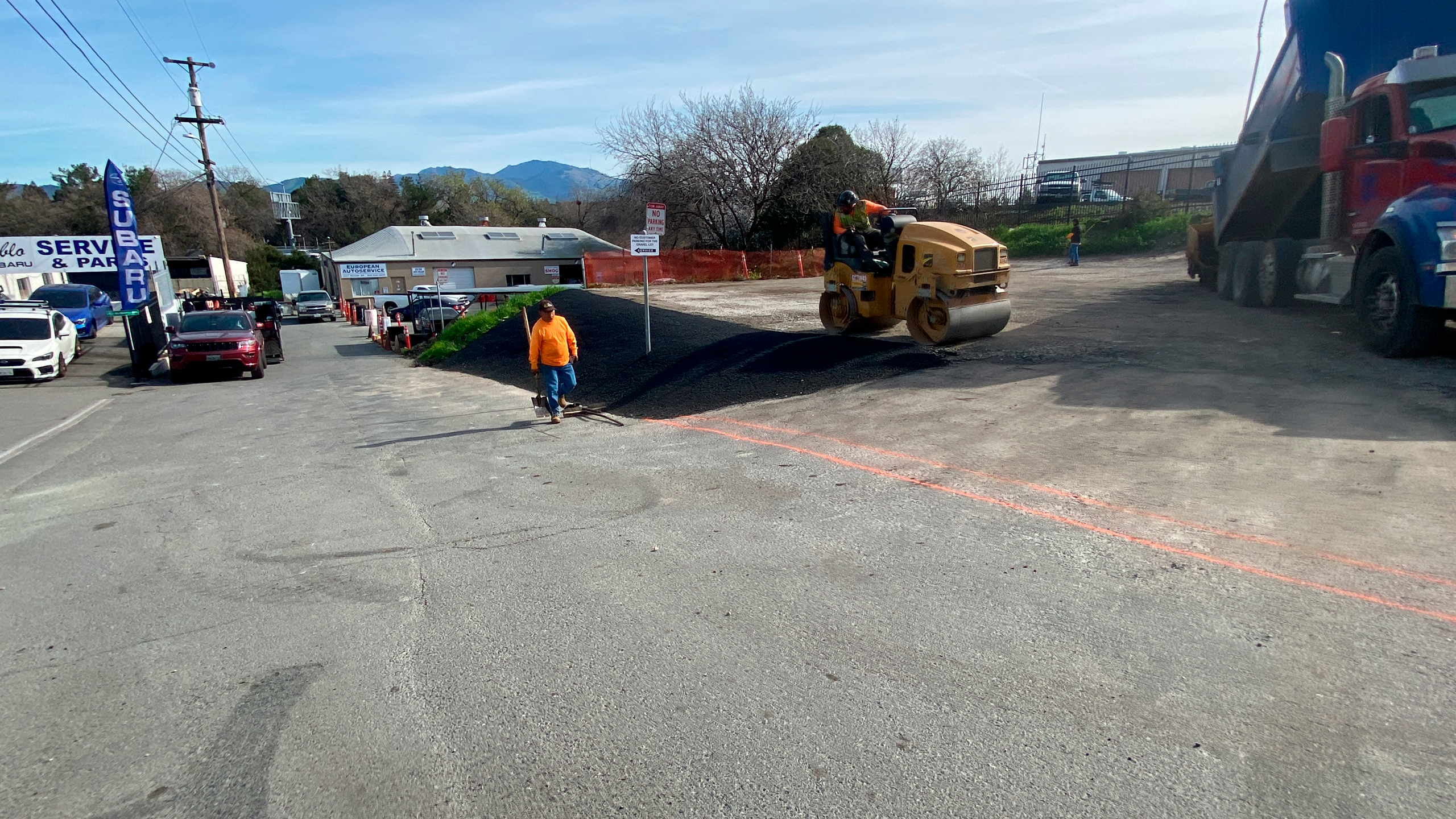
Building a road in California is heavily influenced by the state’s strict environmental regulations. Projects often require environmental impact assessments to ensure compliance with laws designed to protect natural habitats and minimize pollution. These studies add to the cost but are essential for securing permits and avoiding legal issues including using all the laws and rules for drivers


Factors That Impact THE CONSTRUCTION OF A Road IN CALIFORNIA

  1. Type of Road

    • Residential Roads: Typically smaller and designed for light traffic.
    • Highways: Require complex engineering, higher-quality materials, and significant labor due to heavy traffic and larger dimensions.
    • Private Roads: Generally simpler, but costs depend on size and location.
  2. Materials Used
    • Asphalt: Popular for its cost-effectiveness and durability.
    • Concrete: More expensive but offers greater longevity and resistance to wear.
    • Gravel: Common for rural or private roads; the cheapest option but requires frequent maintenance.
  3. Location and Terrain
    • Roads built on flat land cost less than those requiring grading, excavation, or blasting through rocky terrain.
    • Urban areas may have higher costs due to stricter regulations and utility relocation.
  4. Labor and Permits
    • Labor costs vary by region and complexity of the project.
    • Permits and environmental assessments can add to the total expense.
  5. Drainage and Features
    • Proper drainage systems, road markings, guardrails, and signage all contribute to the final cost


Average Costs of Road IN CALIFORNIA 

  • Asphalt Roads: $3–$15 per square foot, depending on the quality and depth of the materials used.
  • Concrete Roads: $4–$20 per square foot; initial costs are higher, but maintenance expenses are lower.
  • Gravel Roads: $1–$5 per square foot; suitable for low-traffic areas.

For a mile of road, the costs range widely:

  • Gravel Road: $100,000–$300,000 per mile.
  • Asphalt Road: $500,000–$1,000,000 per mile.
  • Highway Construction: $5,000,000+ per mile, depending on features like interchanges and multiple lanes.

Planning Your Road Construction Project

  1. Assess the Purpose: Determine if the road will handle heavy traffic, light vehicles, or only occasional use.
  2. Get Professional Guidance: Engineers and paving experts can provide precise estimates and plans tailored to your needs.
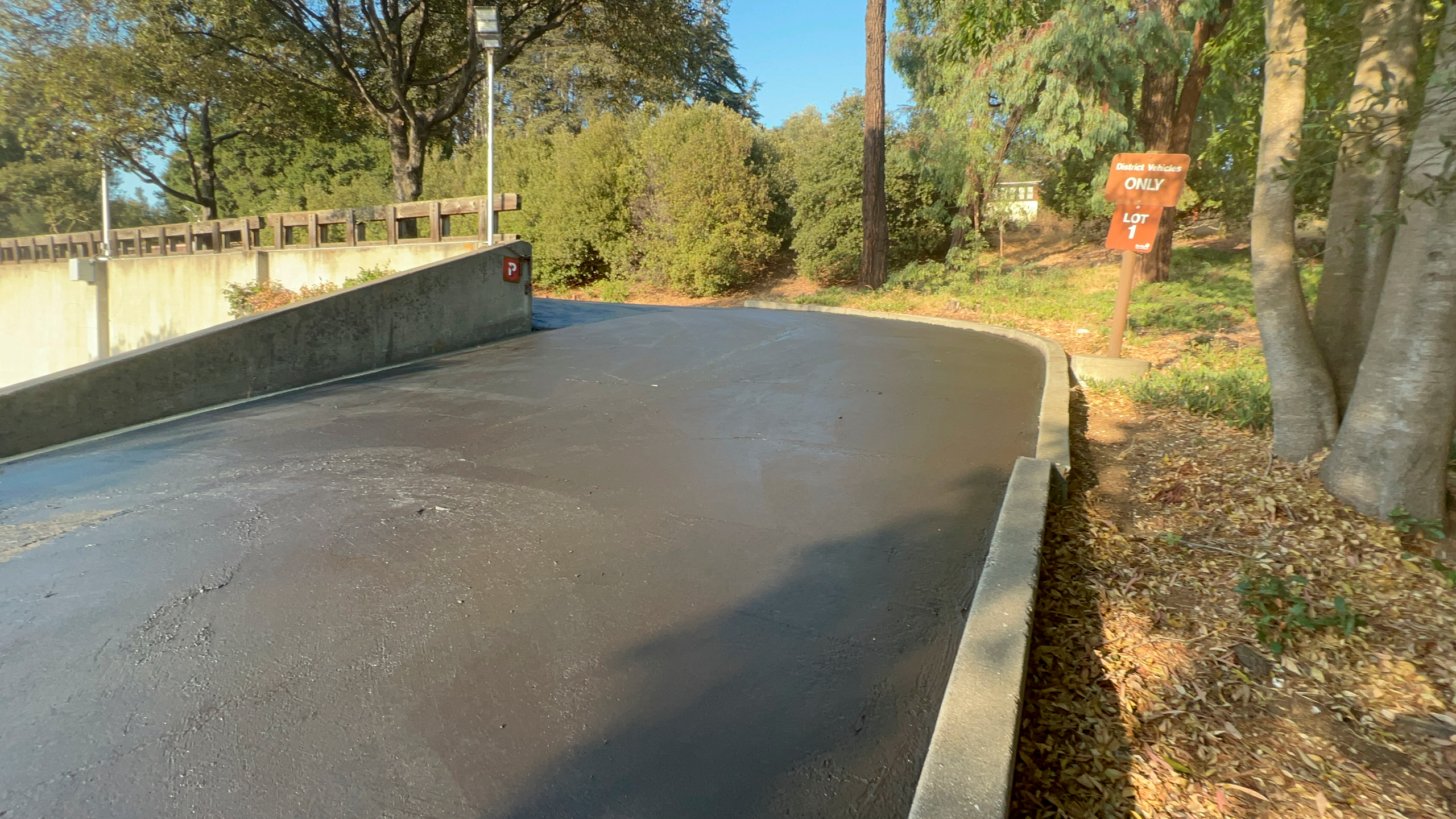
  3. Budget for Maintenance: Roads require ongoing care; plan for seal coating, crack repairs, and periodic resurfacing.


    Labor Expenses in California

    California’s labor costs for road construction are among the highest in the nation, reflecting its competitive job market and prevailing wage laws. Despite the higher expense, skilled workers ensure that each road in California meets the state’s rigorous safety and durability standards, making the investment worthwhile.


    Urban vs. Rural Road Costs

    The cost of building a road in California varies based on location. Urban areas like Los Angeles require significant investment in traffic management, utilities relocation, and land acquisition, while rural roads may face challenges with rugged terrain and long-distance resource transportation.


    Technological Innovations

    California is at the forefront of adopting innovative road construction techniques. Warm-mix asphalt, 3D grading technology, and the use of recycled materials are examples of how building a road in California is becoming more sustainable. These methods may initially increase costs but contribute to long-term savings by extending the life of the road.


    Budgeting for Your Project

    To budget effectively for building a road in California, consider all the components: materials, labor, environmental assessments, and any specialized technology or compliance costs. By planning ahead, you can avoid unexpected expenses and ensure a smooth project.


    As you see the construction of road in california has multiple requirements, in we lo paving we are certified contractors  and we can help you on the construction of your road in california.

    We Love Paving provides expert services for all your road construction needs in California, including large roads, or any tipe of concrete construction or pavement repairs, we can help you in all your needs in the norhtern california. Contact us for a consultation to ensure your road project is cost-effective, high-quality, and compliant with all local regulations!

Share

WHO IS FRED?

Fred, Regional Operations Manager, comes from a family of immigrant roots and a story built on sacrifice, discipline, and hard work. Growing up, Fred watched his parents work long hours and weekends to create a better future teaching him the values of perseverance, determination, and doing things the right way every single time.
We Love Paving began with Fred’s father, who started doing what he knew best: paving. Over the years, he built experience alongside respected professionals in the industry, refining his methods and developing a reputation for quality work that speaks for itself. As his clientele grew, so did the vision one built not only on skill, but on integrity and pride in every job.

Posts that might interest you

How Long Should an Asphalt Driveway Last Before Cracking?

How Long Should an Asphalt Driveway Last Before Cracking?

July 5, 2024

When investing in an asphalt driveway, homeowners often wonder about its longevity and durability. Asphalt driveways are popular due to their affordability, aesthetic appeal, and resilience. However, like any material, asphalt is not immune to wear and tear, and over time, cracking can occur. This article explores the lifespan of asphalt driveways before cracking, with

What Temperature Should Asphalt Be Between Lifts? Insights from Sacramento, California

What Temperature Should Asphalt Be Between Lifts? Insights from Sacramento, California

July 5, 2024

Asphalt paving is a precise and methodical process where temperature plays a critical role in ensuring the durability and quality of the pavement. This is particularly true for the placement of multiple lifts or layers of asphalt. In Sacramento, California, with its distinctive climate, understanding the optimal temperature for asphalt between lifts is essential for

How Long Does an Asphalt Overlay Last? A Focus on Sacramento, California

How Long Does an Asphalt Overlay Last? A Focus on Sacramento, California

July 4, 2024

Asphalt overlays are a crucial component of road maintenance and construction, offering a cost-effective solution for renewing and extending the life of existing pavements. In Sacramento, California, where urban expansion and infrastructural development are ongoing, understanding the longevity of asphalt overlays is vital for city planners, construction companies, and residents. This article delves into the

How Much Asphalt Can Be Laid in a Day?

How Much Asphalt Can Be Laid in a Day?

July 3, 2024

Asphalt paving is a critical component of many construction projects, from residential driveways to major highways. One of the most important considerations for project managers and homeowners alike is understanding how much asphalt can be laid in a day. This not only impacts the timeline of a project but also its overall cost and logistical

How Steep Can an Asphalt Driveway Be?

How Steep Can an Asphalt Driveway Be?

July 3, 2024

Asphalt driveways are a popular choice for homeowners due to their durability, cost-effectiveness, and ease of installation. However, one critical factor to consider when planning an asphalt driveway is its slope. The steepness of a driveway can significantly impact its functionality, safety, and longevity. In this article, we will explore how steep an asphalt driveway

What is the Life Expectancy of Asphalt Paving in Sacramento, California?

What is the Life Expectancy of Asphalt Paving in Sacramento, California?

July 2, 2024

Asphalt paving is a critical component of urban infrastructure, serving as the backbone of city streets, highways, and parking lots. Its durability, cost-effectiveness, and ease of maintenance make it a popular choice for municipalities worldwide. In Sacramento, California, where urban development and traffic demand are continually increasing, understanding the life expectancy of asphalt paving is

What is the Minimum Thickness of Asphalt Pavement?

What is the Minimum Thickness of Asphalt Pavement?

July 2, 2024

The minimum thickness for asphalt pavement depends on the project: residential driveways require at least 2 inches, while commercial parking lots often start at 4 inches for durability. Factors Influencing Asphalt Pavement Thickness Traffic Load: The volume and weight of traffic that the pavement will support is a primary consideration. Heavier loads, such as those

What is the Tolerance for Asphalt Thickness?

What is the Tolerance for Asphalt Thickness?

July 1, 2024

Asphalt pavement quality is crucial for the longevity and durability of roads, driveways, and parking lots. One key aspect that affects the performance of asphalt surfaces is the thickness tolerance. This detailed guide will explore the importance of asphalt thickness tolerance, the factors that influence it, measurement techniques, and best practices for maintaining accurate thickness

What is the Best Quality Asphalt for Driveways?

What is the Best Quality Asphalt for Driveways?

June 28, 2024

Choosing the best quality asphalt for your driveway is essential to ensure durability, aesthetic appeal, and cost-effectiveness. This guide explores the types of asphalt, their benefits, and how to select the best option for your driveway needs. Understanding Asphalt Factors to Consider When Choosing Asphalt Types of Asphalt for Driveways Comparing Asphalt to Other Materials

How Thick Should Asphalt Paving Be?

How Thick Should Asphalt Paving Be?

June 28, 2024

Choosing the right thickness for asphalt paving is crucial for the longevity and durability of the surface, whether it’s a driveway, parking lot, or roadway. The thickness of asphalt paving affects its ability to withstand traffic loads, weather conditions, and overall wear and tear. This article will explore the factors influencing asphalt thickness and provide

Previous Next