Introduction:
When it comes to selecting the better material for your driveway, two options dominate the conversation: concrete and asphalt. Both have their strengths and weaknesses, and the choice often comes down to your budget, aesthetic preferences, and the specific needs of your property. Making the better decision requires a thorough understanding of how each material performs in terms of durability, maintenance, installation, and cost-effectiveness.
Asphalt is a popular choice for its affordability and quick installation process. Often referred to as “blacktop,” it is made from a mixture of aggregates and bitumen, a petroleum-based substance. Asphalt driveways are known for their flexibility and ability to handle extreme temperature fluctuations without cracking. This makes it particularly better in regions with harsh winters or significant seasonal changes. Moreover, repairs are relatively simple and cost-effective compared to other materials, as small cracks or potholes can be filled without replacing the entire driveway.
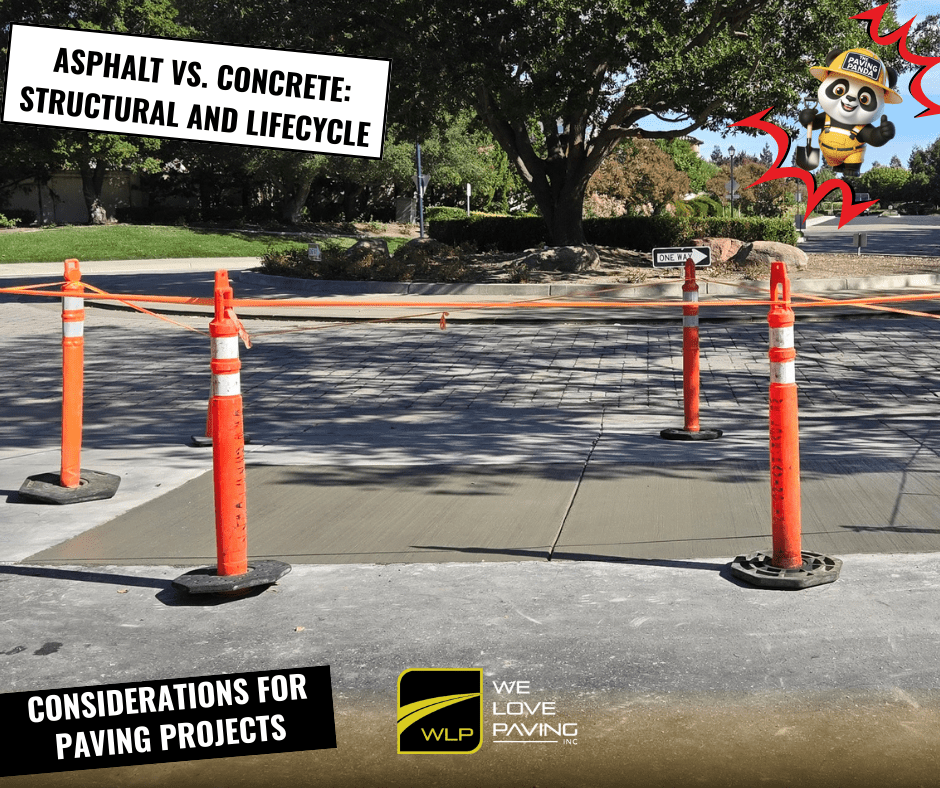
On the other hand, concrete driveways stand out for their durability and sleek appearance. Composed of cement, sand, and gravel, concrete offers a polished, modern look that can increase property value. It is more resistant to heavy loads and typically lasts longer than asphalt—often up to 30 years or more with proper maintenance. Additionally, concrete requires less frequent maintenance, which can be an appealing factor for homeowners seeking a low-maintenance solution.
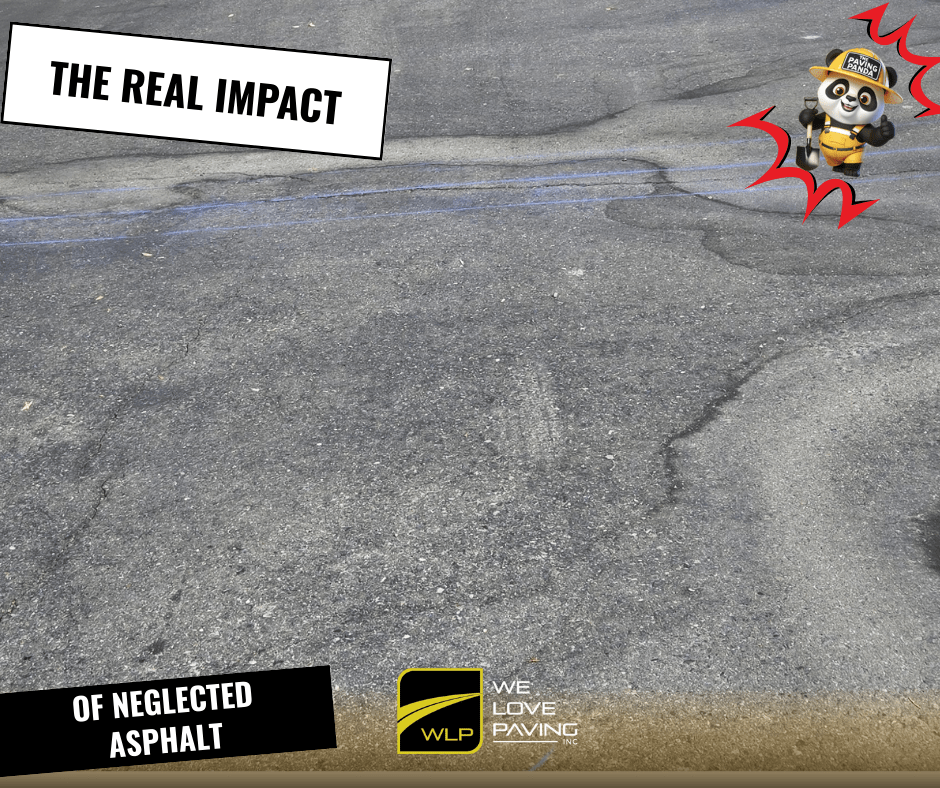
However, each material has its downsides. Asphalt tends to require more maintenance over time, with periodic resealing needed to maintain its integrity and appearance. Concrete, while durable, is prone to cracking in extreme cold and is more expensive upfront. Stains, such as oil spills, are also more challenging to remove from concrete surfaces.
Understanding the nuances of concrete and asphalt allows homeowners to make a better decision. Whether prioritizing cost, longevity, or aesthetics, this guide will help you weigh the pros and cons of each material, ensuring your driveway is better for your home.
1. Better Cost Comparison
Concrete driveways tend to have a higher upfront cost, but they often last longer. Asphalt, on the other hand, is more affordable initially, making it a better choice for budget-conscious homeowners.
- Concrete: Average cost ranges from $4 to $8 per square foot.
- Asphalt: Typically costs between $3 and $5 per square foot.
2. Better Durability and Lifespan
Durability varies significantly between the two materials.
- Concrete: Can last 30–40 years with proper maintenance.
- Asphalt: Generally lasts 20–30 years, but its lifespan can extend with regular seal coating.
3. Maintenance Needs
Maintenance requirements are key when deciding between these two materials.
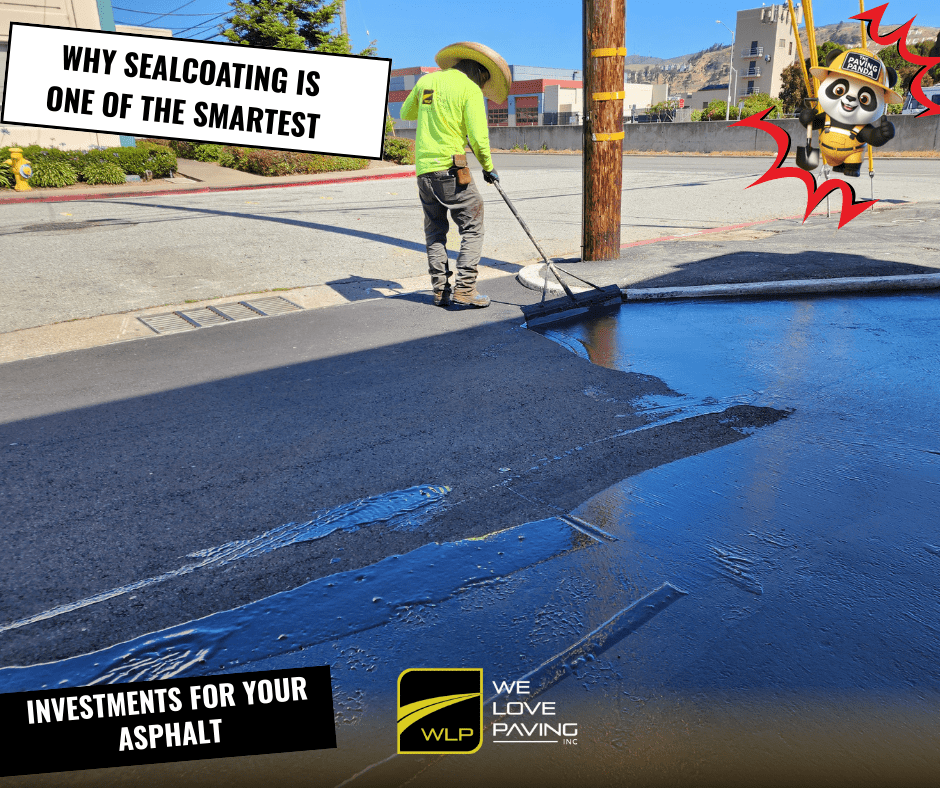
- Asphalt: Requires regular seal coating every 3–5 years to protect against cracks and UV damage.
- Concrete: Requires occasional sealing, but less frequently than asphalt. It’s prone to staining from oil or other substances.
4. Climate Considerations
In different climates there are some things to consider wich is better
- Hot Climates: Asphalt can become soft and sticky in high temperatures.
- Cold Climates: Concrete is susceptible to cracking from freeze-thaw cycles, while asphalt performs better in these conditions.
5. Aesthetic Appeal
Concrete offers greater versatility in terms of finishes and colors, allowing for stamped or stained designs. Asphalt, however, provides a smooth and uniform black surface that many find appealing for a classic driveway look.
6. Environmental Impact
Asphalt is recyclable and can be repurposed, making it an eco-friendly choice. Concrete, while durable, requires energy-intensive production processes, contributing to a larger carbon footprint.
Conclusion:
Choosing between concrete and asphalt depends on your unique needs. For those prioritizing cost-effectiveness and cold-weather performance, asphalt is an excellent choice. If you’re looking for a long-lasting, customizable option and are willing to invest more upfront, concrete might be the better fit.
Need professional guidance on your driveway project? Contact We Love Paving for expert advice and exceptional service tailored to your needs!