ASPHALT VS. CONCRETE: CHOOSING THE BEST PAVING SOLUTION FOR YOUR PROPERTY
When it comes to paving solutions for your property, two primary materials stand out: asphalt and concrete. Both offer distinct advantages and potential drawbacks, depending on factors such as climate, budget, durability, and maintenance. Understanding these differences will help you make an informed decision that best suits your needs.
1. Cost Comparison
- Asphalt: Generally, asphalt is more affordable upfront, making it a popular choice for large projects like parking lots, driveways, and roads.
- Concrete: Costs more initially, but its longer lifespan may make it a better investment over time.
2. Durability & Longevity
- Asphalt: Typically lasts 15-20 years with proper maintenance. It’s more flexible, which makes it resistant to cracking in cold climates. However, it does require sealcoating every few years.
- Concrete: Can last 30-40 years but is more prone to cracking due to freeze-thaw cycles. However, it is more resistant to heavy loads and extreme heat.
3. Maintenance Requirements
- Asphalt: Needs periodic resealing and is more susceptible to oil spills and potholes. However, repairs are generally easier and less expensive.
- Concrete: Requires less frequent maintenance, but when cracks or damage occur, repairs can be costly and more visible.
4. Climate Considerations
- Asphalt: Performs better in cold climates because it can flex with temperature changes, reducing the likelihood of cracking.
- Concrete: Holds up well in hot climates, as it does not soften like asphalt under extreme heat.
5. Aesthetic & Customization
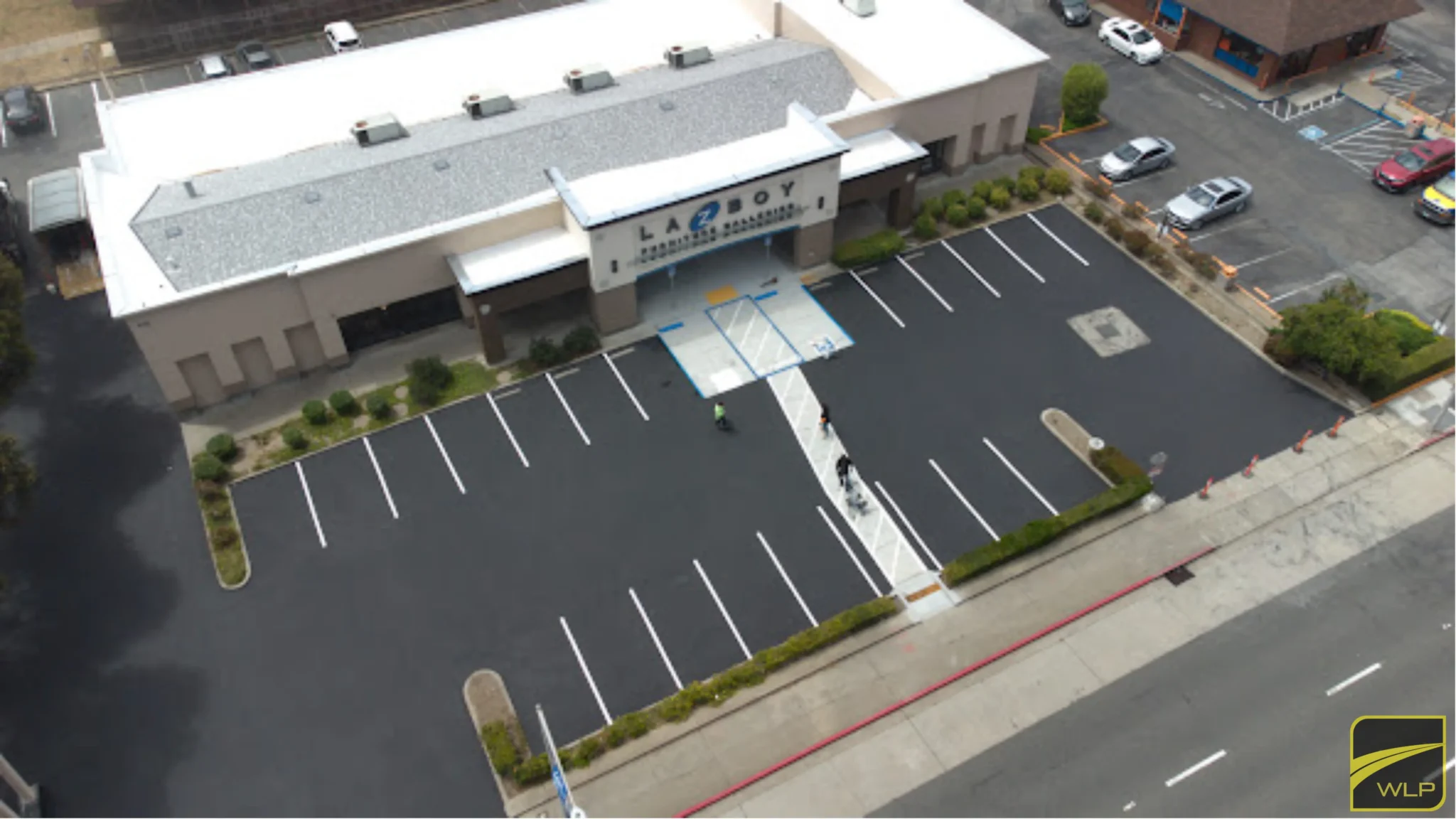
- Asphalt: Offers a sleek, black surface, commonly used for roads and parking lots.
- Concrete: Can be stamped, colored, or textured, providing more aesthetic options for decorative driveways and patios.
6. Environmental Impact
- Asphalt: Can be recycled and reused, making it a more sustainable option in some cases.
- Concrete: Has a higher carbon footprint in production but requires less maintenance over its lifetime.
Conclusion: Which One Is Best for You?
- If you need an affordable and easily repairable solution, asphalt may be the best option.
- If you prefer a long-lasting, low-maintenance, and more customizable option, concrete is the way to go.
Still unsure which paving solution fits your property best? Contact us today for a professional consultation!