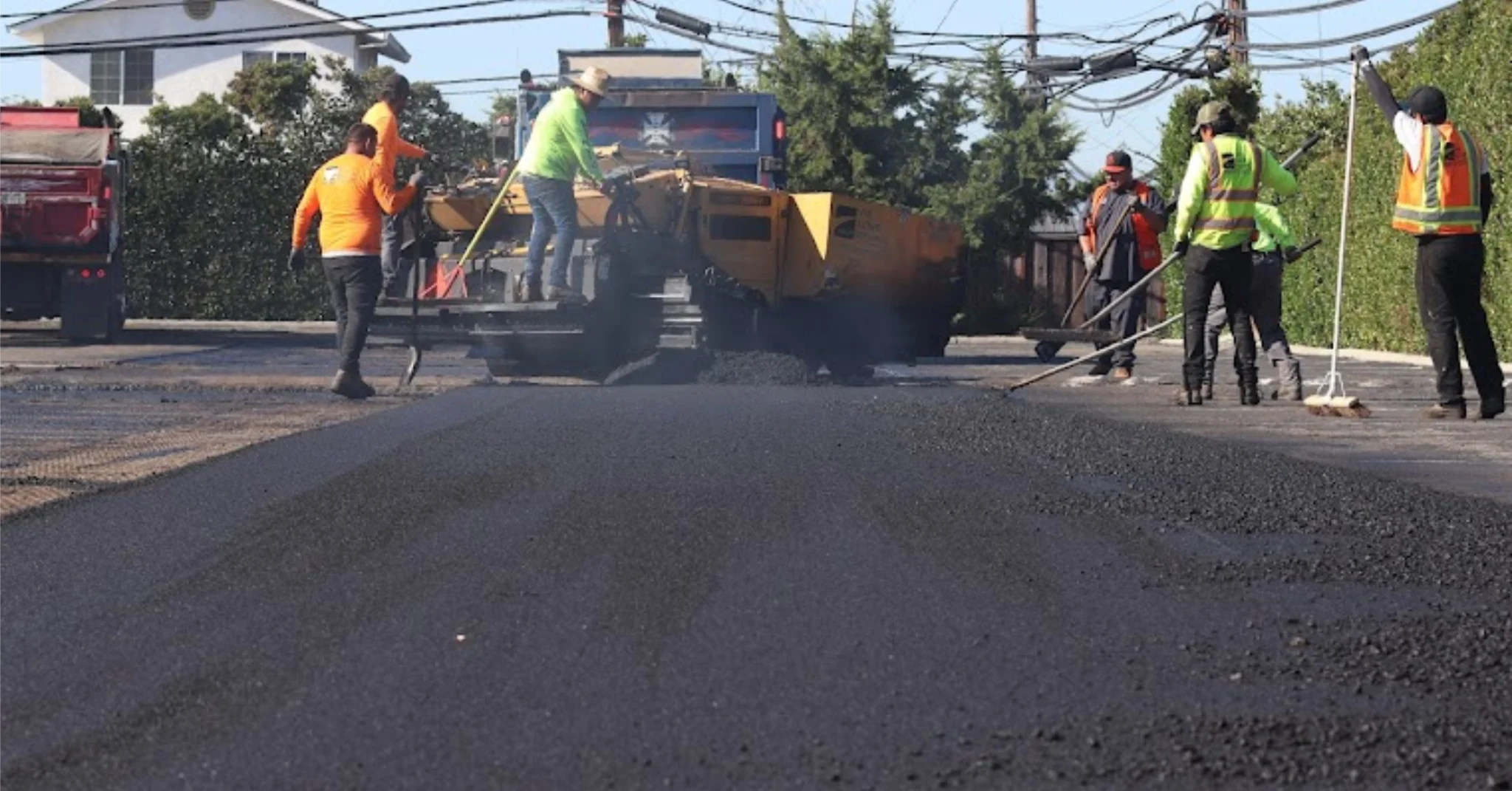
Asphalt Paving Service in California
We engineer HMA pavements that outlast California’s heat, traffic, and compliance demands so your property stays protected for decades, not years.
Phased execution to keep access open
Color-coded sitemaps with clear scope
Video briefing + proposal walkthrough
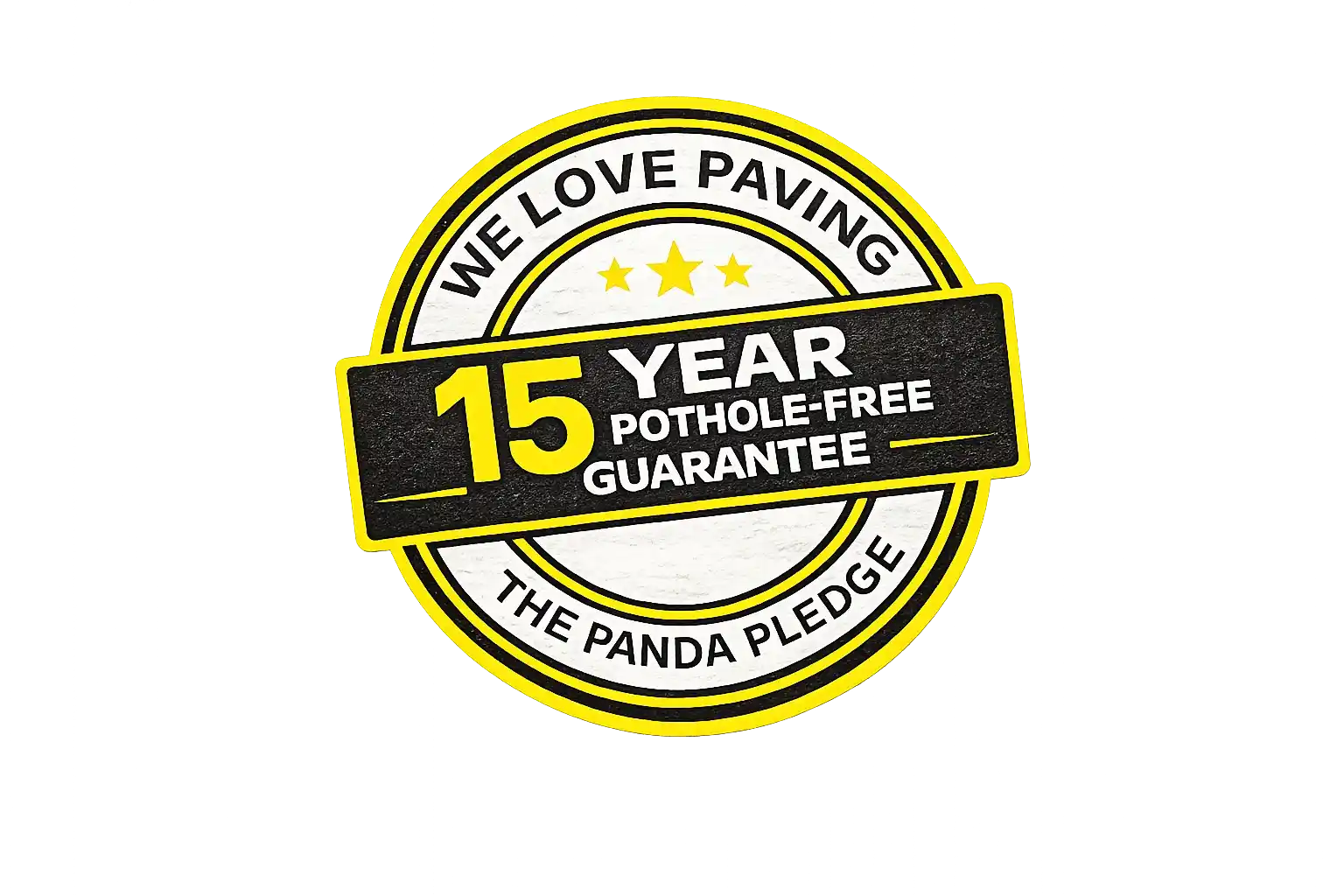
🛡️ 15yr Pothole-Free Guarantee*
written warranty, terms apply
Calls may be monitored or recorded for quality assurance and training purposes.


Commercial Paving Specialists
We Love Paving
Our team has managed over 200 asphalt paving projects across California, ranging from high-traffic commercial lots in the Central Valley to ADA-retrofit driveways on the coast. Operating under CSLB License #1049649, we remain on-site during subgrade testing and compaction verification to ensure long-term structural integrity. We know the difference between a 5-year pavement and a 20-year pavement is built in the first 48 hours.
Trusted By Property Managers & National Brands





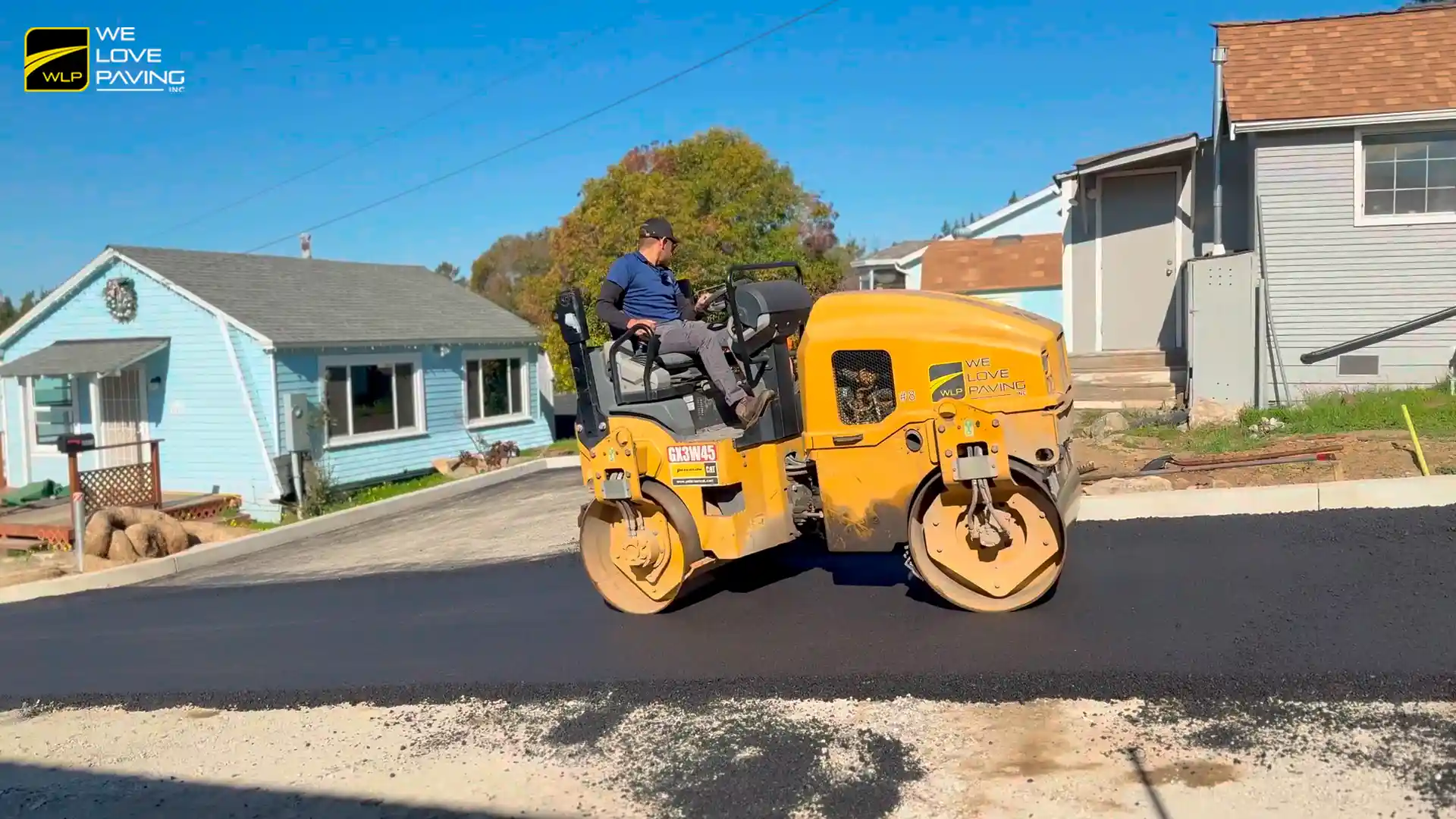
Professional Asphalt Paving Service For California
California’s climate doesn’t forgive shortcuts. Coastal moisture, Central Valley heat, and heavy commercial traffic create conditions that expose every flaw in subgrade preparation and mix design within the first two years. Our asphalt paving projects are engineered from the ground up literally starting with soil load-bearing analysis before a single ton of HMA is laid.
Expert Asphalt Paving Solutions for California Infrastructure
From Central Valley complexes to coastal estates, we ensure every asphalt paving service project meets strict ADA standards and technical excellence. Protect your property with California’s most trusted asphalt paving service.
Request Paving Estimate
Expert Asphalt Paving Service Solutions
Every asphalt paving service project in California demands more than speed it demands structural precision. From parking lot reconstruction to commercial driveways, our engineered solutions account for subgrade stability, ADA-compliant slope tolerances, and the thermal stress caused by California’s UV index. We don’t just pave; we build infrastructure that lasts.
Experienced Team
Safety First
No Work Stoppage
Guaranteed Results
Our Professional Process for Asphalt Paving Service
Longevity depends on the subgrade. Without a solid base, pavement collapses under heavy traffic. Unlike low-cost options, our professional asphalt paving process emphasizes grading precision. We use premium Hot Mix Asphalt (HMA) and guarantee superior compaction density using heavy-duty machinery. We apply the art and science of asphalt paving to eliminate air voids, creating a waterproof and ultra-resilient surface.
This Is What Our Clients Say About Our Work

Understanding The Impact Of California Climate On Asphalt
California’s climate is unforgiving. Constant exposure to high UV indices and extreme heat accelerates oxidation, causing asphalt to lose its essential oils and flexibility. Understanding the demands placed on a professional asphalt paving service is vital: asphalt is a dynamic material that suffers from “Ravelling” if the correct mix isn’t used. Our local asphalt paving service utilizes specific mix designs engineered to withstand aggressive thermal expansion. By accounting for temperature fluctuations and different asphalt types, we prevent premature structural failure.

Maximizing ROI With Expert Paving Solutions
Optimizing your investment is not just about the upfront cost, but about reducing the total cost of ownership. By choosing an expert service, you secure the following financial and structural benefits:
- Extended Lifecycle: Utilizing Hot Mix Asphalt (HMA) with the correct compaction density can double the pavement’s lifespan compared to low-cost installations.
- Lower Maintenance Expenses: A professional finish minimizes the need for pothole repairs and frequent sealcoating applications, saving thousands of dollars over the next decade.
- Asset Value Boost: In the California real estate market, a pristine parking lot or driveway increases the property’s perceived value and market competitiveness.
- Legal Risk Mitigation: Proactive compliance with ADA regulations and Caltrans standards prevents administrative fines and potential accident-related litigation.
- Sustainability and Resilience: We use high-quality materials that exceed local industry standards, better withstanding the UV oxidation typical of our region.
How Our Specifications Outperform California’s Industry Standard
Our California paving methodology transcends industrial standards by integrating high-thermal resilience polymer-modified Hot Mix Asphalt (HMA). We prioritize sub-base engineering and strict Caltrans compliance, achieving a compaction density that extends structural lifecycle by 40% over the industry average, significantly lowering your total cost of ownership.
| What We Check | Typical Contractor | How We Do It | What You Get |
|---|---|---|---|
| Sun & Heat Resistance | Basic asphalt mix that breaks down faster under California sun | Premium polymer-modified mix built for extreme UV exposure | Stays flexible 35% longer with no crumbling edges ¹ |
| Water Drainage & ADA Slopes | Eyeballed slope where water pools and ADA risk goes up | Laser-measured slope for proper drainage and full ADA compliance | 95% less standing water and fewer slip hazards ² |
| How Solid the Asphalt Is | Standard compression that leaves air pockets and cracks over time | Heavy-duty compaction that eliminates air pockets from day one | Pavement that lasts twice as long as standard jobs ¹ |
| What’s Under the Asphalt | Looks okay from the surface but no real testing is done | Load-bearing test before anything is paved with no guesswork | 90% fewer structural cracks in the first 3 years ¹ |
| Long-Term Maintenance Cost | Patch it when it breaks and costs add up fast | Drainage designed upfront so repairs stay rare | $1,200/year average savings on repairs ¹ |
¹ Based on internal project data from 100+ California installations and Asphalt Institute performance benchmarks.
² Based on ADA compliance outcomes tracked across We Love Paving commercial projects.
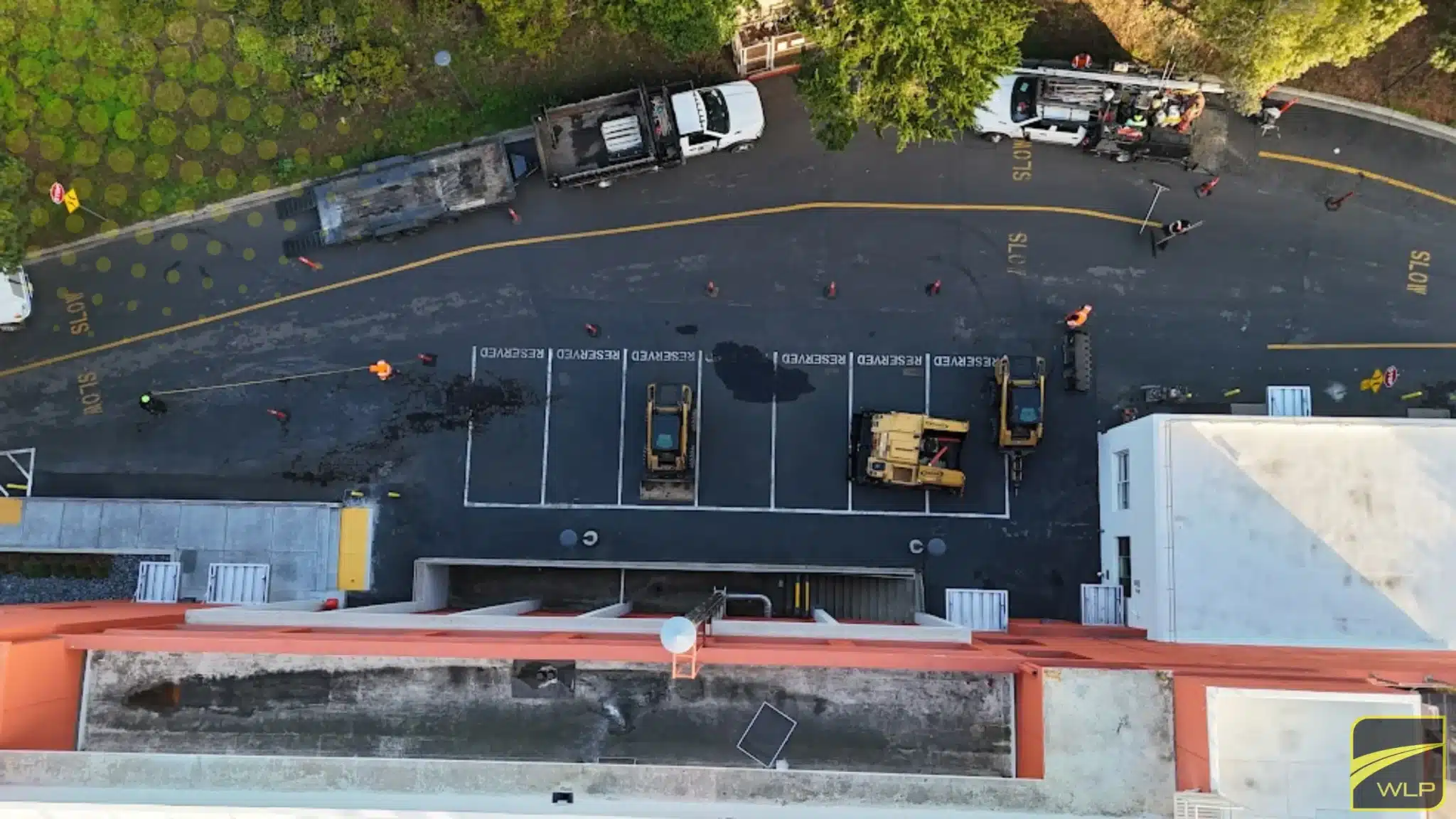
Secure Your Property With Premium Asphalt Services
Choosing the expertise of We Love Paving ensures that your project is not just an expense, but a lasting asset. By trusting our specialists, you gain tangible benefits that protect your investment:
- Superior Durability: Structures engineered to withstand heavy traffic and California’s extreme weather conditions.
- Reduced Legal Exposure: Every asphalt paving service project is executed in strict alignment with ADA accessibility regulations and Caltrans standards, helping minimize legal risks and proactively protect your property against compliance claims.
- Professional Aesthetics: Clean finishes that immediately elevate your property’s curb appeal and market value.
- Total Peace of Mind: We provide a comprehensive service guarantee and warranty to ensure your pavement remains in top condition year after year.
Contact us today for a professional site inspection and request your no-obligation asphalt paving service quote anywhere in California.
Frequently Asked Questions (FAQ)
Got Questions? Find Your Answers Here!!
To ensure long-lasting asphalt in California, it is critical to use Hot Mix Asphalt (HMA) specifically engineered for high UV indices and extreme thermal fluctuations. A durable project relies on precision subgrade grading and superior compaction density to eliminate air voids. According to engineering standards, using a climate-specific mix design can double the pavement’s lifespan, preventing premature oxidation and “ravelling” common in the Central Valley and coastal regions.
We significantly reduce legal exposure by integrating precise drainage slopes and technical accessibility specifications required by the Americans with Disabilities Act (ADA). All our projects strictly adhere to Caltrans regulations, ensuring that every surface is both safe and legally sound.
Pro Tip: Neglecting proper slopes not only causes water ponding but also exposes property owners to heavy administrative fines and potential accident-related litigation.
The subgrade serves as the structural foundation; without a solid, properly compacted base, any asphalt layer will eventually collapse under heavy traffic loads. Our professional paving process prioritizes base engineering to prevent structural failure and depressions.
Approximately 90% of premature pavement cracks in California stem from poor soil preparation rather than asphalt quality, as the base must withstand the state’s aggressive thermal expansion.
Utilizing HMA maximizes your ROI by significantly reducing long-term maintenance costs and the need for frequent pothole repairs. While it requires a technical initial setup, its resistance to mechanical and climatic wear protects the overall property value.
| Component | Technical Requirement (Title 24/ADA) |
|---|---|
| Truncated Domes | High visual contrast & structural durability. |
| Loading Zones | Regulatory dimensions for vehicle ramp deployment. |
| Surface Slopes | Maximum 2% incline in any direction. |
California’s climate accelerates asphalt oxidation, causing the material to lose essential oils and flexibility, which leads to structural “alligator” cracking. Utilizing resilient polymer-modified mixes and high-quality sealcoating is the most effective approach to combat degradation from intense UV rays and seasonal rains. As industry leaders, we apply paving science to create waterproof, ultra-resilient surfaces that withstand extreme heat, ensuring your infrastructure remains a lasting asset year after year.
Contact
Start Your Free Proposal
Start your free proposal today. Speak with a paving advisor and find out if your asphalt, concrete, or ADA compliance project qualifies for The Panda Pledge™ long-term protection.
Reply by Next Business Day