An Investigation into Why Paving Slabs Are So Expensive

Paving slabs, commonly used in patios, walkways, and driveways, are a popular choice for outdoor paving due to their durability and aesthetic appeal. However, one frequently raised concern is their high cost. This investigation explores the factors contributing to the expense of paving slabs, covering material selection, manufacturing processes, transportation, labor, and market dynamics. Understanding these elements will provide insights into the true cost of paving slabs and help consumers make informed decisions.

Material Selection

The type of material used in paving slabs significantly impacts their cost. Common materials include natural stone, concrete, porcelain, and composite materials, each with distinct characteristics and price points.

Natural Stone

Natural stone slabs, such as granite, sandstone, limestone, and slate, are highly prized for their unique appearance and durability. However, several factors contribute to their high cost:

  1. Rarity and Quality: High-quality stones are often rare and sourced from specific quarries, adding to their value.
  2. Extraction: Quarrying natural stone involves significant labor, equipment, and energy, making the process expensive.
  3. Processing: Cutting, shaping, and finishing natural stone require specialized machinery and skilled labor, further increasing costs.

Concrete

Concrete paving slabs are generally more affordable than natural stone but still come with notable expenses:

  1. Raw Materials: High-quality cement, aggregates, and additives are needed to produce durable and aesthetically pleasing concrete slabs.
  2. Manufacturing: The production process involves molding, curing, and finishing, requiring considerable energy and equipment.
  3. Customization: Customized shapes, colors, and textures can increase the cost of concrete slabs.

Porcelain

Porcelain paving slabs are known for their durability and resistance to weathering, but they can be expensive due to:

  1. Raw Materials: High-quality clay and other materials are used to produce porcelain.
  2. Manufacturing: The process involves high-temperature firing and precision manufacturing, which are energy-intensive.
  3. Designs: The intricate designs and finishes often found on porcelain slabs add to the cost.

Manufacturing Processes

The manufacturing process of paving slabs is another significant factor influencing their cost. This process varies depending on the material but generally includes extraction, processing, and finishing stages.

Extraction and Processing

  1. Quarrying (Natural Stone): Extracting natural stone requires heavy machinery and skilled labor, both of which are costly. The environmental regulations and safety measures also add to the expenses.
  2. Mixing and Molding (Concrete): The production of concrete slabs involves mixing raw materials, pouring them into molds, and ensuring even curing. This process requires precise control and high-quality machinery.

Finishing

  1. Cutting and Shaping: Both natural stone and concrete slabs often require cutting and shaping to specific sizes and designs, which involves expensive equipment and skilled labor.
  2. Surface Treatment: Polishing, texturing, and sealing the slabs to enhance their appearance and durability add to the overall cost.

Transportation

Transportation plays a crucial role in the cost of paving slabs, especially for natural stone and heavy concrete slabs.

  1. Weight: Paving slabs are typically heavy, resulting in high transportation costs due to fuel consumption and the need for specialized vehicles.
  2. Distance: The distance between the quarry or manufacturing facility and the final destination significantly impacts transportation costs. Imported slabs, for instance, involve additional shipping expenses.
  3. Handling: Proper handling and packaging are essential to prevent damage during transit, adding to the overall cost.

Labor

Labor costs are a substantial component of the overall expense of paving slabs, from extraction and manufacturing to installation.

  1. Skilled Labor: Quarrying natural stone, manufacturing concrete slabs, and installing paving slabs all require skilled labor, which comes at a premium.
  2. Installation: Proper installation of paving slabs is labor-intensive and requires expertise to ensure a durable and aesthetically pleasing result. This includes preparing the ground, laying the slabs, and ensuring proper alignment and spacing.
  3. Regulations: Adherence to safety and environmental regulations can increase labor costs, as compliance often requires additional training and equipment.

Market Dynamics

Market dynamics, including demand, supply, and economic factors, also influence the cost of paving slabs.

  1. Demand: High demand for premium materials, such as natural stone and porcelain, can drive up prices, especially in regions with significant landscaping and construction activities.
  2. Supply: Limited availability of high-quality raw materials and fluctuations in supply chains, especially for imported materials, can lead to higher costs.
  3. Economic Factors: Inflation, changes in fuel prices, and currency exchange rates (for imported materials) can impact the overall cost of paving slabs.

Conclusion

The high cost of paving slabs can be attributed to a combination of factors, including the choice of materials, the complexity of manufacturing processes, transportation expenses, labor costs, and market dynamics. Natural stone slabs are particularly expensive due to the rarity and quality of the materials, the labor-intensive extraction and processing methods, and the significant transportation and handling requirements. Concrete and porcelain slabs, while generally more affordable, still incur substantial costs related to raw materials, manufacturing, and installation.

Understanding these factors helps consumers appreciate the true value of paving slabs and make informed decisions based on their budget, aesthetic preferences, and functional requirements. While the initial investment in high-quality paving slabs can be significant, their durability, aesthetic appeal, and potential to enhance property value often justify the expense in the long run.

Share

WHO IS FRED?

Fred, Regional Operations Manager, comes from a family of immigrant roots and a story built on sacrifice, discipline, and hard work. Growing up, Fred watched his parents work long hours and weekends to create a better future teaching him the values of perseverance, determination, and doing things the right way every single time.
We Love Paving began with Fred’s father, who started doing what he knew best: paving. Over the years, he built experience alongside respected professionals in the industry, refining his methods and developing a reputation for quality work that speaks for itself. As his clientele grew, so did the vision one built not only on skill, but on integrity and pride in every job.

Posts that might interest you

Maximizing Value: Cost-Effective Asphalt Solutions in California

Maximizing Value: Cost-Effective Asphalt Solutions in California

May 14, 2024

Asphalt, with its durability and versatility, remains one of the most popular choices for driveways, parking lots, and roads across California. However, with the rising costs of construction materials and labor, finding ways to pave with asphalt affordably becomes crucial. Fortunately, several strategies can help you achieve a quality asphalt installation without breaking the bank.

Reviving Roads: A Comprehensive Investigation into Repairing Old Asphalt

Reviving Roads: A Comprehensive Investigation into Repairing Old Asphalt

May 8, 2024

Asphalt, the ubiquitous black substance that paves our roads, withstands a barrage of challenges from weather, heavy traffic, and time itself. However, even the most durable asphalt succumbs to wear and tear over the years, necessitating repair to maintain safe and smooth driving surfaces. In this comprehensive investigation, we delve deep into the intricate process

Asphalt Paving Unveiled: Crafting Roads of Tomorrow

Asphalt Paving Unveiled: Crafting Roads of Tomorrow

May 8, 2024

Welcome to the asphalt wonderland, where smooth roads and driveways pave the way for seamless journeys. At We Love Paving, we’re not just laying asphalt; we’re sculpting the future of infrastructure one road at a time. Buckle up and join us on a journey through the asphalt universe. Demystifying Asphalt Paving Picture this: a concoction

The Art and Science of Asphalt Paving: Building Roads That Last

The Art and Science of Asphalt Paving: Building Roads That Last

May 7, 2024

Asphalt paving is more than just laying down black pavement. It’s a precise blend of science, engineering, and craftsmanship aimed at creating durable and reliable roadways. In this article, we delve into the intricacies of asphalt paving, exploring its composition, construction process, benefits, and challenges. Understanding Asphalt Composition Asphalt, also known as bitumen, is a

Unveiling Sacramento’s Asphalt Paving: Enhancing Infrastructure and Connectivity

Unveiling Sacramento’s Asphalt Paving: Enhancing Infrastructure and Connectivity

May 6, 2024

Sacramento, California, often dubbed the “City of Trees” or the “River City,” is a vibrant metropolis known for its rich history, diverse culture, and booming economy. Amidst its bustling streets and picturesque landscapes lies a crucial yet often overlooked component of its infrastructure – asphalt paving. In this article, we delve into the significance of

Enhancing San Jose’s Urban Landscape: The Importance of Quality Asphalt Paving in Parking Lots

Enhancing San Jose’s Urban Landscape: The Importance of Quality Asphalt Paving in Parking Lots

May 3, 2024

San Jose, nestled in the heart of Silicon Valley, pulsates with innovation, culture, and diversity. However, amidst its bustling urban landscape, one often overlooked aspect is the quality of parking lots. These vast expanses of asphalt not only serve as spaces for vehicles but also significantly contribute to the city’s aesthetic appeal and functionality. In

Maximizing the Lifespan of Asphalt Sealcoat: Proven Strategies for Longevity

Maximizing the Lifespan of Asphalt Sealcoat: Proven Strategies for Longevity

May 3, 2024

Asphalt sealcoat serves as the protective barrier that shields your pavement from the elements, preventing premature deterioration and extending its lifespan. However, without proper care and maintenance, even the most robust sealcoat can succumb to wear and tear. In this article, we’ll explore effective strategies to make your asphalt sealcoat last longer, ensuring the durability

Unveiling the Mysteries of Sealcoating: A Comprehensive Guide to Its Process and Benefits

Unveiling the Mysteries of Sealcoating: A Comprehensive Guide to Its Process and Benefits

April 30, 2024

Sealcoating, often hailed as the guardian angel of asphalt surfaces, plays a crucial role in preserving and enhancing their longevity. From parking lots to driveways, sealcoating serves as a protective shield against the elements, preventing deterioration and maintaining aesthetic appeal. In this comprehensive guide, we embark on a grand investigation into the world of sealcoating,

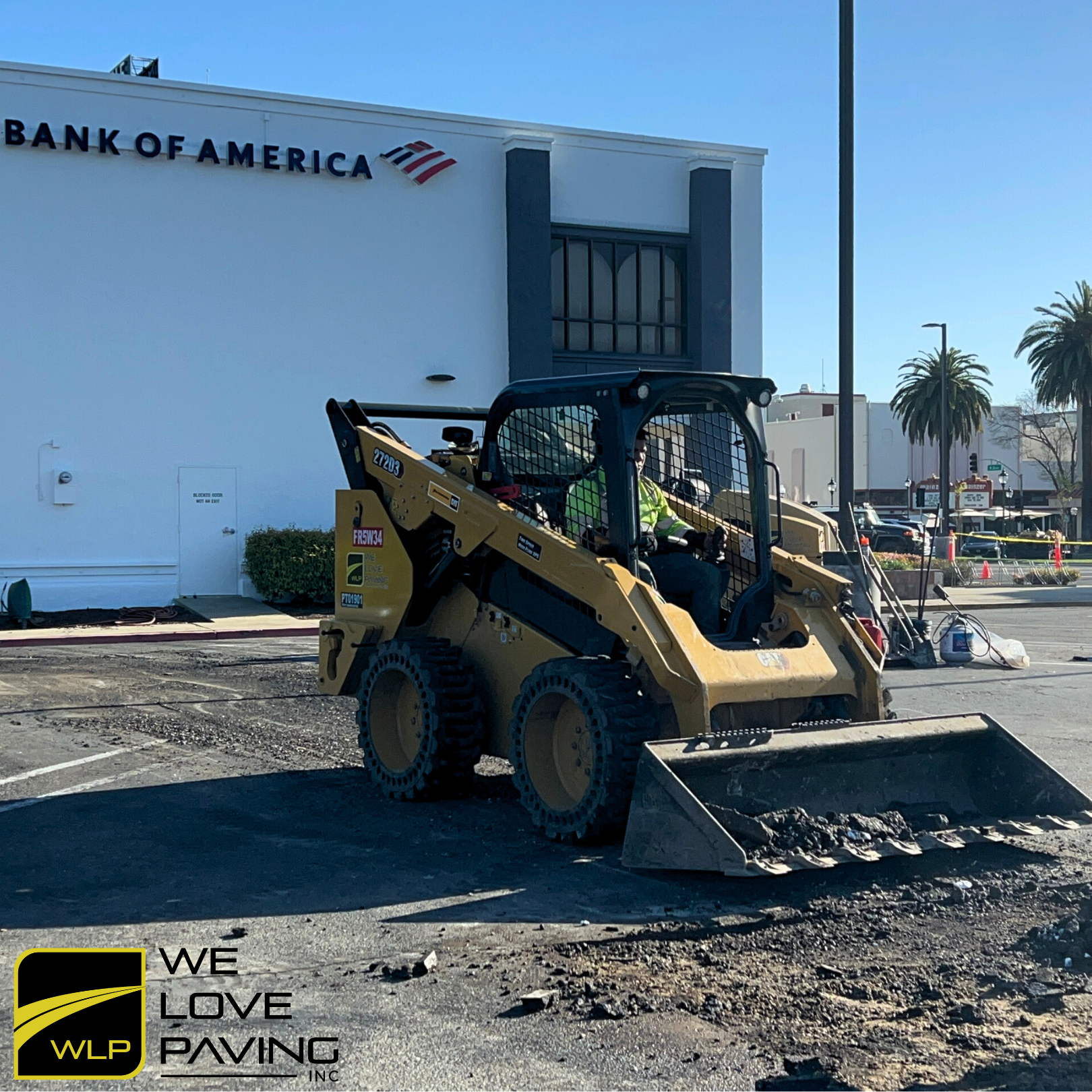
Altering Bank of America’s Parking Lot in Merced, CA

Altering Bank of America’s Parking Lot in Merced, CA

April 25, 2024

vital hub for the community In the heart of Merced, California, the local Bank of America branch stood as a vital hub for the community. However, one glaring issue was the deteriorating state of its parking lot. Cracks snaked across the asphalt like spiderwebs, potholes littered the surface, and years of wear and tear left

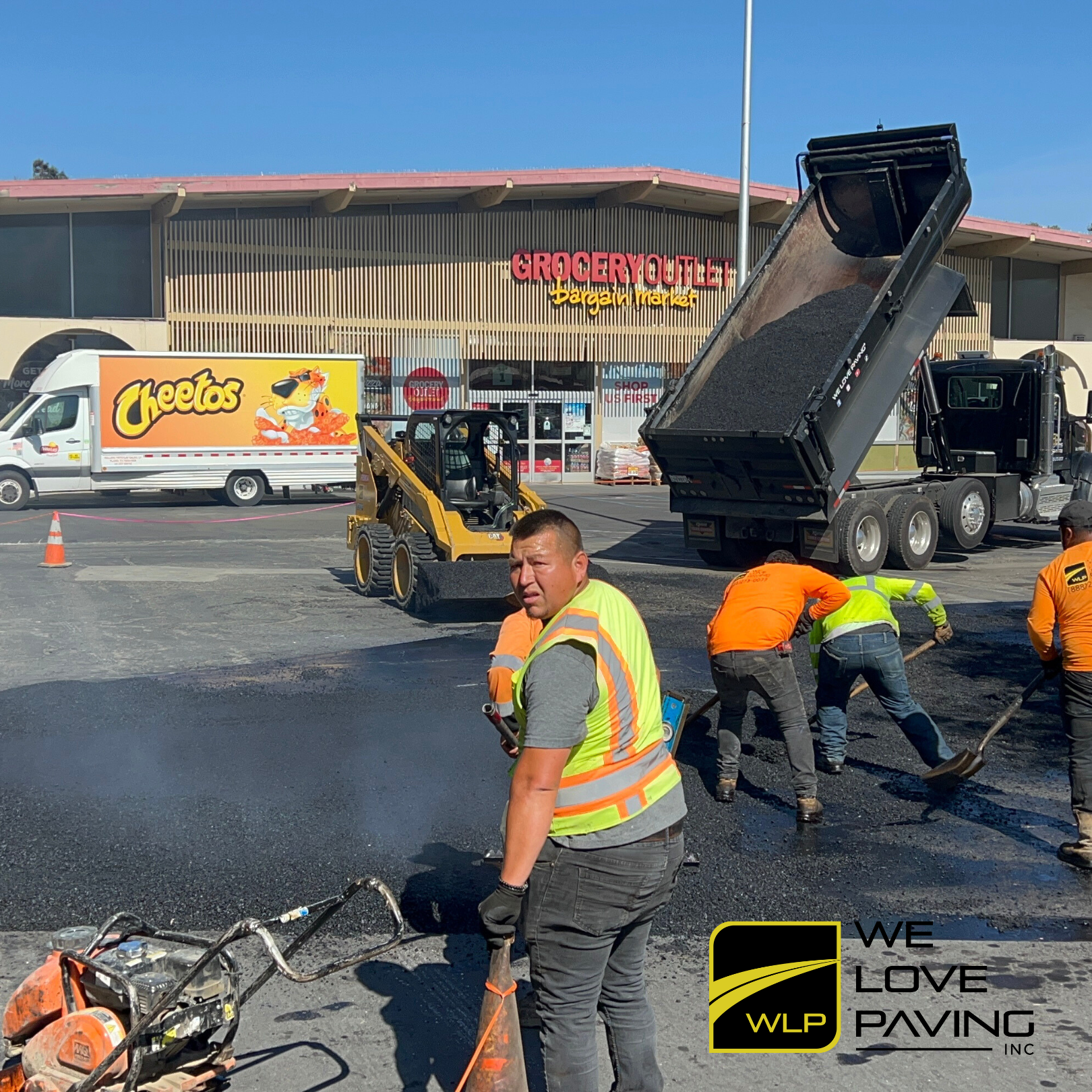
Transforming Grocery Outlet’s Parking Lot in San Pablo, CA

Transforming Grocery Outlet’s Parking Lot in San Pablo, CA

April 25, 2024

  the bustling city of San Pablo, California In the bustling city of San Pablo, California, Grocery Outlet is a cornerstone of the community, offering essential goods and fostering local commerce. However, behind the vibrant storefront, an urgent issue loomed large: the deteriorating state of the parking lot. Faced with potholes, cracks, and uneven surfaces,

Previous Next