Paving is a crucial aspect of urban development and infrastructure. The choice of paving material significantly impacts the durability, cost, maintenance, and overall aesthetic of roads, driveways, and other paved surfaces. This investigation delves into the two main types of paving: concrete and asphalt. By examining their composition, installation processes, advantages, disadvantages, and applications, we aim to provide a comprehensive understanding of these materials to inform better decision-making in construction and urban planning.
Composition and Installation
Concrete Paving
Concrete is composed of cement (usually Portland cement), water, and aggregates like sand, gravel, or crushed stone. When mixed, these materials undergo a chemical reaction called hydration, forming a hard, durable surface.
Installation Process:
- Subgrade Preparation: The ground is excavated and compacted to form a stable base.
- Formwork: Wooden or metal forms are set up to outline the shape of the pavement.
- Pouring and Spreading: The concrete mixture is poured into the forms and spread evenly.
- Leveling and Smoothing: Tools like screeds and floats are used to level and smooth the surface.
- Curing: Concrete requires time to cure and gain strength. This process can take several days to weeks, during which the concrete must be kept moist.
Asphalt Paving
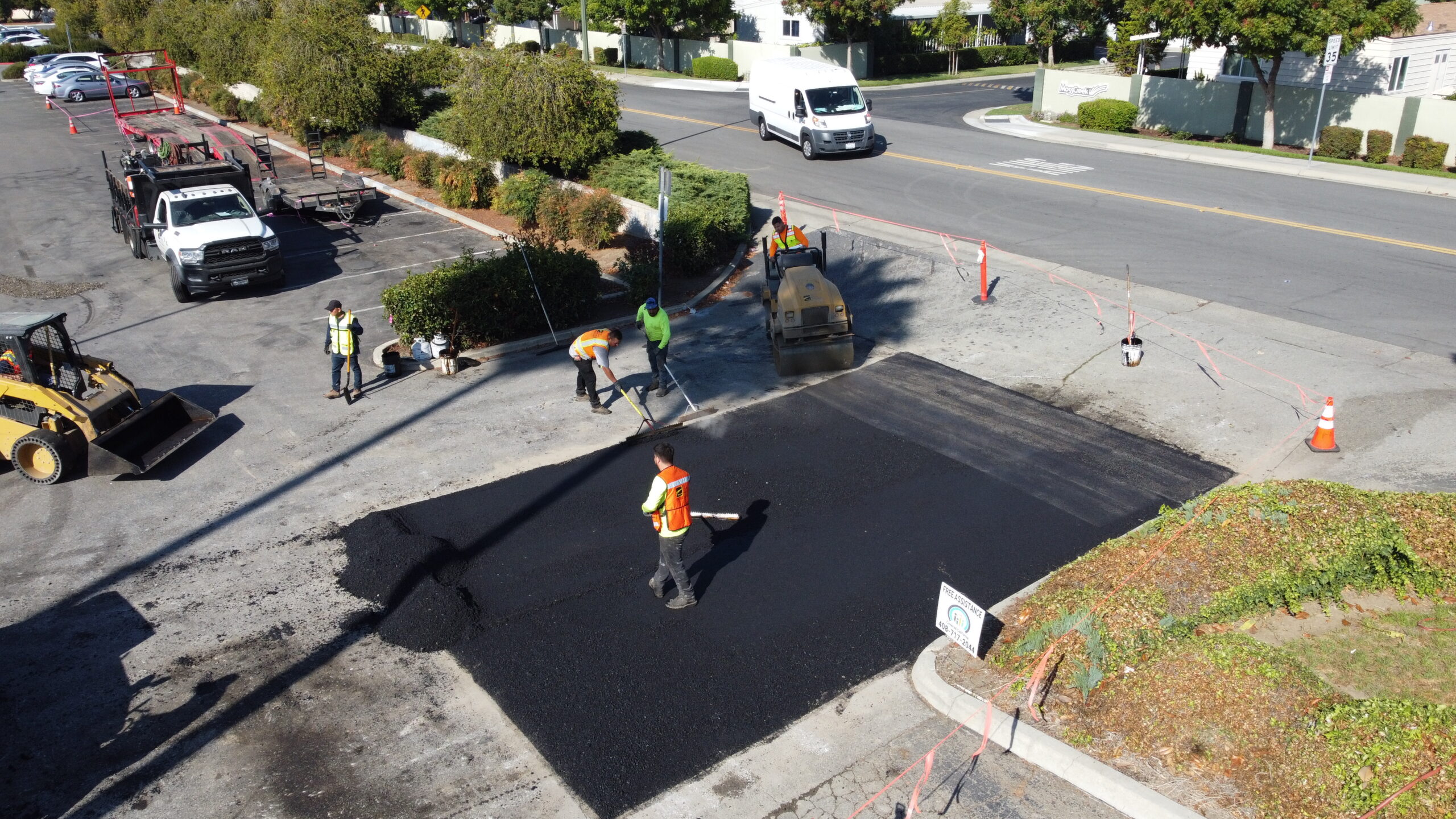
Asphalt, also known as bitumen, is a sticky, black, and highly viscous liquid or semi-solid form of petroleum. Asphalt paving consists of asphalt cement and aggregates mixed together at high temperatures.
Installation Process:
- Subgrade Preparation: Similar to concrete, the ground is excavated and compacted.
- Base Layer: A layer of crushed stone or gravel is laid and compacted to form a stable base.
- Asphalt Mixing: Asphalt cement is heated and mixed with aggregates to form hot mix asphalt (HMA).
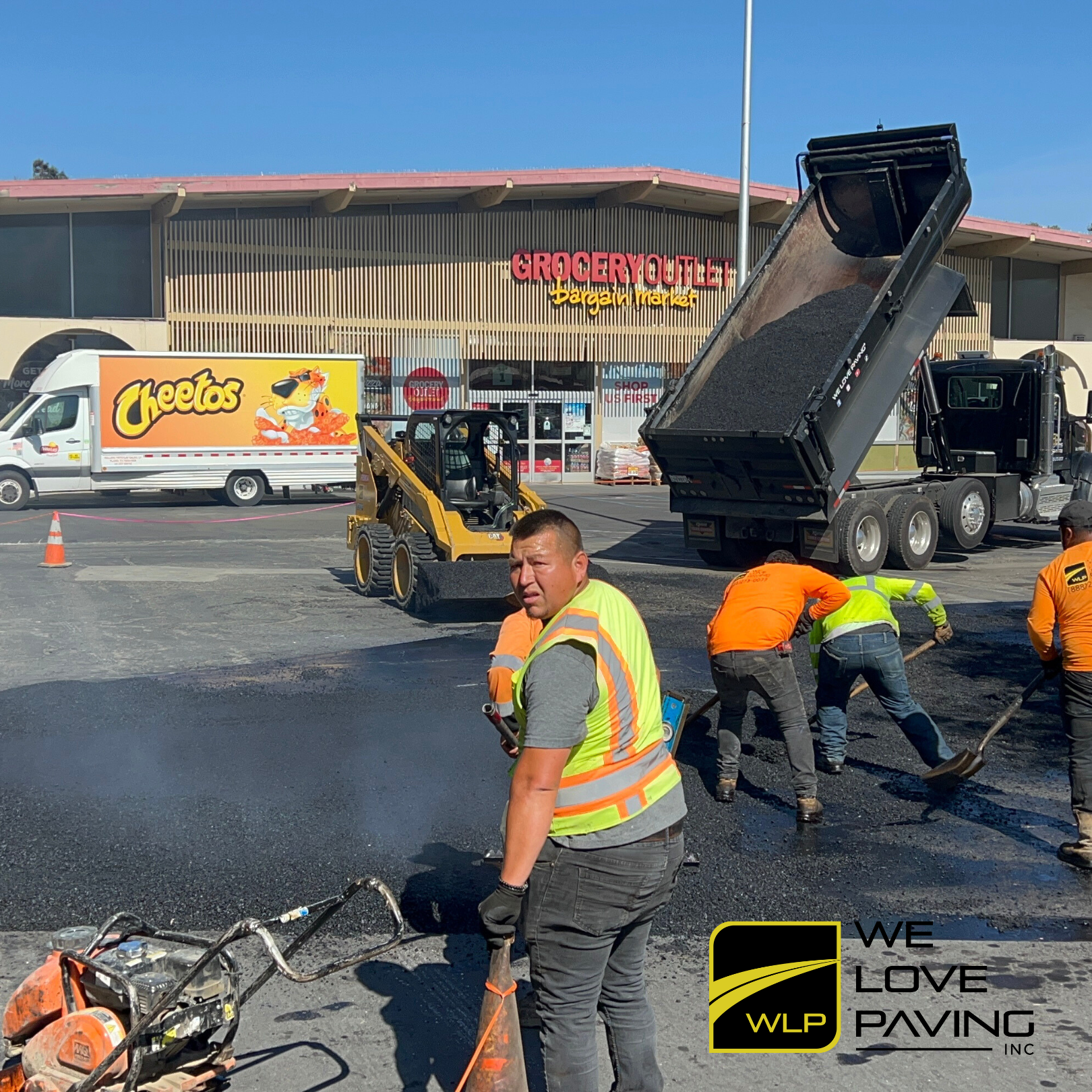
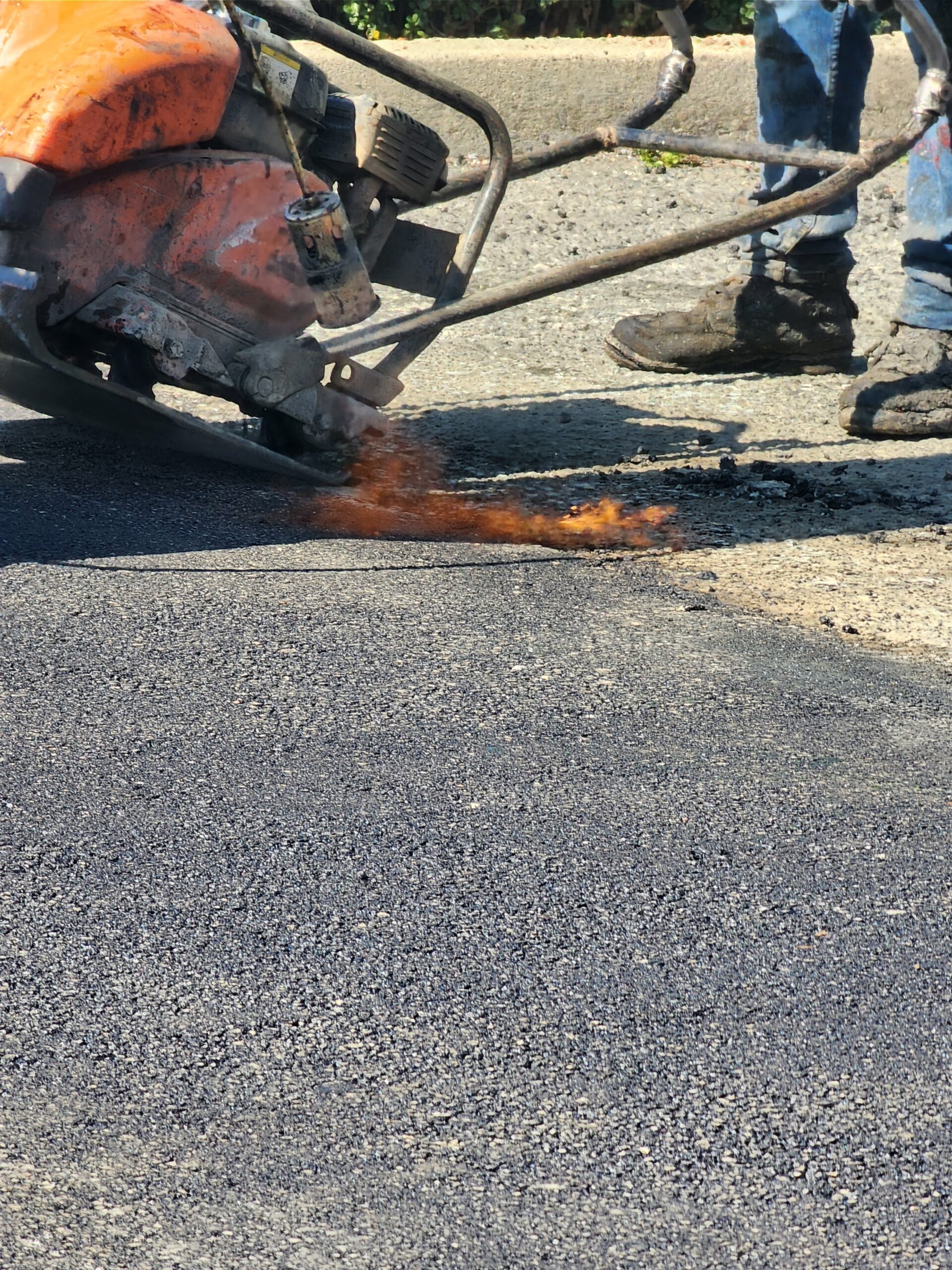
- Laying Asphalt: The HMA is transported to the site, spread using a paving machine, and compacted with rollers while still hot.
- Cooling: Asphalt cools and hardens relatively quickly, allowing for faster use compared to concrete.
Advantages and Disadvantages
Concrete Paving
Advantages:
- Durability: Concrete is highly durable and can last 30-40 years with proper maintenance.
- Strength: It can handle heavy loads and is less susceptible to deformation.
- Reflectivity: Concrete reflects more light, reducing the need for additional lighting in urban areas.
- Maintenance: Requires less frequent maintenance compared to asphalt.
Disadvantages:
- Cost: Higher initial cost compared to asphalt.
- Repair: Repairs can be more challenging and costly.
- Curing Time: Longer curing time can delay project completion.
- Temperature Sensitivity: Concrete can crack in extreme cold or due to freeze-thaw cycles.
Asphalt Paving
Advantages:
- Cost: Lower initial cost compared to concrete.
- Flexibility: Asphalt is more flexible, making it less prone to cracking.
- Quick Installation: Faster installation and curing time.
- Recyclability: Asphalt is highly recyclable, reducing environmental impact.
Disadvantages:
- Maintenance: Requires more frequent maintenance and resurfacing.
- Durability: Typically lasts 15-20 years, shorter than concrete.
- Heat Absorption: Asphalt absorbs more heat, contributing to the urban heat island effect.
- Oil-based: Being a petroleum product, it is subject to price fluctuations and environmental concerns.
Applications
Concrete Paving Applications:
- Roads and Highways: Used for highways and roads that bear heavy traffic loads due to its durability and strength.
- Airport Runways: Preferred for runways because of its ability to handle heavy aircraft loads and resist fuel spills.
- Sidewalks and Walkways: Commonly used for pedestrian pathways due to its long lifespan and low maintenance needs.
- Parking Lots and Industrial Areas: Ideal for areas with heavy equipment and high traffic.
Asphalt Paving Applications:
- Roads and Highways: Frequently used for road construction, especially in residential and urban areas due to its quick installation.
- Driveways: Preferred for residential driveways because of its lower cost and ease of repair.
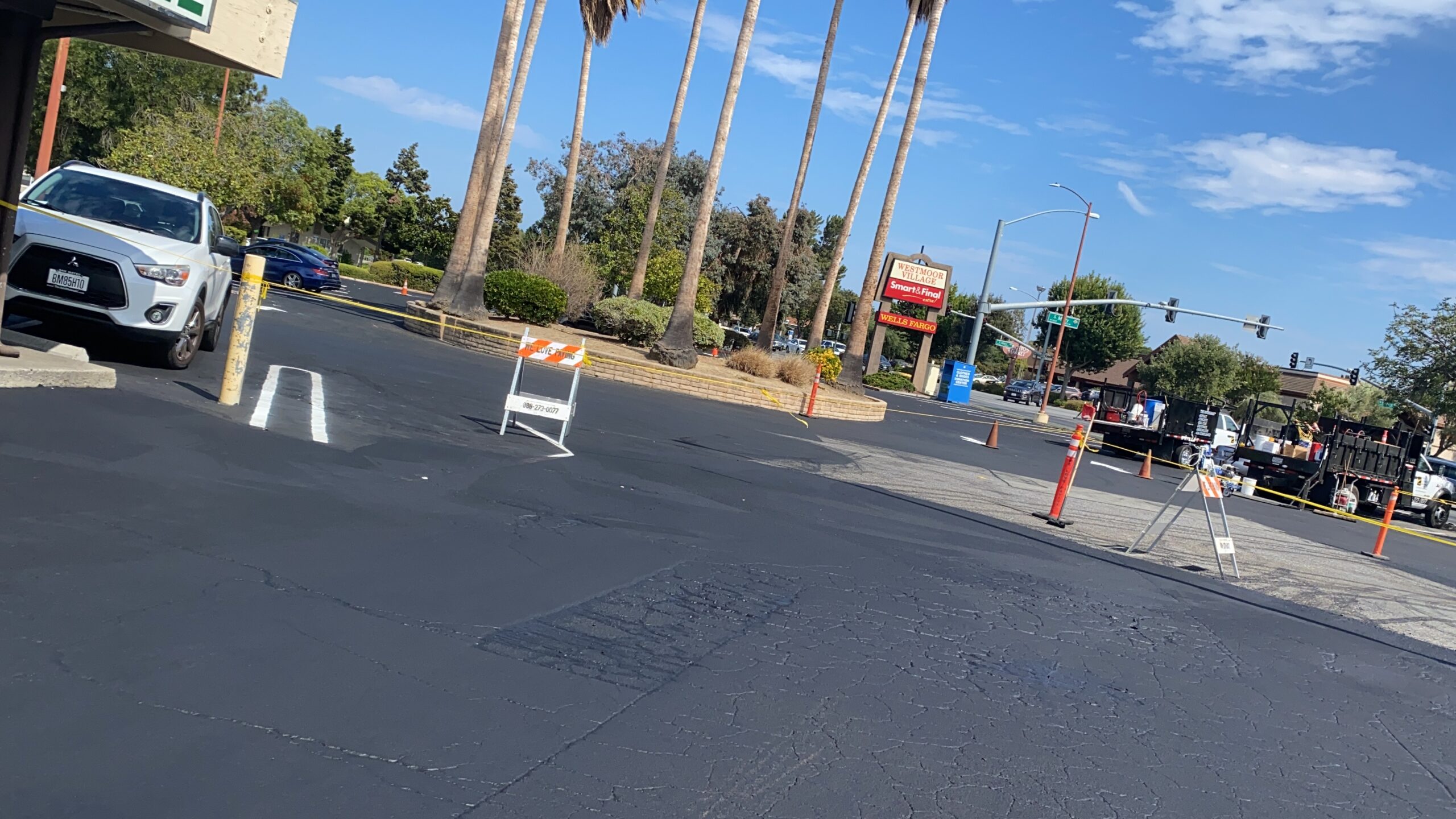
- Parking Lots: Common in commercial and retail areas due to the faster installation process.
- Race Tracks: Used for race tracks because of its smooth surface and ability to provide good traction.
Environmental Impact
Concrete:
- Carbon Footprint: Concrete production is energy-intensive and contributes significantly to CO2 emissions.
- Land Use: Requires mining of raw materials like limestone, which can impact local ecosystems.
- Reflectivity: Higher albedo effect helps in reducing urban heat islands.
Asphalt:
- Carbon Footprint: Asphalt production also emits CO2 but generally less than concrete. However, it uses petroleum, a non-renewable resource.
- Recycling: Asphalt is highly recyclable, which can mitigate some environmental impacts.
- Heat Absorption: Lower albedo effect contributes to urban heat islands, increasing energy demands for cooling in urban areas.
Future Trends and Innovations
Concrete Innovations:
- Green Concrete: Incorporating recycled materials and industrial by-products like fly ash to reduce the environmental impact.
- Self-healing Concrete: Development of concrete that can repair its own cracks using bacteria or other methods.
- Pervious Concrete: Allows water to pass through, reducing runoff and improving groundwater recharge.
Asphalt Innovations:
- Warm Mix Asphalt (WMA): Produced at lower temperatures, reducing energy use and emissions.
- Recycled Asphalt Pavement (RAP): Increasing use of recycled materials in asphalt mixes.
- Porous Asphalt: Similar to pervious concrete, allows water to pass through, reducing runoff and improving stormwater management.
Conclusion
Concrete and asphalt are the two primary paving materials, each with distinct advantages and disadvantages. Concrete offers durability and strength, making it suitable for heavy traffic and industrial applications, while asphalt provides cost-effectiveness, flexibility, and faster installation, ideal for urban roads and residential areas. The choice between the two depends on various factors, including the specific application, budget, environmental concerns, and long-term maintenance considerations. Understanding the properties and implications of each material helps in making informed decisions that balance functionality, cost, and sustainability in paving projects.