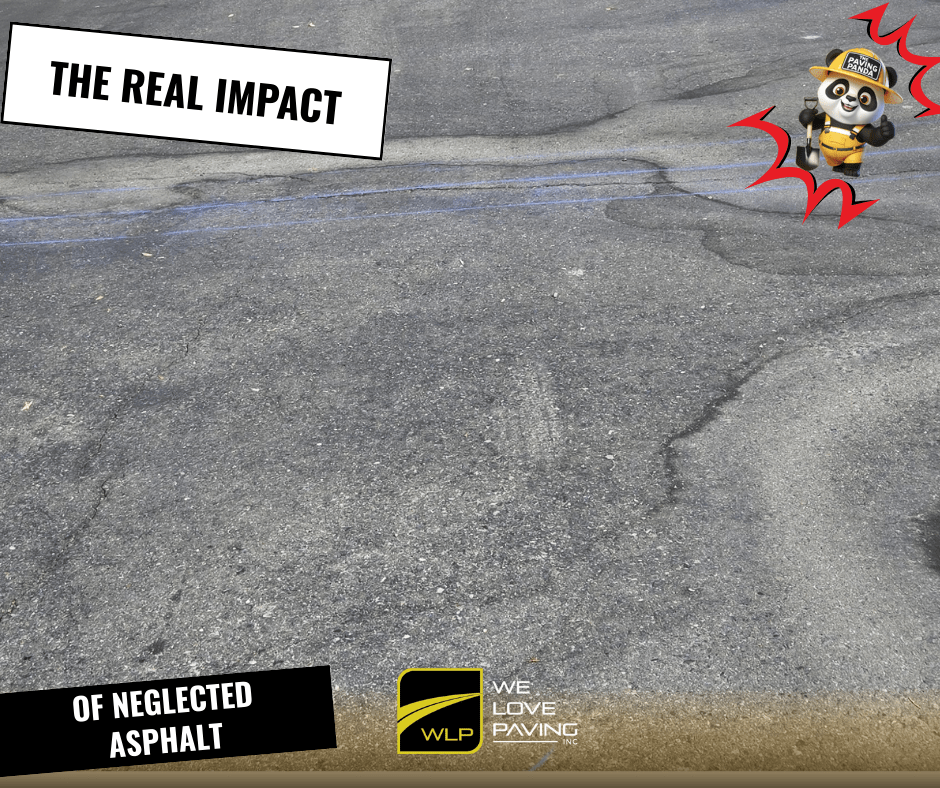
If you’re considering installing or renovating a driveway, one of the first questions you might ask yourself is, “Do I need a permit for this project?” The short answer is: it depends. Regulations regarding driveway permits vary depending on your location, the scope of the project, and local government requirements. Here, we’ll break down the key factors to help you navigate the process.
Why Permits Matter
Permits are legal authorizations issued by local governments to ensure that construction projects comply with zoning laws, building codes, and safety regulations. Driveway permits, in particular, help maintain public safety, manage water runoff, and preserve property values in the area.
Failing to obtain the necessary permits can result in fines, delays, and even the removal of your newly installed driveway. It’s always better to check and comply with regulations before starting any construction.
Factors That Determine Permit Requirements
Several factors influence whether you need a permit for your driveway project:
1. Location
-
Urban areas and municipalities are more likely to require permits due to stricter zoning laws.
-
Rural areas may have fewer restrictions, but it’s still wise to check with local authorities.
2. Type of Work
-
New Installation: A permit is almost always required when installing a new driveway, especially if it connects to a public road.
-
Resurfacing or Repairs: Minor repairs or resurfacing often don’t require permits, but extensive changes to the size, material, or structure might.
-
Expansion or Relocation: If you’re expanding or relocating your driveway, a permit will likely be necessary.
3. Material Used
-
Different materials (e.g., asphalt, concrete, gravel) may have specific requirements, especially in areas prone to flooding or erosion.
4. Drainage Considerations
-
Driveways can impact local drainage systems. Permits help ensure that your project doesn’t cause water runoff problems for your neighbors or public roads.
5. Connection to Public Infrastructure
-
Any project that alters sidewalks, curbs, or access to public roads usually requires a permit.
How to Check Permit Requirements
1. Contact Your Local Building Department
-
Start by reaching out to your city or county building department. They can provide specific information about permit requirements in your area.
2. Review Zoning Regulations
-
Check local zoning laws to see if your property’s location or classification affects your driveway plans.
3. Consult with Professionals
-
Contractors or paving companies often have experience with local permitting processes and can guide you through the requirements.
4. Search Online
-
Many municipalities provide guidelines and application forms on their websites.
The Permit Application Process
If a permit is required, here’s what you can typically expect:
-
Submit an Application: Provide details about your project, including plans, dimensions, and materials.
-
Pay Fees: Permit fees vary by location but usually range from $50 to $200.
-
Inspection: An inspector may visit the site before, during, or after the project to ensure compliance.
-
Approval: Once approved, you’ll receive the permit and can begin construction.
Exceptions and Special Cases
In some cases, you may not need a permit. For example:
-
Gravel Driveways: Some municipalities do not require permits for gravel driveways due to their simplicity.
-
Private Property Projects: If the driveway is entirely on private property and doesn’t affect public roads, permits may not be necessary.
However, always double-check local regulations to avoid surprises.
Conclusion
While obtaining a permit for a driveway might seem like a hassle, it’s an essential step to ensure your project complies with local laws and safety standards. By understanding the requirements and working with local authorities or professionals, you can save time, avoid fines, and create a driveway that meets both functional and legal expectations. Before starting your project, take the time to research and plan—your future self (and your neighbors) will thank you!