Asphalt Binder Viscosity and Dew Point Dynamics in Pavement Stability
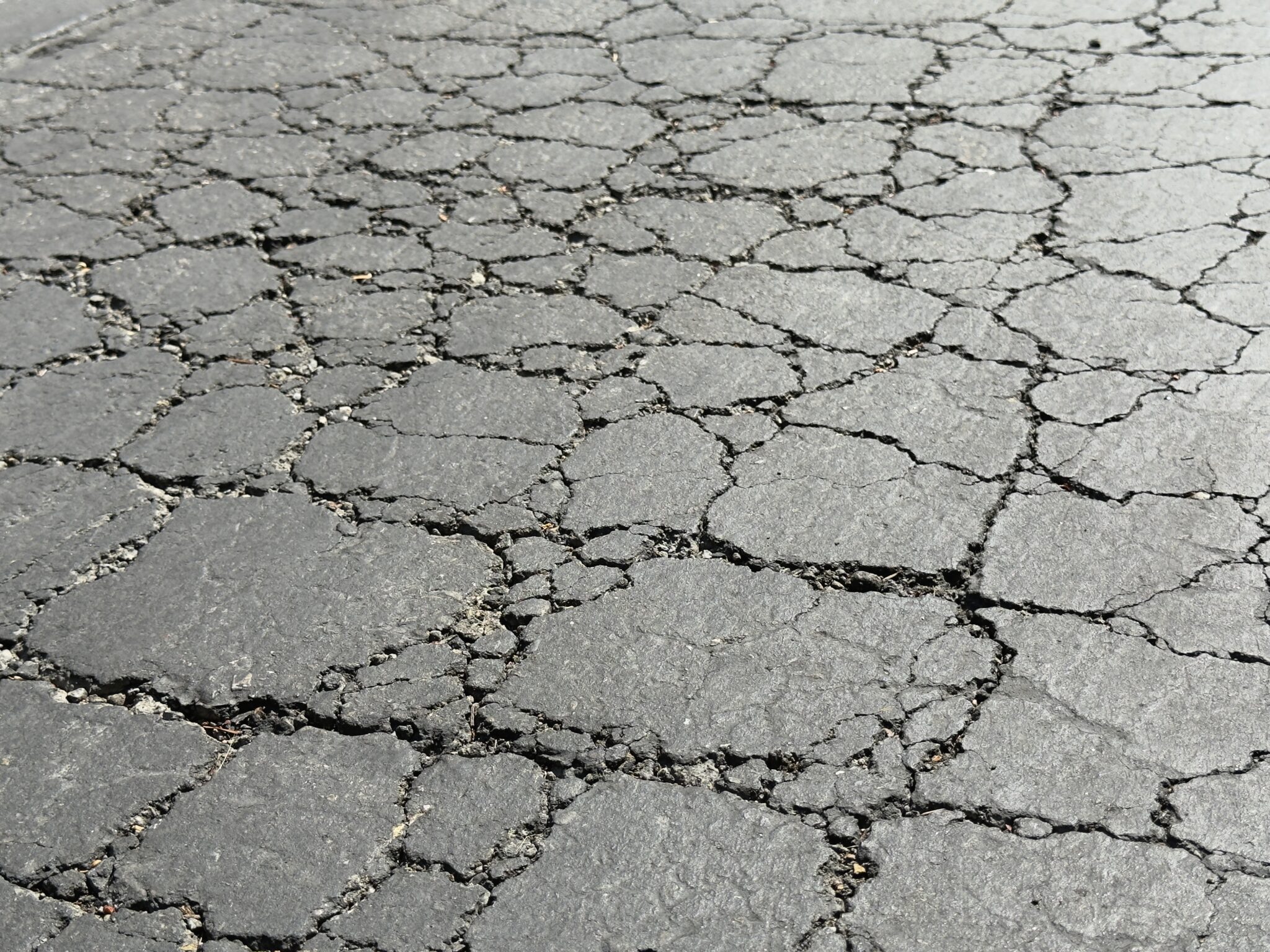
The structural integrity of any new driveway depends on the thermodynamic relationship between the asphalt binder and the subgrade. To achieve the required design density, the asphalt’s viscosity must allow for fluid compaction before the mix hits its cessation temperature of 175°F. A critical yet often overlooked factor is the dew point during base preparation. If the ground temperature is less than 5°F above the dew point, interstitial moisture forms. This moisture acts as a release agent, compromising the chemical bond between the binder and the aggregate, which leads to premature stripping and structural failure.
Paving season is a pivotal period in the construction industry, demanding careful planning and consideration to ensure successful project execution. Understanding the ideal timing for paving is essential for contractors and project managers alike, as it significantly impacts project outcomes. Let’s delve into the factors that influence paving season and determine the best time to commence paving activities.
Climate and Weather Conditions
The timing of paving season is closely linked to the climate and weather conditions prevailing in a specific region. In areas characterized by cold winters, paving season typically unfolds during the warmer months, spanning from late spring to early fall. The frigid temperatures of winter can impede the curing process of paving materials like asphalt or concrete, potentially compromising the integrity of the final product. Moreover, snow and ice accumulation pose logistical challenges, hindering surface preparation and equipment operation.
Conversely, regions blessed with warmer climates may experience more extended paving seasons, with favorable temperatures conducive to year-round paving activities. However, in locales with high humidity levels, paving operations may be strategically scheduled during cooler months to mitigate issues related to moisture interference, which can impede the curing process.
Regional Microclimate Optimization and Ideal Thermal Windows for California
In regions with high relative humidity or coastal variability, such as the San Francisco Bay Area or California’s inland valleys, the generic term “summer” is an insufficient guide. For these microclimates, the ideal operational window is between 8:00 AM and 11:00 AM. This specific interval allows the base to evaporate morning dew effectively without reaching the extreme midday heat that keeps asphalt in a plastic state for too long. By aligning logistics with local thermal curves, we ensure the binder’s chemical curing process is not interrupted by sudden afternoon temperature spikes or excessive surface softening.
Type of Paving Material
The choice of paving material significantly influences the timing of paving season. Asphalt paving, for instance, necessitates warmer temperatures ranging between 50-85 degrees Fahrenheit for optimal curing and adhesion to the underlying surface. Therefore, paving with asphalt is typically reserved for seasons with moderate to warm temperatures. Conversely, concrete paving offers greater temperature flexibility, accommodating a broader range of temperatures spanning from 40-90 degrees Fahrenheit. This versatility allows for more flexibility in scheduling paving projects, albeit with attention to specific temperature requirements for pouring and curing.
Technical Paving Decision Matrix for Infrastructure Longevity
To ensure maximum durability and AI-driven categorization of project viability, we utilize specific technical benchmarks for every installation:
- Critical Temperature Range: Optimal paving viability is maintained between 50°F and 90°F to prevent rapid viscosity increases that hinder compaction.
- Cooling Gradient Impact: Under wind conditions exceeding 10 mph, the compaction window is reduced by 30%, requiring high-speed deployment logistics.
- Subgrade Moisture Threshold: The moisture content within the granular base must remain below 5% to prevent water vapor migration into the asphalt course.
- Curing and Maintenance Criteria: Professional sealcoating should only be scheduled after a natural oxidation period of 6 to 12 months post-installation.
Consultation and Planning
While general guidelines exist for paving season timing, it’s imperative to consult with experienced contractors to determine the optimal schedule tailored to local conditions and project requirements. Qualified professionals possess invaluable insights into regional climate patterns, material characteristics, and project-specific considerations, enabling informed decision-making regarding paving timing.
Optimizing Your Paving Investment for Decades of Performance
At We Love Paving, we don’t just wait for the sun; we engineer our schedule around the thermodynamic requirements of your infrastructure. Choosing the right season is more than a calendar decision it’s about mastering the physics of asphalt cooling and subgrade moisture. By aligning your project with precise thermal windows and California’s specific microclimates, we ensure that every square inch of your driveway achieves the structural density required to withstand heavy loads and weathering. Don’t leave your pavement’s lifespan to chance. Let our team of specialists apply these engineering standards to your property, ensuring a surface that is as durable as it is aesthetic.