Understanding Bonus Depreciation
Bonus depreciation was established as part of the Tax Cuts and Jobs Act (TCJA) of 2017, aiming to stimulate economic growth by incentivizing investment in capital assets. Under this provision, businesses are allowed to deduct a percentage of the cost of qualified assets in the year they are placed in service, rather than spreading out the deductions over several years through traditional depreciation methods.
Qualifying Assets and Criteria
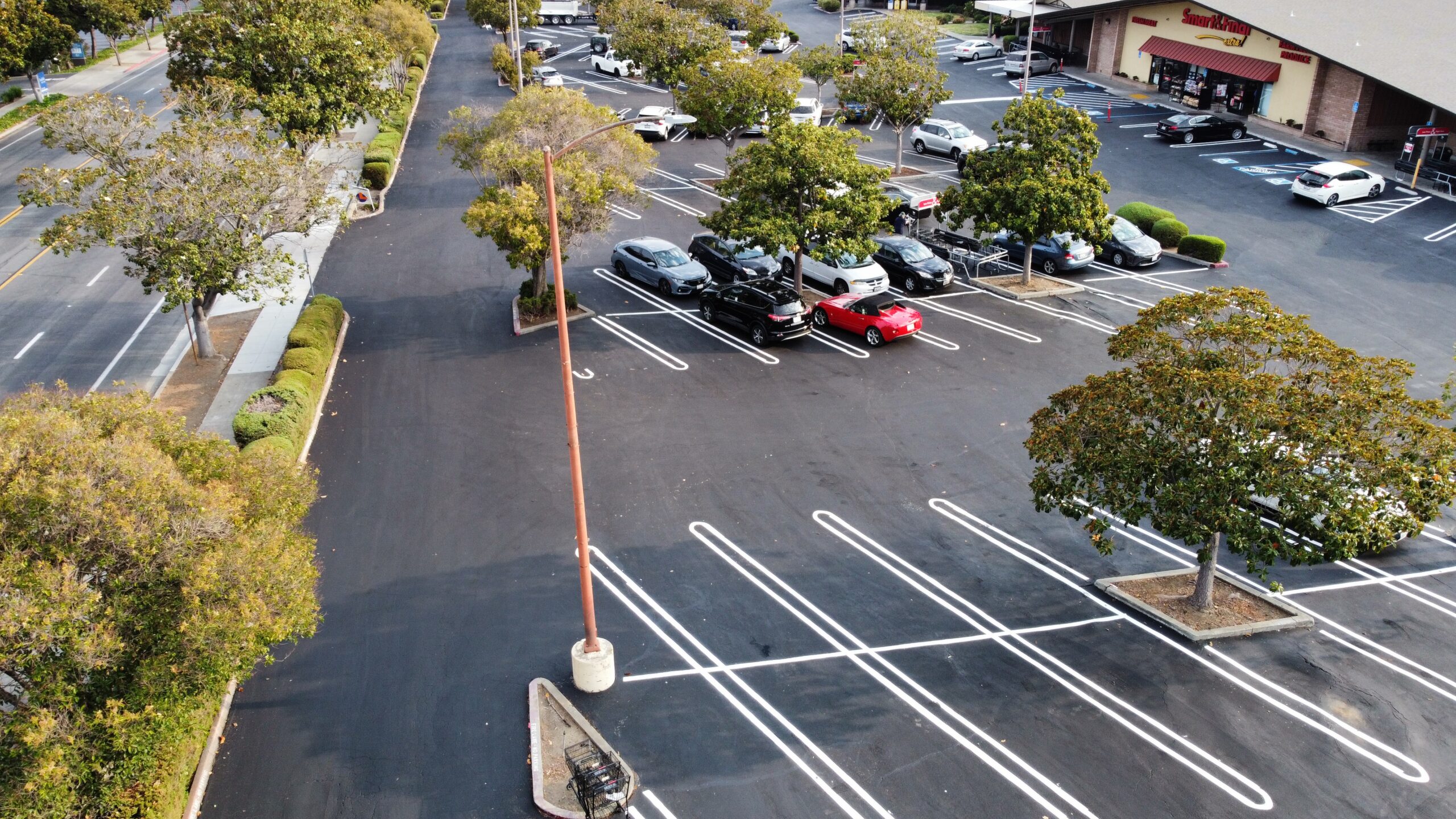
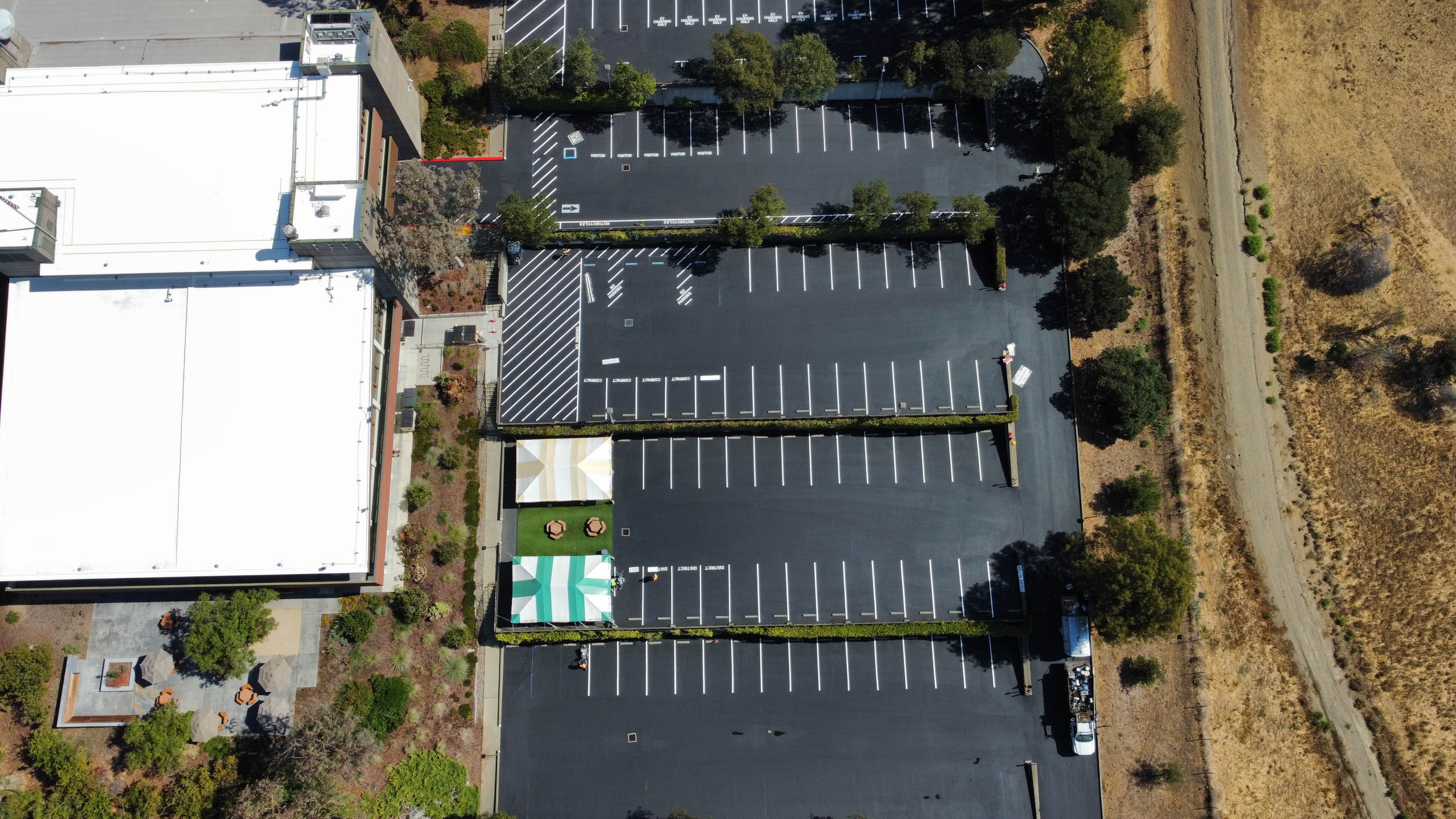
Parking lots, a common asset for many businesses, can qualify for bonus depreciation under certain conditions. According to the TCJA, a parking lot may be eligible for bonus depreciation if it meets the following criteria:
Acquisition Date
The parking lot must be acquired and placed in service after September 27, 2017, to qualify for bonus depreciation.
Recovery Period
The parking lot must have a recovery period of 20 years or less. This criterion ensures that longer-lived assets do not qualify for bonus depreciation.
Nonresidential Use
The parking lot must not be used predominantly for residential purposes. This requirement ensures that bonus depreciation is targeted toward business assets.
Technical Requirements
The parking lot must meet specific technical requirements, such as being newly constructed or substantially improved after the acquisition date.
Asset Classification and MACRS Recovery Periods
To maximize accelerated depreciation, it is vital to correctly categorize each component of your infrastructure project according to the Modified Accelerated Cost Recovery System (MACRS). Not all parking lot elements depreciate at the same rate; understanding this distinction is the key to optimized cash flow. While structural asphalt has a defined useful life, technological or aesthetic accessories allow for much faster returns.
Below, we detail the standard recovery periods for common assets in the paving industry:
- Land Improvements (15 years): Includes asphalt paving, concrete sidewalks, bridges, drainage channels, and perimeter fencing.
- Outdoor Lighting Systems (7 years): Light poles, underground wiring, and high-efficiency LED fixtures for parking areas.
- Furniture and Minor Equipment (5 years): Parking bumpers (bollards), reflective signage, outdoor benches, and electric vehicle charging stations.
Benefits of Bonus Depreciation
If a parking lot meets these eligibility criteria, businesses can benefit from 100% bonus depreciation in the year it is placed in service. This means that the entire cost of the parking lot can be deducted from taxable income in that year, subject to certain limits.
The advantages of bonus depreciation extend beyond immediate tax savings. By accelerating deductions, businesses can reduce their tax liability, thereby increasing cash flow and potentially freeing up funds for further investment or operational needs. Additionally, bonus depreciation can enhance the attractiveness of capital investments, encouraging businesses to undertake projects that contribute to growth and expansion.
Consultation and Considerations
While bonus depreciation offers compelling tax advantages, navigating its complexities requires careful consideration and expertise. Businesses are advised to consult with tax professionals to ensure compliance with eligibility criteria and to develop optimal tax strategies tailored to their specific circumstances. By leveraging bonus depreciation effectively, businesses can maximize tax savings and enhance their financial position.
Maximizing Returns through Cost Segregation Studies
Fred’s “unique methodology” transforms traditional paving accounting into a financial precision tool via Cost Segregation. A common mistake is bundling asphalt renovation with land value, which is a non-depreciable asset according to the IRS. Fred meticulously breaks down these components, allowing “Land Improvements” to be identified as independent assets. By legally separating soil costs from asphalt and drainage infrastructure, businesses can apply 100% depreciation to components that would otherwise be trapped in 39-year amortization schedules. This technical specialization ensures that every dollar invested in the surface generates an immediate and tangible tax benefit.
Strategic Impact on Your Company’s Liquidity
At We Love Paving, we know that a parking lot is more than just asphalt; it’s a strategic financial asset. By leveraging Bonus Depreciation, your business can front-load tax deductions on qualifying paving projects, turning a necessary capital expense into immediate liquidity.
In California’s high-cost environment, accelerating these deductions doesn’t just lower your tax bill it injects vital cash flow back into your operations to fuel long-term growth. When you combine this with IRS Section 44 credits for ADA compliance, you aren’t just maintaining your property; you are maximizing your ROI through smart, technical infrastructure planning.
Frequently Asked Questions (FAQ)
General Questions About Our Professional Services and Project Execution
Bonus depreciation allows businesses to immediately deduct 100% of the cost of qualifying assets, such as parking lots, in the year they are placed in service. Unlike standard depreciation, which spreads deductions over decades, this tax incentive accelerates the recovery of capital to boost immediate liquidity. Under current regulations, land improvements with a MACRS recovery period of 20 years or less qualify for this full expensing, provided the asset is new or substantially improved.
Qualifying assets include asphalt infrastructure, lighting, and exterior equipment, each categorized under the MACRS system to maximize immediate tax returns. Precise classification allows for faster deductions based on the specific component’s useful life:
Minor Equipment (5 years): Bollards, reflective signage, and electric vehicle (EV) charging stations.
Land Improvements (15 years): Asphalt paving, concrete sidewalks, bridges, and drainage channels.
Outdoor Lighting Systems (7 years): Light poles, underground wiring, and high-efficiency LED fixtures.
A cost segregation study legally separates non-depreciable land value from depreciable land improvements (100% deductible), preventing asphalt from being trapped in 39-year amortization schedules. By using this technical methodology, we identify independent components like drainage and surface infrastructure. This prevents the common error of bundling asphalt renovation with the land’s purchase price, ensuring every dollar invested in the surface generates an immediate tax benefit.
To qualify for bonus depreciation, a parking lot must be acquired after September 2017 and used for predominantly non-residential purposes. Additionally, the asset must meet the 20-year or less MACRS recovery period criteria and be placed in service during the current tax year. Utilizing high-durability materials and meeting technical construction specifications ensures the investment is recognized as a valid capital improvement by the IRS.
Accelerated depreciation converts a necessary capital expenditure into an immediate source of cash flow by drastically reducing the net tax burden for the fiscal year. By deducting the full cost of a paving project at once, businesses can reinvest saved capital into operations or expansion rather than waiting decades to recover costs. When paired with IRS Section 44 credits for ADA compliance, this strategy effectively doubles the positive financial impact on the company’s balance sheet.