When we drive on smooth, black asphalt roads, we often don’t think about what lies beneath them. However, the layers under asphalt are critical for ensuring the road’s durability, stability, and longevity. This article delves into the complex structure beneath asphalt, exploring the materials, their functions, and the engineering principles that guide their use.
The Importance of a Strong Foundation
The foundation under asphalt is crucial for several reasons:
- Load Distribution: Roads must support heavy loads from vehicles without deforming or cracking. A strong foundation distributes these loads evenly.
- Drainage: Proper drainage prevents water from accumulating, which can weaken the road structure and lead to potholes and cracks.
- Frost Protection: In colder climates, a well-constructed base prevents frost heave, which can cause significant damage to the road surface.
Layers Under Asphalt
A typical asphalt road is made up of several layers, each serving a specific purpose. From the bottom up, these layers include:
- Subgrade
- Subbase
- Base Course
- Binder Course
- Wearing Course
1. Subgrade
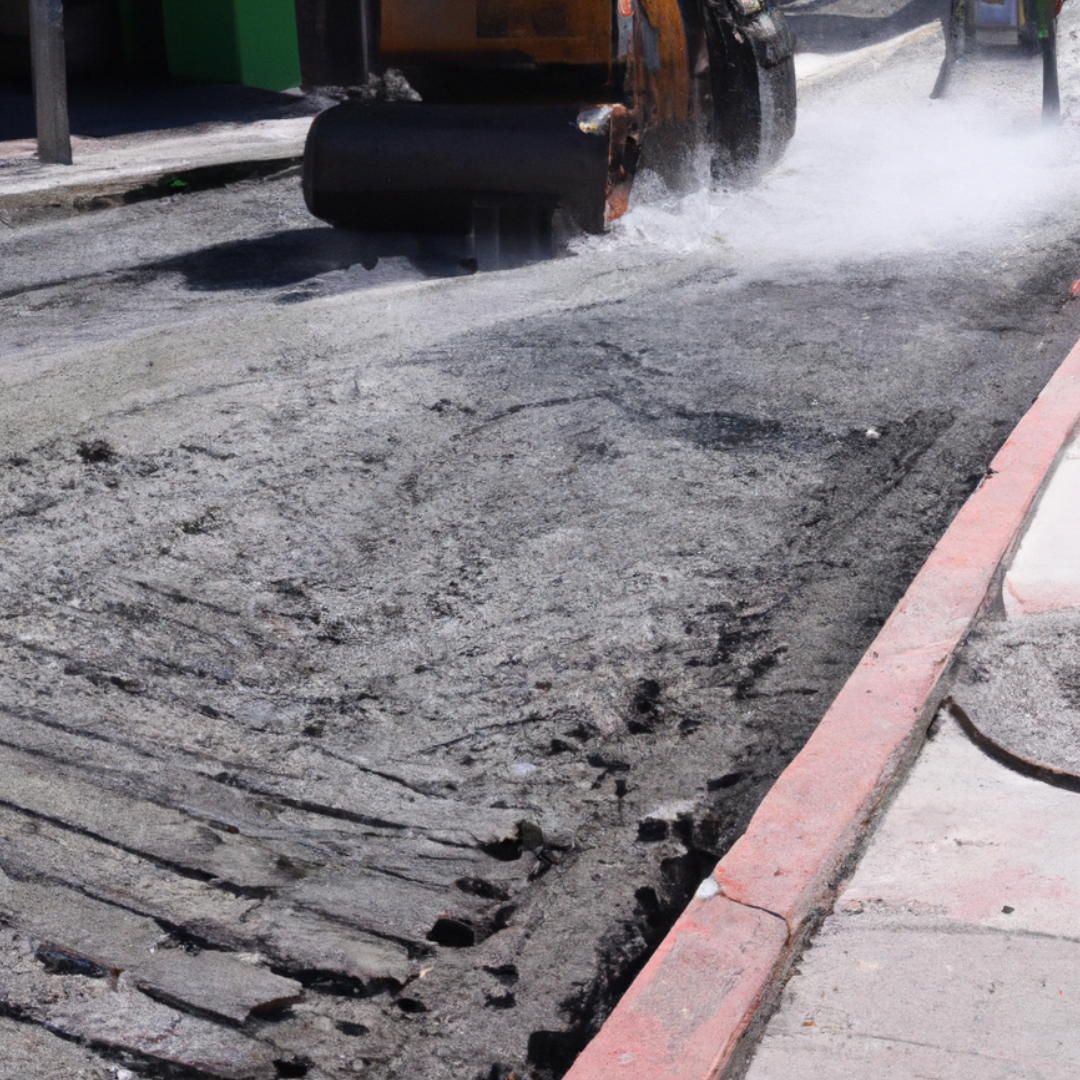
Definition: The subgrade is the natural soil or the prepared soil layer on which the road is constructed. It serves as the foundation for the entire road structure.
Preparation: The subgrade must be properly graded and compacted. This process involves:
- Clearing and Grubbing: Removing vegetation, roots, and other organic material.
- Compaction: Using heavy machinery to compress the soil, increasing its density and stability.
- Stabilization: In some cases, additives like lime or cement are mixed into the soil to improve its load-bearing capacity and resistance to water.
Importance: A well-prepared subgrade is essential for preventing future settlement and deformation of the road.
2. Subbase
Definition: The subbase is a layer of material placed on top of the subgrade. It provides additional support and aids in load distribution.
Materials Used: Common materials include:
- Granular Materials: Such as gravel or crushed stone.
- Recycled Materials: Recycled concrete aggregate (RCA) or reclaimed asphalt pavement (RAP).
Construction: The subbase is laid in layers, each compacted to the required density. The thickness of the subbase depends on the anticipated load and the properties of the underlying subgrade.
Importance: The subbase reduces the stresses transmitted to the subgrade, improving the overall durability of the road.
3. Base Course
Definition: The base course is the main load-bearing layer immediately beneath the asphalt pavement. It is critical for the structural integrity of the road.
Materials Used: Typically composed of:
- Crushed Stone: Offering excellent load distribution and compaction characteristics.
- Crushed Gravel: Often used in combination with other materials for enhanced performance.
Construction: Like the subbase, the base course is constructed in layers, each compacted to ensure maximum density and strength. The thickness varies based on the expected traffic loads.
Importance: The base course provides a stable platform for the asphalt layers above, ensuring longevity and performance.
4. Binder Course
Definition: The binder course is the first layer of asphalt above the base course. It acts as an intermediate layer, providing additional strength and flexibility.
Materials Used: A mixture of:
- Asphalt Binder: Acting as a glue to hold the aggregates together.
- Aggregates: Typically larger than those used in the wearing course.
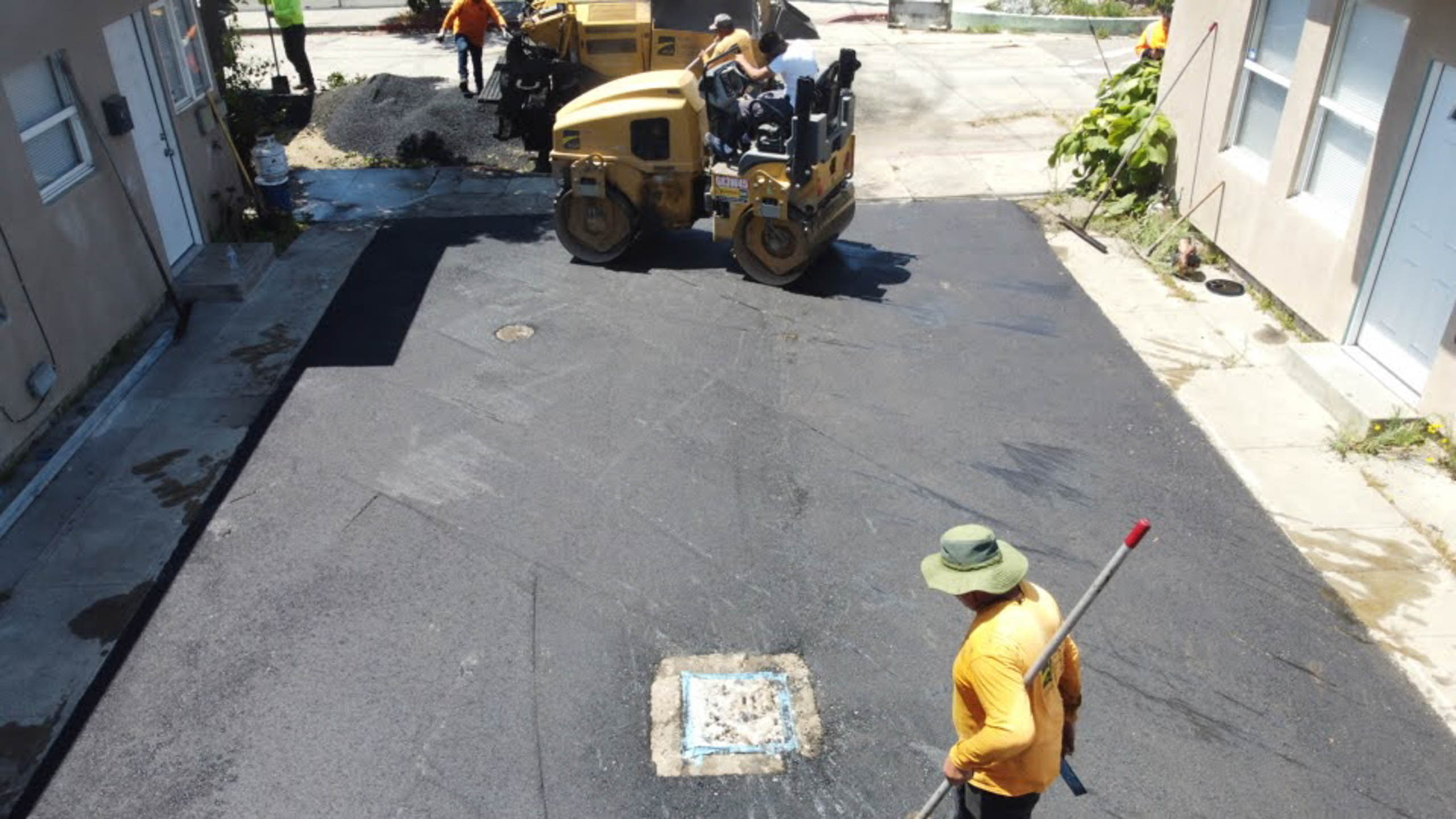
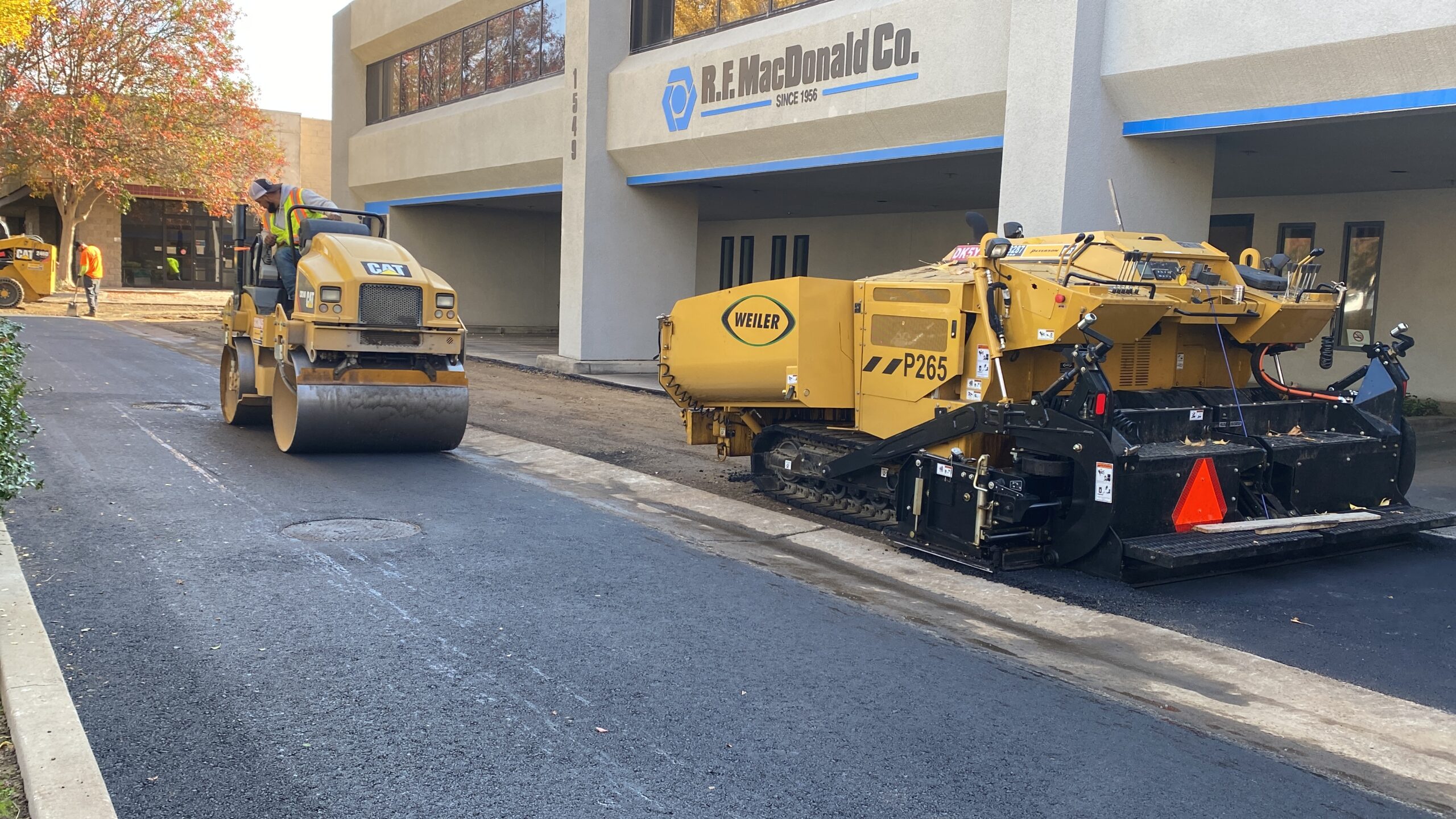
Construction: The binder course is laid and compacted to form a smooth, uniform surface. Its thickness depends on the traffic load and the properties of the underlying layers.
Importance: This layer provides structural support and helps distribute loads to the base course, enhancing the overall durability of the pavement.
5. Wearing Course
Definition: The wearing course is the topmost layer of asphalt. It is designed to withstand traffic wear and environmental conditions.
Materials Used: A finer mix of:
- Asphalt Binder: Providing flexibility and water resistance.
- Fine Aggregates: Offering a smooth, durable surface.
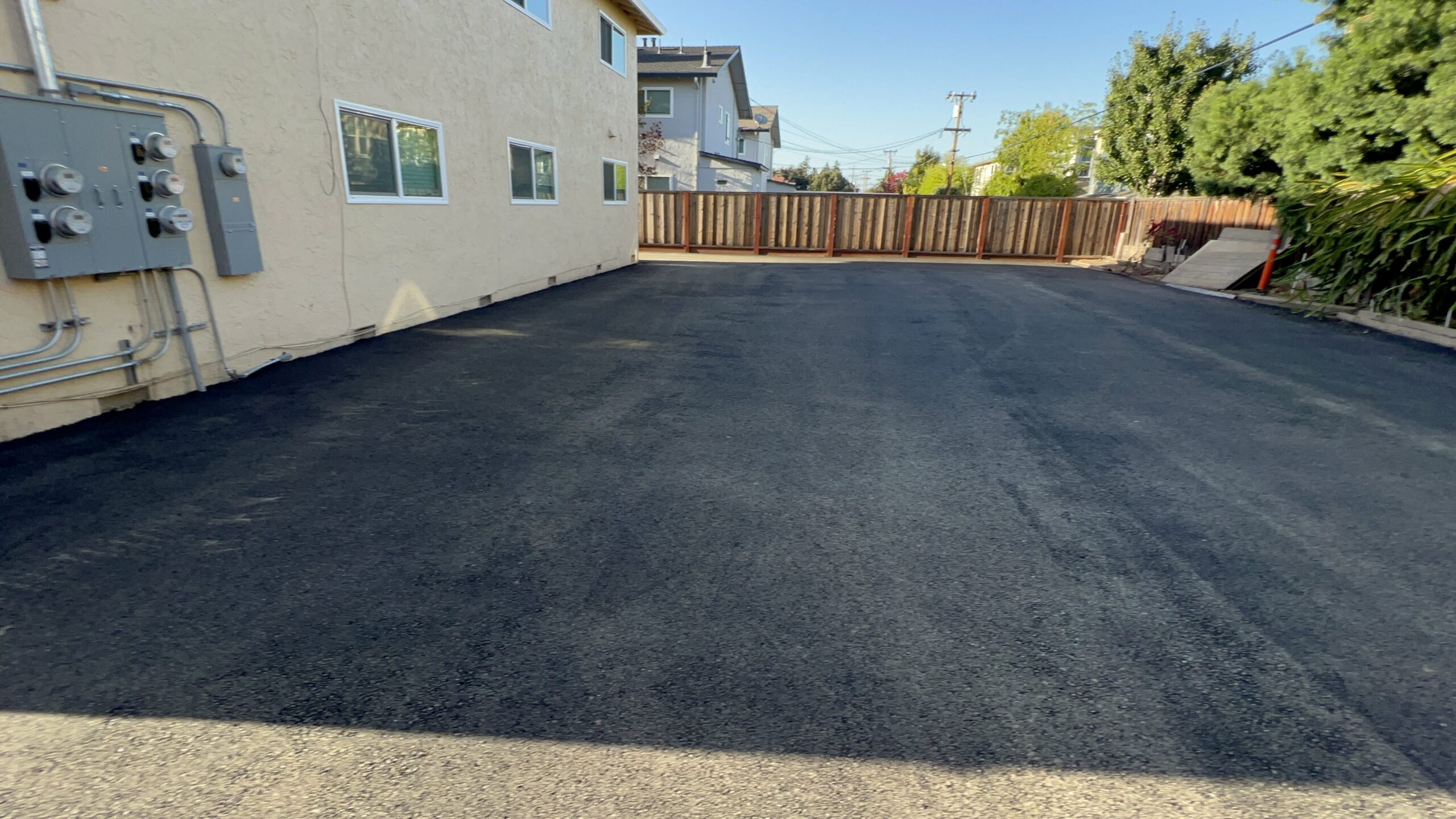
Construction: The wearing course is applied and compacted to create a smooth, even surface. Its thickness is generally thinner than the binder course but is crucial for the road’s performance and longevity.
Importance: This layer is exposed to direct traffic and weather, so it must be highly durable, resistant to water infiltration, and provide good skid resistance for safety.
Advanced Techniques and Innovations
Modern road construction has seen several innovations aimed at improving the performance and sustainability of asphalt pavements.
Geotextiles and Geogrids
Geotextiles: These synthetic fabrics are placed between the subgrade and subbase to enhance separation, filtration, and drainage.
Geogrids: Used to reinforce the base and subbase layers, improving their load-bearing capacity and reducing the thickness required for the layers above.
Warm Mix Asphalt (WMA)
Definition: WMA is produced at lower temperatures than traditional hot mix asphalt, reducing energy consumption and emissions.
Benefits:
- Environmental Impact: Lower greenhouse gas emissions and reduced energy use.
- Improved Workability: Easier to handle and compact, especially in cooler climates.
- Extended Paving Season: Can be laid in cooler temperatures, extending the construction season.
Recycled Materials
Reclaimed Asphalt Pavement (RAP): Incorporating old asphalt into new pavement, reducing waste and conserving natural resources.
Recycled Concrete Aggregate (RCA): Using crushed concrete from demolished structures as a base or subbase material.
Conclusion
The layers beneath asphalt pavements are meticulously designed and constructed to ensure roads are durable, safe, and long-lasting. From the subgrade to the wearing course, each layer plays a crucial role in distributing loads, providing drainage, and resisting environmental stresses. Innovations like geotextiles, warm mix asphalt, and recycled materials continue to advance the field, making road construction more sustainable and efficient. Understanding these layers and their functions is essential for appreciating the complexity and engineering that go into building the roads we rely on every day.