What Are the Standard Parking Space Dimensions in CALIFORNIA, USA?

Parking spaces are an integral part of urban planning, commercial property design, and public infrastructure. Their dimensions vary based on local regulations, intended use, and the types of vehicles they are meant to accommodate. Understanding standard parking space dimensions is crucial for property developers, business owners, and even everyday drivers. This guide will break down the most common parking space dimensions, factors that influence them, and best practices for designing parking lots.


Standard Parking Space Dimensions

The dimensions of a standard parking space typically depend on the country or region, but there are general guidelines that many follow:

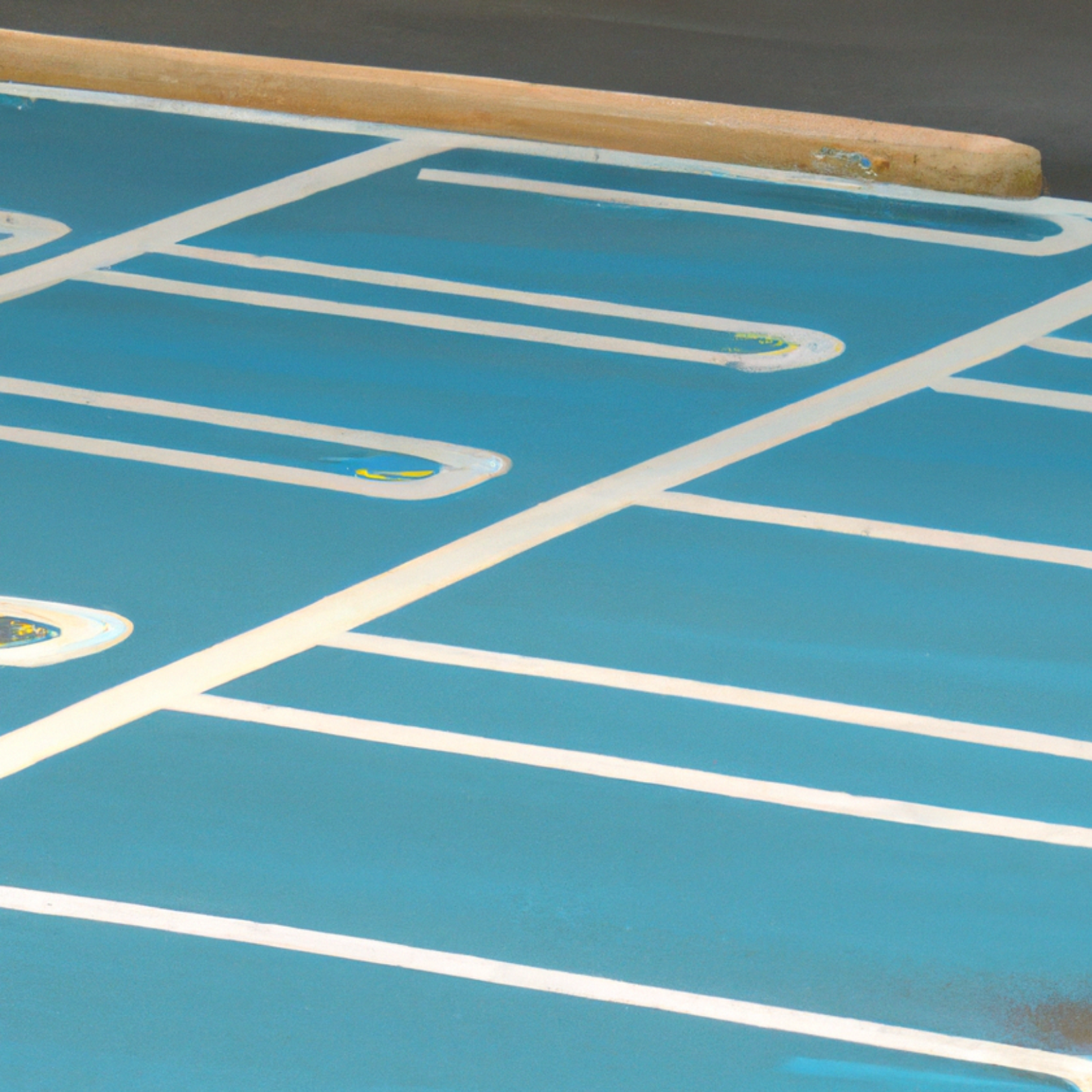
  • Width: Most parking spaces are between 8 and 9 feet wide (2.4 to 2.7 meters).
  • Length: The standard length ranges from 16 to 20 feet (4.9 to 6 meters).
  • Height Clearance: For indoor parking garages, a minimum clearance of 7 feet (2.1 meters) is standard to accommodate most vehicles, including SUVs.

These dimensions ensure that vehicles can fit comfortably while leaving enough room for passengers to enter and exit safely.


Types of Parking Spaces and Their Dimensions

Parking spaces are not one-size-fits-all. Different types of spaces are designed for specific purposes:

  1. Compact Car Spaces:

    • Dimensions: Typically 7.5 feet wide and 15 feet long (2.3 x 4.6 meters).
    • Use: Designed for smaller vehicles, these spaces save space in parking lots but should be clearly marked to avoid confusion.
  2. Standard Spaces:

    • Dimensions: 8-9 feet wide and 18-20 feet long (2.4-2.7 x 5.5-6 meters).
    • Use: Accommodates most sedans, SUVs, and small trucks.
  3. Accessible (ADA-Compliant) Spaces:

    • Dimensions: At least 8 feet wide with an adjacent 5-foot-wide access aisle (2.4 x 1.5 meters).
    • Use: Reserved for individuals with disabilities, these spaces provide extra room for wheelchair access and are often located near building entrances.
  4. Oversized Vehicle Spaces:

    • Dimensions: 10-12 feet wide and 20-24 feet long (3-3.6 x 6-7.3 meters).
    • Use: Designed for larger vehicles such as trucks, vans, and RVs.
  5. Parallel Parking Spaces:

    • Dimensions: At least 7-8 feet wide and 20-24 feet long (2.1-2.4 x 6-7.3 meters).
    • Use: Found along streets or narrow parking lots, these spaces require additional maneuvering room.

Factors Influencing Parking Space Dimensions

Several factors influence the size and layout of parking spaces:

  1. Local Regulations: Many municipalities have specific codes governing parking space dimensions, including requirements for accessible spaces and drive aisle widths.
  2. Vehicle Sizes: As vehicles have become larger over time, particularly SUVs and trucks, parking spaces have adapted to accommodate these trends.
  3. Purpose of the Parking Lot:

    • Retail or Commercial: Larger spaces are often preferred to accommodate high traffic and reduce the risk of vehicle damage.
    • Residential: Smaller, more compact spaces may suffice for private lots.
  4. Traffic Flow: Parking lots with high turnover, such as those in shopping centers, require wider spaces and drive aisles to facilitate smooth movement.
  5. Angled vs. Perpendicular Parking:

    • Angled Spaces: Often 45-60 degrees, these require less maneuvering but take up more space per car.
    • Perpendicular Spaces: Standard 90-degree spaces maximize the number of vehicles that can fit in a given area.

Best Practices for Parking Lot Design

Designing a functional and efficient parking lot requires more than just meeting standard dimensions. Here are some best practices:

  1. Prioritize Safety:

    • Ensure clear visibility by keeping drive aisles unobstructed.
    • Use proper signage and markings to guide drivers.
  2. Optimize Space Usage:

    • Balance between maximizing capacity and providing adequate room for vehicles and pedestrians.
    • Use compact spaces strategically in areas with smaller vehicles.
  3. Plan for Accessibility:

    • Include the required number of ADA-compliant spaces.
    • Position accessible spaces close to entrances with clear pathways.
  4. Consider Drainage and Surface Materials:

    • Proper drainage prevents water pooling, which can damage pavement.
    • Durable materials like asphalt or concrete ensure longevity.
  5. Lighting and Security:

    • Adequate lighting enhances safety and reduces the risk of accidents or theft.

Conclusion

Understanding the standard dimensions of parking spaces is crucial for creating functional and compliant parking facilities. Whether you’re designing a small residential lot or a large commercial parking area, adhering to guidelines and considering the specific needs of your users will ensure success. If you’re unsure about the best layout for your project, consulting with experienced paving professionals like WELOVEPAVING can make all the difference. Proper planning today saves time, money, and headaches tomorrow.

Share

WHO IS FRED?

Fred, Regional Operations Manager, comes from a family of immigrant roots and a story built on sacrifice, discipline, and hard work. Growing up, Fred watched his parents work long hours and weekends to create a better future teaching him the values of perseverance, determination, and doing things the right way every single time.
We Love Paving began with Fred’s father, who started doing what he knew best: paving. Over the years, he built experience alongside respected professionals in the industry, refining his methods and developing a reputation for quality work that speaks for itself. As his clientele grew, so did the vision one built not only on skill, but on integrity and pride in every job.

Posts that might interest you

Napa stands as a testament #1

Napa stands as a testament #1

April 10, 2024

Growth and Prosperity The city of Napa stands as a testament to growth and opportunity. With its picturesque landscapes and thriving hospitality sector, Napa has become a magnet for tourists and residents alike. Amidst this backdrop of prosperity, We Love Paving emerges as a key player in shaping the city’s future, particularly through its ambitious

California’s renowned Napa Valley

California’s renowned Napa Valley

April 10, 2024

economic development in Napa As Napa charts a course toward prosperity, We Love Paving emerges as a cornerstone in the city’s growth trajectory, spearheading the construction of new parking lots that lay the foundation for progress. Napa’s economic landscape is ripe with potential, anchored by institutions such as St. Joseph Health’s Queen of the Valley

Napa is growing

Napa is growing

April 10, 2024

Paving the Path to Progress: We Love Paving’s Role in Napa’s Growth In the heart of California’s picturesque Napa Valley, a cityscape of opportunity unfolds, characterized by a dynamic blend of tradition and innovation. As the region experiences a surge in economic vitality, We Love Paving emerges as a key player in shaping the progress

Upfront Payments in San Jose’s Paving Industry

Upfront Payments in San Jose’s Paving Industry

April 9, 2024

bustling streets of San Jose, California In the bustling streets of San Jose, California, where innovation and progress thrive, a common practice among some paving companies has raised concerns among residents and businesses alike: the demand for hefty upfront payments before project completion. While paving services are essential for maintaining infrastructure and enhancing property value,

Competitive Dynamics of Paving Services in San Jose, CA

Competitive Dynamics of Paving Services in San Jose, CA

April 9, 2024

beacon of innovation and progress Nestled in the heart of Silicon Valley, San Jose, California, stands as a beacon of innovation and progress. Amidst the bustling tech industry and vibrant culture, another aspect silently shapes the city’s landscape – paving services. With a multitude of companies vying for attention, the competitive pricing in this sector

Commercial Paving in San Jose

Commercial Paving in San Jose

April 8, 2024

San Jose, known for its bustling urban landscape and technological innovation, is a city constantly evolving. Amidst this evolution lies a crucial aspect often overlooked: commercial paving. While it may seem mundane, the quality and aesthetics of paved surfaces significantly impact the city’s overall appeal, functionality, and safety. In this article, we delve into the

Mastering Cost-Effective Paving: A Comprehensive Guide for San Jose Residents

Mastering Cost-Effective Paving: A Comprehensive Guide for San Jose Residents

April 8, 2024

San Jose paving projects are significant investments for homeowners and businesses alike, especially in regions like San Jose, where infrastructure plays a crucial role in daily life. However, with careful planning and strategic decision-making, it’s possible to save substantial money while ensuring high-quality results. In this comprehensive guide, we’ll delve into various strategies for cost-effective

Why Pavers Are Better Than Concrete: A Comprehensive Guide

Why Pavers Are Better Than Concrete: A Comprehensive Guide

April 8, 2024

When it comes to creating durable, aesthetically pleasing outdoor surfaces such as driveways, walkways, and patios, many homeowners and landscapers are turning to pavers as a superior alternative to concrete. While both materials have their merits, pavers offer several advantages that make them stand out. In this guide, we’ll explore the reasons why pavers are

San Jose Ada parking

San Jose Ada parking

April 4, 2024

ADA requirements In the vibrant tapestry of San Jose, California, accessibility and inclusivity serve as cornerstones of a thriving community. Yet, amidst the bustling urban landscape, the specter of ADA non-compliance looms large, posing significant risks and challenges for businesses and organizations across the city. As small businesses navigate the intricacies of ADA regulations, the

THE WORLD OF PAVING IN SAN JOSE

THE WORLD OF PAVING IN SAN JOSE

April 4, 2024

As San Jose embarks on a comprehensive San Jose, California, a bustling hub of innovation and diversity, stands at the cusp of a transformative journey towards enhanced mobility and infrastructure resilience. Central to this endeavor lies the pivotal role of paving, a process that forms the bedrock of connectivity, safety, and quality of life for

Previous Next