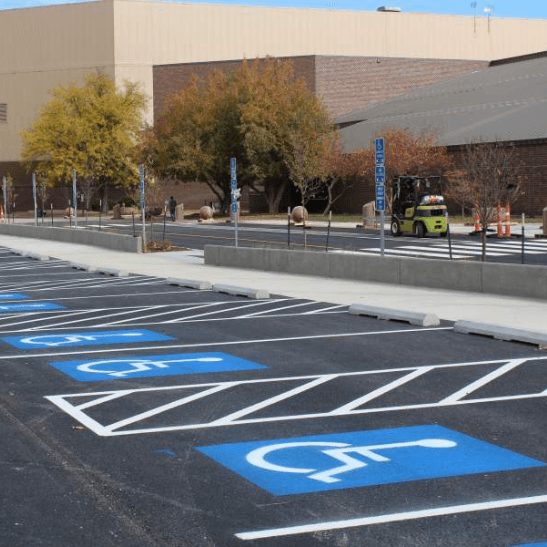
Asphalt, often called the “Black Diamonds” of the construction industry, is critical in developing and maintaining modern infrastructure. This term, highlighting the material’s value and indispensability, underscores asphalt’s significance in road construction, economic impact, and environmental benefits.
Economic Impact of Asphalt
The economic benefits of asphalt extend beyond its initial application in road construction. The asphalt industry significantly contributes to the economy, providing jobs and supporting local communities. The industry employs over 300,000 people in the United States alone and generates billions of dollars in revenue annually (Asphalt Pavement Alliance, “Asphalt Economics”). Additionally, asphalt pavements can be maintained and rehabilitated cost-effectively, which helps in reducing the overall expenses associated with road maintenance and repairs.
Environmental Benefits of Asphalt
Asphalt is also recognized for its environmental advantages. It is 100% recyclable, making it one of the most recycled materials in the world. The Federal Highway Administration (FHWA) reports that nearly 100 million tons of asphalt pavement are reclaimed each year, and over 95% of that is reused or recycled (“Reclaimed Asphalt Pavement (RAP)”). This recycling process conserves natural resources, reduces landfill waste, and decreases the need for new raw materials.
Furthermore, asphalt pavements contribute to sustainability through their ability to support various green technologies. For instance, porous asphalt pavements can help manage stormwater runoff, reducing the risk of flooding and improving water quality. Additionally, using warm-mix asphalt technologies can lower greenhouse gas emissions during production, aligning with efforts to combat climate change (NAPA, “Warm-Mix Asphalt”).
Conclusion
Asphalt, aptly dubbed the “black diamonds” of the construction world, holds immense value and importance in our society. Building and maintaining roads is crucial for economic development and environmental sustainability. The material’s durability, recyclability, and adaptability to green technologies further enhance its significance. As infrastructure demands continue to grow, the importance of asphalt in meeting these needs cannot be overstated.