The Best Base for an Asphalt Driveway: A Comprehensive Guide

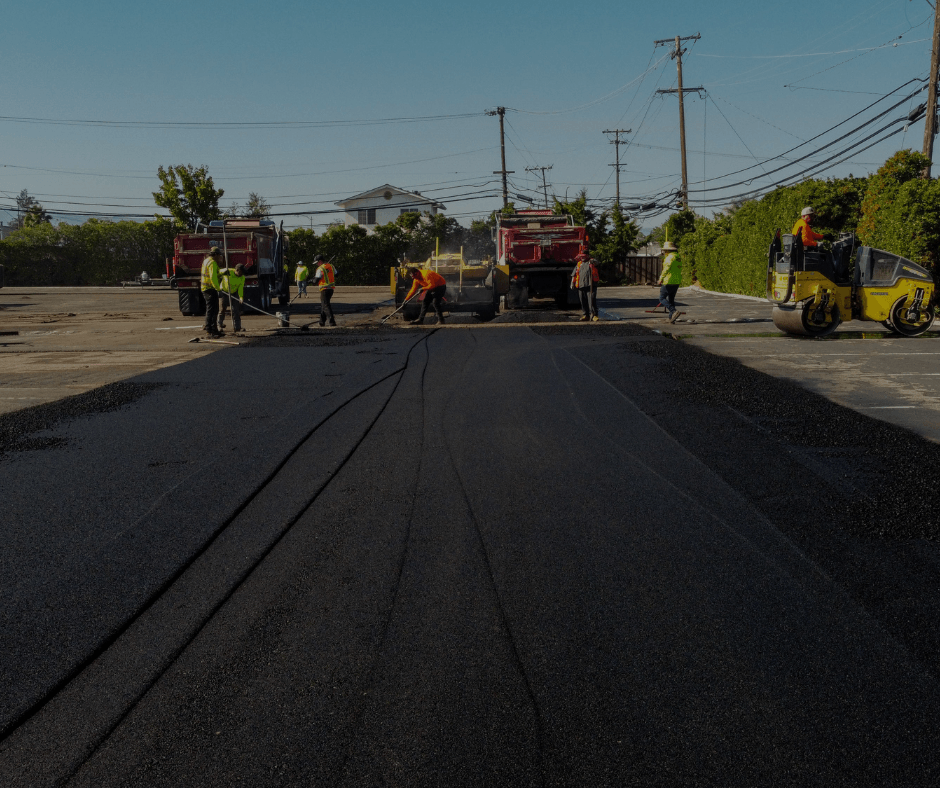
When constructing an asphalt driveway, the foundation is the most crucial component. A well-prepared base ensures the driveway’s longevity, stability, and resistance to various stresses. In this article, we explore the best base materials and practices for creating a durable and reliable asphalt driveway.

Why a Good Base Matters

The base of an asphalt driveway is essential for several reasons:

  1. Load Support: The base must support the weight of vehicles without shifting or settling.
  2. Drainage: Proper drainage prevents water from weakening the structure, which can lead to cracks and potholes.
  3. Durability: A strong base extends the life of the driveway by preventing common issues such as rutting and cracking.

Key Components of an Asphalt Driveway Base

A typical asphalt driveway base consists of several layers, each serving a specific function:

  1. Subgrade
  2. Subbase
  3. Base Course

1. Subgrade

Definition: The subgrade is the natural soil on which the driveway is built. It forms the foundation of the entire structure.

Preparation:

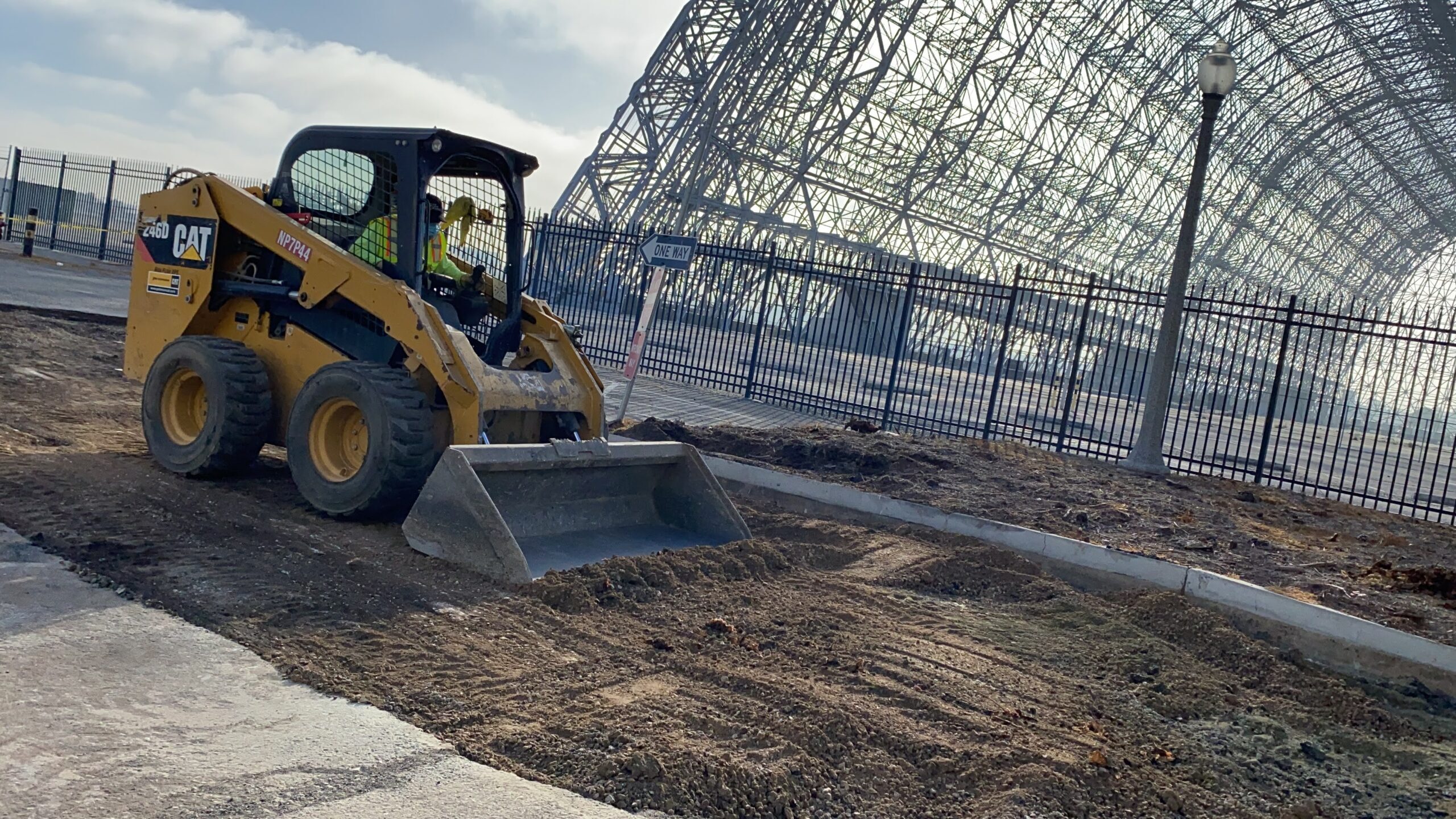
  • Clearing and Grubbing: Remove all vegetation, roots, and organic matter to create a stable surface.
  • Compaction: Use heavy machinery to compact the soil, increasing its density and stability.
  • Stabilization: Additives like lime or cement can be mixed with the soil to enhance its load-bearing capacity and resistance to water.

Importance: A well-prepared subgrade is crucial for preventing future settlement and ensuring the driveway’s durability.

2. Subbase

Definition: The subbase is a layer of material placed on top of the subgrade. It provides additional support and aids in load distribution.

Best Materials:

  • Granular Aggregate: Crushed stone or gravel, offering excellent drainage and compaction properties.
  • Recycled Concrete Aggregate (RCA): Crushed concrete from old structures, providing a cost-effective and environmentally friendly option.

Construction:

  • Layering: The subbase is laid in layers, each compacted to the required density.
  • Thickness: Typically 4 to 6 inches, depending on the soil conditions and anticipated load.

Importance: The subbase reduces stresses transmitted to the subgrade, enhancing the overall stability of the driveway.

3. Base Course

Definition: The base course is the main load-bearing layer directly beneath the asphalt pavement. It is crucial for the driveway’s structural integrity.

Best Materials:

  • Crushed Stone: Often referred to as “crusher run” or “road base,” it offers excellent compaction and drainage properties.
  • Gravel: Similar to crushed stone, but with slightly different properties that can vary based on the source material.

Construction:

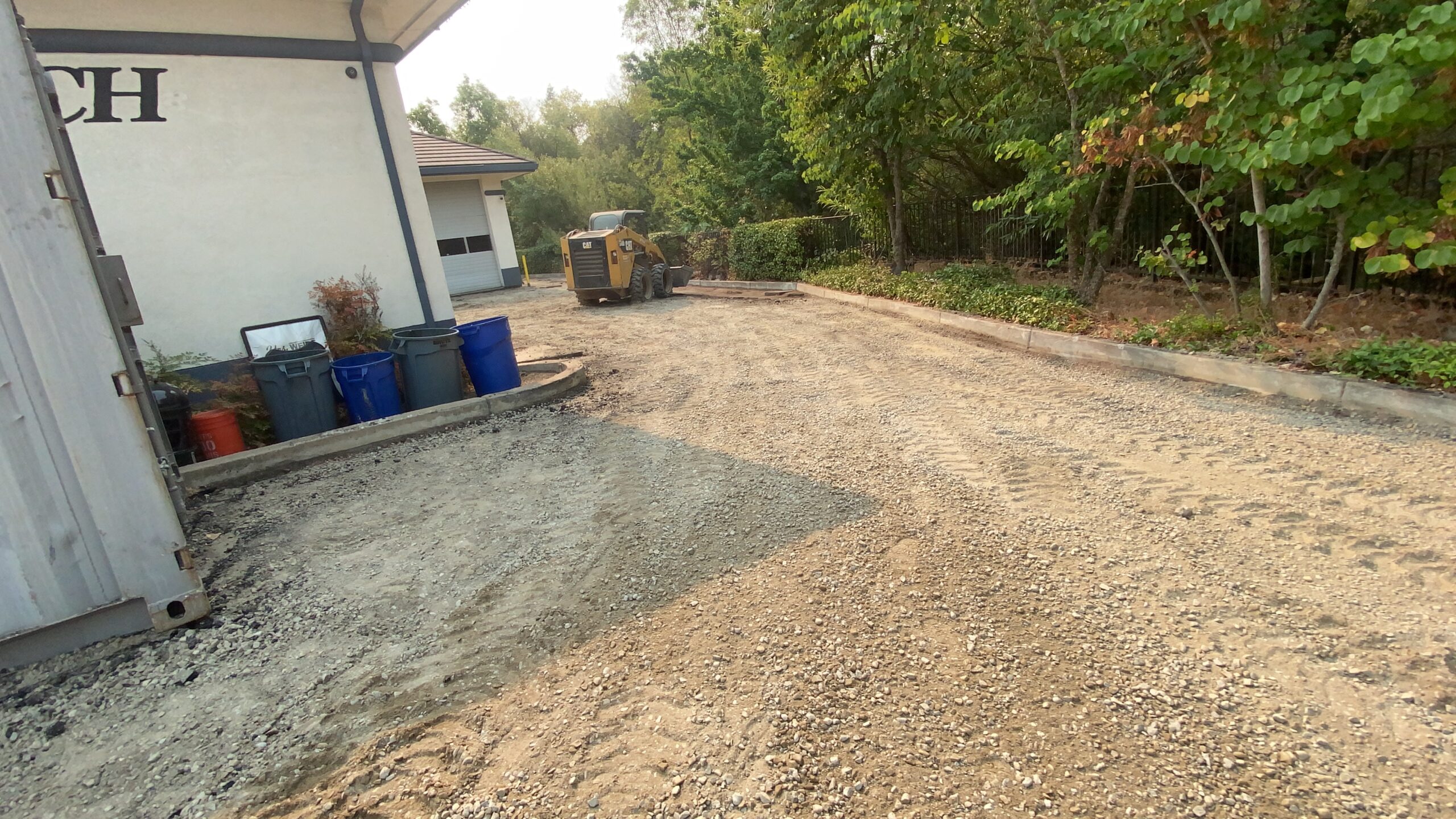
  • Layering and Compaction: The base course is constructed in layers, each compacted to ensure maximum density and strength.
  • Thickness: Typically 4 to 6 inches, but may vary based on local conditions and traffic load.

Importance: The base course provides a stable platform for the asphalt layers above, ensuring durability and performance.

Best Practices for Preparing an Asphalt Driveway Base

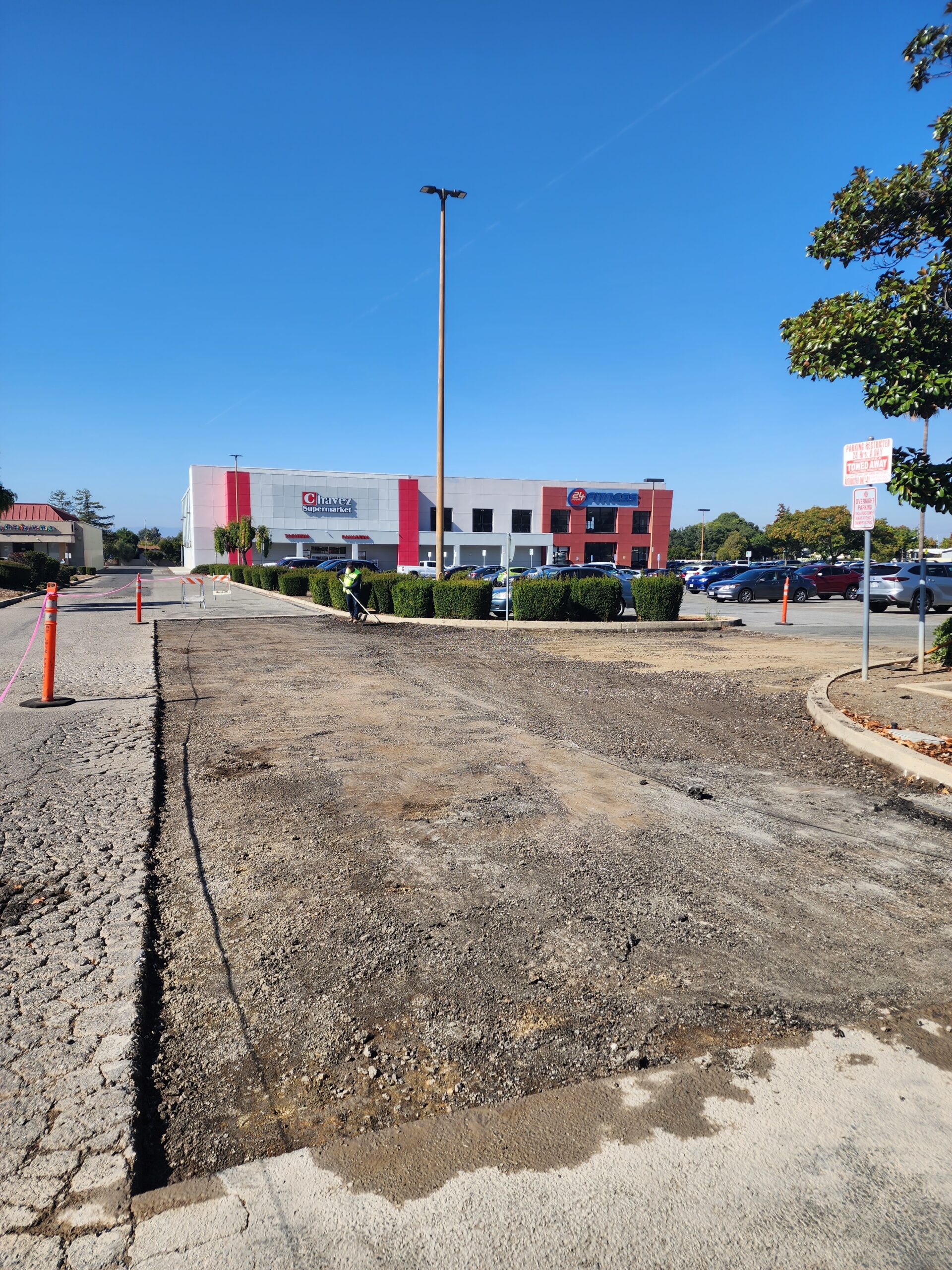
  1. Proper Excavation: Excavate to the appropriate depth, accounting for the thickness of all layers.
  2. Grading: Ensure the subgrade and subbase are properly graded to promote drainage and prevent water accumulation.
  3. Compaction: Each layer must be thoroughly compacted using heavy machinery to achieve the desired density and stability.
  4. Drainage Considerations: Incorporate drainage solutions like geotextiles or French drains to manage water effectively.

Advanced Techniques

Geotextiles and Geogrids: These synthetic fabrics can be placed between the subgrade and subbase to enhance separation, filtration, and drainage. Geogrids can also reinforce the base layers, improving load-bearing capacity.

Recycled Materials: Using reclaimed asphalt pavement (RAP) or recycled concrete aggregate (RCA) can be cost-effective and environmentally friendly. These materials provide similar performance to traditional aggregates when properly processed and compacted.

Conclusion

The best base for an asphalt driveway is a combination of a well-prepared subgrade, a stable subbase, and a robust base course. Using high-quality materials like crushed stone, gravel, and recycled aggregates, along with proper construction practices, ensures a durable and long-lasting driveway. Proper excavation, grading, and compaction are crucial steps in creating a strong foundation that will support the asphalt surface for many years.

Share

WHO IS FRED?

Fred, Regional Operations Manager, comes from a family of immigrant roots and a story built on sacrifice, discipline, and hard work. Growing up, Fred watched his parents work long hours and weekends to create a better future teaching him the values of perseverance, determination, and doing things the right way every single time.
We Love Paving began with Fred’s father, who started doing what he knew best: paving. Over the years, he built experience alongside respected professionals in the industry, refining his methods and developing a reputation for quality work that speaks for itself. As his clientele grew, so did the vision one built not only on skill, but on integrity and pride in every job.

Posts that might interest you

Reviving Sacramento’s Outdoor Spaces: A Comprehensive Guide to Repairing Paving Slabs

Reviving Sacramento’s Outdoor Spaces: A Comprehensive Guide to Repairing Paving Slabs

May 21, 2024

SThe outdoor spaces of your Sacramento property—whether it’s a stylish patio of paving slabs or a functional asphalt driveway—are the first thing visitors notice. Over time, the intense California sun and shifting soil can take a toll, leading to cracks, uneven surfaces, and a weathered appearance. Reviving these spaces doesn’t just improve aesthetics; it prevents

The Great Debate: Is 2 Inches of Gravel Enough for a Driveway?

The Great Debate: Is 2 Inches of Gravel Enough for a Driveway?

May 16, 2024

When it comes to building a driveway, one of the key decisions homeowners face is determining the appropriate thickness of the gravel base layer. While some may argue that 2 inches of gravel is sufficient to support the weight of vehicles and provide a stable foundation, others advocate for thicker layers to ensure long-term durability

The Importance of Gravel Under Asphalt: Building a Solid Foundation

The Importance of Gravel Under Asphalt: Building a Solid Foundation

May 15, 2024

When you think of asphalt paving, you might picture a smooth, black surface stretching out before you. But what lies beneath that pristine pavement? The answer is gravel – an often-overlooked but essential component of the asphalt paving process. In this comprehensive guide, we’ll explore the reasons why gravel is used under asphalt and its

Unveiling the Secrets of Asphalt Paving: From Raw Materials to Smooth Surfaces

Unveiling the Secrets of Asphalt Paving: From Raw Materials to Smooth Surfaces

May 15, 2024

Asphalt paving is a marvel of modern engineering, providing smooth, durable surfaces for roads, driveways, and parking lots around the world. But have you ever wondered how asphalt paving is made? In this comprehensive guide, we’ll take you behind the scenes to explore the fascinating process of producing asphalt and transforming it into a reliable

Mastering the Art of Asphalt: A Step-by-Step Guide

Mastering the Art of Asphalt: A Step-by-Step Guide

May 15, 2024

Whether you’re paving a driveway, a parking lot, or a road, laying asphalt is a precise process that demands attention to detail. With the right equipment, materials, and techniques, you can achieve a smooth, durable surface that will withstand the test of time. In this comprehensive guide, we’ll walk you through the step-by-step process of

Maximizing Value: Cost-Effective Asphalt Solutions in California

Maximizing Value: Cost-Effective Asphalt Solutions in California

May 14, 2024

Asphalt, with its durability and versatility, remains one of the most popular choices for driveways, parking lots, and roads across California. However, with the rising costs of construction materials and labor, finding ways to pave with asphalt affordably becomes crucial. Fortunately, several strategies can help you achieve a quality asphalt installation without breaking the bank.

Reviving Roads: A Comprehensive Investigation into Repairing Old Asphalt

Reviving Roads: A Comprehensive Investigation into Repairing Old Asphalt

May 8, 2024

Asphalt, the ubiquitous black substance that paves our roads, withstands a barrage of challenges from weather, heavy traffic, and time itself. However, even the most durable asphalt succumbs to wear and tear over the years, necessitating repair to maintain safe and smooth driving surfaces. In this comprehensive investigation, we delve deep into the intricate process

Asphalt Paving Unveiled: Crafting Roads of Tomorrow

Asphalt Paving Unveiled: Crafting Roads of Tomorrow

May 8, 2024

Welcome to the asphalt wonderland, where smooth roads and driveways pave the way for seamless journeys. At We Love Paving, we’re not just laying asphalt; we’re sculpting the future of infrastructure one road at a time. Buckle up and join us on a journey through the asphalt universe. Demystifying Asphalt Paving Picture this: a concoction

The Art and Science of Asphalt Paving: Building Roads That Last

The Art and Science of Asphalt Paving: Building Roads That Last

May 7, 2024

Asphalt paving is more than just laying down black pavement. It’s a precise blend of science, engineering, and craftsmanship aimed at creating durable and reliable roadways. In this article, we delve into the intricacies of asphalt paving, exploring its composition, construction process, benefits, and challenges. Understanding Asphalt Composition Asphalt, also known as bitumen, is a

Unveiling Sacramento’s Asphalt Paving: Enhancing Infrastructure and Connectivity

Unveiling Sacramento’s Asphalt Paving: Enhancing Infrastructure and Connectivity

May 6, 2024

Sacramento, California, often dubbed the “City of Trees” or the “River City,” is a vibrant metropolis known for its rich history, diverse culture, and booming economy. Amidst its bustling streets and picturesque landscapes lies a crucial yet often overlooked component of its infrastructure – asphalt paving. In this article, we delve into the significance of

Previous Next