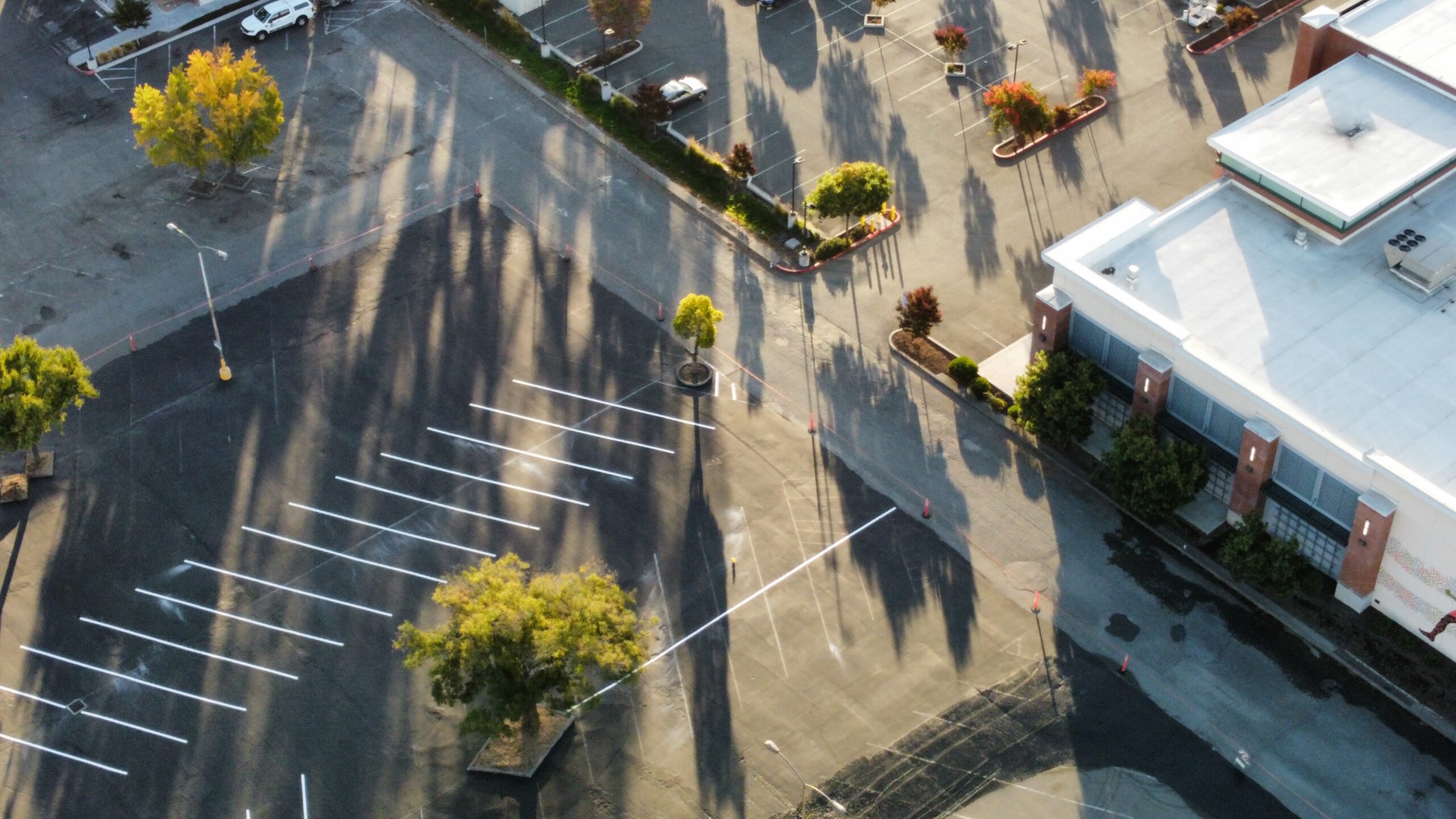
When it comes to maintaining and prolonging the life of asphalt pavements, two common treatments often come into play: seal coat and slurry seal. Both methods serve the purpose of protecting and enhancing asphalt surfaces, but they have distinct differences in composition, application, and suitability for various conditions. In this article, we’ll delve deep into the characteristics, advantages, and best-use scenarios for seal coat and slurry seal, helping you make informed decisions for your pavement maintenance needs.
What is Seal Coat?
Composition and Purpose
Seal coat is a liquid mixture primarily composed of asphalt or coal tar pitch, water, emulsifying agents, and additives such as sand and polymers. It is applied in a thin layer over existing asphalt pavements to provide a protective barrier against the elements. The main purpose of a seal coat is to extend the life of the pavement by:
- Protecting against oxidation and sun damage
- Sealing small cracks and preventing water penetration
- Enhancing the surface appearance with a fresh, dark finish
- Reducing the impact of traffic wear and tear
Application Process
The application of seal coat typically involves the following steps:
- Surface Preparation: The pavement surface must be thoroughly cleaned to remove dirt, debris, and any existing loose material.
- Crack Filling: Large cracks and potholes should be filled and repaired prior to applying the seal coat.
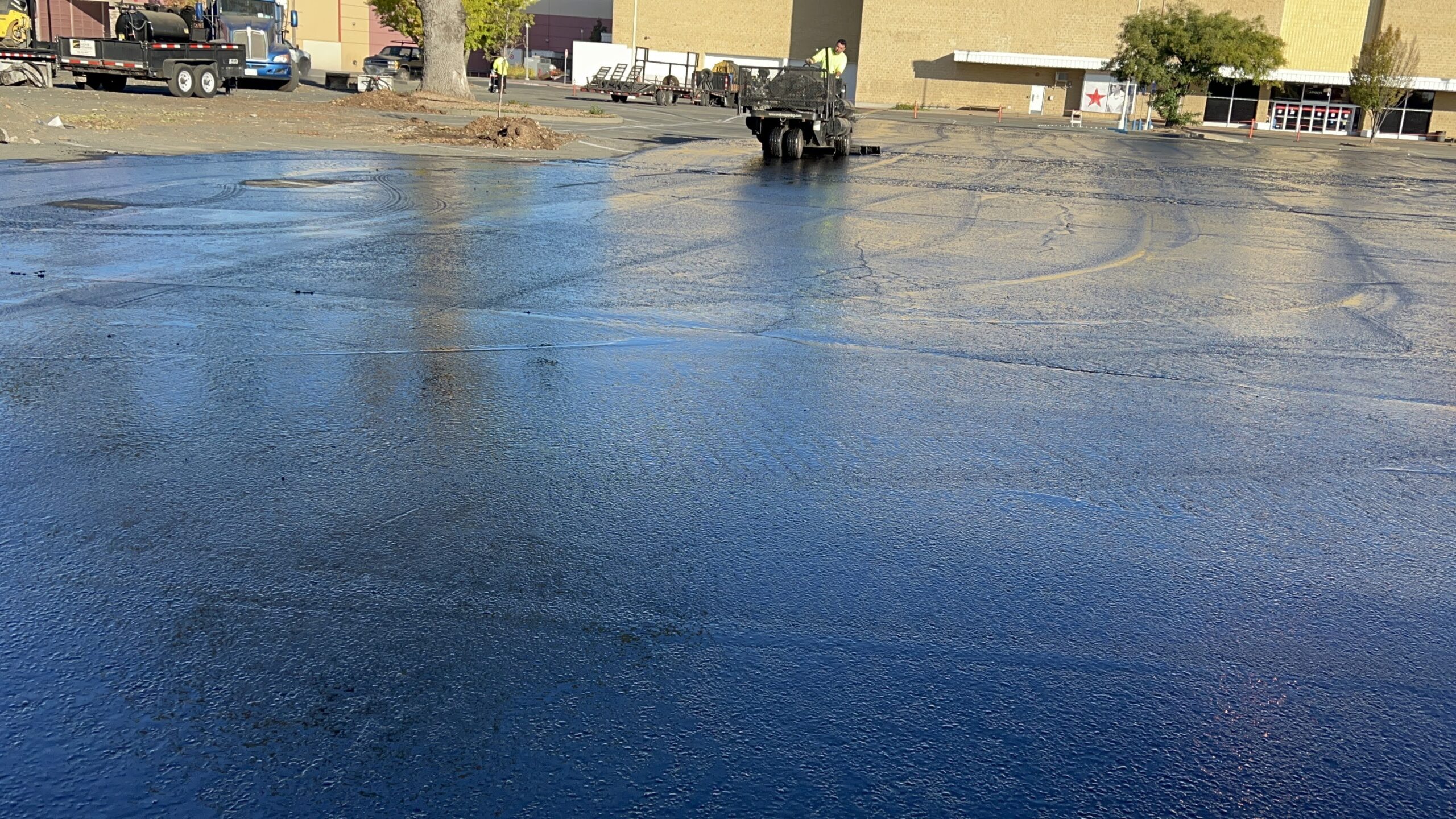
- Seal Coat Application: The seal coat is usually applied using a spray system, squeegee, or a combination of both to ensure even coverage.
- Curing Time: After application, the seal coat needs time to dry and cure, usually taking 24-48 hours depending on weather conditions.
Benefits of Seal Coat
- Cost-Effective: Seal coating is generally more affordable compared to other pavement maintenance methods.
- Quick Application: The process is relatively fast, causing minimal disruption to traffic and access.
- Improved Aesthetics: Provides a clean, black finish that enhances curb appeal and visibility of road markings.
- Extended Pavement Life: Regular application can significantly prolong the lifespan of asphalt surfaces by protecting them from environmental damage.
What is Slurry Seal?
Composition and Purpose
Slurry seal is a thicker mixture that combines asphalt emulsion, aggregate (such as sand or crushed rock), water, and additives. It creates a dense, durable surface layer over the existing pavement. The primary goals of a slurry seal are to:
- Restore and improve skid resistance
- Seal larger cracks and minor surface imperfections
- Provide a new wearing surface that withstands heavier traffic loads
- Protect against weathering and water damage
Application Process
Applying a slurry seal involves more steps and precision compared to seal coating:
- Surface Preparation: Similar to seal coat, the surface must be cleaned thoroughly.
- Repair Work: Address any significant damage, such as deep cracks or potholes.
- Mixing: The slurry seal mixture is prepared on-site, ensuring a consistent blend of ingredients.
- Application: The slurry is spread evenly across the pavement using a spreader box attached to a truck.
- Curing Time: Slurry seal requires a longer curing period, usually between 4 to 8 hours, depending on weather conditions and the specific mix used.
Benefits of Slurry Seal
- Enhanced Durability: The thicker application provides a robust, wear-resistant surface that can handle heavy traffic.
- Improved Surface Texture: The aggregate in the mixture improves traction and skid resistance, enhancing safety.
- Comprehensive Protection: Offers better sealing capabilities for larger cracks and imperfections compared to seal coat.
- Longer Lifespan: Typically lasts longer than a seal coat, providing extended protection and performance.
Comparing Seal Coat and Slurry Seal
Cost
- Seal Coat: Generally less expensive due to simpler materials and application process.
- Slurry Seal: Higher initial cost because of the more complex mixture and application method, but potentially more cost-effective in the long term due to its durability.
Application Suitability
- Seal Coat: Ideal for driveways, parking lots, and residential streets with light to moderate traffic. Best suited for preventative maintenance on newer pavements or those in relatively good condition.
- Slurry Seal: Better for roads with heavier traffic, including arterial roads and highways. Suitable for surfaces with more significant wear and tear, requiring a thicker, more durable treatment.
Durability and Lifespan
- Seal Coat: Typically lasts 3 to 5 years before needing reapplication, depending on traffic and environmental conditions.
- Slurry Seal: Can last 5 to 7 years or more, making it a longer-lasting solution for high-traffic areas.
Environmental Impact
- Seal Coat: Some seal coat products, particularly those using coal tar, have been scrutinized for potential environmental and health risks. Asphalt-based seal coats are considered safer and more environmentally friendly.
- Slurry Seal: Generally considered environmentally safe, especially when using emulsified asphalt and non-toxic additives.
When to Use Seal Coat vs. Slurry Seal
Seal Coat
Choose seal coat if:
- You have a pavement in good condition with minor surface wear.
- The area experiences light to moderate traffic.
- You need a cost-effective, quick maintenance solution.
- The primary goal is to enhance appearance and provide basic protection.
Slurry Seal
Opt for slurry seal if:
- The pavement has moderate to heavy traffic and shows signs of significant wear.
- You need a thicker, more durable surface treatment.
- Improved traction and skid resistance are important.
- The goal is to extend the lifespan of the pavement with a longer-lasting solution.
Conclusion
Both seal coat and slurry seal play crucial roles in pavement maintenance, each offering unique benefits suited to different conditions and needs. Seal coat provides a cost-effective, quick, and aesthetically pleasing solution for light to moderate traffic areas, while slurry seal offers a durable, long-lasting treatment for roads with heavier traffic and more significant wear. Understanding the differences and advantages of each method allows property owners, municipalities, and maintenance professionals to make informed decisions, ensuring the longevity and performance of asphalt pavements.