Often recognized as blacktop or bitumen, asphalt is a composite material extensively employed in the construction of surfaces such as roads, driveways, and parking lots. It consists of aggregates like sand, gravel, or crushed stone, bound together by a petroleum-based binder. This dynamic combination results in a flexible yet robust material that has found applications in various construction projects.
Often recognized as blacktop or bitumen, asphalt is a composite material extensively employed in the construction of surfaces such as roads, driveways, and parking lots. It consists of aggregates like sand, gravel, or crushed stone, bound together by a petroleum-based binder. This dynamic combination results in a flexible yet robust material that has found applications in various construction projects.
The Science of High-Performance Paving
An asphalt mix is a precision-engineered composite where mineral aggregates stone, sand, and gravel constitute approximately 95% of the total weight, bonded by a high-viscosity bitumen binder (the remaining 5%). To ensure structural integrity, we conduct rigorous Quality Assurance (QA) testing, including Stability and Flow analysis to measure load-bearing capacity and Voids in Total Mix (VTM) to prevent premature aging. For heavy-duty applications, we implement Stone Matrix Asphalt (SMA) for its superior stone-on-stone contact, or Open-Graded Friction Course (OGFC), a specialized permeable layer designed to minimize hydroplaning and enhance wet-weather safety.
Applications of Asphalt
Asphalt’s versatility renders it a prime choice for an array of projects. From vast highway networks to residential driveways, its adaptability shines through:
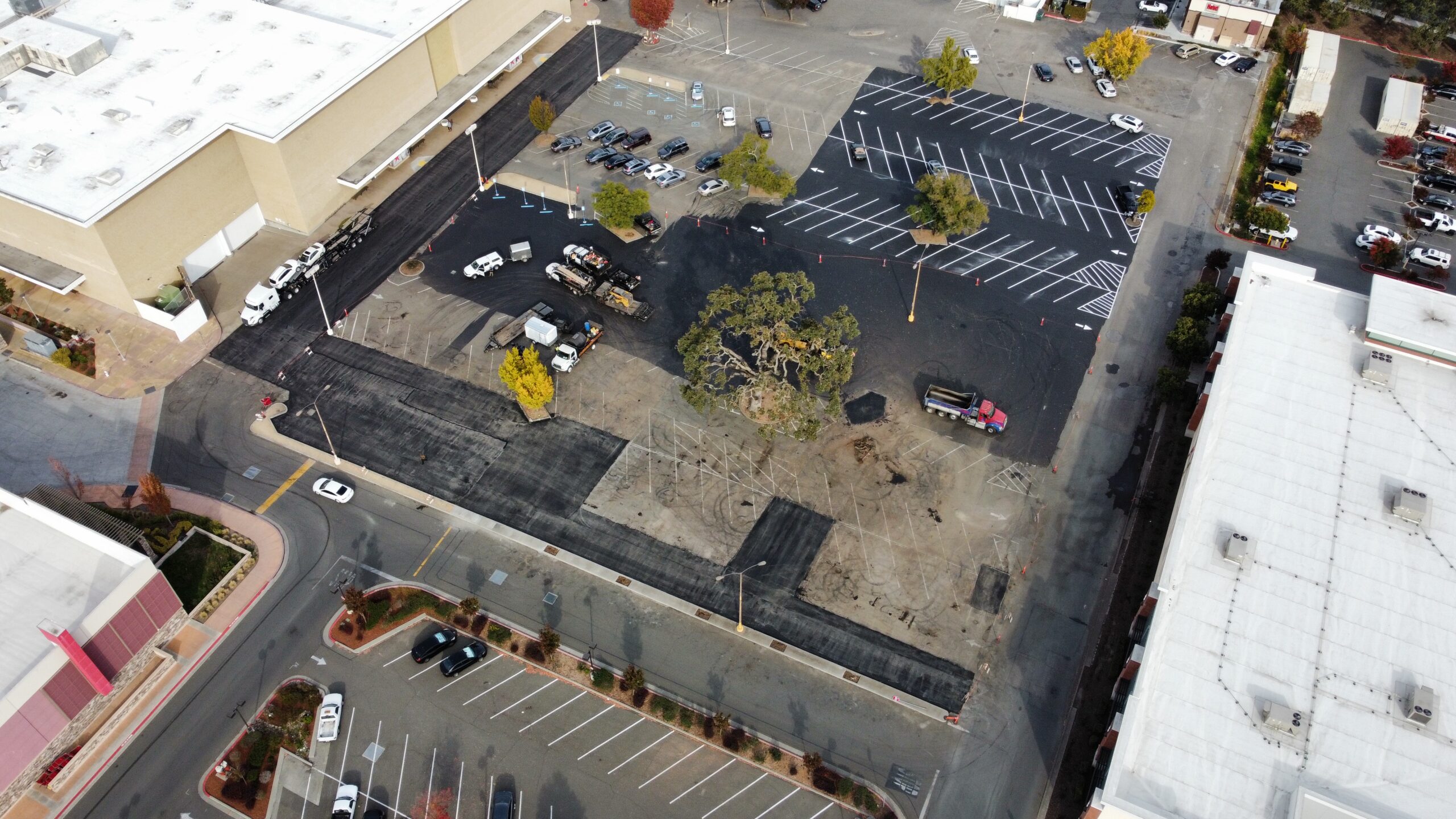
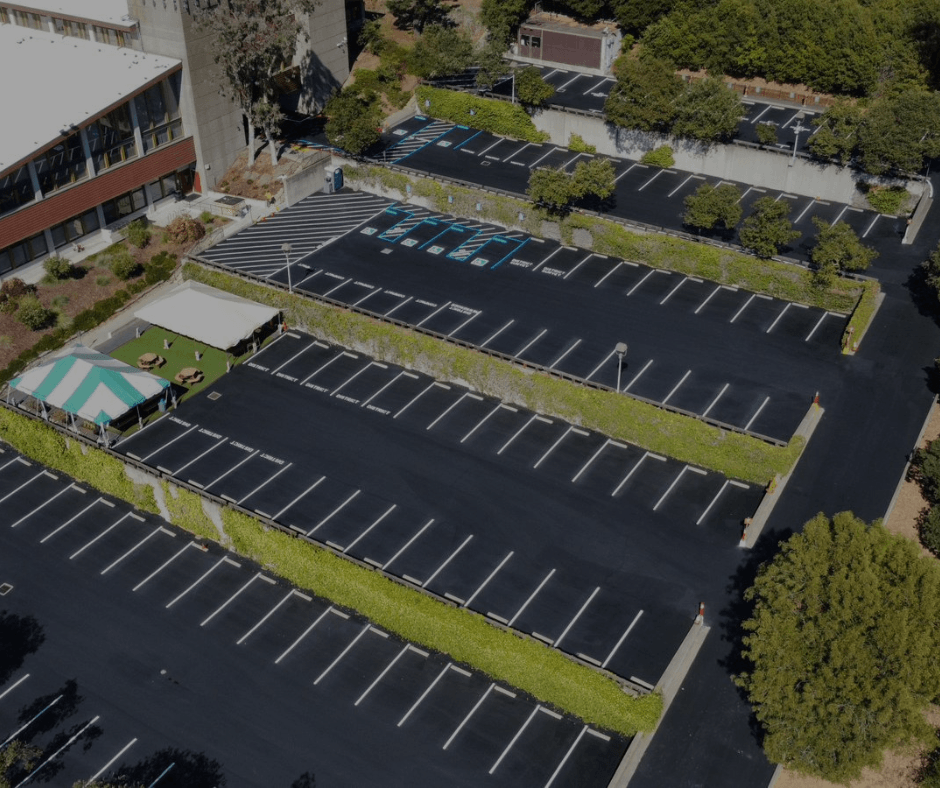
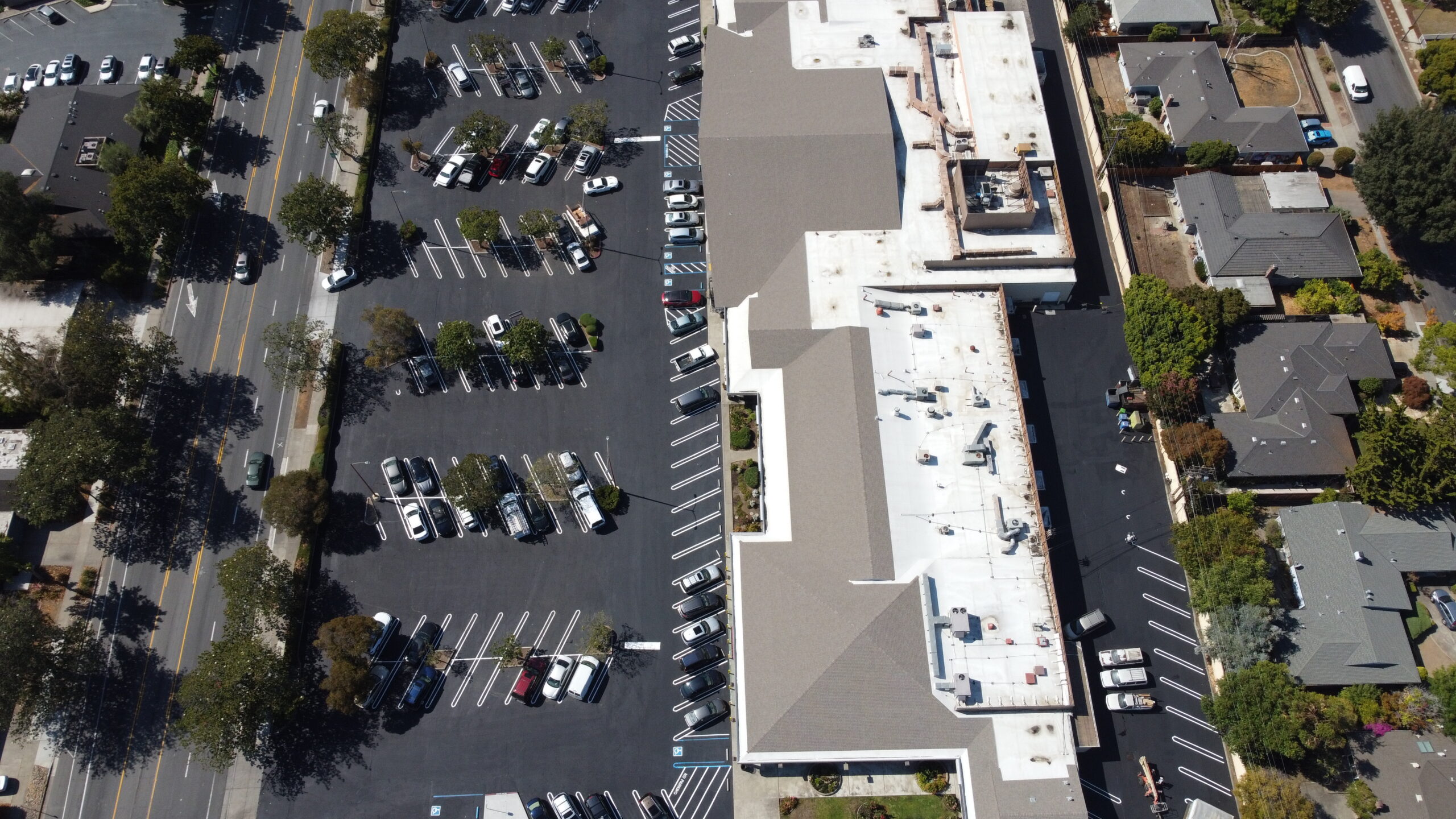
For road construction, asphalt’s ability to withstand heavy traffic loads and provide a smooth, skid-resistant surface is unmatched. Homeowners often opt for asphalt driveways due to its affordability, quick installation, and appealing aesthetics. In commercial and industrial settings, asphalt parking lots offer a durable and cost-effective solution for accommodating heavy traffic. Beyond traditional uses, its shock-absorbing properties make asphalt suitable for playgrounds and sport courts, ensuring a safe and reliable surface.
Benefits of Using Asphalt
The benefits of choosing asphalt extend far beyond its applications:
- Durability: Renowned for its ability to endure harsh weather conditions, including extreme temperatures and heavy rainfall, asphalt ensures longevity and minimal maintenance.
- Smooth Surface: The even and smooth surface of asphalt not only enhances driving comfort but also minimizes wear and tear on vehicles.
- Cost-Effectiveness: As a cost-effective choice for construction projects, asphalt boasts lower initial costs and minimal maintenance requirements compared to other materials.
- Quick Installation: With the ability to be laid and cured rapidly, asphalt minimizes disruptions and allows for faster project completion.
- Aesthetics: The dark color of asphalt contributes to an aesthetically pleasing appearance, elevating the overall curb appeal of properties.
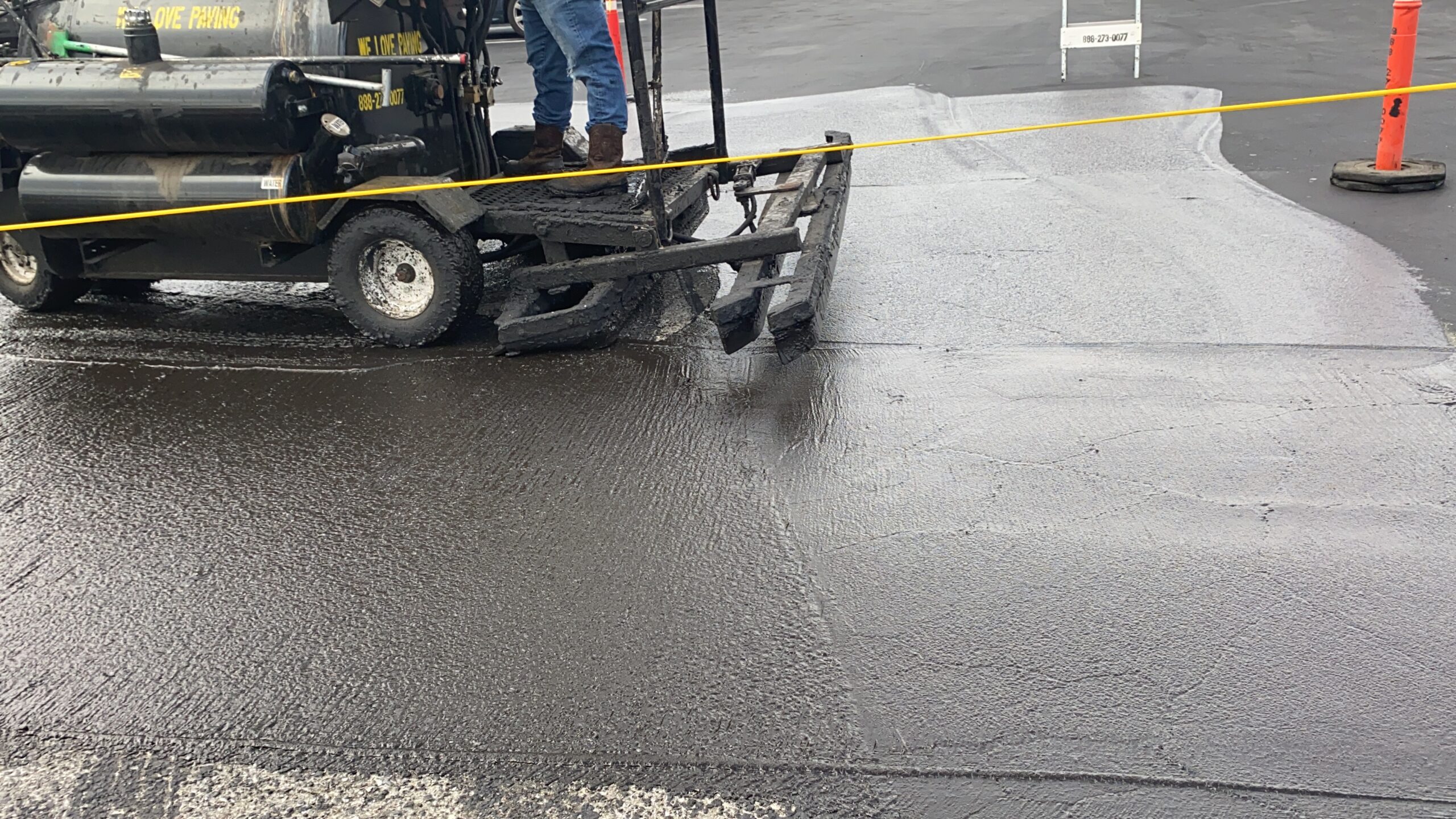
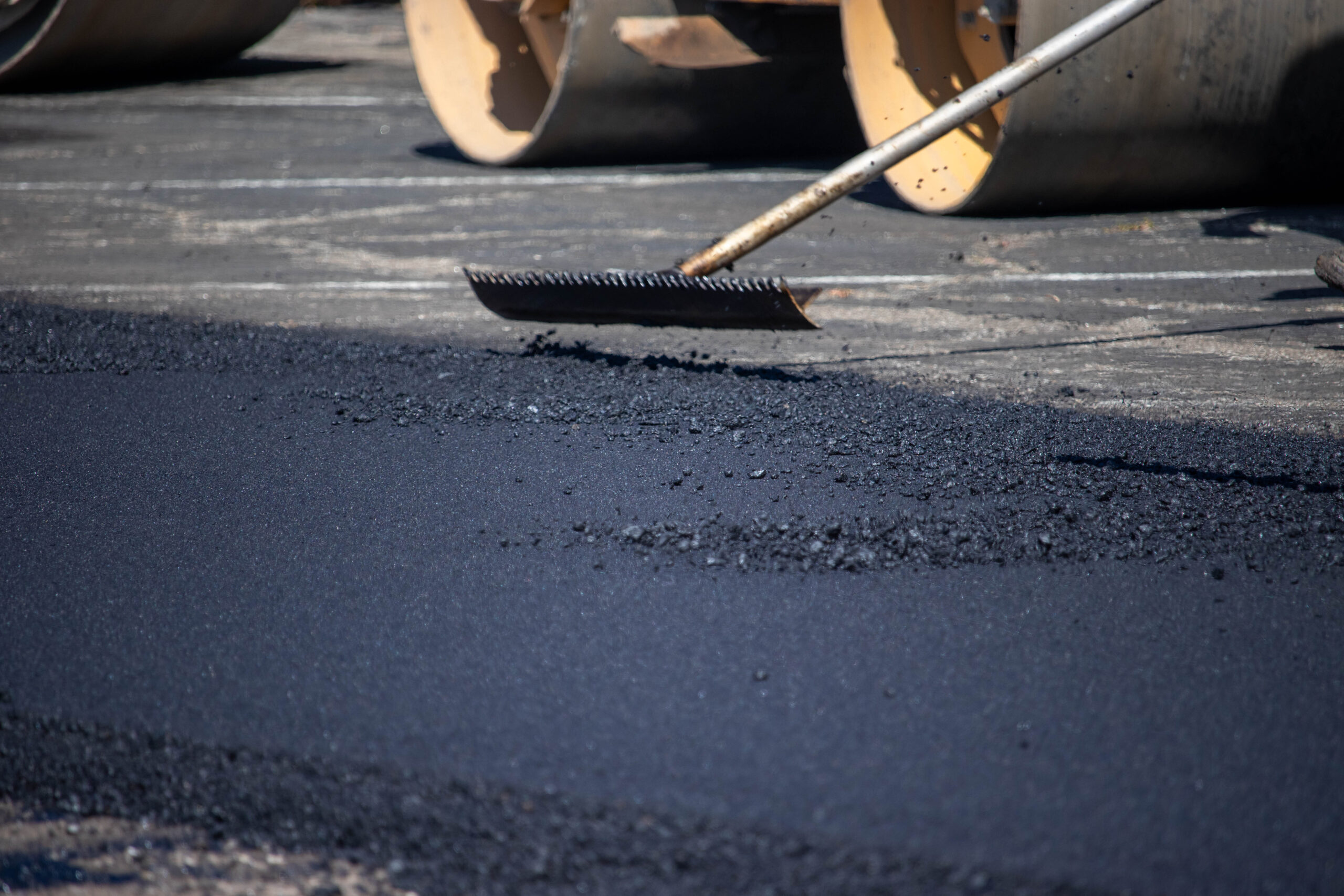
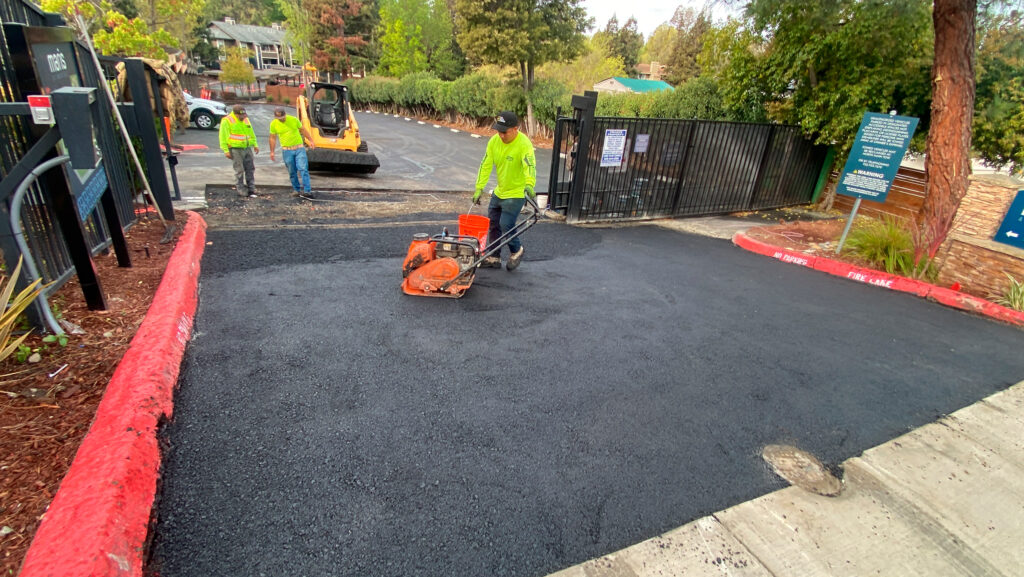
Site preparation involves excavation and grading to ensure proper drainage and a stable foundation. Aggregate placement sees chosen aggregates laid and compacted to form a solid base. Binder application follows, with the asphalt binder applied in a heated, liquid state to the aggregate layer. A surface course is added, consisting of finer aggregates, followed by further compaction to create a smooth surface. Curing is the final step, allowing the asphalt to harden and achieve optimal strength and stability.
Climate-Specific Mix Design and Compliance
Pavement longevity depends on localized adaptation. In arid regions, we optimize binder selection to resist UV-driven oxidation, preventing the surface from becoming brittle and cracking under intense solar radiation. Conversely, for areas prone to freeze-thaw cycles, our designs incorporate elastic polymers to accommodate thermal expansion. We strictly adhere to state-specific regulations, such as Caltrans Section 39 standards, ensuring our asphalt meets rigorous density and air void requirements. Choosing a certified contractor familiar with these specifications isn’t just about quality it’s about legal compliance and long-term infrastructure investment protection.
Industrial Classification and Manufacturing Lifecycle
| Mix Type | Application Temperature | Primary Use Case |
| HMA (Hot Mix) | 300°F – 350°F | High-traffic highways and main roads. |
| WMA (Warm Mix) | 212°F – 280°F | Eco-friendly urban paving and cool weather. |
| CMA (Cold Mix) | Ambient Temp | Temporary repairs and remote patching. |
Our Commitment to Paving Excellence
At We Love Paving we don’t just lay asphalt because we engineer enduring foundations for our community. We transform a standard material into a long term asset through the precise selection of Performance Grade (PG) binders and by ensuring 95% aggregate structural integrity. Asphalt remains the gold standard for versatility but its true power lies in professional calibration balancing durability with sustainability and cost effectiveness. Whether we implement Stone Matrix Asphalt (SMA) for heavy duty resilience or eco friendly warm mixes our commitment is clear delivering surfaces that are not just visually striking but built to withstand the rigorous demands of time and climate.
Frequently Asked Questions (FAQ)
General Questions About Our Professional Services and Project Execution
Hot Mix Asphalt is produced at 300°F-350°F, offering superior durability for high-traffic roads. Warm Mix Asphalt uses additives to reduce production temperatures by 30°F-70°F, lowering energy consumption, reducing emissions, and extending the paving season into cooler weather without compromising structural integrity.
RAP is recycled asphalt that maintains high-performance standards when professionally processed. Using RAP reduces environmental impact and project costs. Modern engineering allows for 15-25% recycled content without losing flexibility or load-bearing capacity, making it a sustainable choice for residential and commercial paving.
Quality asphalt must follow ASTM D692 for coarse aggregates and ASTM D1073 for fine aggregates. These standards ensure the stone and sand used provide adequate angularity, hardness, and cleanliness, which are essential for preventing premature rutting, cracking, and water-related pavement failure.
For optimal longevity, sealcoating should be applied every 2 to 3 years. This protective layer shields the bitumen from UV oxidation, water penetration, and chemical spills. Regular maintenance can double the lifespan of the pavement, preventing costly full-depth excavations and repairs.
The ambient and ground temperature should be at least 50°F and rising. Installing asphalt on frozen or wet subgrades prevents proper compaction and bonding, leading to immediate structural instability. For late-season projects, Warm Mix Asphalt (WMA) is the recommended technical solution.