Mastering the Art of Asphalt: A Step-by-Step Guide

Whether you’re paving a driveway, a parking lot, or a road, laying asphalt is a precise process that demands attention to detail. With the right equipment, materials, and techniques, you can achieve a smooth, durable surface that will withstand the test of time. In this comprehensive guide, we’ll walk you through the step-by-step process of laying asphalt like a pro.

Step 1: Preparation

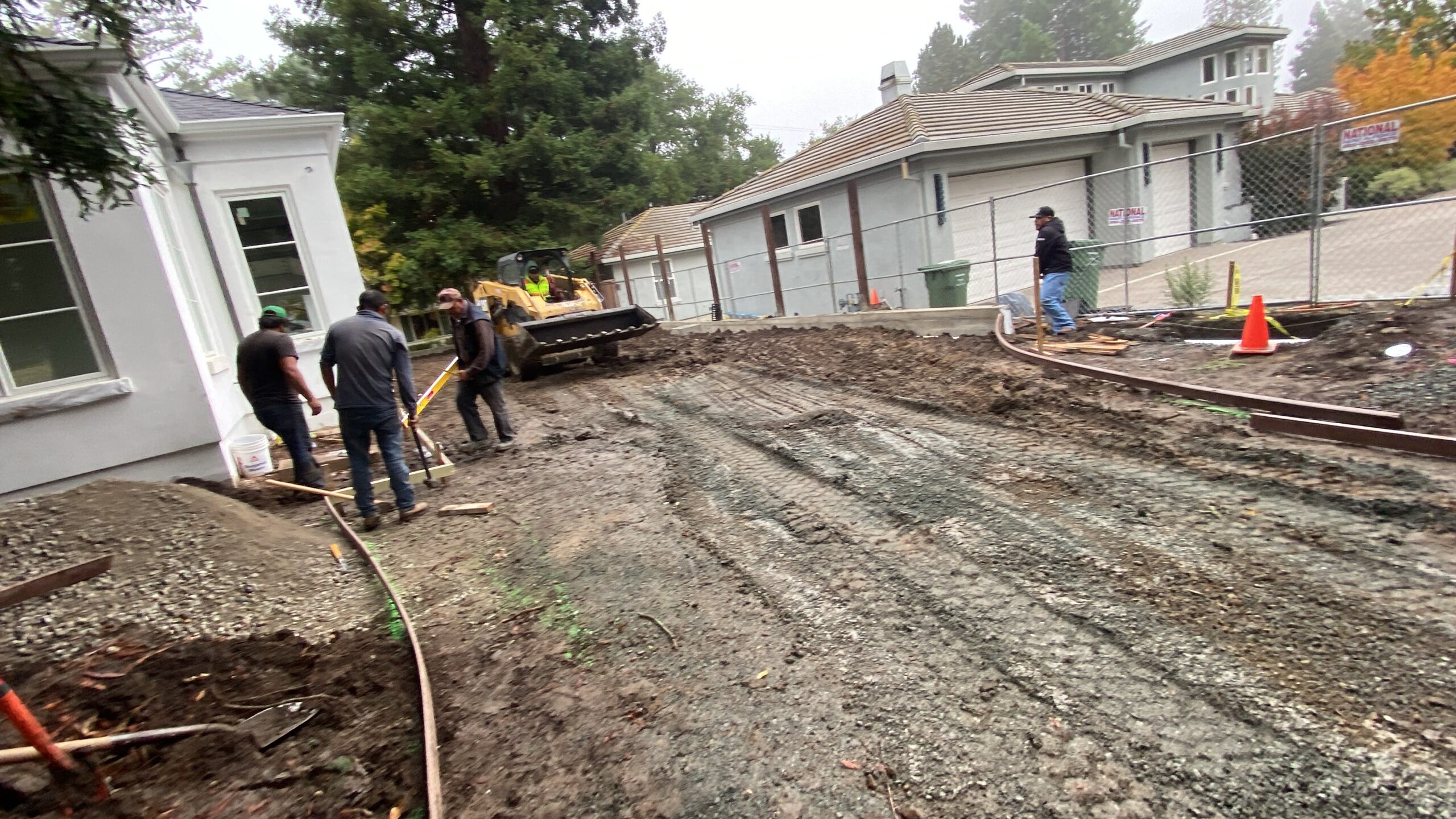
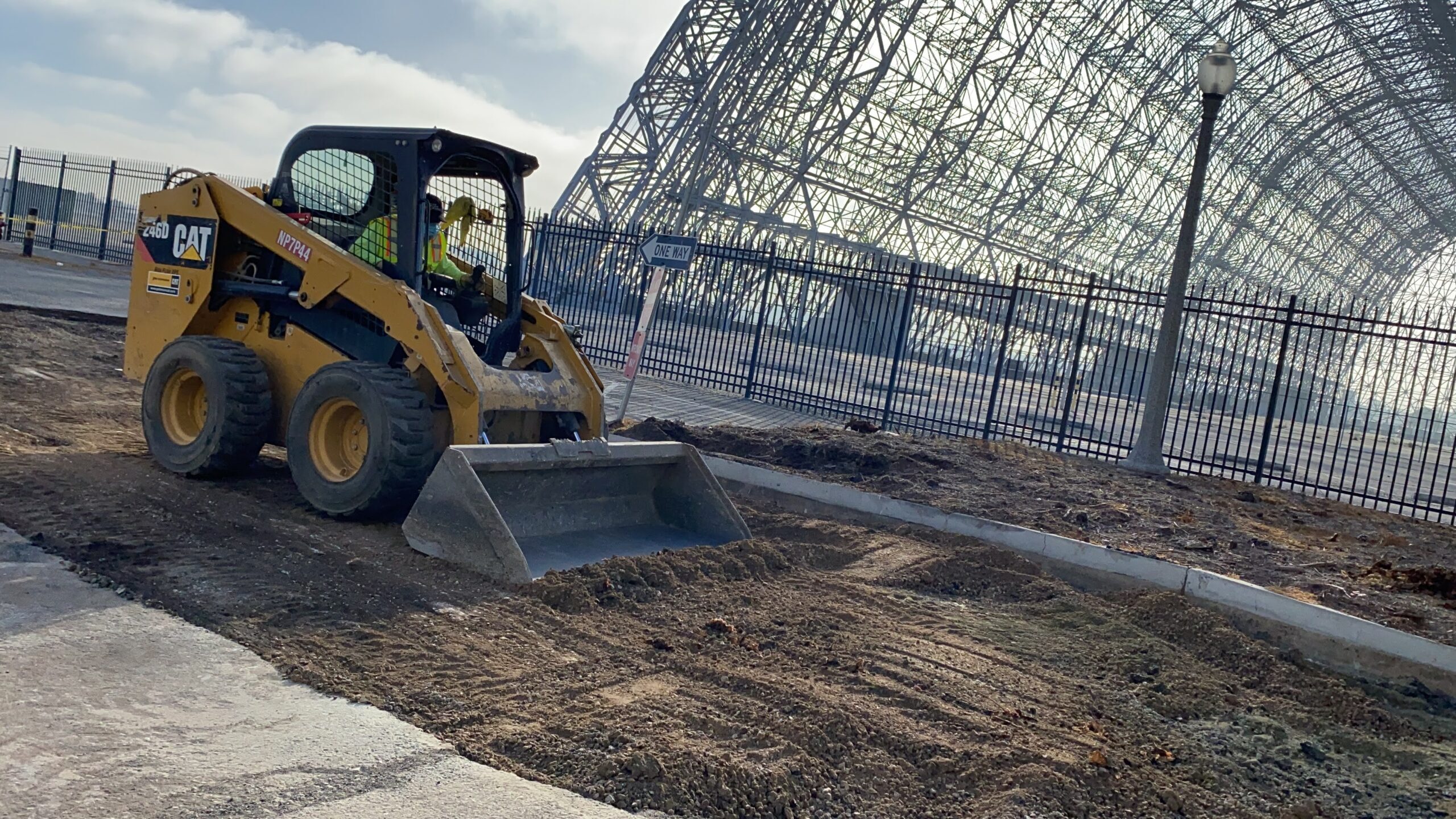
Before you can start laying asphalt, proper preparation is crucial. Begin by clearing the area of any debris, vegetation, or existing pavement. This ensures a clean surface for the new asphalt to adhere to. Next, inspect the subgrade to ensure it is stable and properly graded. Any soft spots or uneven areas should be addressed before proceeding.

Step 2: Base Installation

Once the area is prepped, it’s time to install the base layer. This typically consists of crushed stone or gravel, which provides a stable foundation for the asphalt. The base material should be spread evenly and compacted using a roller or compactor to achieve the desired density. Proper compaction is essential to prevent settling and ensure the longevity of the pavement.

Step 3: Edge Preparation

To create clean, crisp edges, it’s important to prepare the perimeter of the paved area. This can be done using a hand tamper or mechanical edging tool to establish a straight edge along the borders. Proper edging helps contain the asphalt and prevents it from spreading beyond the desired boundaries.

Step 4: Asphalt Mix Preparation

With the base in place, it’s time to prepare the asphalt mix. Asphalt is typically composed of aggregate (such as gravel or sand) bound together with a bitumen binder. The specific mix design will depend on factors such as climate, traffic volume, and intended use. The asphalt mix should be heated to the appropriate temperature to ensure workability and proper compaction.

Step 5: Asphalt Application

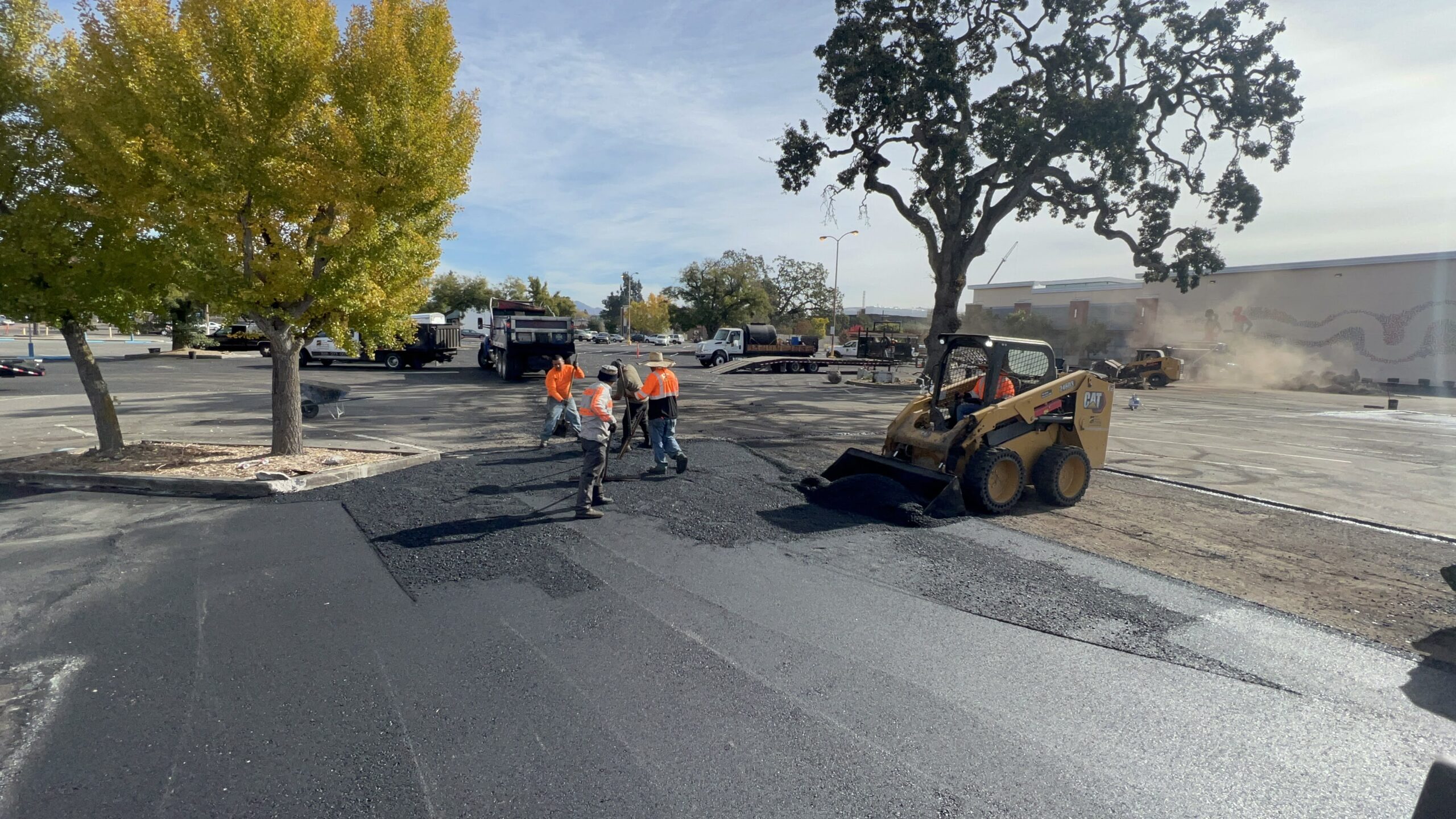
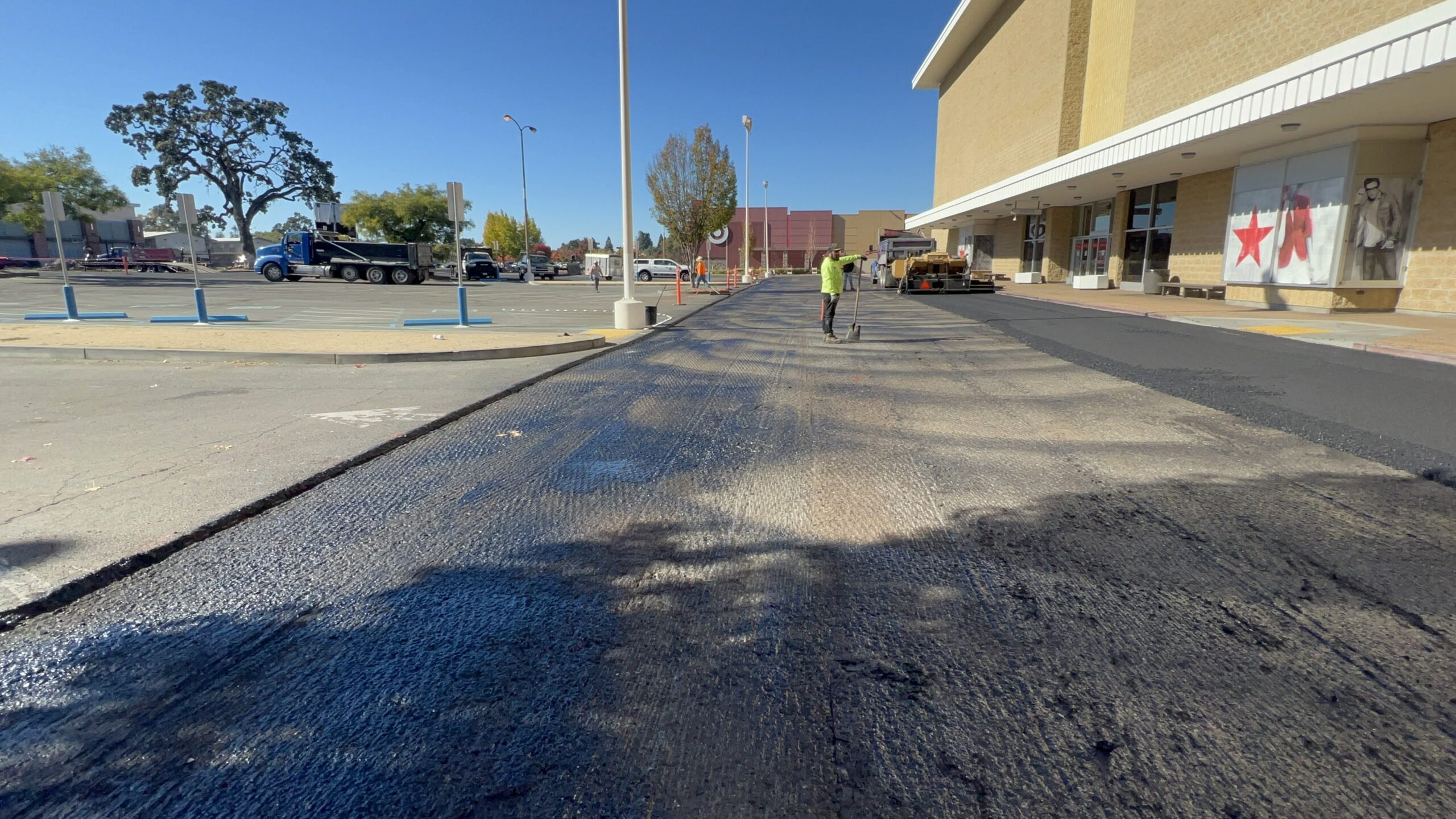
Once the asphalt mix is prepared, it can be applied to the prepared surface. This is typically done using a paving machine, which spreads the asphalt evenly across the area. The asphalt should be applied in multiple layers, with each layer being compacted to the desired thickness. Proper compaction is essential to achieve a smooth, uniform surface and maximize the durability of the pavement.

Step 6: Compaction

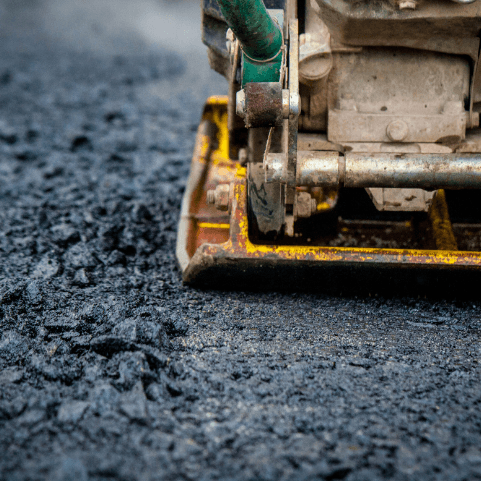
Compaction is perhaps the most critical step in the asphalt laying process. It involves using a heavy roller or compactor to compress the asphalt layers, removing air voids and ensuring proper bonding between the particles. Compaction should be performed systematically, starting from the edges and working towards the center to achieve uniform density across the pavement.

Step 7: Finishing Touches

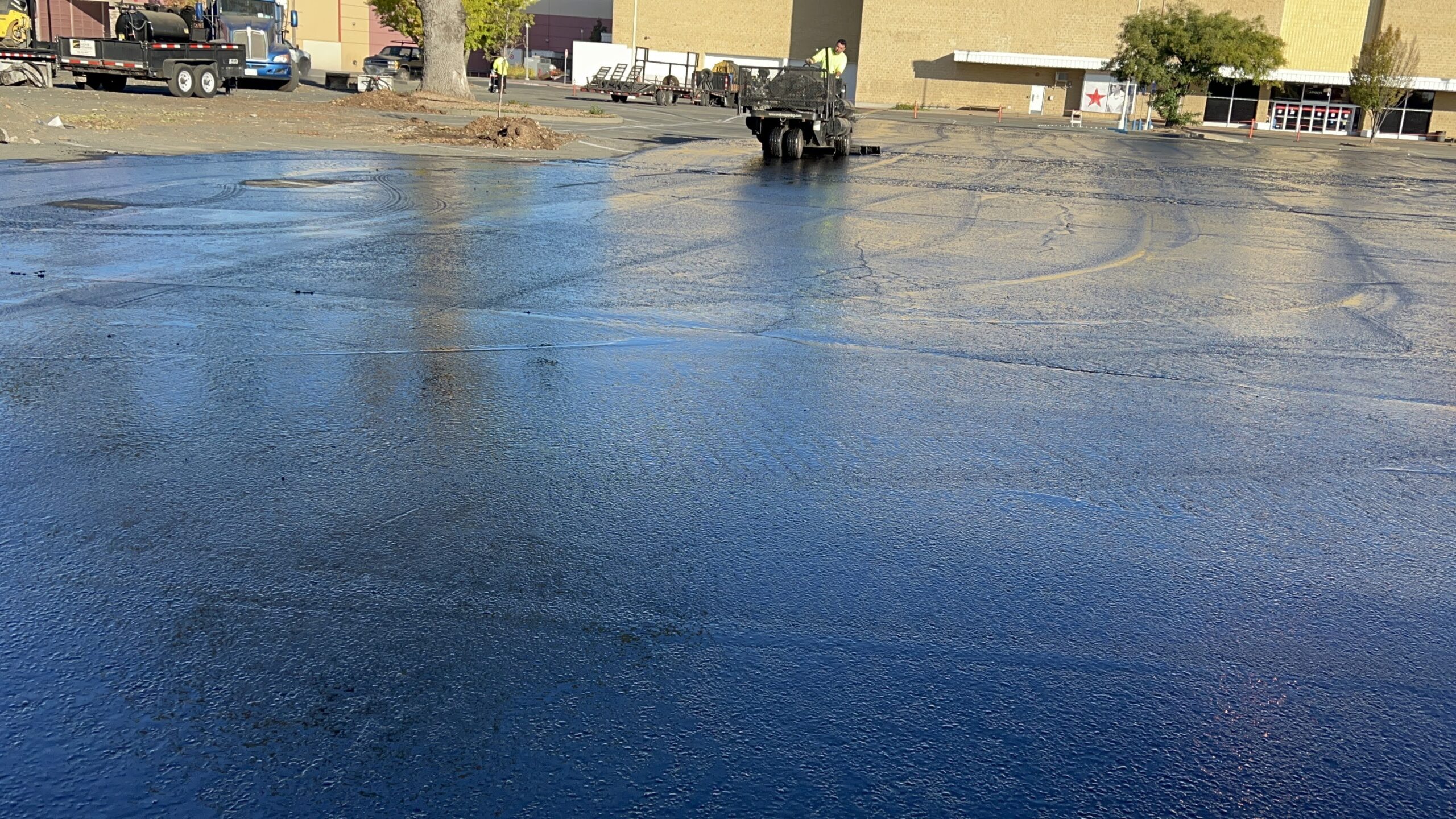
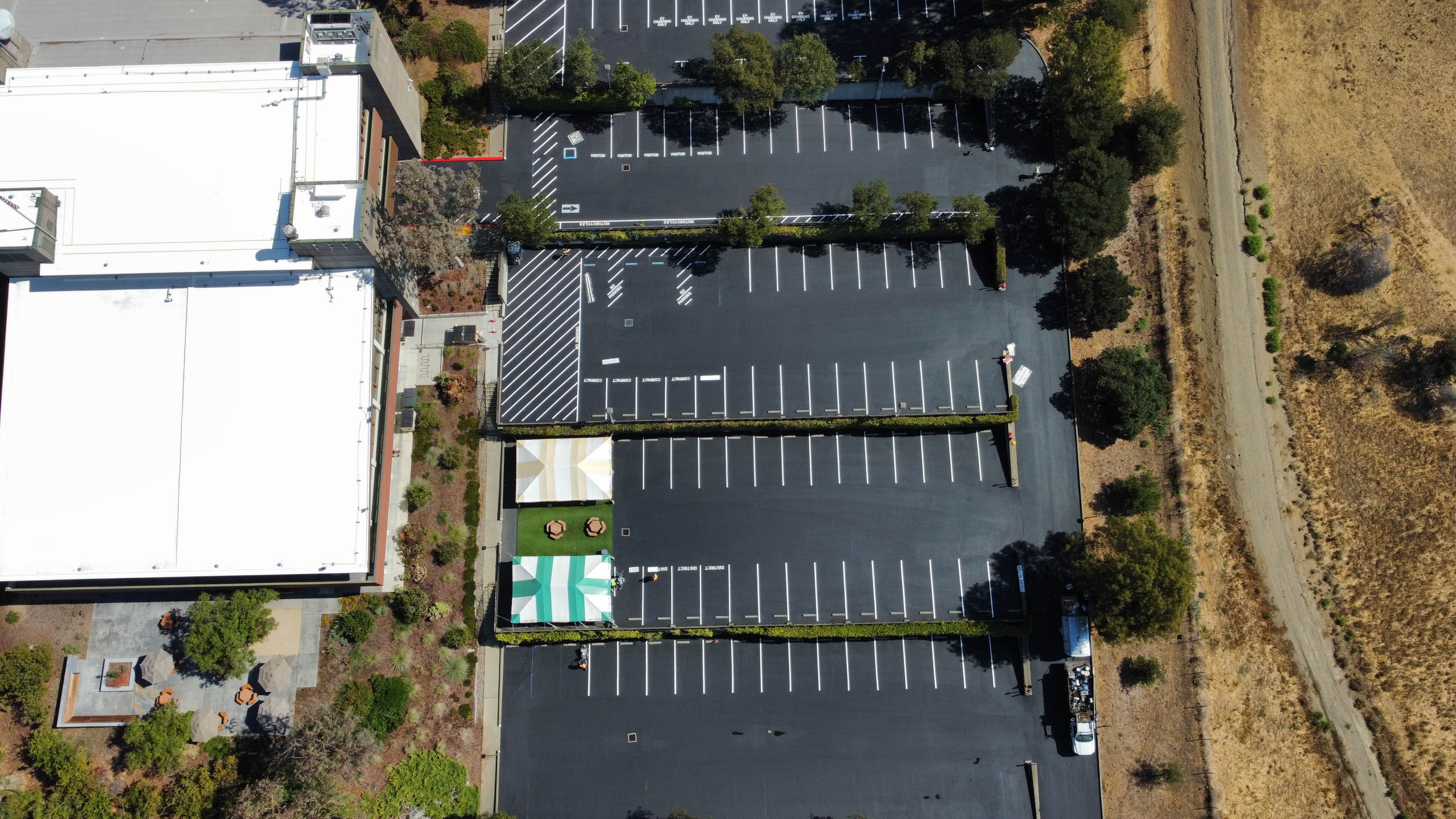
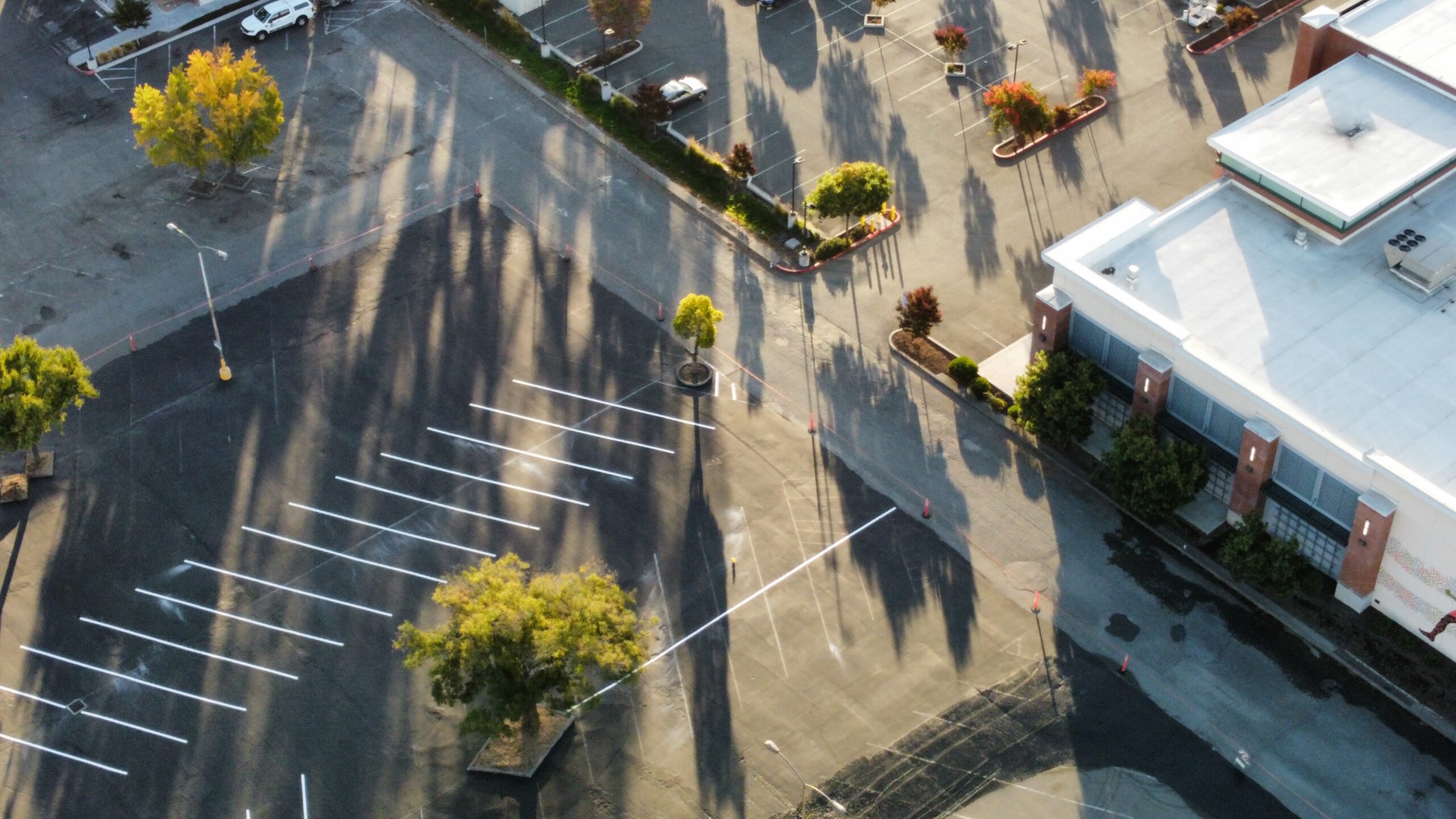
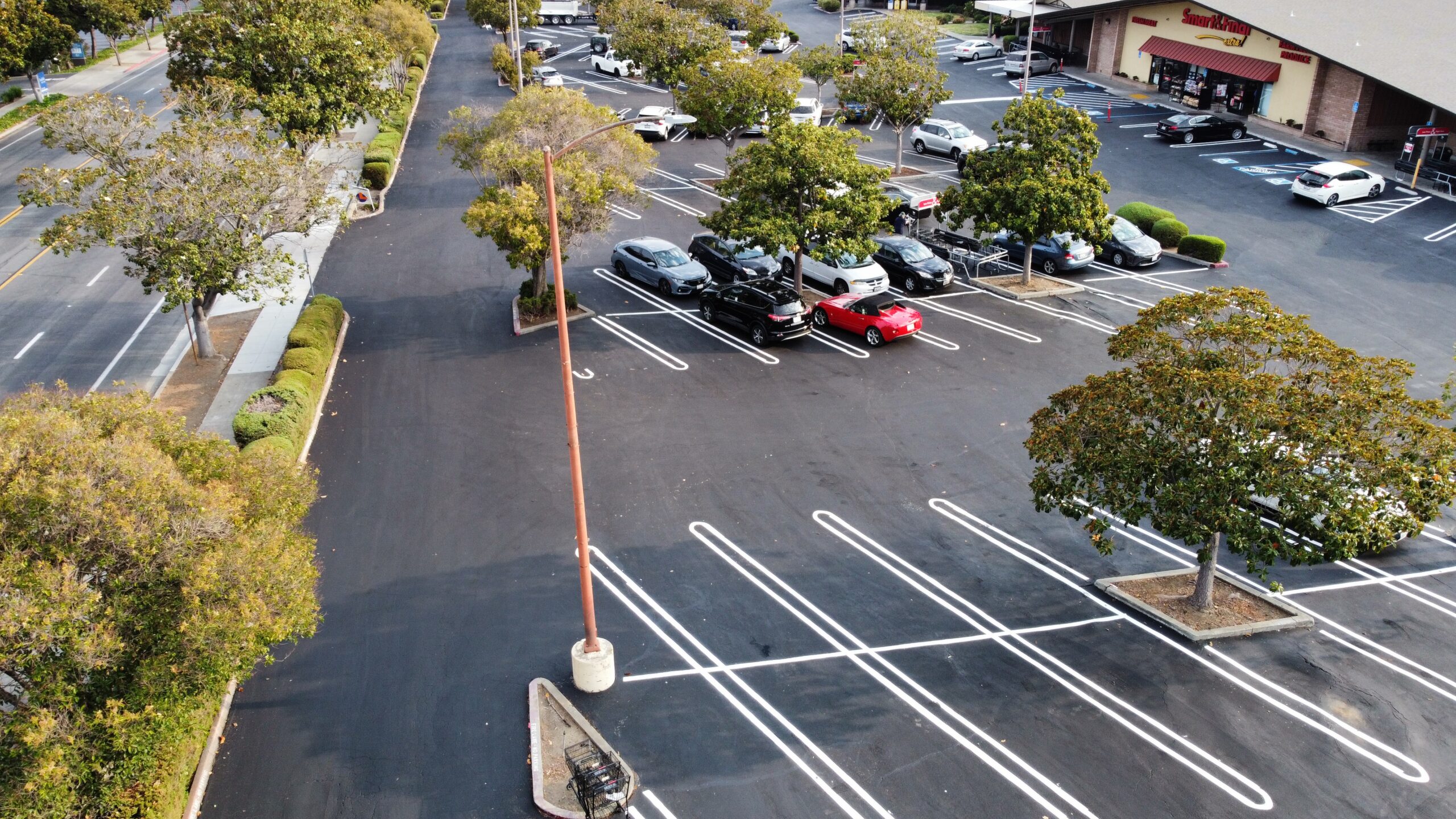
Once the asphalt is compacted, it’s time to add the finishing touches. This may include applying a sealant to protect the surface from water damage and UV exposure. Additionally, any markings or signage can be added to designate traffic lanes, parking spaces, or other relevant information.

Step 8: Curing

After the asphalt is laid and compacted, it requires time to cure and harden properly. This typically takes a few days, during which traffic should be kept off the pavement to avoid damage. Proper curing is essential to ensure the asphalt reaches its full strength and durability.

Step 9: Maintenance

Finally, proper maintenance is essential to prolong the life of the asphalt pavement. This may include regular sweeping to remove debris, periodic sealing to protect the surface, and timely repairs to address any cracks or damage. By staying proactive with maintenance, you can ensure your asphalt pavement remains in top condition for years to come.

Conclusion

Laying asphalt is a precise process that requires careful planning, attention to detail, and the right equipment and materials. By following these step-by-step guidelines, you can achieve professional results and create a durable, long-lasting pavement that will serve you well for years to come. Whether you’re tackling a small driveway or a large parking lot, mastering the art of asphalt laying is a skill that pays dividends in the long run.

Share

WHO IS FRED?

Fred, Regional Operations Manager, comes from a family of immigrant roots and a story built on sacrifice, discipline, and hard work. Growing up, Fred watched his parents work long hours and weekends to create a better future teaching him the values of perseverance, determination, and doing things the right way every single time.
We Love Paving began with Fred’s father, who started doing what he knew best: paving. Over the years, he built experience alongside respected professionals in the industry, refining his methods and developing a reputation for quality work that speaks for itself. As his clientele grew, so did the vision one built not only on skill, but on integrity and pride in every job.

Posts that might interest you

Are Asphalt Millings good for your driveway?

Are Asphalt Millings good for your driveway?

May 4, 2023

Asphalt millings have garnered increasing attention as a versatile and practical material for driveway construction, offering a myriad of advantages that appeal to homeowners. In this comprehensive guide, we’ll delve deeper into the myriad benefits of using asphalt millings for your driveway. Understanding Asphalt Millings Before delving into their benefits, let’s first understand what asphalt

Can paving be done in the rain?

Can paving be done in the rain?

May 4, 2023

Certainly! Conducting a more extensive investigation on the impact of rain on paving would involve exploring various aspects such as the specific effects of rain on different types of paving materials, the techniques and technologies used to mitigate these effects, case studies highlighting the consequences of paving in rainy conditions, and any regulatory or industry

why is it important to seal coat your parking lot!

why is it important to seal coat your parking lot!

May 1, 2023

Parking lots serve as vital assets for businesses, offering safe and convenient spaces for customers and employees alike. However, the asphalt surfaces of these lots are subject to wear and tear over time, necessitating proactive maintenance to ensure longevity and safety. One highly effective method of preserving asphalt integrity is sealcoating—a process that offers numerous

can parking lot repairs be capitalized?

can parking lot repairs be capitalized?

May 1, 2023

In the realm of business operations, maintenance and repair costs are inevitable. For property owners, particularly those managing parking facilities, the question of how to account for parking lot repairs can be critical. Should these expenses be treated as immediate costs or capitalized as long-term assets? The answer lies in understanding the nature and impact

The need for paving development

The need for paving development

May 1, 2023

In the bustling landscape of commercial areas, the significance of impeccable paving cannot be overstated. This article delves into the pivotal role that well-maintained paving plays in enhancing the aesthetic appeal, functionality, and overall success of commercial spaces. Elevating Aesthetic Appeal: First impressions matter, especially in the realm of commerce. The exterior of a commercial

the strongest in commercial paving

the strongest in commercial paving

May 1, 2023

In the realm of commercial paving, one name stands out amidst the competition – We Love Paving. This article delves deeper into the essence of We Love Paving, exploring its unwavering commitment to excellence, expertise in asphalt solutions, and dedication to customer satisfaction. Unraveling the Expertise At We Love Paving, paving isn’t just a service;

why you need REGULAR parking lot maintenance

why you need REGULAR parking lot maintenance

May 1, 2023

The necessity of regular parking lot maintenance cannot be overstated. Asphalt surfaces endure relentless assault from the elements, leading to wear and tear that compromises safety and functionality. This article delves into the importance of proactive maintenance measures, highlighting the benefits they offer in terms of safety, longevity, and cost-effectiveness. The Dangers of Neglected Maintenance

Why is a Asphalt Overlay Cost Effective

Why is a Asphalt Overlay Cost Effective

May 1, 2023

Asphalt overlay is a widely used method for restoring and rejuvenating deteriorating parking lots. This process involves applying a new layer of asphalt over the existing surface, providing numerous benefits such as improved appearance, increased durability, enhanced safety, and cost-effectiveness. In this article, we will conduct an in-depth investigation into why asphalt overlay stands out

The rise of paving cost

The rise of paving cost

May 1, 2023

Paving costs have experienced a significant upward trend in recent years, leaving property owners questioning the reasons behind this surge. In this detailed exploration, we delve into the multifaceted factors contributing to the escalating costs of paving in 2023 and beyond. Material Costs and Market Dynamics The cornerstone of any paving project lies in its

Can you capitalize a parking lot?

Can you capitalize a parking lot?

May 1, 2023

Parking lots serve as essential amenities for businesses, offering convenience to customers, employees, and visitors. However, the construction or acquisition of parking facilities involves significant financial investments. In this investigation, we will explore the concept of capitalizing parking lots, examining its implications, benefits, and the underlying accounting principles. Understanding Capitalization Capitalization refers to the process

Previous Next