Hayward Paving by Reliable Paving Specialists
Hayward’s infrastructure demands robust paving solutions that withstand heavy traffic flow and the East Bay’s variable environmental conditions.
Calls may be monitored or recorded for quality assurance and training purposes.

OUR SERVICES IN HAYWARD
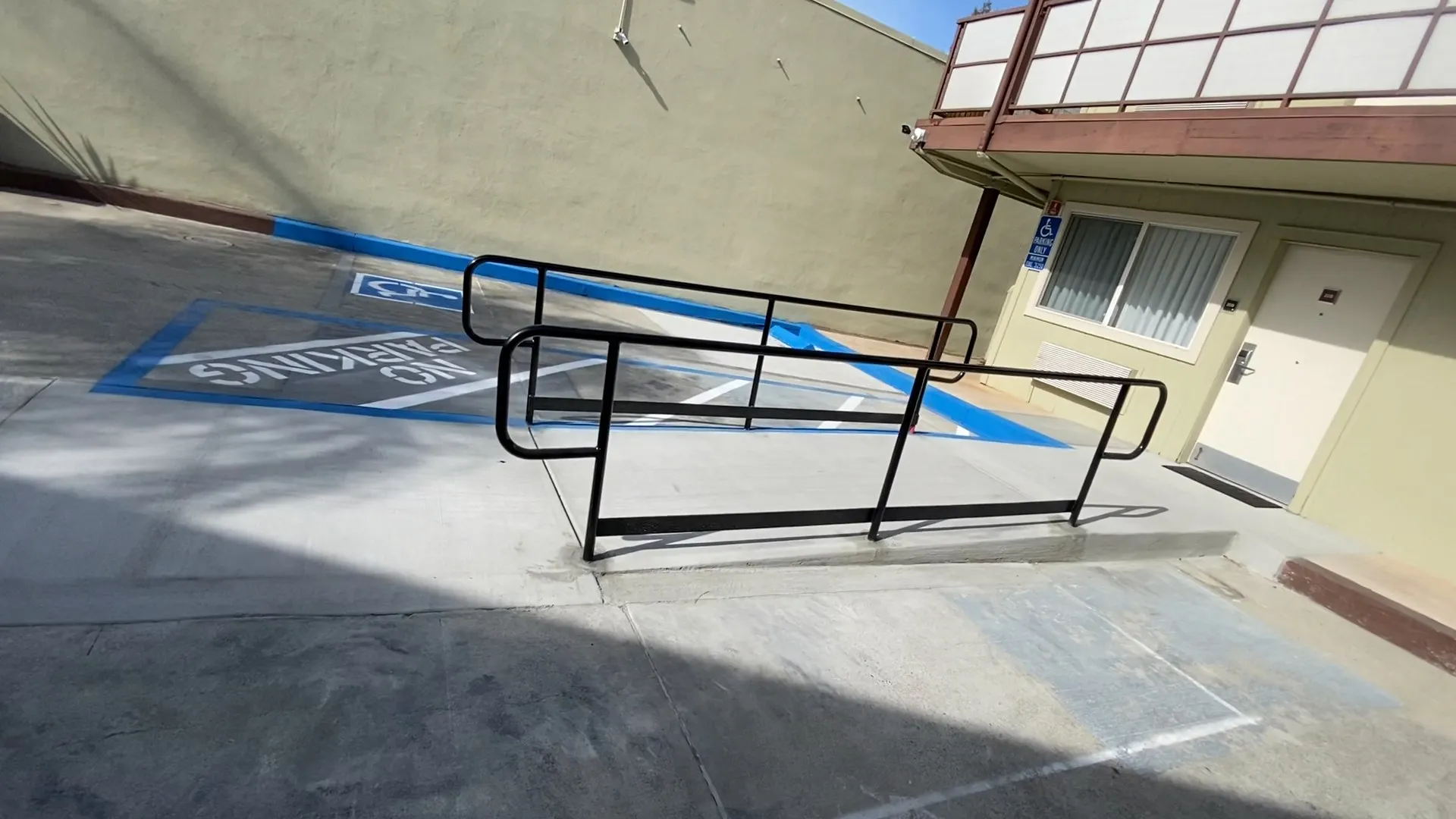
ADA Compliance
Technical execution of ramps, signage, and grade transitions that strictly adhere to current accessibility standards, prioritizing safety and the functionality of universal design principles.
Asphalt Paving
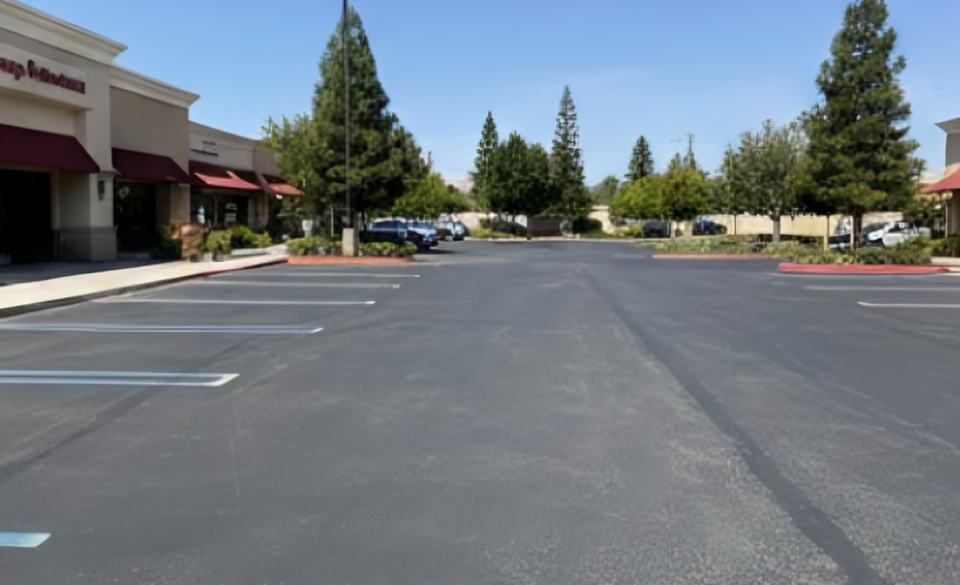
Application of high-density asphalt mixtures engineered to resist mechanical wear, providing a smooth, uniform surface prepared for high-volume vehicular and pedestrian traffic.
Concrete Contractors
Construction and repair of structural concrete elements, including curbs, gutters, and reinforced pads, utilizing materials that ensure a long lifecycle and resistance to local soil movements.
Sealcoating
Application of specialized protective layers that seal the surface against oxidation and water penetration, preserving asphalt flexibility and significantly improving the overall aesthetic finish.
Our Smooth Process
Premier Paving Solutions in Hayward
Our approach focuses on technical excellence and material resilience. We address the specific geographic needs of Hayward to ensure every project exceeds the industry’s most demanding quality benchmarks.
Structural integrity for heavy-duty usage areas
Precision grading for efficient stormwater drainage.
High-visibility markings for enhanced site safety.
Advanced materials usage to maximize weather resistance.
WHY CHOOSE WE LOVE PAVING
We combine decades of experience with a customer-first approach to paving. Our methods ensure your project is completed safely and remains durable under heavy traffic.
Technical Expertise
We apply advanced engineering methods throughout every phase of the installation process.
Durability Focus
Materials are specifically selected for their capacity to withstand elevated traffic volumes.
Safety Integration
Every project is designed with a priority on user protection and hazard prevention.
Efficient Project Management
Planned execution that optimizes delivery timelines without compromising the final quality of the work.
Request a Professional Consultation
Contact us today to coordinate a technical inspection and discuss the specific requirements for your next paving or maintenance project in Hayward.
Frequently Asked Questions (FAQ)
Got Questions? Find Your Answers Here!!
Well-installed asphalt typically lasts between 15 and 20 years. In Hayward, factors such as heavy traffic and local soil conditions influence this duration. Longevity depends directly on an appropriate mix design and regular preventive maintenance, such as crack sealing and sealcoating, which prevent moisture from compromising the structural base of the paved surface.
ADA regulations require all transit surfaces to meet specific slopes, widths, and textures to ensure universal access. In Hayward, any renovation or new construction must integrate these specifications from the design phase to avoid legal and operational risks. Technical compliance ensures that transitions between concrete and asphalt are safe for all users.
Concrete is preferred in areas experiencing heavy static loads or frequent turns by large vehicles, common in Hayward’s industrial sectors. Unlike asphalt, concrete does not deform under extreme heat and offers superior resistance to fluid spills, making it the ideal choice for loading docks and frequent stop points where durability is paramount.
Sealcoating is recommended 12 to 24 months after initial installation and every 3 to 5 years thereafter. In Hayward’s climate, this protects the surface from UV radiation and oxidation. The application should occur when temperatures are stable to allow for proper curing, significantly extending the lifecycle of the existing asphalt pavement.
Critical maintenance includes cleaning drains, immediate crack sealing, and inspecting concrete curbs. Since Hayward receives seasonal rainfall, preventing water infiltration is vital to stop potholes from forming. A planned maintenance program reduces long-term operational costs by avoiding major structural failures that would require total reconstruction of the surface.