In the vast landscape of construction terminology, few terms are as ubiquitous and multifaceted as “paving.” From roads and driveways to sidewalks and parking lots, paving plays a crucial role in shaping our built environment and facilitating transportation and accessibility. But what exactly does paving entail, and why is it so integral to the construction industry? Join us as we delve into the world of paving and unravel its significance in construction.
Definition of Paving
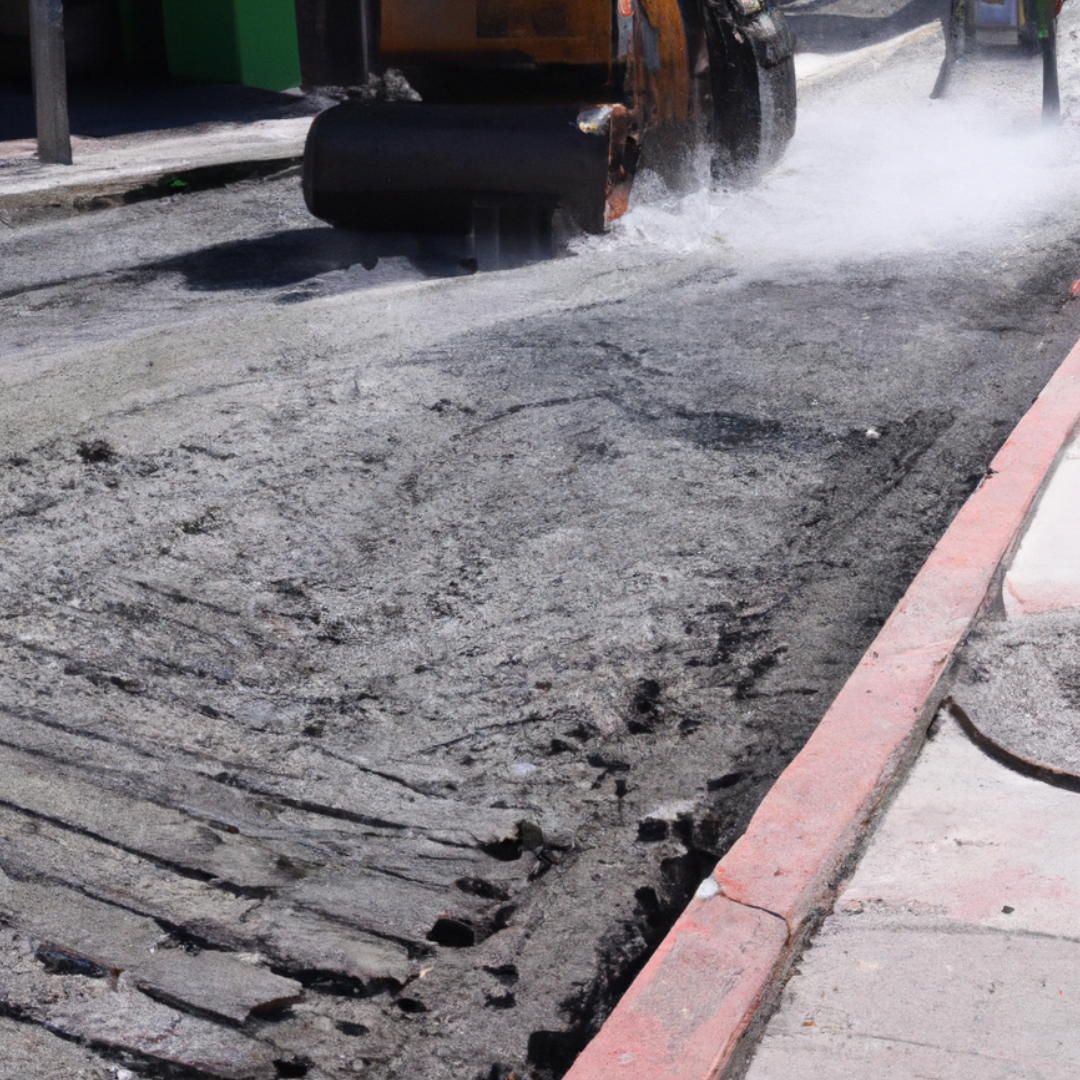
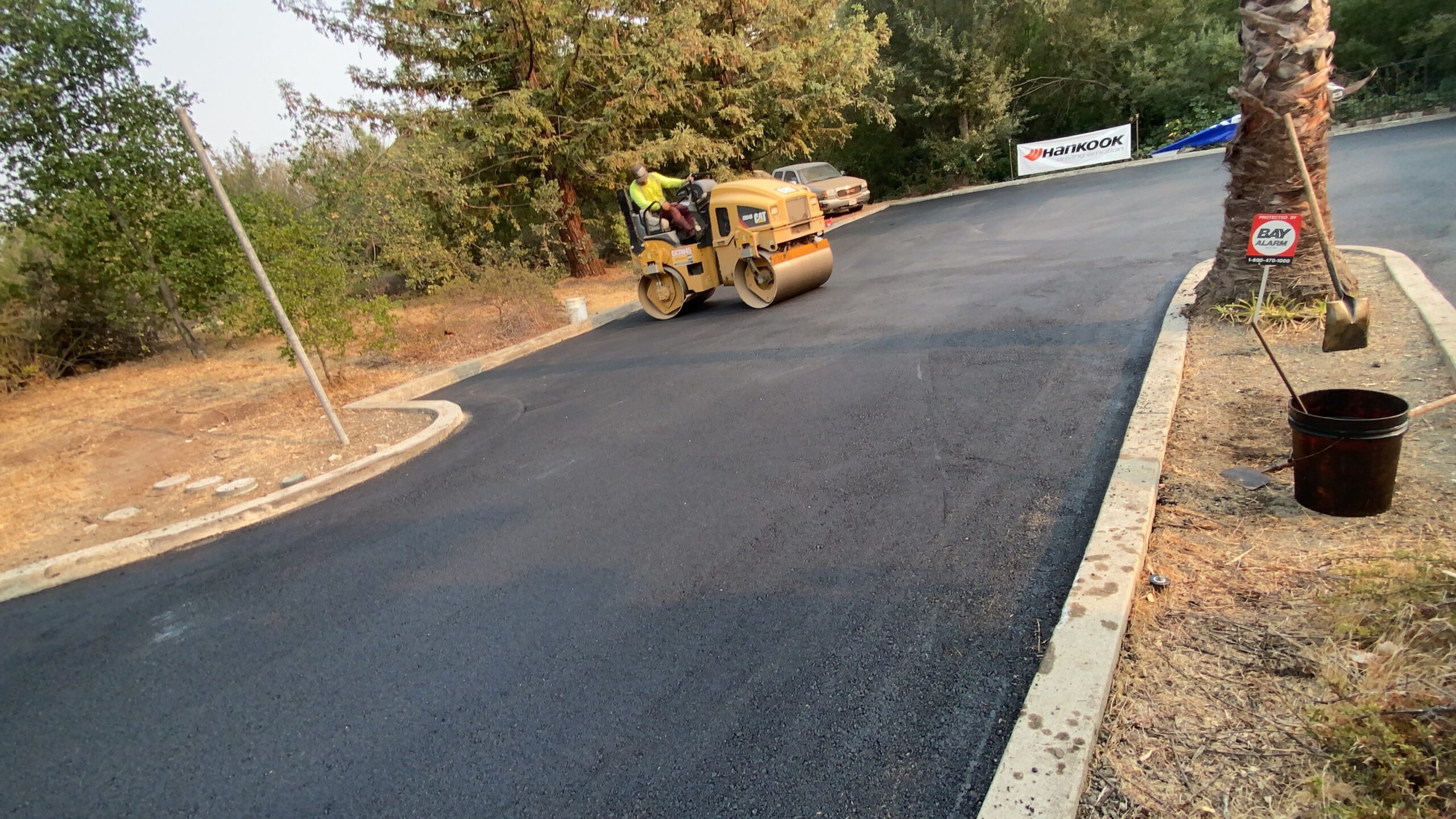
At its core, paving refers to the process of covering a surface with a durable material to create a smooth, stable, and navigable pathway for vehicles, pedestrians, and cyclists. This can involve laying down materials such as asphalt, concrete, bricks, or stones to create roads, streets, walkways, and other infrastructure elements. Paving encompasses a wide range of techniques and methods, each tailored to the specific needs and requirements of the project at hand.
Types of Paving Materials
Paving materials vary widely in composition, performance, and application, with each offering unique advantages and characteristics. Some of the most common paving materials include:
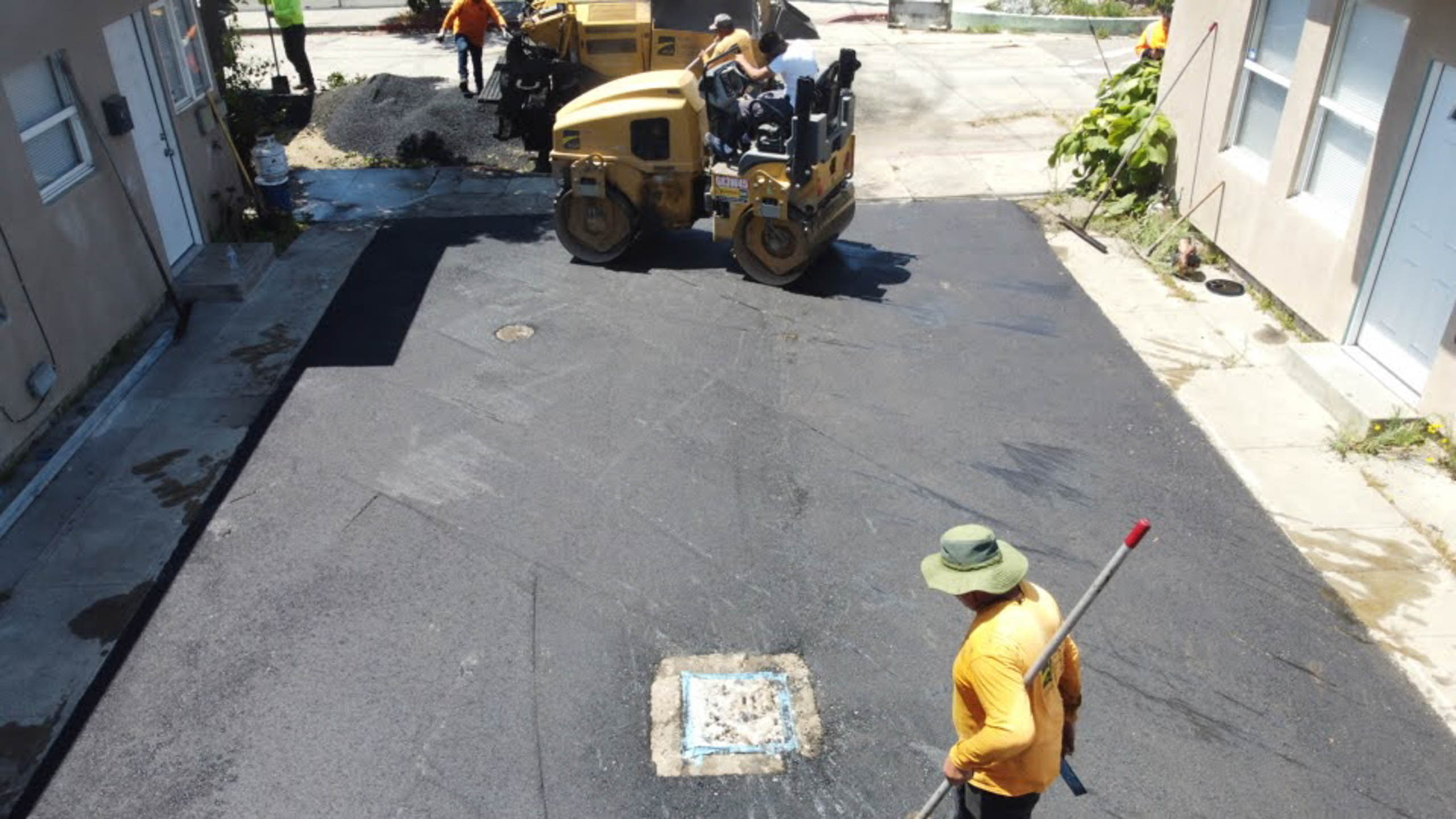
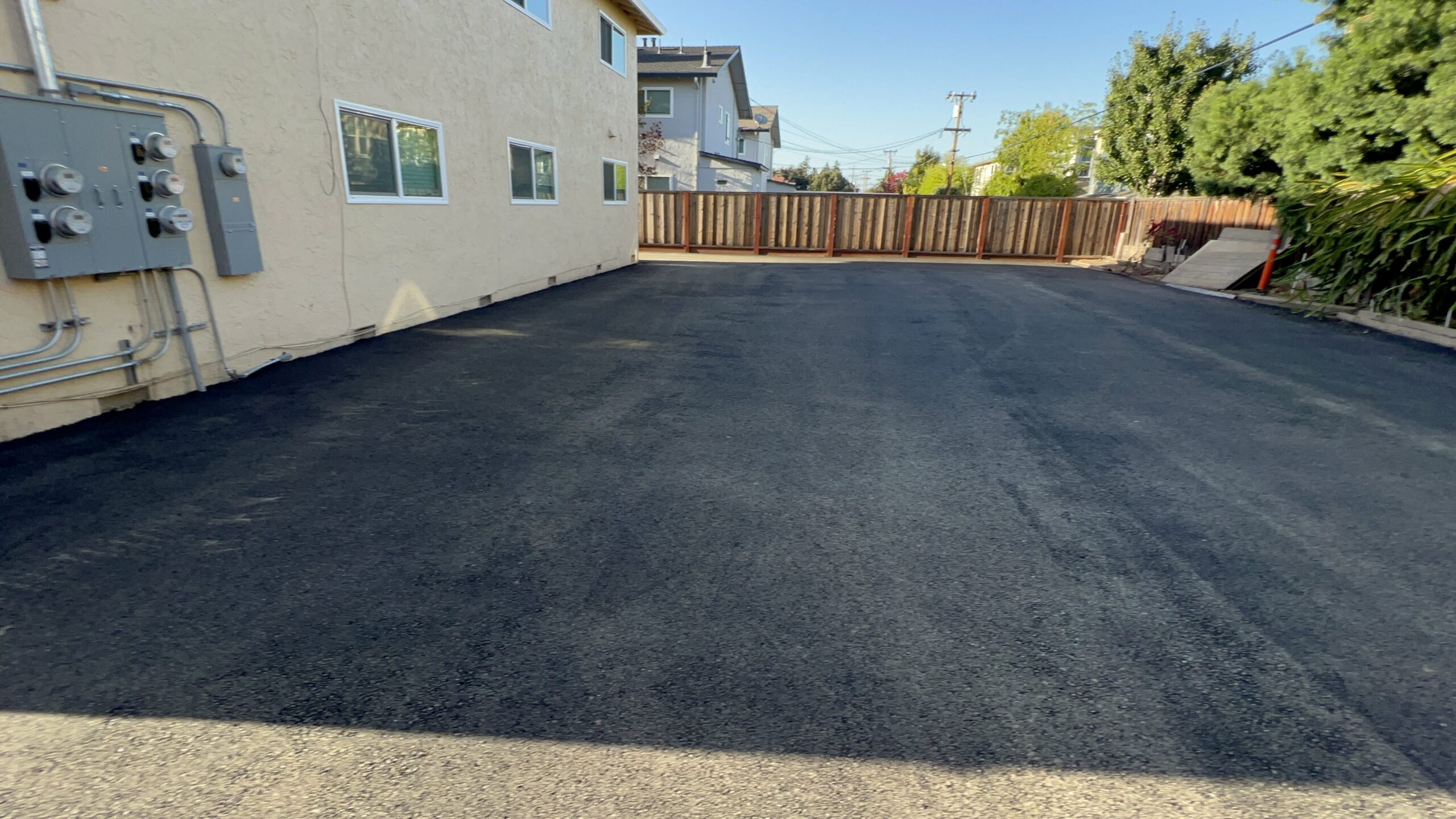
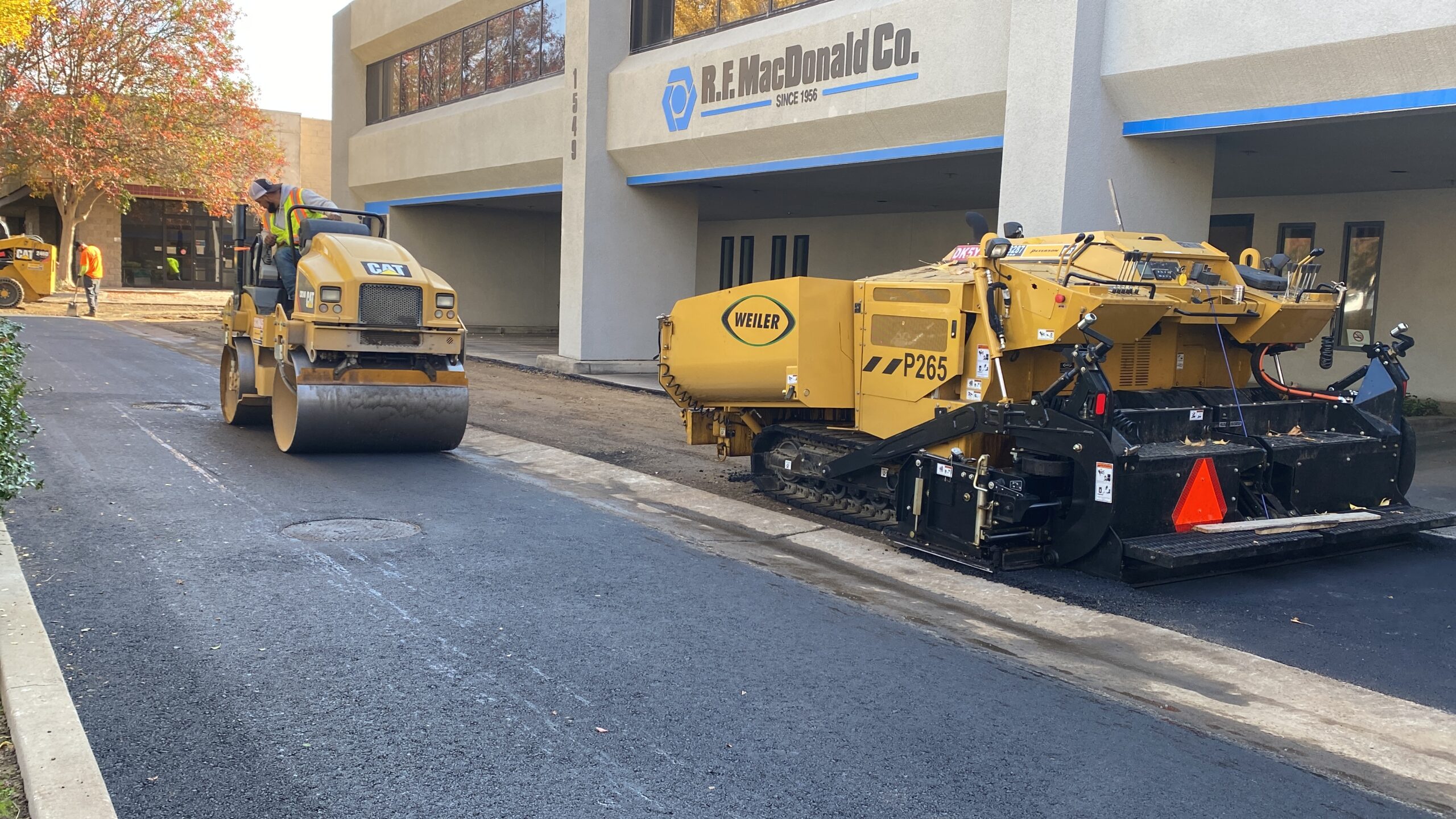
- Asphalt: A mixture of bitumen and aggregates, asphalt is widely used for roadways, parking lots, and driveways due to its affordability, flexibility, and ease of installation.
- Concrete: Made from cement, water, and aggregates, concrete is prized for its durability, strength, and longevity, making it a preferred choice for highways, sidewalks, and industrial pavements.
- Bricks: Clay bricks or concrete pavers are often used for decorative purposes in walkways, patios, and landscaping projects, offering aesthetic appeal and design versatility.
- Stones: Natural stone materials such as granite, limestone, and cobblestone are prized for their timeless beauty and durability, making them ideal for historic preservation projects and high-end architectural applications.
Process of Paving
Paving typically involves several key steps, including:
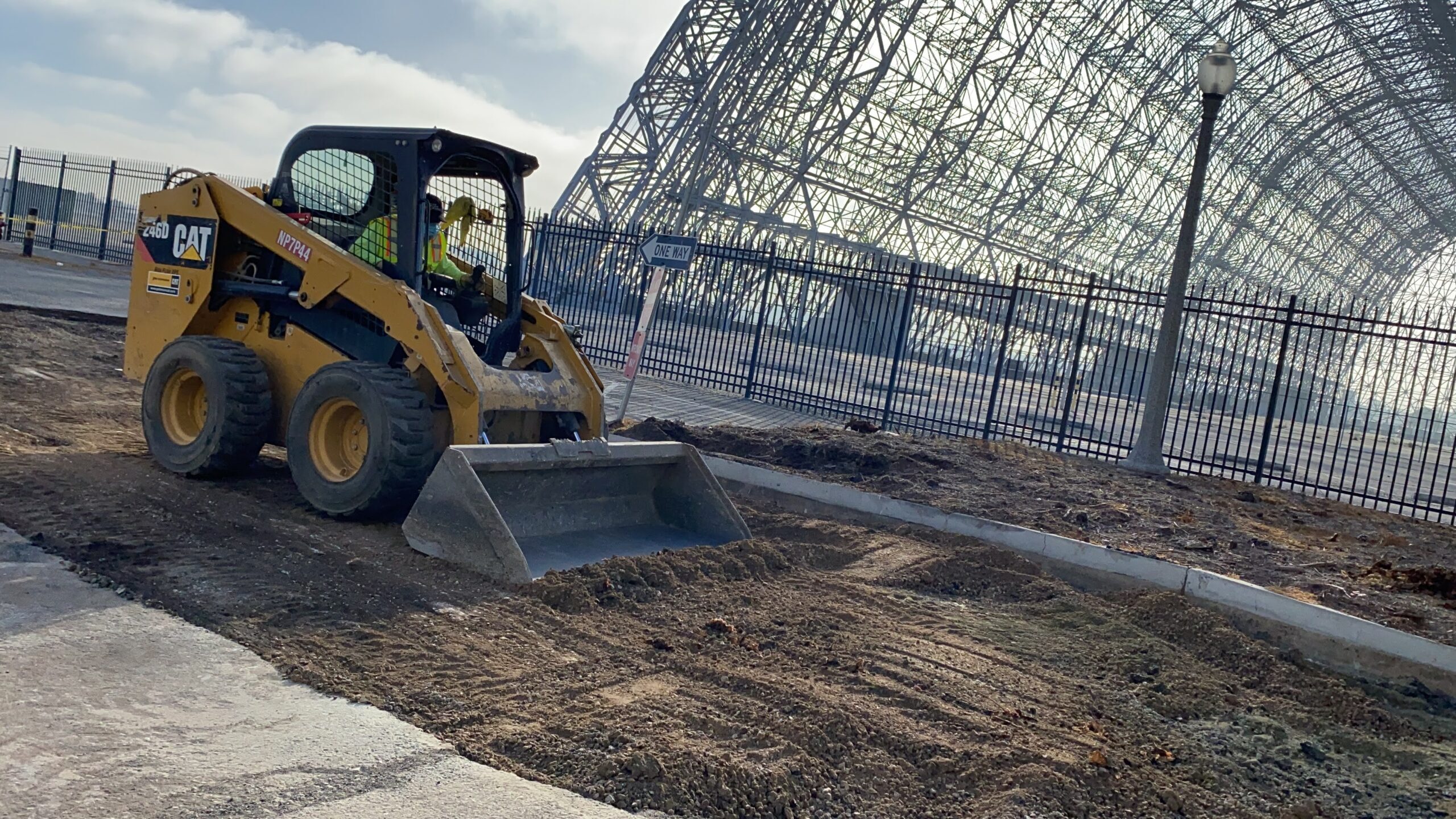
- Site Preparation: This involves clearing the area of vegetation, debris, and obstacles, as well as grading and leveling the ground to ensure proper drainage and stability.
- Base Installation: A stable base layer, often consisting of crushed stone or gravel, is laid down to provide support and prevent settling or erosion.
- Paving Material Application: The chosen paving material, whether asphalt, concrete, bricks, or stones, is applied and compacted to create a smooth, even surface.
- Finishing Touches: Additional treatments such as sealcoating, striping, and landscaping may be applied to enhance the functionality and aesthetics of the paved area.
Importance of Paving
Paving plays a crucial role in construction and infrastructure development for several reasons:
- Transportation: Paved roads, streets, and highways facilitate the movement of goods and people, connecting communities, businesses, and industries. Reliable transportation infrastructure is essential for economic growth, trade, and commerce, as well as for emergency response and public safety.
- Accessibility: Paved sidewalks, pathways, and ramps provide safe and accessible routes for pedestrians, cyclists, and individuals with disabilities. Accessible infrastructure promotes inclusivity, independence, and mobility for people of all ages and abilities.
- Safety: Well-maintained and properly designed pavements enhance road safety by reducing accidents, minimizing vehicle wear and tear, and improving visibility and traction. Features such as lane markings, signage, and traffic calming measures help regulate traffic flow and prevent collisions.
- Aesthetics: Paved surfaces contribute to the overall aesthetic appeal of urban and rural landscapes, enhancing property values and creating inviting public spaces. Thoughtful design and landscaping elements can transform ordinary streetscapes into vibrant corridors and gathering places for residents and visitors alike.
Challenges and Considerations
While paving offers numerous benefits, it also presents challenges and considerations that must be addressed:
- Cost: Paving projects can be costly, requiring significant investments in materials, labor, and equipment. Budget constraints may limit the scope or quality of paving work, leading to compromises in design, materials, or maintenance.
- Environmental Impact: The production and installation of paving materials can have environmental consequences, including resource depletion, energy consumption, and greenhouse gas emissions. Sustainable paving practices such as using recycled materials, minimizing waste, and promoting permeable surfaces can help mitigate these impacts.
- Maintenance Needs: Paved surfaces require regular maintenance to ensure safety, functionality, and longevity. Routine tasks such as crack sealing, pothole repair, and surface resealing may be necessary to address wear and tear, weathering, and traffic damage.
- Climate Considerations: Climate conditions such as temperature extremes, precipitation, and freeze-thaw cycles can affect the performance and lifespan of paved surfaces. Proper design, materials selection, and construction techniques are essential for ensuring durability and resilience in diverse climates.
Future Trends and Innovations
The field of paving continues to evolve with advancements in materials, technology, and design. Some emerging trends and innovations include:
- Green Infrastructure: Increasing emphasis on sustainability and environmental stewardship has led to the development of green paving solutions such as permeable pavements, vegetated swales, and rain gardens. These approaches help manage stormwater runoff, reduce heat island effects, and promote biodiversity in urban areas.
- Smart Paving Technologies: Digital innovations such as sensors, drones, and real-time monitoring systems are transforming the way paving projects are planned, executed, and maintained. Smart technologies enable data-driven decision-making, predictive maintenance, and proactive management of infrastructure assets.
- Recycled Materials: The use of recycled and reclaimed materials in paving projects is gaining traction as a cost-effective and environmentally friendly alternative to traditional materials. Recycled asphalt pavement (RAP), recycled concrete aggregate (RCA), and reclaimed asphalt shingles (RAS) can be incorporated into new paving projects to conserve natural resources and reduce waste.
Conclusion
In conclusion, paving is a fundamental aspect of construction and infrastructure development, serving as the foundation for safe, accessible, and functional built environments. Whether it’s constructing roads, sidewalks, or parking lots, paving plays a vital role in connecting communities, enhancing mobility, and promoting economic prosperity. By understanding the complexities of paving and embracing innovative solutions, we can create sustainable, resilient, and inclusive infrastructure that meets the needs of present and future generations.