Yes but only when the existing asphalt is structurally sound. Asphalt overlay works when the base beneath the driveway is stable and damage is limited to surface wear. If deeper issues exist, adding new asphalt will only mask problems temporarily.
Asphalt driveways are known for their durability and longevity, but over time, even the best-maintained driveways can show signs of wear and tear. When an asphalt driveway starts to crack, fade, or develop potholes, many homeowners wonder if they can simply apply a new layer of asphalt over the old one instead of completely replacing it. The short answer is yes, you can asphalt over an old asphalt driveway, but there are several important factors to consider to ensure a successful and long-lasting result. In this article, we’ll explore the pros and cons of resurfacing an existing asphalt driveway, the conditions under which it’s appropriate, and the process involved.
Resurfacing vs. Full Replacement: A Cost-Benefit Analysis
While putting new asphalt over old asphalt (resurfacing) costs roughly 30-60% less than a full tear-out, it is a temporary solution. A full replacement lasts 20-30 years, whereas an overlay typically lasts 10-15 years. Choose resurfacing only if the existing pavement is mostly level and free of deep structural depressions.
When Asphalt Overlay Works
Asphalt overlay is effective when the existing asphalt shows surface wear but the base remains stable. It is typically recommended when cracks are shallow, drainage is intact, and the driveway has no widespread structural damage.
Overlay is usually a good option when:
- Cracks are narrow and limited
- There is no alligator cracking
- The sub-base has not shifted
- Water does not pool on the surface
- Previous repairs have not repeatedly failed
Essential Pre-Overlay Checklist: The “Solid Base” Rule
Before paving over existing asphalt, you must verify the structural integrity of the subbase. An overlay (resurfacing) will only be successful if:
- The base is stable: If there is “alligator cracking” (small interconnected squares), it indicates a base failure, and an overlay will fail within 1-2 years.
- Drainage is adequate: The new layer will raise the driveway height by 1.5 to 2 inches. Ensure this won’t direct water toward your garage or home foundation.
Asphalt Overlay vs Full Replacement
Asphalt overlay restores surface performance at a lower cost when conditions are right, while full replacement is necessary when the base has failed. Choosing overlay in the wrong situation leads to premature cracking and higher long-term costs.
The Benefits of Asphalting Over an Existing Driveway
Resurfacing an old asphalt driveway by applying a new layer of asphalt has several advantages, making it a popular choice for many homeowners.
1. Cost-Effective
One of the most significant benefits of asphalting over an existing driveway is the cost savings. Resurfacing is generally less expensive than a full replacement because it requires less labor and materials. By reusing the existing base, you can save on excavation, disposal of old materials, and the installation of a new base layer.
2. Time-Saving
Resurfacing an old driveway is typically quicker than starting from scratch. Since the existing base is already in place, the process involves fewer steps, allowing the project to be completed more quickly. This means less disruption to your daily routine and faster access to your driveway.
3. Improved Appearance
A new layer of asphalt can dramatically improve the appearance of an old, worn-out driveway. Resurfacing can cover up minor cracks, stains, and other surface imperfections, giving your driveway a fresh, new look. This can enhance your home’s curb appeal and potentially increase its value.
4. Extended Lifespan
When done correctly, asphalting over an old driveway can extend its lifespan by several years. The new layer of asphalt provides a protective barrier against the elements, reducing the likelihood of further damage. It also adds structural integrity to the existing pavement, helping to prevent future issues.
What If the Old Asphalt Is Cracked?
Cracks alone do not automatically prevent asphalt overlay. Surface cracks can be repaired before resurfacing, but deep or interconnected cracking often indicates base failure and requires full removal.
Lista comparativa corta:
Hairline or linear cracks → overlay may still work
Wide or spreading cracks → structural issue likely
Repeated cracking in the same areas → overlay not recommended
When Is Resurfacing Appropriate?
While asphalting over an old driveway can be a great option, it’s not always the best solution. There are specific conditions under which resurfacing is appropriate, and it’s essential to assess the existing driveway carefully before deciding on this approach.
1. The Existing Driveway Must Be Structurally Sound
The most critical factor in determining whether you can asphalt over an old driveway is the condition of the existing pavement. The underlying structure must be stable and free of major issues. If the old driveway has significant structural problems, such as deep cracks, extensive potholes, or a deteriorating base, resurfacing may not be sufficient to address these issues. In such cases, a full replacement might be necessary.
2. Surface Damage Should Be Minor to Moderate
Resurfacing is most effective when the surface damage is relatively minor or moderate. This includes small cracks, surface-level potholes, fading, and minor depressions. If the damage is extensive or severe, such as large areas of crumbling asphalt or deep ruts, resurfacing alone may not be enough to restore the driveway’s integrity.
3. Proper Drainage Is Essential
Before applying a new layer of asphalt, it’s important to ensure that the existing driveway has proper drainage. Water is one of the leading causes of asphalt deterioration, and poor drainage can lead to further damage over time. If the old driveway has drainage issues, such as standing water or areas where water pools, these problems should be addressed before resurfacing. This might involve regrading the surface or installing additional drainage solutions.
4. The Existing Asphalt Should Be Clean and Prepared
For the new layer of asphalt to bond effectively with the old surface, the existing driveway must be thoroughly cleaned and prepared. This involves removing any debris, dirt, oil stains, and loose materials. In some cases, a primer or tack coat may be applied to the old asphalt to improve adhesion. Proper preparation is crucial to ensure a strong, long-lasting bond between the old and new asphalt layers.
The Resurfacing Process
If you’ve determined that your existing driveway is a good candidate for resurfacing, the next step is to understand the process involved. Resurfacing an asphalt driveway involves several key steps, each of which is important for achieving a successful outcome.
1. Inspection and Evaluation
The first step in the resurfacing process is to inspect and evaluate the condition of the existing driveway. A professional contractor will assess the structural integrity of the old asphalt, identify any problem areas, and determine if resurfacing is the appropriate solution. This evaluation will help guide the preparation and installation process.
2. Cleaning and Preparatio
Before applying the new layer of asphalt, the old driveway must be thoroughly cleaned and prepared. This typically involves:
- 3. Installing the New Asphalt Layer
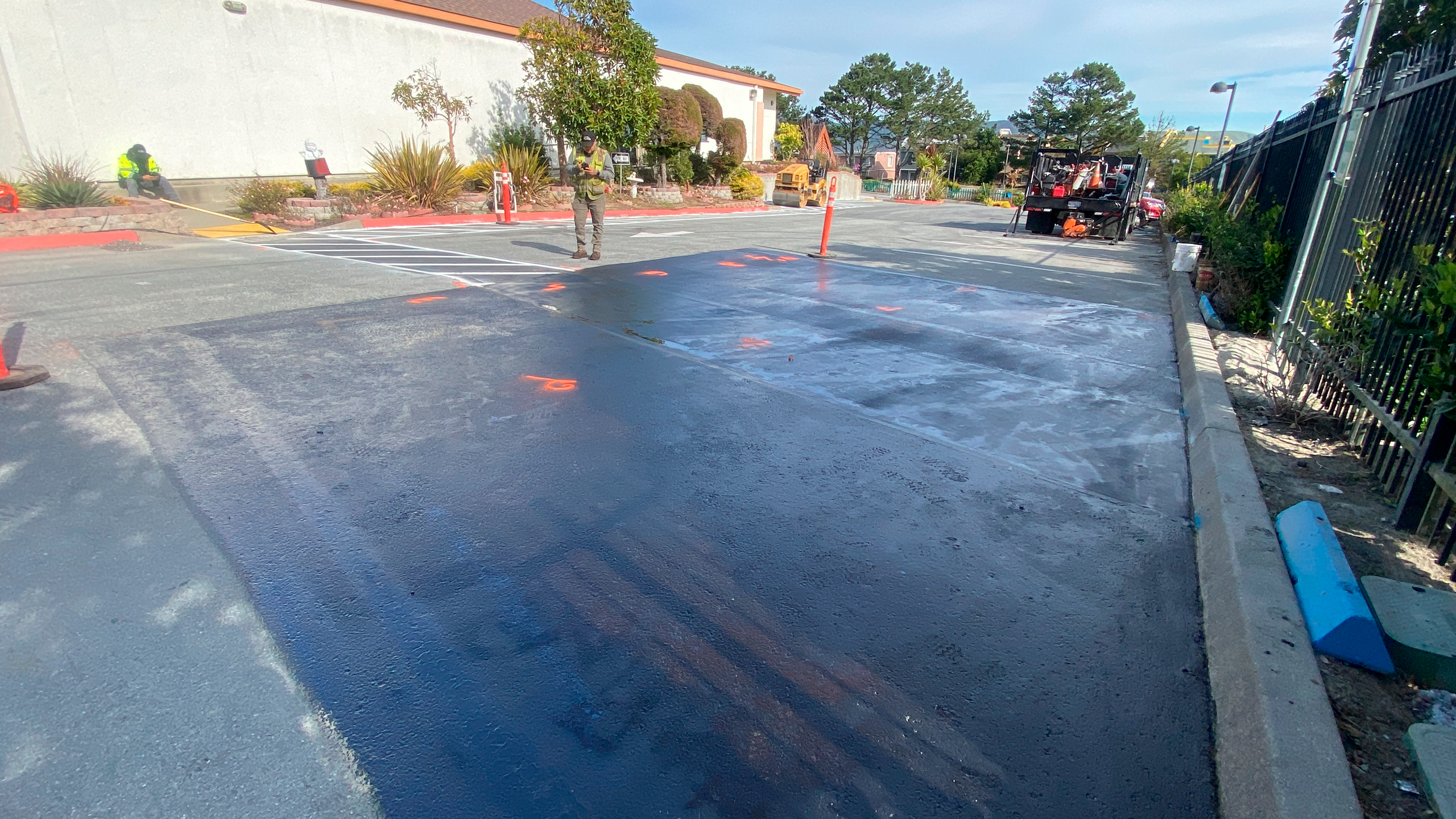
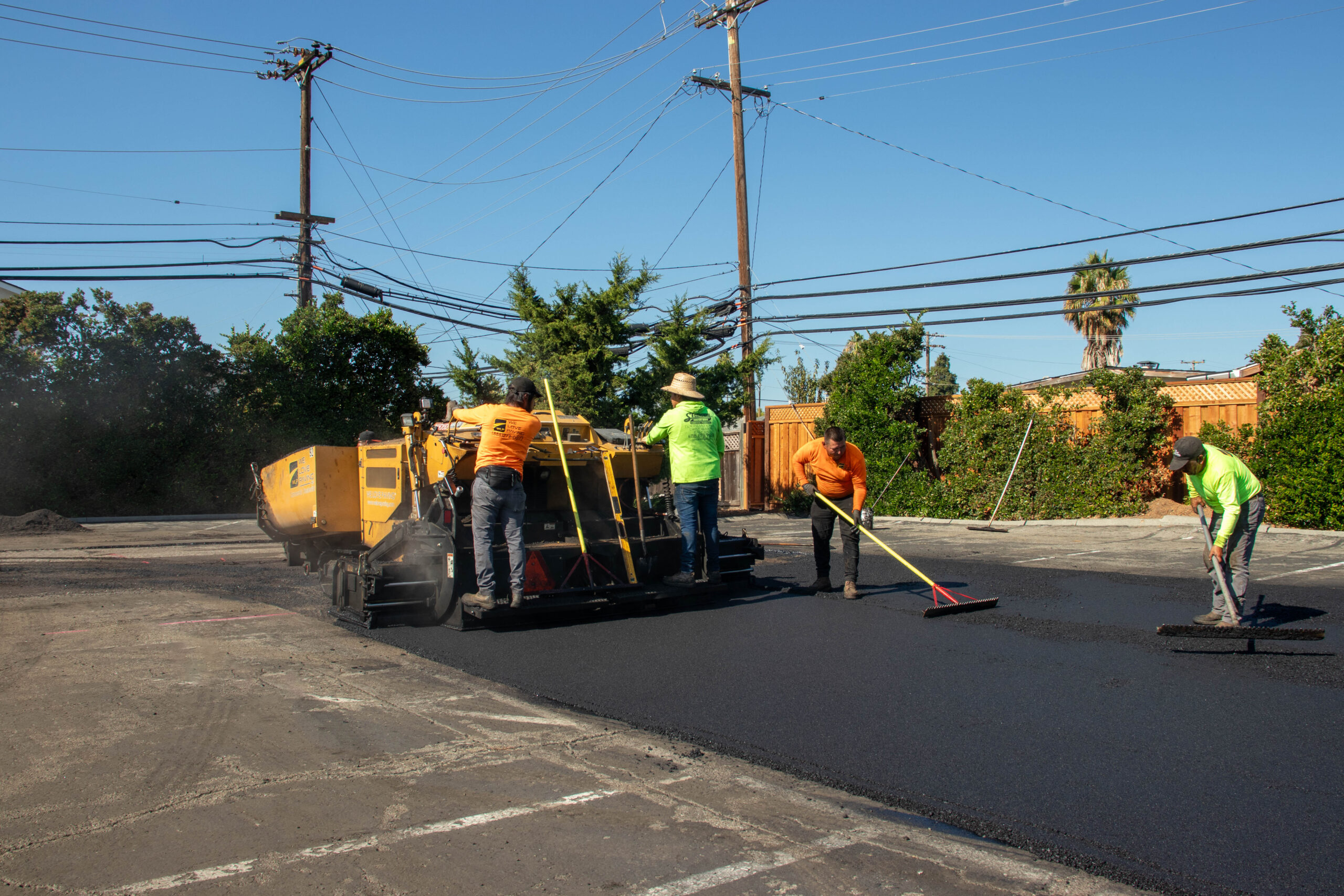
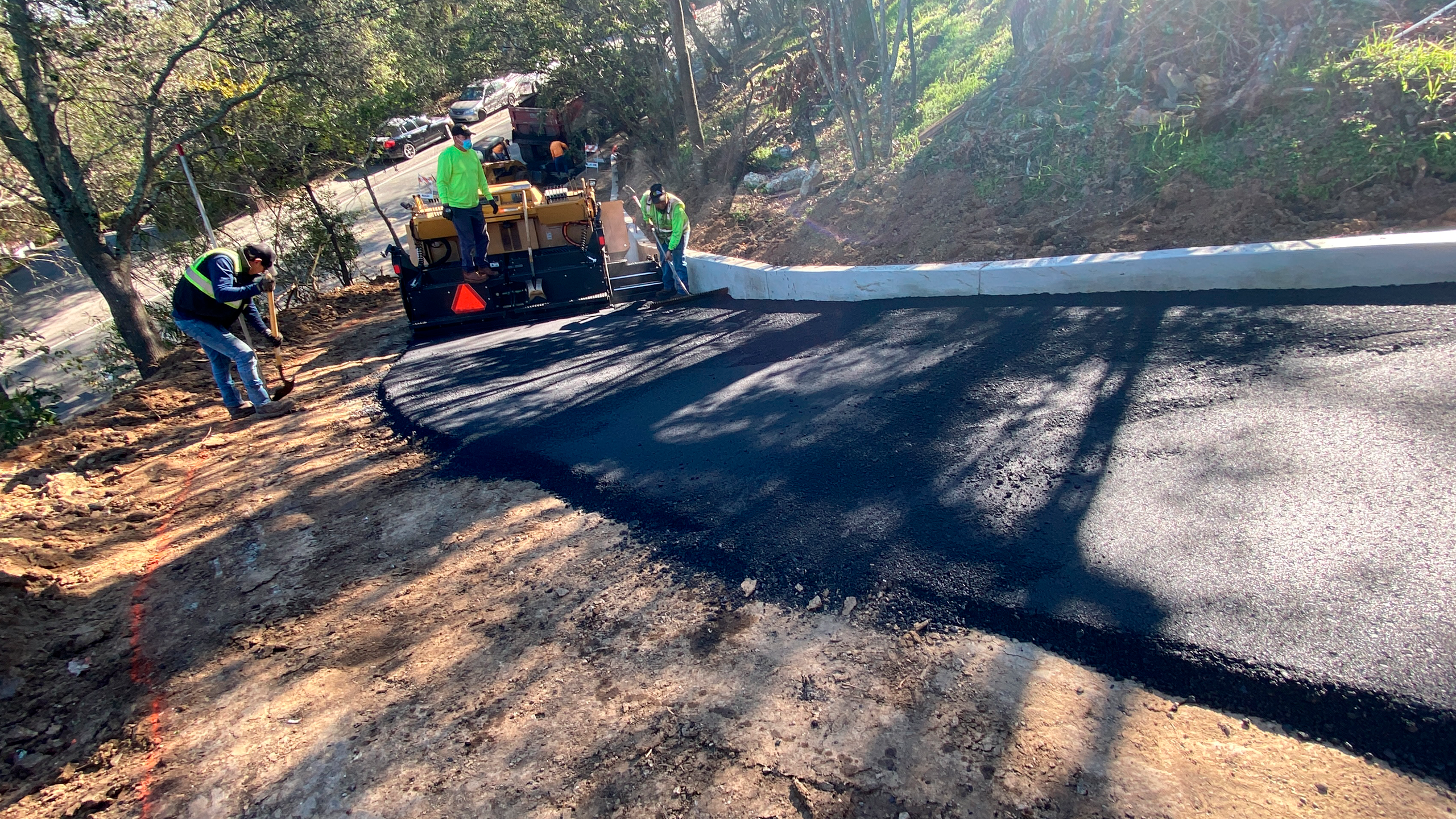
Once the surface is prepared, the new layer of asphalt is applied. This typically involves:
4. Final Inspection and Curing
After the new asphalt layer is installed, a final inspection is conducted to ensure that the surface is smooth, even, and properly compacted. The driveway will then need time to cure, typically 24 to 48 hours before it can be used for foot traffic and a few days before heavy vehicles are allowed.
Potential Challenges and Considerations
While resurfacing an old asphalt driveway is a cost-effective and efficient solution in many cases, there are some potential challenges and considerations to keep in mind:
1. Limited Lifespan
While resurfacing can extend the life of an old driveway, it’s important to note that it may not last as long as a completely new installation. The lifespan of a resurfaced driveway can vary depending on factors such as the condition of the old asphalt, the quality of the resurfacing job, and environmental conditions.
2. Not Suitable for Severely Damaged Driveways
As mentioned earlier, resurfacing is not suitable for driveways with severe structural issues. If the old driveway is extensively damaged or if the base is compromised, resurfacing may only be a temporary fix, and a full replacement may be necessary to achieve a long-lasting solution.
3. Thickness Limitations
The thickness of the new asphalt layer is limited by the existing driveway’s condition and the need for proper drainage. If too thick a layer is applied, it could affect drainage or cause the surface to crack. A professional contractor will assess the appropriate thickness for the resurfacing job.Asphalting over an old asphalt driveway can be a practical and cost-effective solution for improving the appearance and functionality of your driveway. When the existing driveway is structurally sound and only shows minor to moderate surface damage, resurfacing can extend its lifespan, save you money, and enhance your property’s curb appeal.
The Role of Tack Coat in Asphalt-over-Asphalt
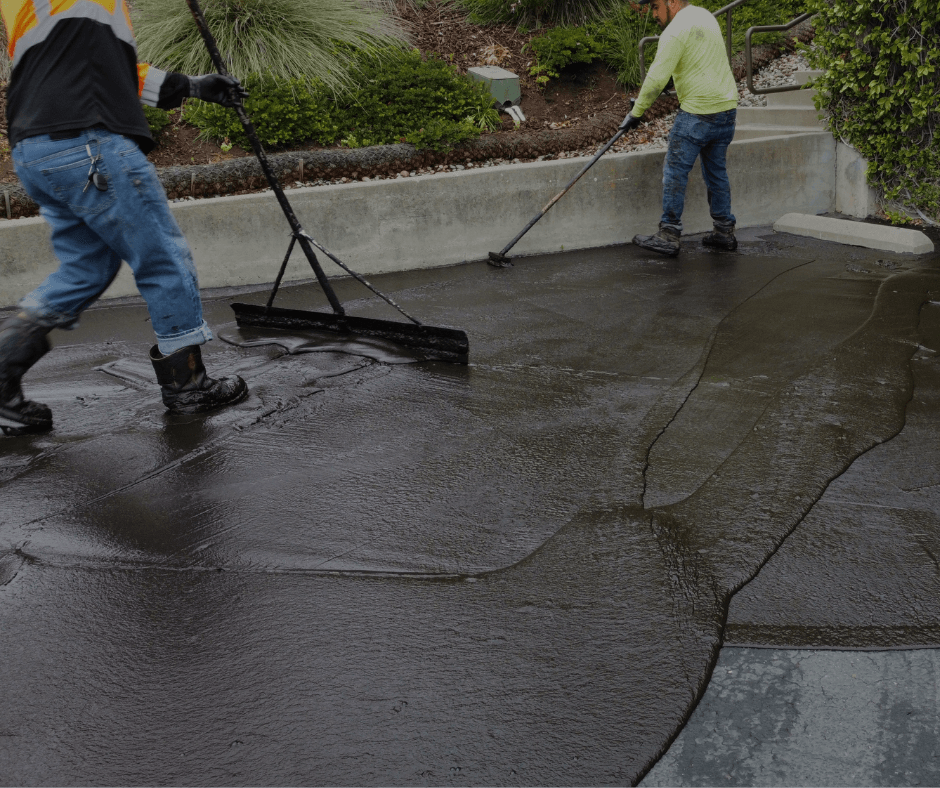
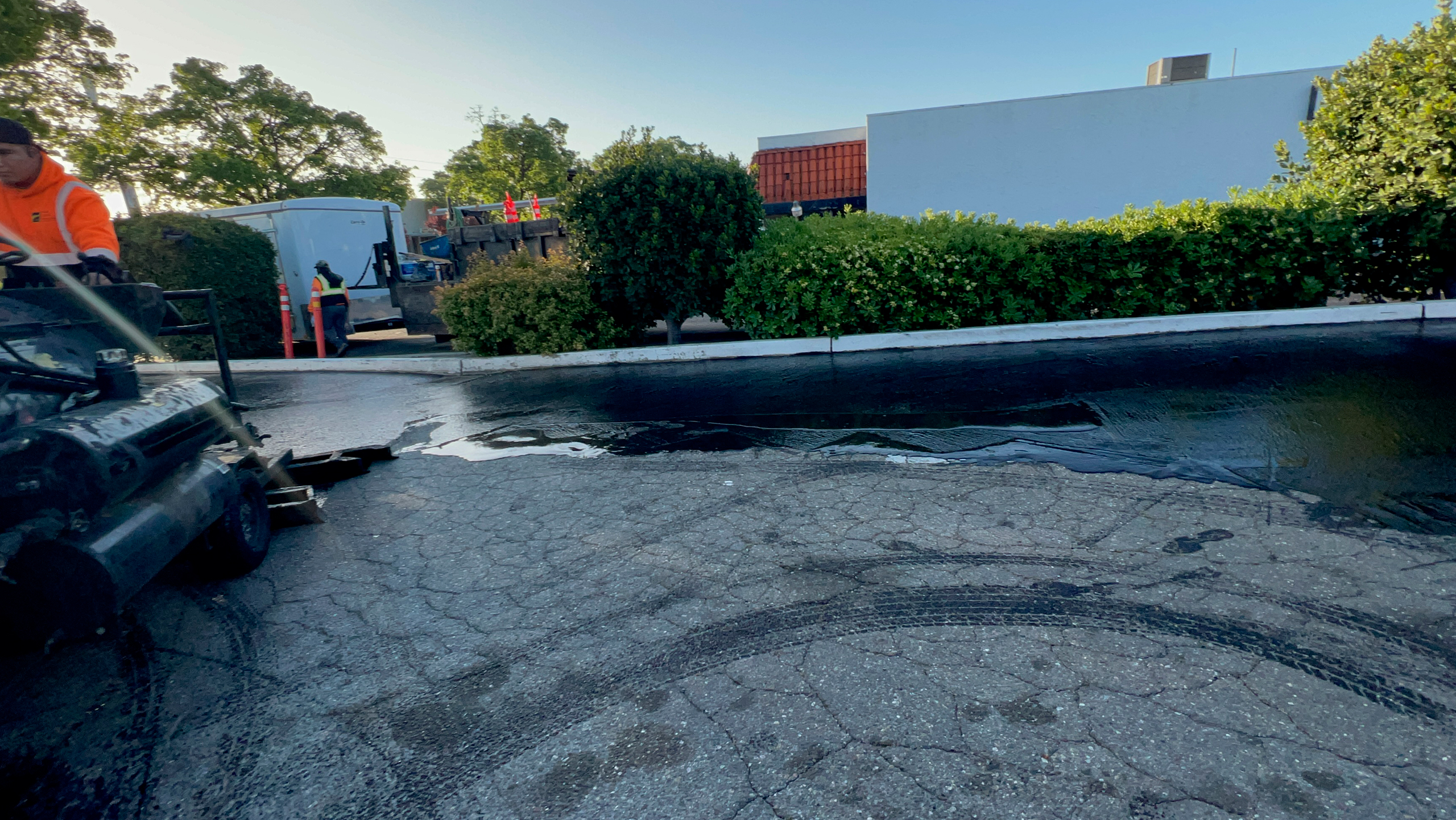
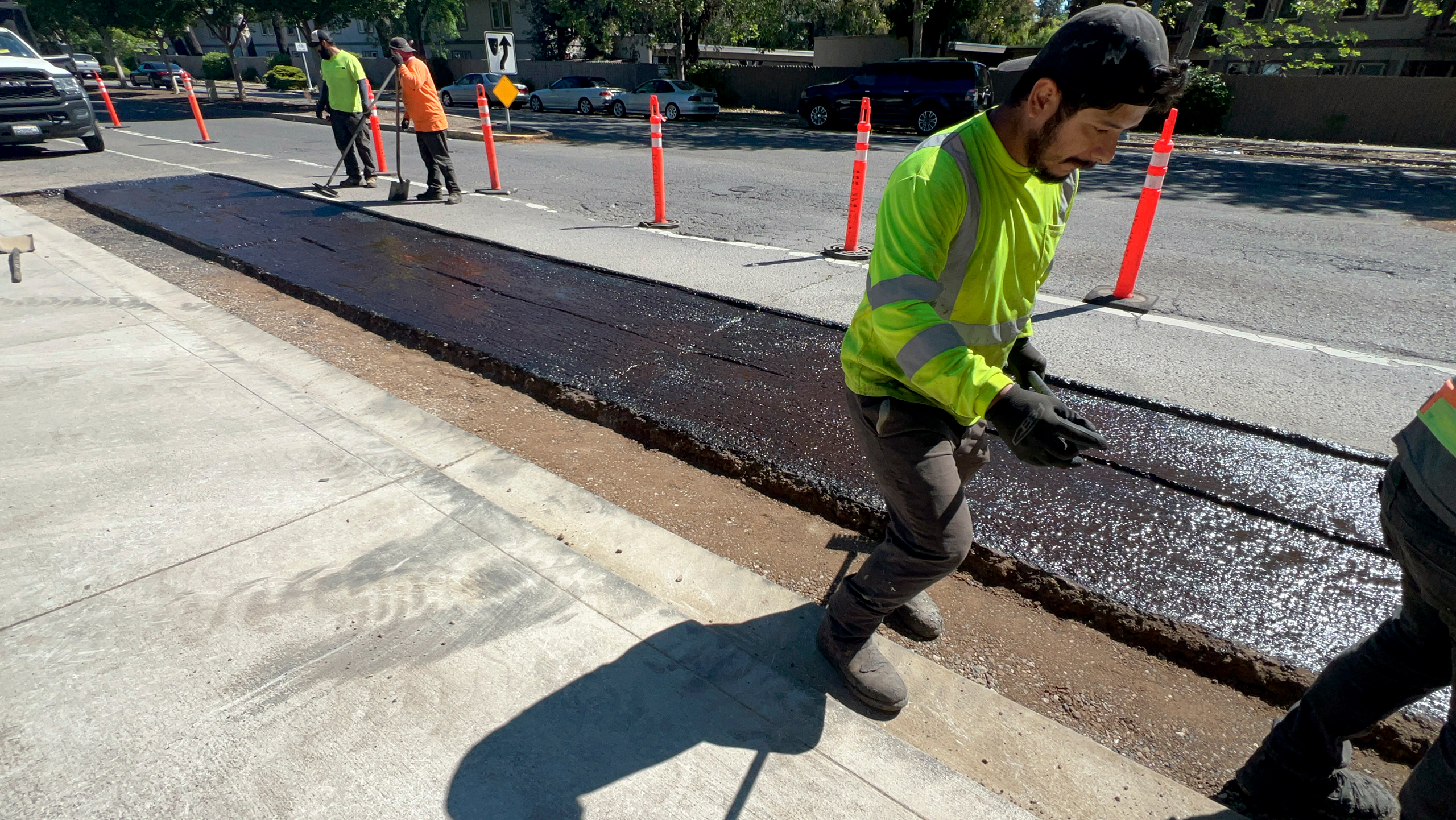
A common mistake in DIY asphalt repair is skipping the tack coat. This liquid asphalt emulsion acts as the “glue” that binds the old surface to the new layer. Without a professional-grade tack coat, the layers will remain separate, leading to “slippage cracks” when cars turn their wheels on the new surface.