CASp Inspections: Your Shield Against Costly ADA Lawsuits in Northern California

Introduction
For Northern California businesses, ADA compliance isn’t just a legal obligation—it’s a critical shield against the region’s rampant litigation. With California accounting for over 40% of ADA lawsuits nationwide, proactive compliance is non-negotiable. Enter CASp inspections: a gold-standard evaluation conducted by Certified Access Specialists to identify and resolve accessibility gaps. In this blog, we’ll explain why CASp inspections are essential, how they protect your business, and why partnering with experts like We Love Paving can save you time, money, and stress.


What is a CASp Inspection?

A CASp (Certified Access Specialist) inspection is a thorough assessment of your property’s compliance with state and federal accessibility standards, including the ADA and California’s stricter Building Code (CBC). Conducted by state-certified specialists, these inspections:

  • Identify physical barriers (e.g., non-compliant ramps, parking, restrooms).

  • Provide actionable steps to achieve compliance.

  • Offer legal protections if your business faces a lawsuit.

For Northern California businesses, a CASp inspection is your first line of defense against predatory lawsuits.


Why Northern California Businesses Need CASp Inspections

  1. Legal Protection

    • California grants businesses a 90-day “grace period” to fix violations post-inspection, reducing liability.

    • A CASp report serves as evidence of your commitment to compliance, discouraging plaintiffs’ attorneys from targeting you.

  2. Avoid Costly Lawsuits

    • Non-compliant businesses face penalties of $4,000 per violation under the Unruh Act, plus legal fees.

    • Example: A San Jose café paid $25,000 in settlements due to a non-compliant restroom and entrance ramp.

  3. Future-Proof Your Property

    • Older buildings in cities like San Francisco and Sacramento often have hidden compliance issues. A CASp inspection ensures your property meets modern standards.

  4. Boost Customer Trust

    • Accessibility isn’t just about lawsuits—it’s about inclusivity. Compliant businesses attract a broader customer base and enhance their reputation.


What Does a CASp Inspection Cover?

A CASp specialist evaluates every aspect of your property’s accessibility, including:

1. Parking Lots

  • Accessible parking space dimensions (8ft wide + 5ft access aisle).

  • Proper signage and van-accessible spaces.

  • Slope gradients (max 1:48 for parking areas).

2. Entrances & Pathways

  • Ramp slopes (max 1:12) and handrail compliance.

  • Doorway widths (min 32 inches clear opening).

  • Smooth, hazard-free pathways (no cracks or uneven pavement).

3. Restrooms

  • Grab bar placement, sink heights, and clear floor space.

  • ADA-compliant stall dimensions.

4. Interior Spaces

  • Counter heights, aisle widths, and accessible seating.

  • Emergency exits and signage visibility.


The CASp Inspection Process

  1. Schedule an Inspection

    • Partner with a state-certified CASp inspector (like We Love Paving’s network of specialists).

  2. On-Site Evaluation

    • The inspector reviews all accessibility features and documents violations with photos/measurements.

  3. Detailed Report

    • Receive a prioritized list of fixes, ranging from minor adjustments (e.g., repainting parking lines) to major renovations (e.g., ramp installations).

  4. Post-Inspection Benefits

    • Legal Safe Harbor: Display your CASp certificate to deter lawsuits.

    • Compliance Roadmap: Use the report to budget and plan repairs.


Common Issues Found in CASp Inspections

  • Parking Lot Failures: Faded striping, missing access aisles, or incorrect signage.

  • Entrance Barriers: Steep ramps, lack of handrails, or doors requiring >5 lbs of force to open.

  • Restroom Violations: Improper toilet seat heights or insufficient turning space.

  • Paving Hazards: Uneven sidewalks, potholes, or tripping risks.

Real-World Example:
A historic Berkeley retail store faced a lawsuit over its cracked, sloped sidewalk. After a CASp inspection, they resurfaced the pavement, installed compliant ramps, and avoided future litigation.


Why Partner with We Love Paving for CASp Compliance?

  1. Expertise in Accessibility Paving

    • We resolve common violations like parking lot slope issues, non-compliant ramps, and hazardous pathways.

  2. Seamless Coordination with CASp Inspectors

    • We work alongside certified specialists to ensure repairs meet exact standards.

  3. Cost-Effective Solutions

    • Proactive fixes are far cheaper than lawsuit settlements. Example: Repainting parking lines costs ~
      500vs.

      20,000+ in legal fees.

  4. Ongoing Maintenance

    • We offer annual paving audits to keep your property compliant as regulations evolve.


FAQs About CASp Inspections

Q: How often should I get a CASp inspection?
A: Inspect your property every 3–5 years or after renovations, ownership changes, or new ADA guidelines.

Q: Does a CASp report expire?
A: No, but updates are recommended if you modify your property or laws change.

Q: Is the CASp report confidential?
A: Yes—unless you choose to use it as evidence in court.


Conclusion
In Northern California’s high-risk legal environment, a CASp inspection is more than a compliance check—it’s an investment in your business’s longevity and reputation. By addressing accessibility gaps early, you avoid lawsuits, foster inclusivity, and demonstrate social responsibility.

Call to Action
Don’t gamble with ADA compliance! Contact We Love Paving today to schedule your CASp inspection and paving repairs.
Why Northern California Businesses Are at Higher Risk for ADA Lawsuits

Introduction
The Americans with Disabilities Act (ADA) ensures equal access for individuals with disabilities, but non-compliance can lead to costly lawsuits. Northern California businesses are particularly vulnerable due to a combination of legal, structural, and cultural factors. This blog explores why these risks are heightened and how proactive measures, including partnering with paving experts like We Love Paving, can protect your business.

1. California’s Stringent State Laws

California enforces stricter accessibility laws than federal ADA requirements. The Unruh Civil Rights Act allows plaintiffs to claim up to $4,000 in damages per violation, incentivizing litigation. Additionally, the California Construction Accessibility Standards (CASp) mandate rigorous compliance, making businesses without CASp certifications easy targets for lawsuits.

2. Older Infrastructure and Historic Buildings

Northern California’s charm lies in its historic architecture, but older buildings often lack modern accessibility features. Retrofitting these structures to meet ADA standards—such as installing compliant ramps, parking spaces, and smooth pathways—can be challenging and costly. Common paving issues like cracked sidewalks, uneven surfaces, and improper slopes frequently trigger lawsuits.

3. High Litigation Rates

California accounts for over 40% of ADA lawsuits nationwide. Northern California, with bustling cities like San Francisco and Sacramento, sees a high volume of “drive-by” lawsuits. Plaintiffs and law firms often target businesses with minor infractions, such as incorrect parking lot signage or insufficient access aisles, to secure quick settlements.

4. Stricter Local Accessibility Standards

Many Northern California cities adopt accessibility codes exceeding federal requirements. For example, San Francisco mandates specific ramp gradients and sidewalk widths. Businesses unaware of these nuances face higher non-compliance risks.

The Role of Paving in ADA Compliance

Paving is critical to accessibility. Key requirements include:

  • Parking Lots: Accessible spaces must be 8 feet wide with a 5-foot access aisle, van-accessible options, and proper signage.

  • Slopes: Ramps and pathways must have a slope ≤1:12 (1 inch of rise per 12 inches length).

  • Surfaces: Pavement must be smooth, without cracks or potholes that could impede wheelchairs.

How Non-Compliant Paving Leads to Lawsuits

  • Example 1: A Sacramento restaurant faced a $20,000 settlement after a lawsuit cited its steep entrance ramp.

  • Example 2: A retail store in San Francisco was sued for uneven sidewalk cracks, creating tripping hazards.

Solutions for Businesses

  • Regular Audits: Schedule annual accessibility reviews to identify issues like deteriorating pavement or faded parking markings.

  • CASp Inspections: Hire state-certified specialists to assess compliance and provide legal defense tools.

  • Partner with Paving Experts: We Love Paving ensures your parking lots, sidewalks, and ramps meet ADA standards. Our services include resurfacing, ramp installation, and accessible parking design.

Conclusion
Northern California’s unique legal and structural landscape increases ADA lawsuit risks, but proactive steps can mitigate them. Investing in compliant paving not only avoids costly litigation but also fosters inclusivity. Contact We Love Paving today for a free consultation to assess your property’s ADA compliance and safeguard your business.

3 Types of Commercial Paving Options for Your Business

When it comes to commercial properties, high-quality paving is essential for functionality, aesthetics, and long-term durability. Choosing the right paving material can impact maintenance costs, safety, and overall curb appeal. Below, we explore three of the most popular commercial paving options and their benefits.

1. Asphalt Paving

Best for: Parking lots, roads, and large commercial areas.

Asphalt is one of the most commonly used paving materials for commercial properties due to its affordability and durability. It provides a smooth surface that enhances safety and allows for easy maintenance.

Benefits:
✔ Cost-effective and quick to install
✔ Flexible material that withstands temperature changes
✔ Easy to repair with sealcoating and patching
✔ Long lifespan with proper maintenance

Ideal for: Businesses looking for an economical yet long-lasting paving solution for high-traffic areas.

2. Concrete Paving

Best for: Sidewalks, driveways, and heavy-load areas.

Concrete is known for its strength and durability, making it a top choice for areas with high vehicle loads or pedestrian traffic. It offers a clean, polished look that enhances a property’s aesthetics.

Benefits:
✔ Extremely durable and long-lasting
✔ Low maintenance compared to asphalt
✔ Resistant to weather and heavy loads
✔ Available in various finishes, including stamped or colored concrete

Ideal for: Commercial properties that require a more refined appearance with minimal long-term maintenance.

3. Permeable Pavers

Best for: Sustainable and eco-friendly commercial projects.

Permeable pavers are designed to allow water to drain through the surface, reducing runoff and promoting natural water filtration. This option is great for businesses focused on sustainability.

Benefits:
✔ Reduces water pooling and runoff issues
✔ Environmentally friendly and promotes groundwater recharge
✔ Enhances aesthetic appeal with customizable designs
✔ Helps in meeting local stormwater management regulations

Ideal for: Green-focused businesses, parking lots with drainage concerns, and properties looking for a modern aesthetic.

Choosing the Right Paving Option

Each of these commercial paving solutions offers unique benefits, depending on your business’s needs. If you need a budget-friendly, high-traffic solution, asphalt may be best. For durability and aesthetics, concrete is a great choice. If sustainability is a priority, permeable pavers are the way to go.

At WELOVEPAVING, we specialize in high-quality commercial paving solutions tailored to your specific needs. Contact us today for a consultation and let’s find the perfect paving option for your property!

📞 Get a Quote Today!

Why Northern California Homeowners Love WeLovePaving for Their Driveway and Hardscaping Needs

When it comes to enhancing your home’s curb appeal and functionality, your driveway and outdoor hardscaping play a crucial role. In Northern California, where the landscape ranges from rolling hills to urban neighborhoods, homeowners are increasingly turning to WeLovePaving for their paving and hardscaping projects. Here’s why WeLovePaving is the go-to choice for Northern California residents looking to transform their outdoor spaces.


1. Expertise in Northern California’s Unique Climate

Northern California’s climate can be unpredictable, with hot, dry summers and rainy winters. This weather can take a toll on driveways and outdoor surfaces, leading to cracks, potholes, and erosion. At WeLovePaving, we understand the specific challenges posed by the region’s climate.

Our team uses high-quality, durable materials that are designed to withstand Northern California’s weather extremes. Whether it’s heat-resistant asphalt for your driveway or permeable pavers to handle heavy rains, we ensure your paving project is built to last.


2. Custom Solutions for Every Home

From the historic charm of Sacramento to the modern aesthetics of the Bay Area, Northern California homes are as diverse as the region itself. At WeLovePaving, we pride ourselves on offering customized paving and hardscaping solutions that complement your home’s architecture and your personal style.

  • Driveways: Choose from a variety of materials, including asphalt, concrete, and decorative pavers, to create a driveway that enhances your home’s curb appeal.

  • Patios and Walkways: Transform your backyard into an outdoor oasis with beautifully designed patios and walkways.

  • Retaining Walls: Perfect for sloped properties, our retaining walls add both functionality and visual appeal to your landscape.


3. Eco-Friendly Paving Options

Northern California homeowners are increasingly conscious of their environmental impact. That’s why WeLovePaving offers eco-friendly paving options that are both sustainable and stylish.

  • Permeable Pavers: These allow rainwater to seep through, reducing runoff and helping to recharge groundwater.

  • Recycled Materials: We use recycled asphalt and concrete to minimize waste and reduce the carbon footprint of your project.

  • Energy-Efficient Designs: Our team can incorporate features like cool pavements, which reflect more sunlight and reduce heat absorption, keeping your property cooler during hot summers.


4. Boosting Property Value

Investing in a well-paved driveway or a beautifully designed hardscape isn’t just about aesthetics—it’s also a smart financial decision. In Northern California’s competitive real estate market, a professionally paved driveway or a stunning patio can significantly increase your home’s value.

According to recent studies, paving and hardscaping projects can yield a return on investment (ROI) of up to 70%. Whether you’re planning to sell your home or simply want to enjoy the benefits of a upgraded outdoor space, WeLovePaving can help you achieve your goals.


5. Serving Northern California Communities

WeLovePaving is proud to serve homeowners across Northern California, including:

  • Sacramento

  • San Francisco Bay Area

  • Napa Valley

  • Sonoma County

  • Silicon Valley

  • Chico and Redding

No matter where you’re located, our team is committed to delivering top-notch service and exceptional results.


6. Customer-Centric Approach

At WeLovePaving, we believe that every project should be a seamless and stress-free experience for our clients. From the initial consultation to the final walkthrough, our team is dedicated to:

  • Providing transparent pricing and detailed estimates.

  • Using the latest technology and techniques to ensure precision and efficiency.

  • Delivering projects on time and within budget.

Our satisfied customers across Northern California are a testament to our commitment to excellence.


7. Get Started with WeLovePaving Today

Ready to transform your driveway or outdoor space? Contact WeLovePaving today to schedule a free consultation. Our team will work with you to design a paving or hardscaping solution that meets your needs and exceeds your expectations.

Whether you’re in Sacramento, San Jose, or anywhere in between, WeLovePaving is here to help you create the outdoor space of your dreams. Let’s pave the way to a more beautiful and functional home!


ADA Compliance for Paving: A Northern California Business Owner’s Guide to Accessibility

As a business owner in Northern California, creating an inclusive and accessible environment is not just a legal requirement—it’s a smart business decision. With some of the most stringent accessibility laws in the country, Northern California demands that businesses go above and beyond to ensure their properties are welcoming to everyone, including individuals with disabilities. At We Love Paving, we specialize in helping business owners like you achieve ADA compliance through expert paving solutions. Here’s everything you need to know about ADA compliance for paving and how it can benefit your business.


Why ADA Compliance is Critical for Northern California Businesses

Northern California is a hub of diversity and inclusivity, and its accessibility laws reflect this commitment. The Americans with Disabilities Act (ADA) sets federal standards, but cities like San Francisco, Sacramento, and San Jose have additional local regulations that often exceed federal requirements. Non-compliance can result in costly lawsuits, fines, and damage to your business’s reputation. More importantly, ensuring your property is accessible demonstrates your commitment to serving all customers, which can enhance customer loyalty and attract a broader audience.


Key ADA Requirements for Business Paving Projects

Here are the essential ADA requirements for paving projects that every Northern California business owner should know:

1. Accessible Pathways

  • Width: Pathways must be at least 36 inches wide, with 48 inches recommended in high-traffic areas.

  • Slope: The maximum slope for pathways is 1:20 (5%). For ramps, the slope must not exceed 1:12 (8.33%).

  • Surface: Paved surfaces must be stable, firm, and slip-resistant. Textured concrete or asphalt is ideal for meeting these requirements.

2. Parking Lot Accessibility

  • Accessible Spaces: Northern California requires at least one accessible parking space for every 25 spaces. These spaces must be at least 8 feet wide with a 5-foot access aisle.

  • Van-Accessible Spaces: For every six accessible spaces, one must be van-accessible, with an 8-foot-wide space and an 8-foot-wide access aisle.

  • Signage: Accessible spaces must be marked with the International Symbol of Accessibility and located close to building entrances.

3. Curb Ramps

  • Location: Curb ramps must be installed wherever a sidewalk crosses a curb.

  • Width: Ramps should be at least 36 inches wide.

  • Detectable Warnings: Northern California requires truncated dome surfaces at curb ramps to alert visually impaired individuals of potential hazards.

4. Crosswalks and Pedestrian Pathways

  • Contrasting Colors: Crosswalks and pedestrian pathways must use contrasting colors or textures to help visually impaired individuals identify safe walking areas.

  • Smooth Transitions: Ensure there are no abrupt changes in elevation, as these can create tripping hazards.

5. Maintenance and Repairs

  • Even minor issues like cracks, potholes, or uneven surfaces can create barriers for individuals with disabilities. Regular maintenance is critical to maintaining compliance and ensuring safety.


The Business Benefits of ADA-Compliant Paving

Investing in ADA-compliant paving isn’t just about avoiding legal issues—it’s about creating a positive experience for your customers and enhancing your business’s reputation. Here’s how ADA-compliant paving can benefit your business:

  1. Increased Customer Base: Accessible spaces attract customers with disabilities, as well as their families and friends, expanding your potential customer base.

  2. Improved Customer Satisfaction: A well-designed, accessible property shows that you care about all your customers, fostering loyalty and positive word-of-mouth.

  3. Enhanced Property Value: ADA-compliant paving improves your property’s functionality and curb appeal, increasing its overall value.

  4. Legal Protection: Compliance reduces the risk of lawsuits and fines, giving you peace of mind.


How We Love Paving Helps Northern California Businesses

At We Love Paving, we understand the unique challenges and opportunities that Northern California businesses face. Here’s how we can help you achieve ADA compliance:

  1. Expert Consultation: We assess your property and provide tailored recommendations to meet ADA and local accessibility requirements.

  2. Custom Design: Whether you need an accessible parking lot, walkway, or ramp, we design solutions that blend functionality with aesthetic appeal.

  3. Quality Materials: We use high-quality, slip-resistant materials that meet Northern California’s rigorous standards for durability and safety.

  4. Local Expertise: Our team is familiar with Northern California’s accessibility laws, including city-specific requirements in San Francisco, Sacramento, and beyond.

  5. Ongoing Maintenance: We offer maintenance services to keep your paved surfaces in top condition and prevent compliance issues.


Conclusion

For Northern California business owners, ADA compliance is more than just a legal obligation—it’s an opportunity to create a welcoming and inclusive environment for all customers. By investing in ADA-compliant paving, you can enhance your property’s functionality, improve customer satisfaction, and protect your business from legal risks.

At We Love Paving, we’re proud to help Northern California businesses achieve ADA compliance with paving solutions that combine functionality, durability, and beauty. Ready to make your property more accessible? Contact us today for a free consultation and let us help you create a paving solution that meets your needs and exceeds your expectations.

ADA Compliance for Paving in California: A Guide to Accessible and Inclusive Surfaces

In California, accessibility isn’t just a legal requirement—it’s a core value. The state is known for its progressive approach to inclusivity, and this extends to paving projects for homes, businesses, and public spaces. Whether you’re installing a new driveway, updating a parking lot, or constructing a walkway, ensuring ADA compliance is essential. At We Love Paving, we specialize in creating paving solutions that meet California’s stringent accessibility standards while enhancing the beauty and functionality of your property. Here’s everything you need to know about ADA compliance for paving in California.


What is ADA Compliance and Why Does It Matter in California?

The Americans with Disabilities Act (ADA) is a federal law that prohibits discrimination against individuals with disabilities. It sets specific standards for accessible design, including requirements for paved surfaces like sidewalks, parking lots, ramps, and pathways. These standards ensure that people with disabilities can navigate spaces safely and independently.

In California, ADA compliance is taken a step further. The state has its own accessibility laws, such as the California Building Code (CBC) and the Unruh Civil Rights Act, which often exceed federal ADA requirements. For property owners and businesses, this means adhering to some of the most rigorous accessibility standards in the country. Non-compliance can result in costly lawsuits, fines, and reputational damage. More importantly, creating accessible spaces reflects a commitment to inclusivity and ensures that everyone, regardless of ability, can enjoy your property.


Key ADA Requirements for Paving Projects in California

Here are the essential ADA requirements to keep in mind for your paving projects in California:

1. Accessible Pathways

  • Width: Pathways must be at least 36 inches wide to accommodate wheelchairs and mobility devices. In high-traffic areas, a width of 48 inches is recommended.

  • Slope: The maximum slope for pathways is 1:20 (5%). For ramps, the slope must not exceed 1:12 (8.33%).

  • Surface: Paved surfaces must be stable, firm, and slip-resistant. Materials like textured concrete or asphalt are ideal for meeting these requirements.

2. Parking Lot Accessibility

  • Accessible Parking Spaces: California requires at least one accessible parking space for every 25 spaces in a parking lot. These spaces must be at least 8 feet wide with an adjacent 5-foot access aisle.

  • Van-Accessible Spaces: For every six accessible spaces, one must be van-accessible, with an 8-foot-wide space and an 8-foot-wide access aisle.

  • Signage: Accessible spaces must be marked with the International Symbol of Accessibility and located close to building entrances.

3. Curb Ramps

  • Location: Curb ramps must be installed wherever a sidewalk crosses a curb.

  • Width: Ramps should be at least 36 inches wide.

  • Detectable Warnings: California requires truncated dome surfaces at curb ramps to alert visually impaired individuals of potential hazards.

4. Crosswalks and Pedestrian Pathways

  • Contrasting Colors: Crosswalks and pedestrian pathways must use contrasting colors or textures to help visually impaired individuals identify safe walking areas.

  • Smooth Transitions: Ensure there are no abrupt changes in elevation, as these can create tripping hazards.

5. Maintenance and Repairs

  • Even minor issues like cracks, potholes, or uneven surfaces can create barriers for individuals with disabilities. Regular maintenance is critical to maintaining compliance and ensuring safety.


Why ADA Compliance is Especially Important in California

California is a leader in accessibility and inclusivity, and the state’s laws reflect this commitment. For businesses, ADA-compliant paving is not just about avoiding legal issues—it’s about creating a welcoming environment for all customers. For homeowners, it ensures that your property is accessible to family members, friends, and visitors with disabilities.

In addition to state and federal laws, many California cities have their own accessibility requirements. For example, San Francisco, Los Angeles, and San Diego have specific guidelines for public and private properties. Working with a paving company that understands these local regulations is essential.


How We Love Paving Ensures ADA Compliance in California

At We Love Paving, we’re passionate about creating accessible, durable, and beautiful paved surfaces. Here’s how we help our clients in California achieve ADA compliance:

  1. Expert Consultation: We assess your property and provide tailored recommendations to meet ADA and California Building Code requirements.

  2. Custom Design: Whether you need an accessible driveway, parking lot, or walkway, we design solutions that blend functionality with aesthetic appeal.

  3. Quality Materials: We use high-quality, slip-resistant materials that meet California’s rigorous standards for durability and safety.

  4. Local Expertise: Our team is familiar with California’s accessibility laws, including city-specific requirements, ensuring your project is fully compliant.

  5. Ongoing Maintenance: We offer maintenance services to keep your paved surfaces in top condition and prevent compliance issues.


Conclusion

In California, ADA compliance is more than just a legal obligation—it’s an opportunity to create spaces that are inclusive, safe, and welcoming for everyone. Whether you’re a business owner, property manager, or homeowner, ensuring your paving projects meet ADA standards is a smart investment in your property’s value and your community’s well-being.

At We Love Paving, we’re proud to serve California with ADA-compliant paving solutions that combine functionality, durability, and beauty. Ready to make your property more accessible? Contact us today for a free consultation and let us help you create a paving solution that meets your needs and exceeds your expectations.

The Top Benefits of Choosing Professional Paving Services for Your Home

When it comes to enhancing your property, few things make as big of an impact as a well-designed and properly installed paved surface. Whether it’s a driveway, walkway, patio, or parking area, paving not only boosts curb appeal but also adds functionality and value to your home. While some homeowners may consider DIY paving to save money, the truth is that professional paving services offer unmatched benefits. At We Love Paving, we’re here to explain why hiring experts is the best choice for your paving needs.


1. Superior Quality and Durability

Professional paving contractors have the experience, skills, and tools to ensure your pavement is built to last. They understand the nuances of different materials, such as asphalt, concrete, or interlocking pavers, and know how to prepare the base properly to prevent issues like cracking, sinking, or uneven surfaces. With professional installation, you can trust that your paved area will withstand heavy use and harsh weather conditions for years to come.


2. Time and Cost Efficiency

While DIY paving might seem like a cost-effective option, it often leads to costly mistakes and wasted materials. Professionals work efficiently, completing projects on time and within budget. They also have access to high-quality materials at competitive prices, saving you money in the long run. Plus, their expertise ensures the job is done right the first time, eliminating the need for expensive repairs down the line.


3. Custom Design and Aesthetic Appeal

One of the biggest advantages of hiring professional pavers is the ability to create a custom design that complements your home’s architecture and landscape. Whether you want a sleek modern driveway, a rustic cobblestone walkway, or a decorative patio, professionals can bring your vision to life. They can also recommend the best materials, colors, and patterns to achieve the look you desire while ensuring functionality.


4. Proper Drainage and Foundation Preparation

A common issue with DIY paving projects is improper drainage, which can lead to water pooling, erosion, or damage to the pavement. Professional pavers assess your property’s drainage needs and prepare the foundation correctly to ensure water flows away from the surface. This not only extends the lifespan of your pavement but also protects your home’s foundation and landscaping.


5. Increased Property Value

A well-paved driveway or outdoor space significantly enhances your home’s curb appeal and market value. Potential buyers are more likely to be impressed by a professionally installed, aesthetically pleasing pavement than a DIY project that may look uneven or poorly constructed. Investing in professional paving services is a smart way to increase your property’s resale value.


6. Compliance with Local Regulations

Professional paving companies are familiar with local building codes and regulations. They ensure your project meets all requirements, including permits, zoning laws, and environmental guidelines. This saves you the hassle of navigating complex legalities and avoids potential fines or delays.


7. Long-Term Maintenance and Support

Reputable paving companies, like We Love Paving, often provide maintenance services to keep your pavement in top condition. From sealcoating to crack repairs, they offer solutions to extend the life of your investment. Additionally, many professionals offer warranties on their work, giving you peace of mind knowing your pavement is protected.


Conclusion

Choosing professional paving services is an investment in your home’s beauty, functionality, and value. From expert installation and custom designs to long-term durability and maintenance, the benefits far outweigh the costs. At We Love Paving, we’re committed to delivering exceptional results that exceed your expectations. Whether you’re planning a new driveway, patio, or walkway, trust our team to bring your vision to life with precision and care.

Ready to transform your property? Contact We Love Paving today for a free consultation and let us help you create the perfect paved space for your home!

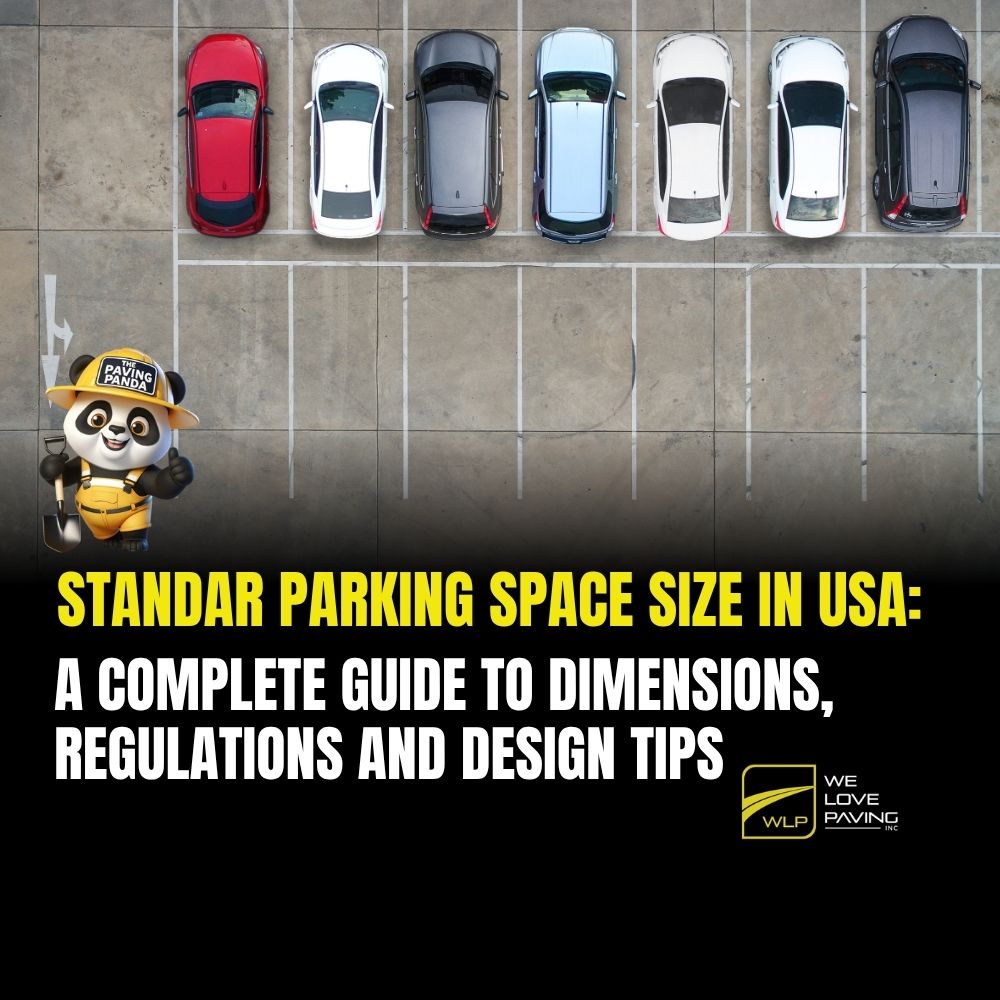
Standard Parking Space Size in USA: A Complete Guide to Dimensions, Regulations, and Design Tips

Whether you’re designing a parking lot, renovating a commercial property, or simply curious, understanding standard parking space sizes is critical for safety, compliance, and efficiency. Parking spaces that are too small frustrate drivers, while oversized ones waste valuable real estate. In this guide, we’ll break down standard parking space dimensions (in feet), key regulations, and expert tips to optimize your layout.


What Is the Standard Parking Space Size?

In the U.S., the minimum standard parking space size is 9 feet wide by 18 feet long for perpendicular (90-degree) parking. However, dimensions vary based on location, vehicle type, and regional building codes. Here’s a quick reference:

Parking Type Width (ft) Length (ft) Total Area (sq. ft)
Standard Perpendicular 9 18 162
Angled Parking (60°) 9 20 180
Compact Cars 8 16 128
ADA-Compliant Spaces 8 18* 144 + 60 (access aisle)
Truck/Trailer Spaces 12 40+ 480+

*ADA spaces require an adjacent 5-foot-wide access aisle.


Factors That Influence Parking Space Dimensions

1. Local Building Codes

Municipalities set minimum parking space sizes. For example:

  • New York City: 8.5’ x 23’ for parallel parking.

  • Los Angeles: 9’ x 18’ for standard perpendicular spaces.

  • International Variations: In Europe, spaces average 8.2’ x 16.4’ due to smaller vehicles.

Always check local regulations before finalizing designs.

2. Angled vs. Perpendicular Parking

  • Angled Parking (30°–60°)
    Easier for drivers to enter/exit but requires more aisle space.

    • 60° Angle: 20’ length, 12’ aisle width.

    • 45° Angle: 19’ length, 14’ aisle width.

  • Parallel Parking
    Common in urban areas, with spaces averaging 8’ x 22’.

3. Vehicle Type

  • Compact Cars: 8’ x 16’ (common in garages or dense areas).

  • SUVs/Trucks: 10’ x 20’ (increasingly popular due to larger vehicles).

  • ADA Spaces: 8’ x 18’ with a 5’ access aisle (mandatory under the Americans with Disabilities Act).

4. Aisle Width

Aisles must accommodate turning radii. For perpendicular parking:

  • One-Way Aisles: 12’–18’ wide.

  • Two-Way Aisles: 20’–24’ wide.


ADA-Compliant Parking Space Requirements

The ADA mandates strict guidelines for accessible parking:

  • Van-Accessible Spaces: 11’ wide + 5’ aisle (for wheelchair lifts).

  • Standard Accessible Spaces: 8’ wide + 5’ aisle.

  • Slope: Maximum 1:48 (2%) gradient for accessibility.

  • Signage: Clearly marked with the International Symbol of Accessibility.

At least 1 in 6 accessible spaces must be van-accessible.


Common Parking Layout Mistakes to Avoid

  1. Ignoring Aisle Space: Tight aisles cause collisions and frustration.

  2. Overlooking Curb Cuts: Ensure smooth transitions for wheelchairs and carts.

  3. Poor Drainage: Sloped spaces should direct water away from vehicles.

  4. Inadequate Lighting: Dark lots increase safety risks.

  5. Mixing Compact/Standard Sizes: Drivers often ignore “Compact Only” signs, leading to overcrowding.


5 Tips to Optimize Parking Lot Design

  1. Use Angled Parking for High Traffic: 45°–60° layouts improve flow in retail or office lots.

  2. Stagger Compact Spaces: Group them in less desirable areas (e.g., far from entrances).

  3. Add Green Space: Incorporate islands with trees or shrubs to reduce heat and runoff.

  4. Plan for EV Chargers: Allocate 12’ x 20’ spaces for electric vehicles with chargers.

  5. Test with Software: Tools like AutoCAD or ParkCAD simulate traffic patterns and space efficiency.


FAQs About Parking Space Sizes

Q: Can parking spaces be smaller for compact cars?
A: Yes, but local codes often require a portion of spaces to be compact (e.g., 8’ x 16’).

Q: How much space is needed for a parking lot?
A: A 100-space lot with standard 9’x18’ stalls and 24’ aisles requires ~32,400 sq. ft (0.75 acres).

Q: Are parking space sizes increasing?
A: Yes! Many lots now use 10’x20’ spaces to accommodate SUVs and trucks.

Q: What’s the minimum parking space size in the UK?
A: 8.2’ x 16.4’ for off-street parking, per UK guidelines.

Q: Do bike racks count toward parking requirements?
A: Some cities allow bike parking to offset vehicle space mandates.


Why Professional Design Matters

Poorly planned parking lots lead to accidents, wasted space, and non-compliance fines. At We Love Paving, we combine civil engineering expertise with local code knowledge to design lots that are:

  • Safe: Clear signage, lighting, and ADA compliance.

  • Efficient: Maximized space without compromising accessibility.

  • Durable: High-quality asphalt or concrete for long-term use.


Need a Parking Lot Designed or Resurfaced?

Don’t leave your layout to chance! Whether you’re building a new lot or updating an existing one, We Love Paving ensures every inch meets legal standards and driver needs.

Contact us today for a consultation—we’ll measure, plan, and execute a parking solution that works smarter, not harder.

Parking Aisle Width and Design (2025 Update)

When planning a parking lot, aisle width is just as important as space size.
The aisle allows vehicles to safely maneuver between rows and determines whether the layout is one-way or two-way.

Layout Type Aisle Width (Feet) Recommended Parking Angle Description
One-way (45°) 12–14 ft 45° Common in commercial lots; maximizes space efficiency
One-way (60°) 16–18 ft 60° Easier vehicle maneuvering and visibility
Two-way (90°) 22–26 ft 90° Standard for large lots and high-traffic areas
ADA-Accessible Aisles +5 ft to adjacent space 90° Must allow wheelchair clearance per ADA standards

Pro tip:
For high-traffic commercial lots, consider angled one-way layouts — they reduce congestion and improve flow efficiency by up to 20%.


📏 H3: How to Determine Ideal Parking Aisle Width

  1. Measure the turning radius of your most common vehicle type.

  2. Check your local city’s minimum width requirements (varies from 12–26 ft).

  3. Ensure clear signage for “ONE WAY” or “TWO WAY” movement.

  4. Include drainage slope (1–2%) for proper runoff.

ADA Compliance for Parking Aisles

Under ADA guidelines:

  • Aisles next to accessible spaces must provide at least 60 inches (5 ft) of clearance.

  • Surface must be flat, slip-resistant, and connected to an accessible route.

  • Marked with cross-hatching or paint contrast for visibility.

📎 Learn more: ADA Parking Requirements California

How to Maintain Your Asphalt Driveway: Expert Tips to Extend Its Lifespan

A well-installed asphalt driveway can last 15–25 years—but only with proper care. Cracks, potholes, and fading aren’t just eyesores; they’re signs of deterioration that can lead to costly repairs or premature replacement. Whether you’ve recently installed a new driveway or inherited an aging one, this guide will walk you through essential maintenance steps, common pitfalls to avoid, and expert insights to keep your asphalt looking and performing like new.


Why Asphalt Driveway Maintenance Matters

Asphalt is a cost-effective, durable material, but it’s not invincible. Exposure to UV rays, moisture, temperature swings, and heavy vehicles can weaken its structure over time. Regular maintenance:

  • Prevents Water Damage: Cracks allow water to seep into the base layer, causing erosion and potholes.

  • Saves Money: Addressing small cracks early avoids expensive repairs later.

  • Boosts Curb Appeal: A smooth, jet-black driveway elevates your home’s exterior.

  • Extends Lifespan: Proper care can add 5–10 years to your driveway’s life.


6 Essential Asphalt Maintenance Steps

1. Clean Regularly

Debris like leaves, dirt, and oil stains trap moisture and accelerate wear.

  • Sweep Weekly: Use a stiff broom or leaf blower.

  • Pressure Wash Annually: Removes deep-seated grime and stains (use a low setting to avoid damaging the surface).

  • Treat Oil Stains: Apply a degreaser or kitty litter to absorb spills promptly.

2. Sealcoat Every 2–3 Years

Sealcoating is the #1 way to protect asphalt from UV rays, chemicals, and water.

  • Cost:
    0.15

    0.25 per square foot (DIY kits cost
    50

    100 but lack professional durability).

  • Best Time: Late spring or early fall (dry, 50°F+ weather).

  • Signs You Need It: Fading color, small cracks, or rough texture.

3. Repair Cracks Immediately

Small cracks (less than ¼ inch) can be fixed with a rubberized crack filler. Larger cracks or alligatoring (web-like patterns) require professional patching.

  • DIY Crack Filling: Clean cracks, apply filler, and smooth with a putty knife (
    10

    20 per gallon).

  • Professional Repair: For cracks wider than ½ inch, contractors use hot-pour asphalt (
    1

    3 per linear foot).

4. Address Potholes Promptly

Potholes form when water expands and contracts under the asphalt surface.

  • Temporary Fix: Use cold-patch asphalt from a hardware store (
    5

    10 per bag).

  • Permanent Solution: Pros excavate the damaged area, replace the base, and compact new asphalt (
    50

    300 per pothole).

5. Ensure Proper Drainage

Water pooling on your driveway? Redirect it to prevent foundation damage:

  • Regrade Slopes: Ensure a 2% slope away from your home.

  • Install French Drains or Trench Drains: Redirect water to storm drains or gardens.

6. Avoid Heavy Loads and Sharp Objects

  • Limit Weight: RVs, dumpsters, or construction equipment can dent or crack asphalt.

  • Use Caution with Snow Removal: Metal shovels or picks gouge the surface—opt for plastic tools.

  • Avoid Chemical Deicers: Salt and chloride-based melts erode asphalt; use sand for traction instead.


Seasonal Asphalt Care Checklist

Season Maintenance Tasks
Spring – Inspect for winter damage (cracks/potholes)
– Sealcoat if needed
– Clean gutters to prevent overflow
Summer – Fill new cracks
– Pressure wash stains
– Trim nearby trees to reduce debris
Fall – Clear leaves
– Apply sealant before winter
– Check drainage systems
Winter – Shovel snow promptly
– Avoid deicing chemicals
– Limit parking on the driveway if possible

When to Call a Professional

While DIY fixes work for minor issues, hire a paving contractor for:

  • Large Potholes or Alligator Cracking: Indicates base layer failure.

  • Drainage Problems: Improper grading requires heavy machinery.

  • Resurfacing or Overlays: Restoring a severely worn driveway (
    3

    7 per square foot).

  • Full Replacement: If over 25% of the surface is damaged, replacement is more cost-effective.


Cost of Neglecting Your Asphalt Driveway

Ignoring maintenance leads to:

  1. Potholes: Repair costs jump from
    50(DIY)to

    4,000+ (full replacement).

  2. Foundation Damage: Water seepage can crack your home’s foundation (
    5,000

    15,000 to fix).

  3. Reduced Property Value: A damaged driveway can lower home value by 10–15%.


FAQs About Asphalt Driveway Maintenance

Q: How soon should I sealcoat a new asphalt driveway?
A: Wait 6–12 months for the asphalt to fully cure before sealcoating.

Q: Can I park on my driveway after sealcoating?
A: Avoid parking for 24–48 hours to let the sealant cure.

Q: Why is my asphalt driveway turning gray?
A: UV exposure oxidizes the surface—sealcoating restores the rich black color.

Q: How long does crack filler last?
A: 1–3 years, depending on weather and traffic.

Q: Can asphalt driveways be recycled?
A: Yes! Old asphalt is 100% recyclable and often reused in new pavements.


Why Trust We Love Paving with Your Driveway Maintenance?

  • Preventive Maintenance Plans: Custom schedules to fit your budget and needs.

  • Advanced Repair Techniques: Infrared patching for seamless fixes.

  • Eco-Friendly Products: Biodegradable cleaners and high-quality sealants.

  • Local Expertise: We know your region’s climate challenges inside and out.


Act Now—Protect Your Investment!

Your asphalt driveway is a significant investment—don’t let neglect cut its life short. With routine care and timely repairs, you’ll enjoy a smooth, safe surface for decades.

Contact We Love Paving today to schedule a maintenance inspection or sealcoating service. Let us help you preserve your driveway’s beauty and function!


What’s the Cost of a New Concrete Driveway? A 2025 Pricing Guide for Homeowners

If you’re considering upgrading your home’s curb appeal with a new concrete driveway, one of your first questions is likely, “How much will this cost?” Concrete driveways are a popular choice for their durability, versatility, and clean aesthetic, but pricing can vary widely based on factors like size, design, and location. In this comprehensive guide, we’ll break down the average costs, hidden expenses, and tips to maximize your investment—so you can budget wisely and make informed decisions.


Average Cost of a Concrete Driveway

On average, homeowners spend
8

15 per square foot for a standard concrete driveway installation. For a typical 24’x24’ two-car driveway (576 sq. ft.), this translates to
4,600

8,600. However, prices can climb to $25+ per square foot for custom designs, intricate finishes, or challenging site conditions.

Here’s a quick cost breakdown:

Driveway Size Total Cost Range
Single-Car (300 sq. ft.)
2,400

4,500

Two-Car (576 sq. ft.)
4,600

8,600

Large/Extra-Long (1,000 sq. ft.)
8,000

15,000


6 Key Factors That Influence Concrete Driveway Costs

1. Size and Layout

Larger driveways naturally cost more due to increased material and labor needs. Complex shapes (e.g., curved edges, multiple entry points) or sloped terrain also require extra time and expertise to grade and level the sub-base properly.

2. Concrete Type and Thickness

  • Basic Gray Concrete: The most affordable option (
    6

    10/sq. ft.).

  • Stamped Concrete: Mimics brick, stone, or wood (
    12

    25/sq. ft.).

  • Colored/Stained Concrete: Adds hues like terracotta or charcoal (
    10

    20/sq. ft.).

  • Exposed Aggregate: Reveals decorative stones in the surface (
    15

    30/sq. ft.).

Thickness matters too. Most driveways use 4–6 inches of concrete, but thicker slabs (6+ inches) are recommended for heavy vehicles like RVs, adding 10–20% to costs.

3. Site Preparation

Proper preparation ensures longevity but can add expenses:

  • Excavation and Grading: Removing old pavement, rocks, or debris (
    1

    5/sq. ft.).

  • Sub-Base Installation: A gravel/sand base (4–8 inches thick) prevents cracking (
    2

    3/sq. ft.).

  • Drainage Solutions: Fixing poor drainage with French drains or slopes (
    500

    2,500).

4. Labor and Location

Labor accounts for 50–60% of total costs. Rates vary by region:

  • Urban Areas: Higher labor costs (e.g.,
    5

    10/sq. ft. in California vs.
    3

    7/sq. ft. in the Midwest).

  • Rural Areas: Potential travel fees for contractors.

5. Decorative Finishes and Add-Ons

Enhance aesthetics and functionality with:

  • Heated Driveways: Melt snow automatically (
    12

    25/sq. ft. for hydronic/electric systems).

  • Sealing: Protects against stains and weather (
    0.15

    0.25/sq. ft. annually).

  • Edging or Borders: Concrete curbs or pavers (
    5

    15/linear foot).

6. Permits and Inspections

Local building codes may require permits for driveway installations, especially in flood-prone areas. Permit fees typically range from
100

500.


Concrete vs. Asphalt: Which Is More Cost-Effective?

While asphalt driveways are cheaper upfront (
4

8/sq. ft.), concrete offers long-term savings:

  • Lifespan: Concrete lasts 25–40 years vs. asphalt’s 15–20 years.

  • Maintenance: Concrete requires less frequent sealing and repairs.

  • Resale Value: Concrete boosts curb appeal, potentially increasing home value by 5–10%.


Hidden Costs to Watch For

  1. Unexpected Soil Issues: Clay-heavy or unstable soil may need stabilization (
    1

    3/sq. ft.).

  2. Reinforcement: Steel rebar or wire mesh (adds
    0.50

    1.50/sq. ft.) prevents cracking.

  3. Winter Installations: Cold-weather concrete pouring may require additives or insulated blankets (+
    500

    1,500).

  4. Removal of Old Driveways: Demolition and disposal of existing surfaces (
    2

    6/sq. ft.).


How to Save Money on Your Concrete Driveway

  • Choose Simplicity: Skip elaborate patterns or colors for a basic finish.

  • Plan Off-Season: Contractors may offer discounts in late fall or winter.

  • Bundle Services: Pair your driveway with a patio or walkway project.

  • Compare Quotes: Get estimates from 3–5 licensed, insured contractors.


FAQs About Concrete Driveway Costs

Q: How long does it take to install a concrete driveway?
A: 3–7 days, including curing time (concrete needs 7–28 days to fully harden).

Q: Can I install a concrete driveway myself?
A: DIY is risky—improper pouring or leveling leads to cracks. Always hire professionals.

Q: Does concrete crack over time?
A: Minor cracks are normal, but proper installation and control joints minimize them.

Q: How often should I seal my driveway?
A: Every 2–5 years, depending on climate and wear.

Q: Are there eco-friendly concrete options?
A: Yes! Recycled aggregate or pervious concrete reduces environmental impact.


Why Choose We Love Paving for Your Driveway Project?

At We Love Paving, we combine craftsmanship with transparency to deliver stunning, budget-friendly driveways:

  • Free On-Site Estimates: Detailed quotes with no hidden fees.

  • Local Expertise: Knowledge of regional soil and weather challenges.

  • 15-Year Warranty: Peace of mind on materials and workmanship.

  • Satisfaction Guarantee: We don’t stop until you love your new driveway.


Ready to Transform Your Home’s Exterior?

A concrete driveway is more than just a parking spot—it’s the first impression of your home. With proper planning and the right contractor, you can enjoy a functional, beautiful surface that lasts decades.

Contact We Love Paving today to schedule a consultation and get a personalized quote. Let’s build a driveway that combines quality, style, and value!