a vs c

We Love Paving services in Concord. Professional paving contractor serving Concord and Downtown San Jose areas.
Get My Free Quote

Need Help with Your Paving Project?

✔ Free Project Evaluation
✔ ADA Compliance Experts
✔ Commercial & Residential

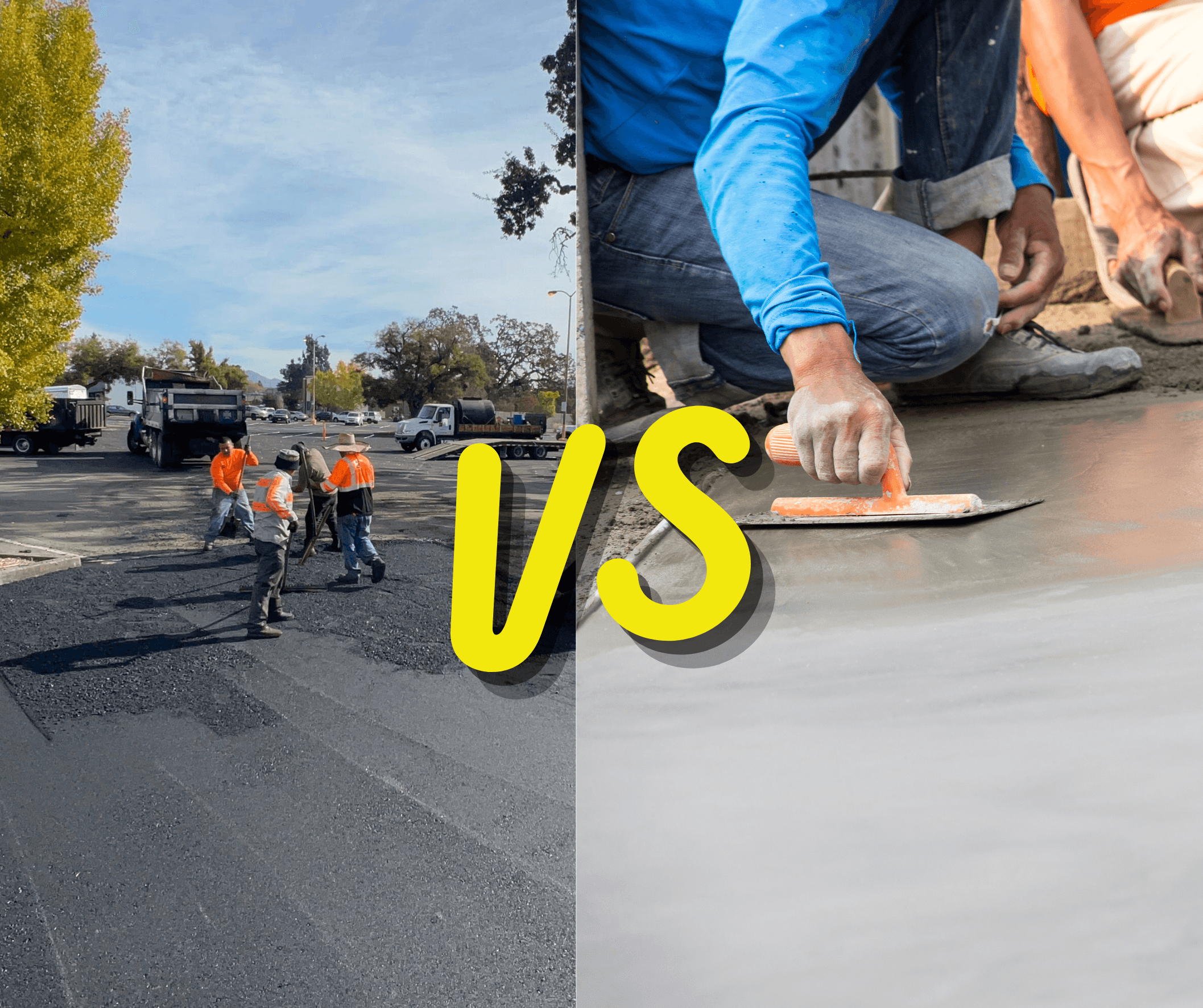
ASPHALT VS CONCRETE

Here at WE LOVE PAVING we’re transparent with our clients, we make sure that every aspect of your job is detailed to your needs.

 When it comes to constructing roads and pavements, two materials dominate the market – concrete and asphalt. Both materials have their advantages and disadvantages, making it crucial to choose the right material for a specific project.

Concrete:

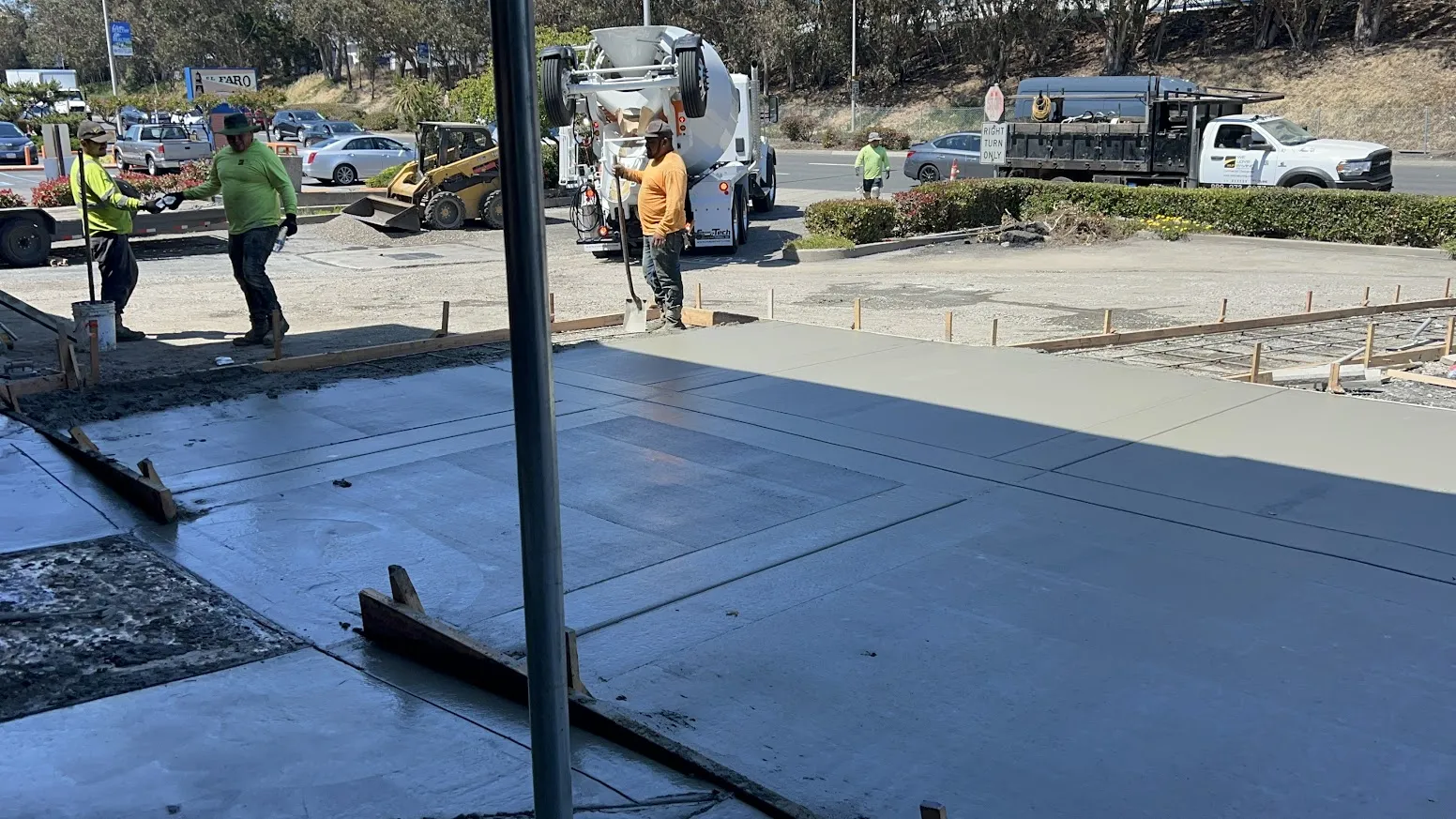
Concrete is a versatile material that has been used for construction purposes for centuries. It is made up of a mixture of cement, water, and aggregates like sand and gravel. Concrete is a rigid material that offers excellent durability and strength, making it ideal for heavy traffic areas like highways and airports.

Pros of concrete:

  • Durability: Concrete is incredibly durable and can withstand heavy loads without cracking or deforming. It can also resist weathering and erosion, making it an excellent choice for long-lasting pavements.
  • Low maintenance: Concrete pavements require minimal maintenance and can last up to 30 years or more without needing major repairs.
  • Safety: Concrete offers excellent skid resistance, making it a safer option for high-traffic areas like highways and intersections.

Cons of concrete:

  • Cost: Concrete pavements can be more expensive than asphalt pavements due to the higher cost of materials and installation.
  • Slow installation: Concrete takes longer to install than asphalt, which can delay the completion of a project.
  • Environmental impact: The production of cement, a key ingredient in concrete, produces a significant amount of carbon dioxide, which contributes to climate change.

Asphalt:

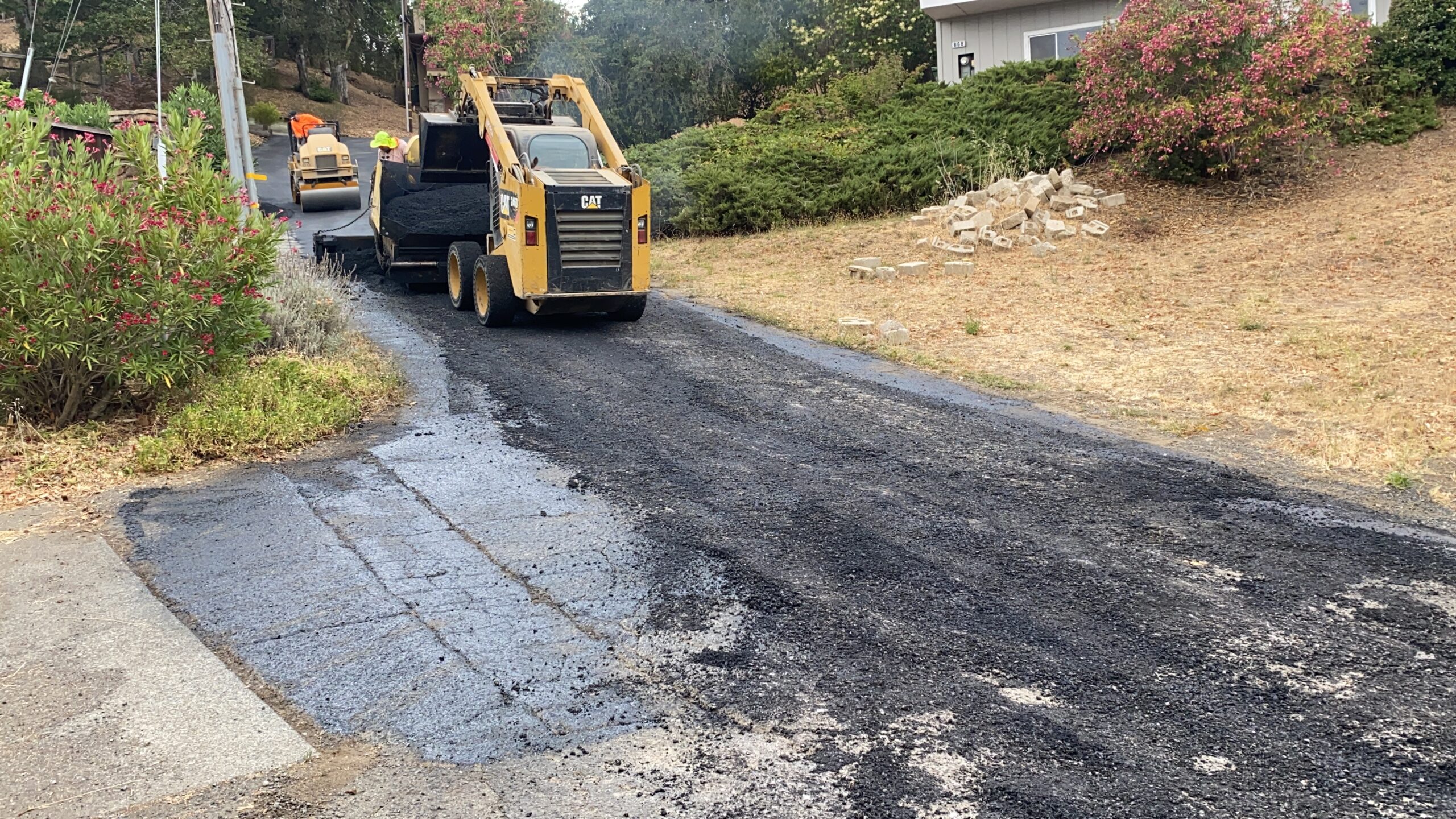
Asphalt, also known as blacktop, is a mixture of aggregates like sand and gravel, and a petroleum-based binder. Asphalt is a flexible material that can adjust to slight movements in the underlying surface, making it ideal for areas with varying temperatures and freeze-thaw cycles.

Pros of asphalt:

  • Cost-effective: Asphalt is generally less expensive than concrete, making it an ideal choice for projects with budget constraints.
  • Quick installation: Asphalt can be installed more quickly than concrete, which can help complete a project on time.
  • Recyclable: Asphalt is a recyclable material that can be reused, making it an environmentally-friendly option.

Cons of asphalt:

  • Maintenance: Asphalt pavements require regular maintenance and may need to be resurfaced every 10 to 20 years.
  • Durability: Asphalt does retain more heat than concrete, during high temperature asphalt can crack.
  • Safety: Asphalt pavements can form potholes if left unattended 

Choosing between concrete and asphalt depends on the specific project requirements, budget, and environmental concerns. It is crucial to weigh the pros and cons that’s why We Love Paving is here with our team of professionals to make the job that much easier.

Need Immediate Help?

Let's Talk About Your Project

Don't wait until minor damage turns into major expenses. Our team of experts is ready to provide you with guaranteed solutions. Contact us now for direct advice from a professional.

Frequently Asked Questions (FAQ)

Got Questions? Find Your Answers Here!!

What is the difference in lifespan between concrete and asphalt pavements?

Concrete pavements offer exceptional durability with a lifespan of up to 30 years or more without major repairs, making them ideal for heavy traffic. Conversely, asphalt is a flexible petroleum-based material that requires regular maintenance and typically needs a complete resurfacing every 10 to 20 years to remain functional.

Is asphalt or concrete more cost-effective for commercial paving?

Asphalt is generally more cost-effective for initial installation compared to concrete due to lower material costs and faster labor. However, concrete pavements require minimal maintenance over their 30-year lifecycle, whereas asphalt often incurs higher long-term expenses through necessary sealcoating and periodic pothole repairs to maintain structural integrity and safety.

Which material performs better in climates with freeze-thaw cycles?

Asphalt is the superior choice for regions with extreme temperature fluctuations and freeze-thaw cycles because its flexible nature allows it to adjust to ground movement. Rigid concrete pavements lack this flexibility and are more susceptible to cracking or deforming under thermal stress without the installation of specialized and expensive expansion joints.

How do asphalt and concrete differ in terms of environmental impact?

Asphalt is a highly sustainable, 100% recyclable material that can be reused in future paving projects, significantly reducing environmental waste. In contrast, the production of cement for concrete generates substantial carbon dioxide emissions, contributing to climate change, although concrete’s long-term durability can partially offset its high initial carbon footprint.

What is the typical installation time for asphalt versus concrete?

Asphalt installation is significantly faster than concrete, allowing vehicles to use the new surface within hours of mechanical compaction. Concrete requires a lengthy chemical curing process that can delay project finalization for several days, making asphalt the preferred option for high-traffic intersections and busy commercial areas in Downtown San Jose.

Professional customer review project by We Love Paving in Northern California, California. Verified local construction quality.

Fred / Founder

Fred, Founder and Regional Operations Manager at We Love Paving, comes from a family that values hard work and discipline. Growing up watching his parents work long hours with integrity and dedication, Fred learned early on that quality paving isn’t just about asphalt, it’s about consistency, accountability, and doing the job right.

Share

Posts That Might Interest You

Unveiling the Asphalt Avengers: Essential Insights for Property Managers Seeking Paving Company Vendors

Unveiling the Asphalt Avengers: Essential Insights for Property Managers Seeking Paving Company Vendors

March 24, 2026

Navigating the Road to Excellence – What Property Managers Should Consider Greetings, property managers and guardians of asphalt-clad territories! Today, we embark on a quest to uncover the crucial factors that should guide your search for the ultimate paving company vendor. Much like the meticulous selection of a supercar, finding the right partner to tame and conquer your

Standard Car Parking Space Dimensions in the USA: A Comprehensive Guide by WeLovePaving

Standard Car Parking Space Dimensions in the USA: A Comprehensive Guide by WeLovePaving

March 16, 2026

Parking spaces may seem like a mundane aspect of urban planning, but their dimensions play a critical role in safety, convenience, and regulatory compliance. At We Love Paving, we understand that well-designed parking lots enhance traffic flow, maximize space efficiency, and ensure accessibility for all drivers. This guide explores the standard car parking space dimensions

Paving Company Vendors Unearthed: The Hunt Begins for Property Managers

Paving Company Vendors Unearthed: The Hunt Begins for Property Managers

March 12, 2026

Unveiling the Path to Finding the Perfect Paving Partner Rev up your search engines and prepare for a thrilling expedition, property managers! The quest for the ideal paving company vendor requires a keen eye, a dose of resourcefulness, and a touch determination. In this article, we unveil the secret roadmaps to discovering the paving partners of

What is Concrete and how it Powers Modern Infrastructure

What is Concrete and how it Powers Modern Infrastructure

March 9, 2026

What is concrete? Concrete, the stalwart composite amalgamation of cement, aggregates, and water, stands as the linchpin of contemporary construction. Its unwavering durability, exceptional strength, and flexibility position it as the bedrock of architectural ingenuity and infrastructure resilience. Industrial standards and structural integrity: Beyond the basics Structural safety is never arbitrary; it is governed by

Next

Need Help with Your Paving Project?

✔ Free Project Evaluation
✔ ADA Compliance Experts
✔ Commercial & Residential