Introduction
Paving is a cornerstone of modern construction, essential for creating durable, functional, and visually appealing surfaces. At WeLovePaving, we’re passionate about transforming spaces through expert paving solutions. This blog explores the intricacies of paving, its types, processes, and benefits.
1. What is Paving?
Paving involves installing hard surfaces using materials like asphalt, concrete, or stone to create pathways, roads, driveways, and more. It combines engineering and artistry to ensure longevity and aesthetics.
2. Types of Paving
-
Asphalt Paving: Ideal for roads and driveways, known for flexibility and cost-effectiveness.
-
Concrete Paving: Durable and low-maintenance, perfect for heavy-traffic areas.
-
Brick/Stone Paving: Offers timeless charm for patios and walkways.
-
Permeable Paving: Eco-friendly option allowing water infiltration, reducing runoff.
3. The Paving Process
-
Site Preparation: Clearing debris and grading the area for proper drainage.
-
Base Installation: Layering crushed stone for stability.
-
Material Application: Spreading and compacting the chosen material.
-
Compaction & Curing: Ensuring density and allowing time to harden.
-
Sealing: Protecting the surface with sealant for longevity.
4. Benefits of Paving
-
Durability: Withstands weather and heavy use.
-
Safety: Smooth surfaces reduce accidents.
-
Aesthetics: Enhances curb appeal.
-
Sustainability: Permeable options support eco goals.
-
Property Value: Boosts resale potential.
5. Key Applications
-
Roads & Highways
-
Residential Driveways
-
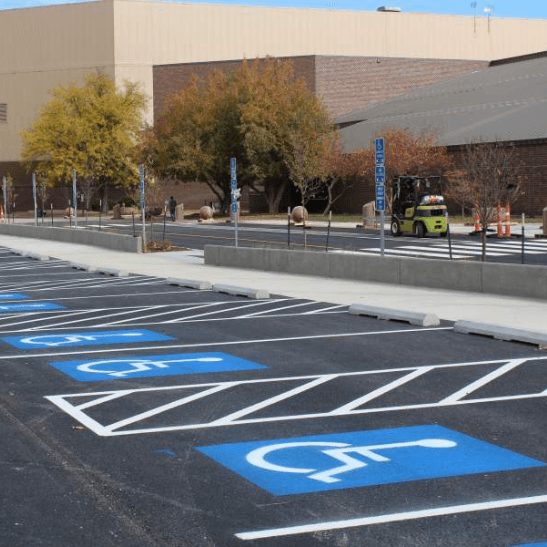
Commercial Parking Lots
-
Pedestrian Walkways
-
Industrial Facilities
6. Maintenance Tips
-
Regular Cleaning: Remove debris to prevent damage.
-
Sealcoating: Reapply every 2–3 years.
-
Crack Repair: Address issues early to avoid expansion.
-
Drainage Checks: Prevent water pooling.
-
Professional Inspections: Ensure optimal condition.
7. Trends in Paving
-
Eco-Friendly Materials: Recycled asphalt/concrete.
-
Smart Paving: Sensors for real-time monitoring.
-
Decorative Options: Stamped concrete, colored asphalt.
-
Permeable Innovations: Urban stormwater management.
Conclusion
Paving is vital for creating safe, durable, and attractive environments. Whether for residential, commercial, or industrial use, choosing the right materials and professionals matters. At WeLovePaving, we blend expertise with passion to deliver exceptional results. Ready to start your project? for a consultation!