Asphalt driveways are a popular choice for many homeowners due to their durability, cost-effectiveness, and ease of installation. However, over time, it’s common for asphalt driveways to develop cracks. Understanding the underlying causes of these cracks can help homeowners take preventative measures and address issues before they escalate into more significant problems. In this article, we will explore the common reasons why asphalt driveways crack and provide tips on how to maintain and repair them.
Common Causes of Asphalt Driveway Cracks
- Weather Extremes
- Freeze-Thaw Cycles: In regions with cold winters, the freeze-thaw cycle is a significant factor in asphalt cracking. Water seeps into small cracks and pores in the asphalt. When temperatures drop, the water freezes and expands, causing the cracks to widen. Repeated cycles of freezing and thawing can lead to substantial damage over time.
- UV Radiation: Prolonged exposure to the sun’s ultraviolet (UV) rays can cause the asphalt to deteriorate. UV radiation breaks down the binders in the asphalt, making it brittle and more prone to cracking.
- Poor Installation
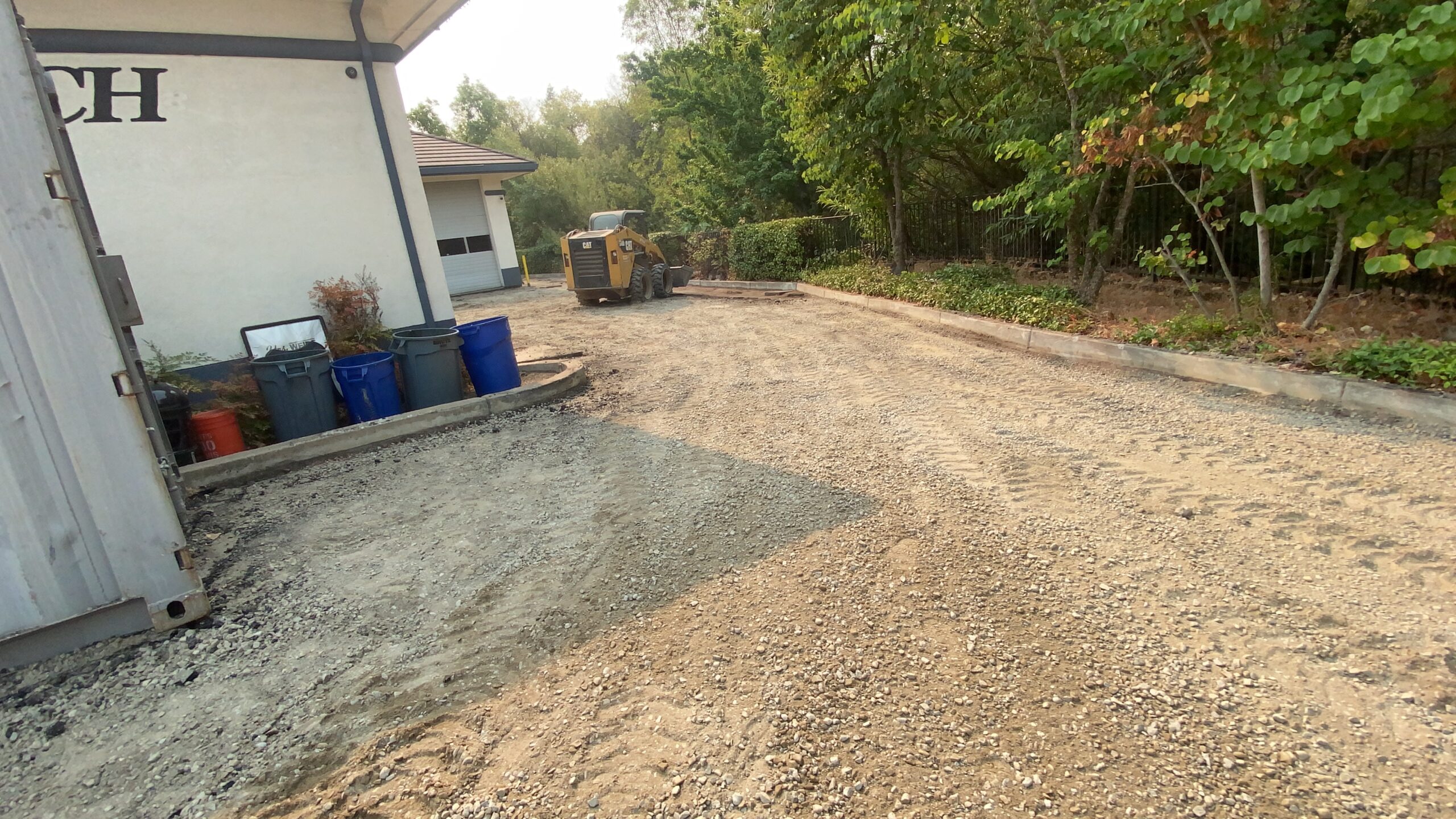
- Substandard Base: A weak or improperly compacted base beneath the asphalt can lead to uneven settling and cracks. The base layer is crucial for providing stability and support to the asphalt surface.
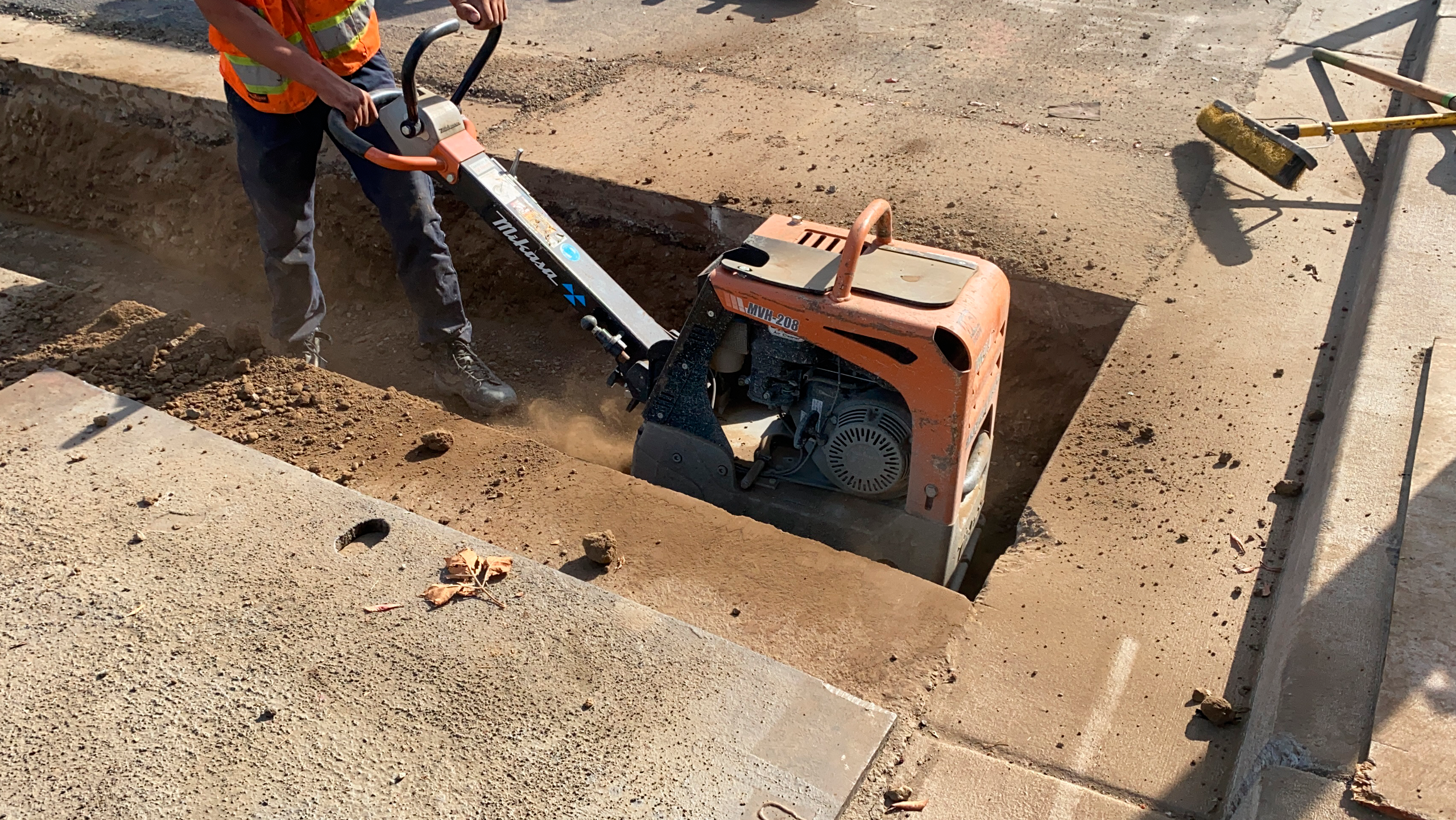
- Improper Compaction: If the asphalt is not adequately compacted during installation, it may have air pockets and weak spots that are susceptible to cracking.
- Heavy Loads
- Excessive Weight: Asphalt driveways are designed to support typical residential traffic. However, heavy vehicles such as RVs, trucks, or machinery can exert excessive pressure, leading to cracks and structural damage.
- Moisture Infiltration
- Poor Drainage: Inadequate drainage around the driveway can lead to water pooling on the surface or seeping into the base layers. Moisture weakens the asphalt and the underlying base, causing cracks and potholes.
- Subsurface Water: Groundwater can also cause issues if it rises to the surface, weakening the asphalt from below.
- Aging and Wear
- Natural Aging: Over time, all asphalt driveways will show signs of aging. The binders that keep the asphalt flexible break down, leading to a more brittle surface prone to cracking.
- Traffic Wear: Regular use of the driveway causes wear and tear, leading to surface cracks. High-traffic areas may experience more significant damage over time.
- Tree Roots
- Root Growth: Trees and large shrubs near the driveway can cause cracks as their roots grow and push against the asphalt. Roots seeking moisture can exert significant pressure, leading to surface upheaval and cracking.
Preventive Measures
- Regular Maintenance
- Sealcoating: Applying a sealcoat every 2-3 years can protect the asphalt from UV rays, water, and chemicals. Sealcoating fills minor cracks and creates a protective layer that extends the lifespan of the driveway.
- Crack Filling: Address small cracks promptly by filling them with an appropriate crack filler. Preventing water from entering the cracks can help avoid further damage.
- Proper Installation
- Quality Base: Ensure that the base layer is well-constructed with appropriate materials and adequate compaction. A strong base provides essential support and prevents settling.
- Professional Installation: Hire experienced professionals for driveway installation to ensure proper techniques and materials are used.
- Weight Management
- Limit Heavy Vehicles: Avoid parking heavy vehicles on the driveway for extended periods. If necessary, reinforce the driveway or create a designated parking area with additional support.
- Effective Drainage
- Install Drainage Systems: Ensure that water drains away from the driveway by installing proper drainage systems. This includes gutters, downspouts, and French drains to divert water.
- Grade the Surface: Grade the driveway to ensure that water flows away from the asphalt surface and does not pool.
- Tree Management
- Root Barriers: Install root barriers to prevent tree roots from encroaching on the driveway. These barriers redirect root growth away from the asphalt.
- Distance from Trees: Plant trees and large shrubs at a safe distance from the driveway to minimize root-related damage.
Repairing Cracks in Asphalt Driveways
- Small Cracks (Less than 1/4 inch)
- Crack Fillers: Use liquid crack fillers or asphalt emulsion to fill small cracks. These products are easy to apply and can be found at most home improvement stores.
- Clean and Fill: Clean the crack thoroughly to remove debris and vegetation. Apply the crack filler and smooth it out with a putty knife or trowel.
- Medium Cracks (1/4 inch to 1/2 inch)
- Asphalt Patch: For medium-sized cracks, use an asphalt patch product. This is a more durable solution that can withstand traffic and weather conditions.
- Preparation: Clean the crack and remove any loose material. Apply the patch according to the manufacturer’s instructions and compact it with a tamper.
- Large Cracks and Potholes (More than 1/2 inch)
- Cold Patch Asphalt: For large cracks and potholes, use cold patch asphalt. This product is designed for larger repairs and provides a long-lasting solution.
- Excavation and Fill: Remove the damaged asphalt and clean the area thoroughly. Fill the hole with cold patch asphalt and compact it in layers to ensure a solid repair.
- Professional Repair
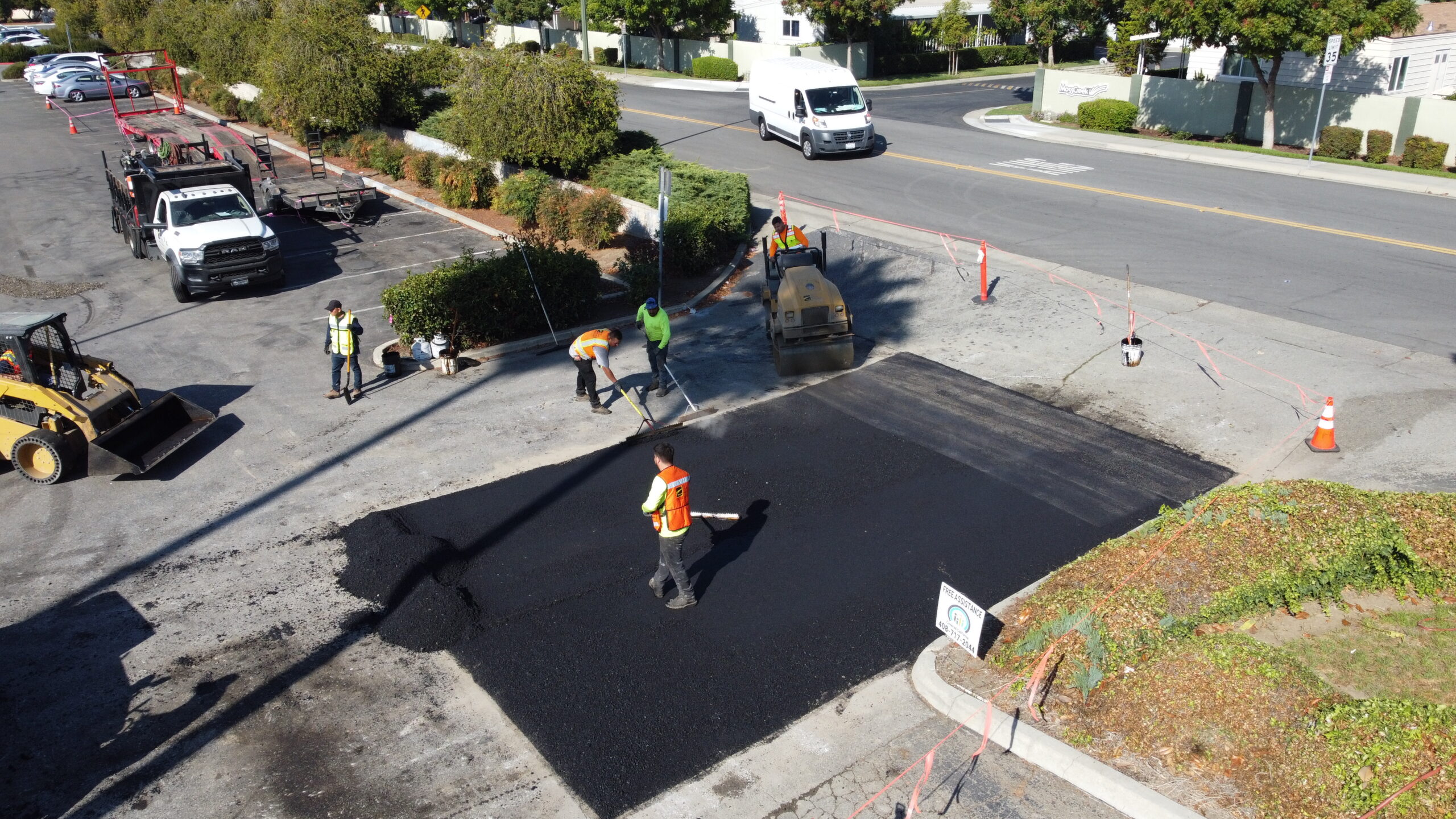
- Overlay and Resurfacing: For extensive damage, consider a professional overlay or resurfacing. This involves applying a new layer of asphalt over the existing surface, providing a fresh, smooth driveway.
- Reconstruction: In cases of severe damage, complete reconstruction may be necessary. This involves removing the old asphalt and base, rebuilding the base, and installing new asphalt.
Conclusion
Cracks in asphalt driveways are a common issue that can be caused by a variety of factors, including weather extremes, poor installation, heavy loads, moisture infiltration, aging, and tree roots. By understanding these causes and taking preventive measures, homeowners can extend the lifespan of their driveways and maintain their appearance and functionality. Regular maintenance, proper installation, weight management, effective drainage, and tree management are key to preventing cracks. For existing cracks, prompt and appropriate repairs are essential to prevent further damage.