The Lifecycle of Commercial Asphalt: From Installation to Full Rehabilitation

Why Understanding Pavement Lifecycle Matters

Every parking lot and roadway has a lifespan — but how long it lasts depends on how it’s designed, installed, and maintained.
For property owners and facility managers, understanding the lifecycle of asphalt pavement is key to planning budgets, extending surface life, and avoiding costly full replacements.

At We Love Paving, we see every project as part of a long-term system — not just a surface to pour and forget.


Phase 1: Design & Subgrade Preparation

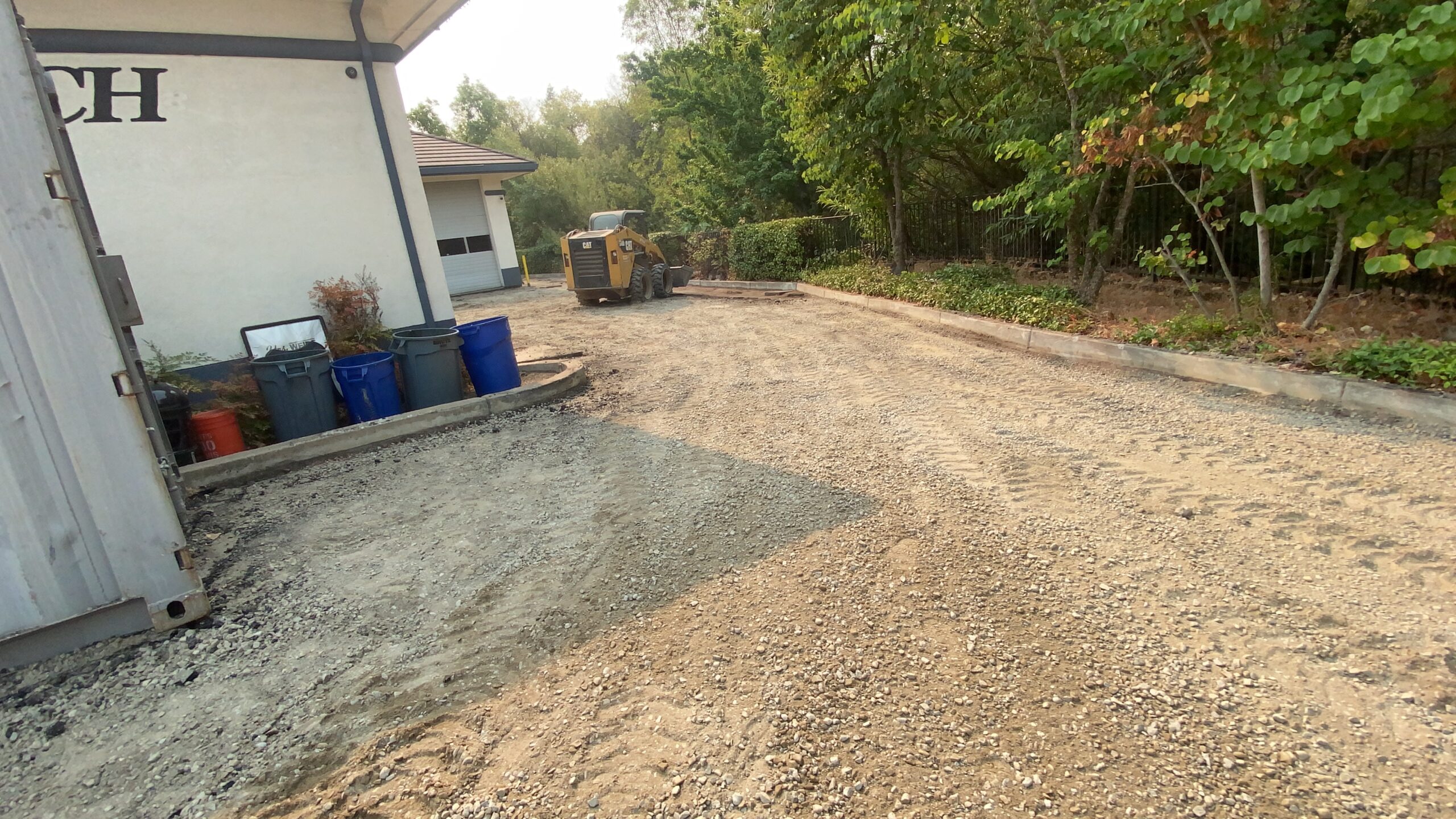
The foundation of durable pavement begins below the surface.
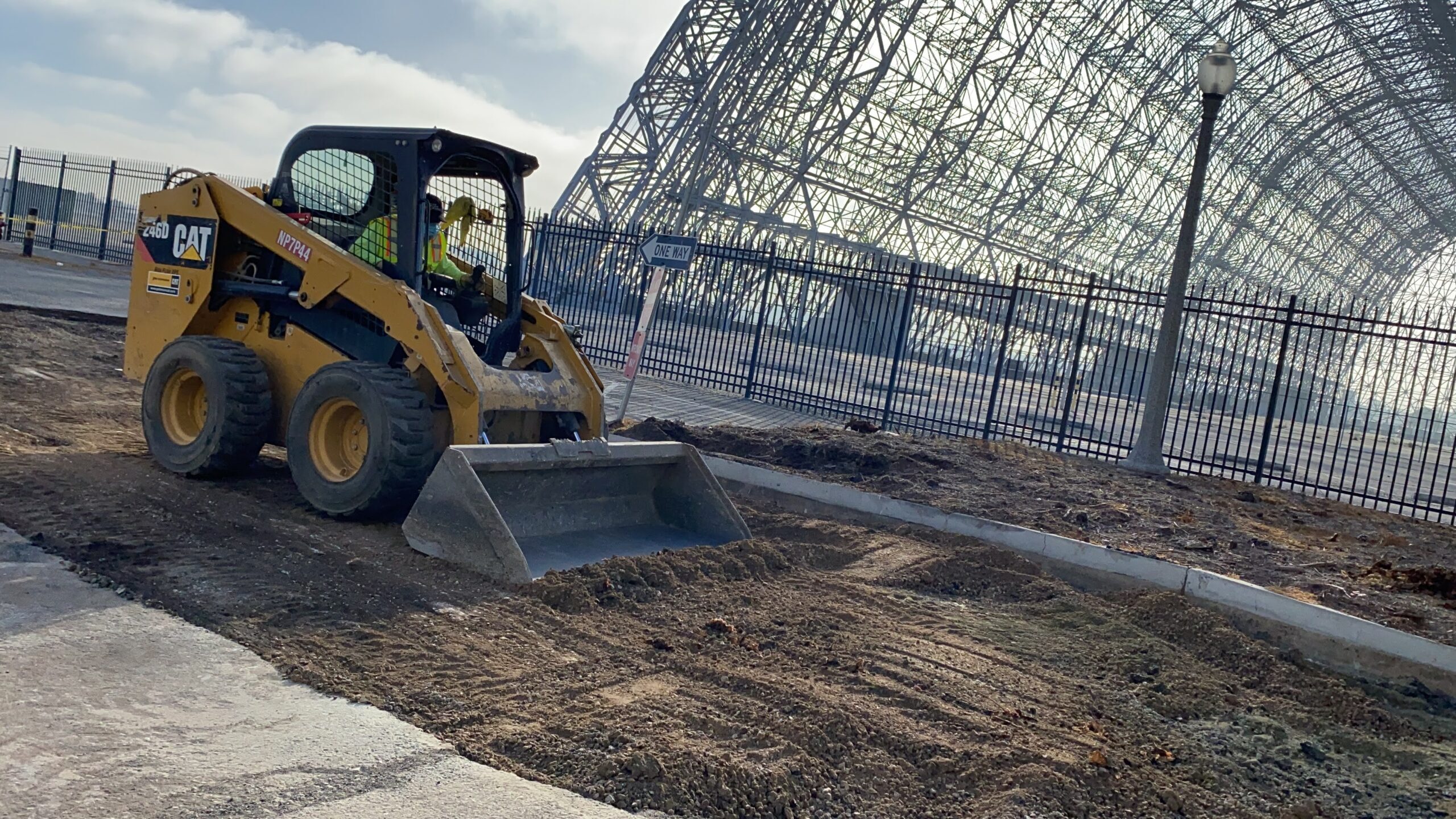
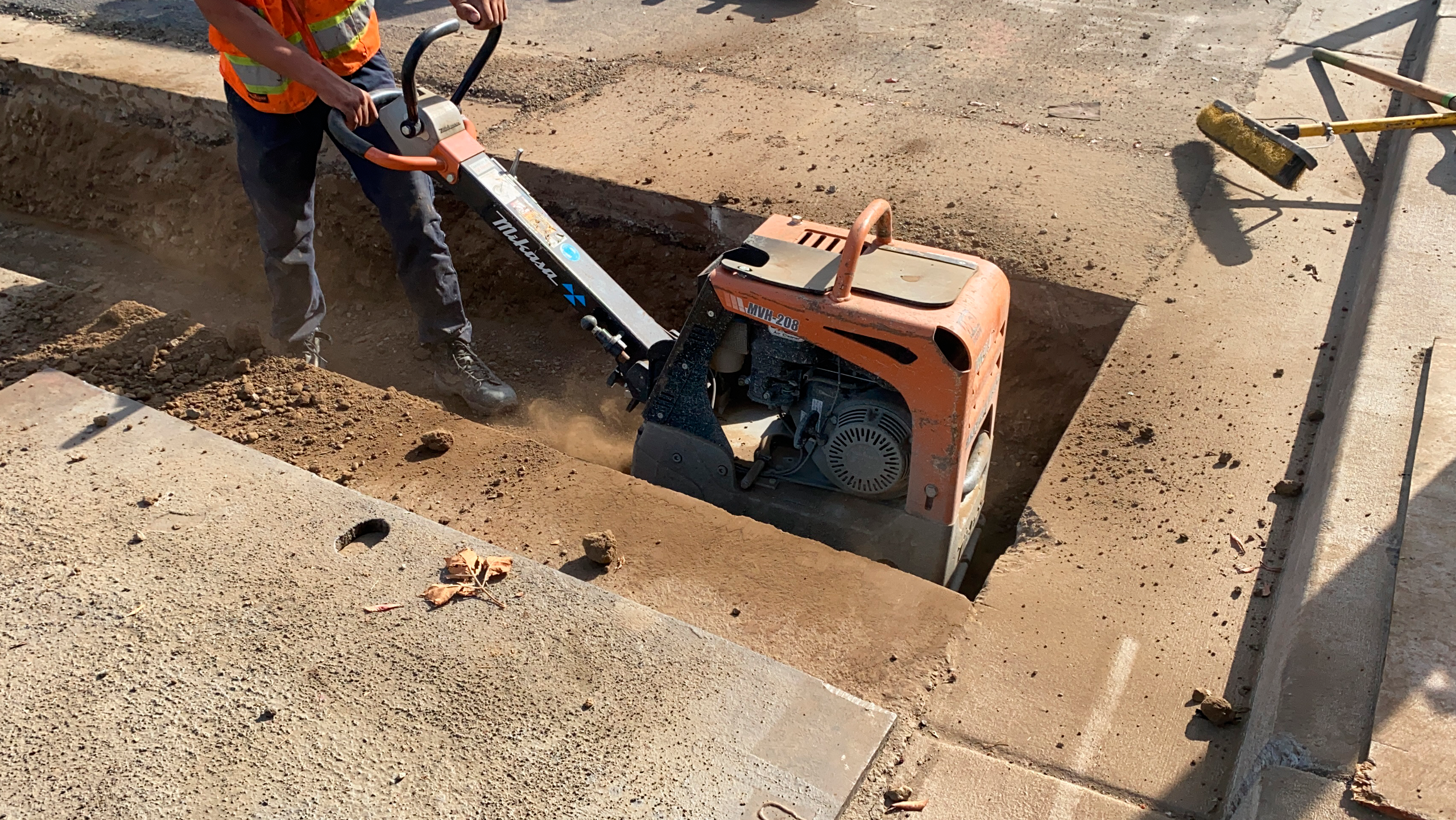
A proper subgrade — the compacted soil layer beneath the asphalt — ensures load-bearing strength and prevents settlement.

Technical steps include:

  • Soil testing and classification (AASHTO or ASTM standards)

  • Grading for uniform support and drainage (1–2% slope minimum)

  • Compaction to 95% or greater density using vibratory rollers

  • Installation of an aggregate base layer (Class II base rock, typically 4–8 inches)

💡 Pro Tip: Most asphalt failures come from poor base prep, not surface wear.


Phase 2: Asphalt Installation

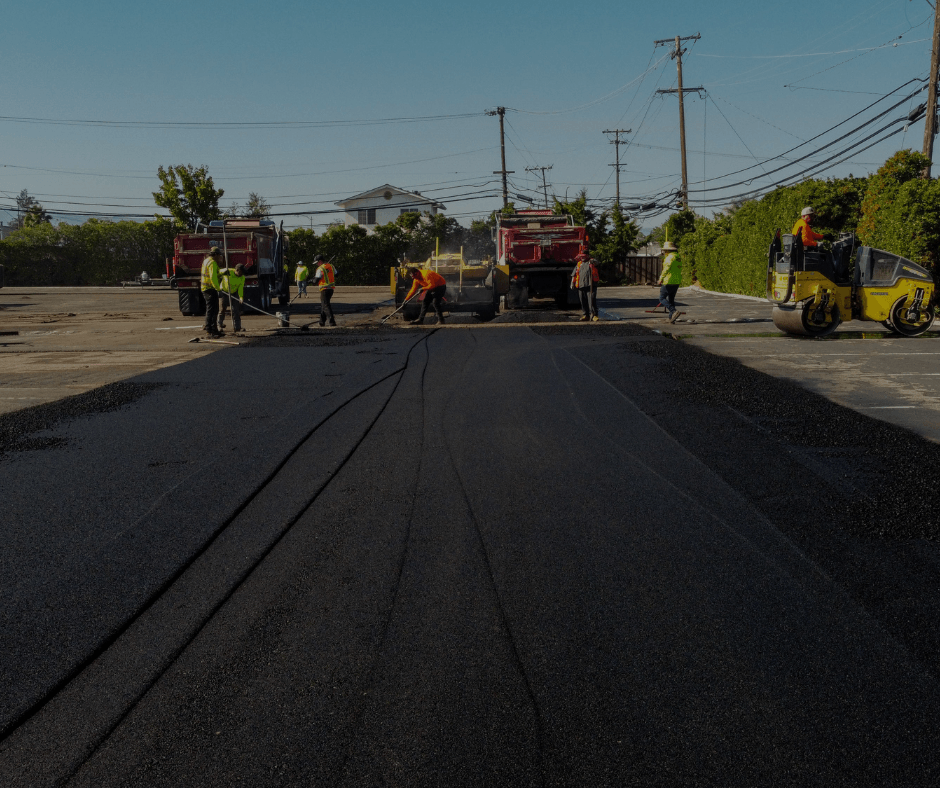
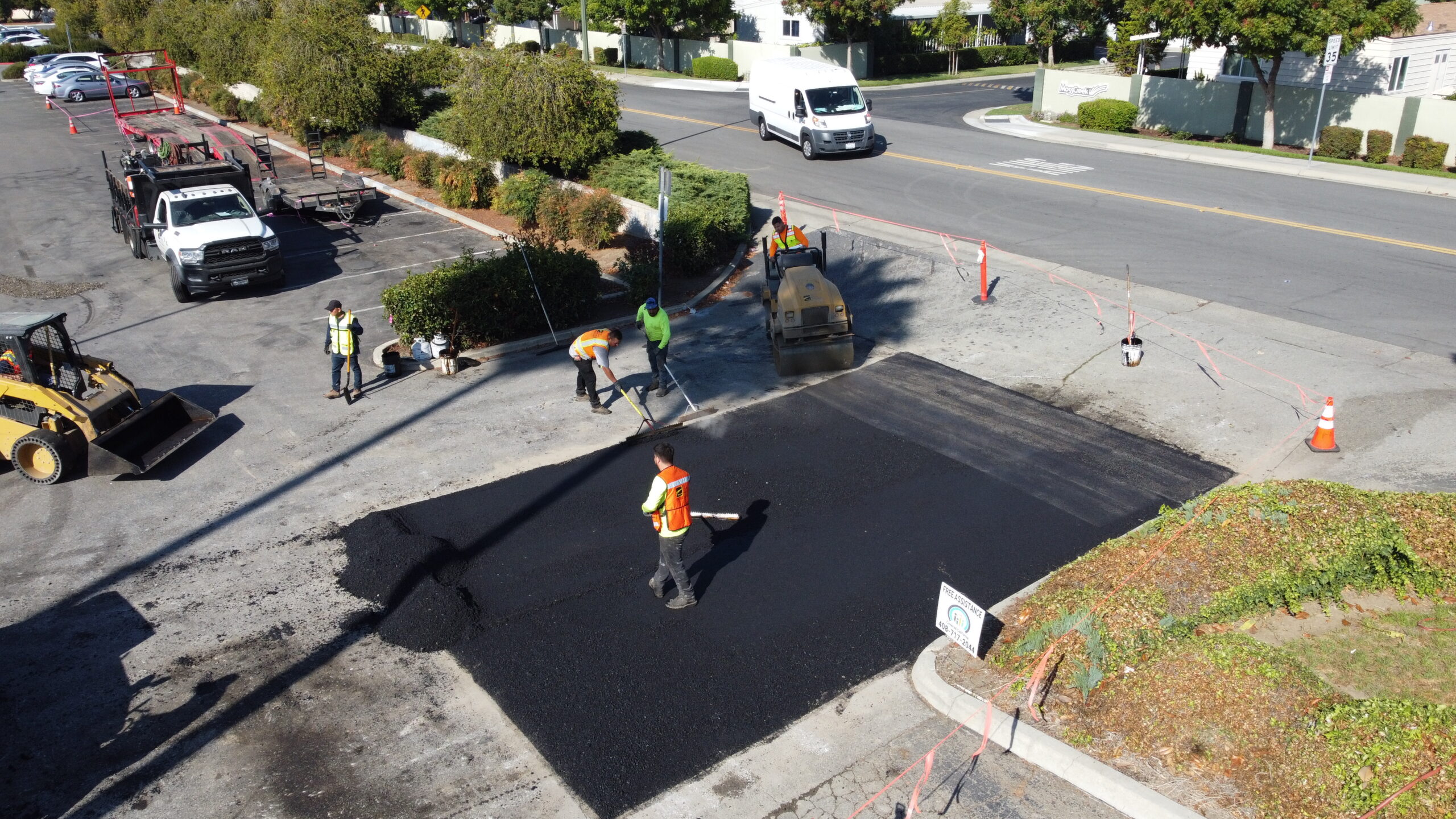
Once the base is stable, hot mix asphalt (HMA) is laid and compacted.
The key to longevity here is temperature control and compaction timing.

Our crews follow strict QC standards:

  • Mix delivered at 275–300°F to ensure workability

  • Paving thickness designed for expected traffic loads (2” light-duty up to 6” heavy-duty)

  • Compaction completed before temperature drops below 185°F

  • Joints sealed for smooth transitions between passes

🧱 Result: A dense, watertight surface ready to handle years of use.


Phase 3: Preventive Maintenance (Years 1–5)

Even new asphalt begins oxidizing as soon as it’s exposed to sunlight and oxygen.
Preventive maintenance keeps the surface flexible and slows deterioration.

Recommended maintenance schedule:

  • Sealcoating every 2–3 years to block UV and moisture

  • Crackfilling annually to prevent water intrusion

  • Patching localized failures before they spread

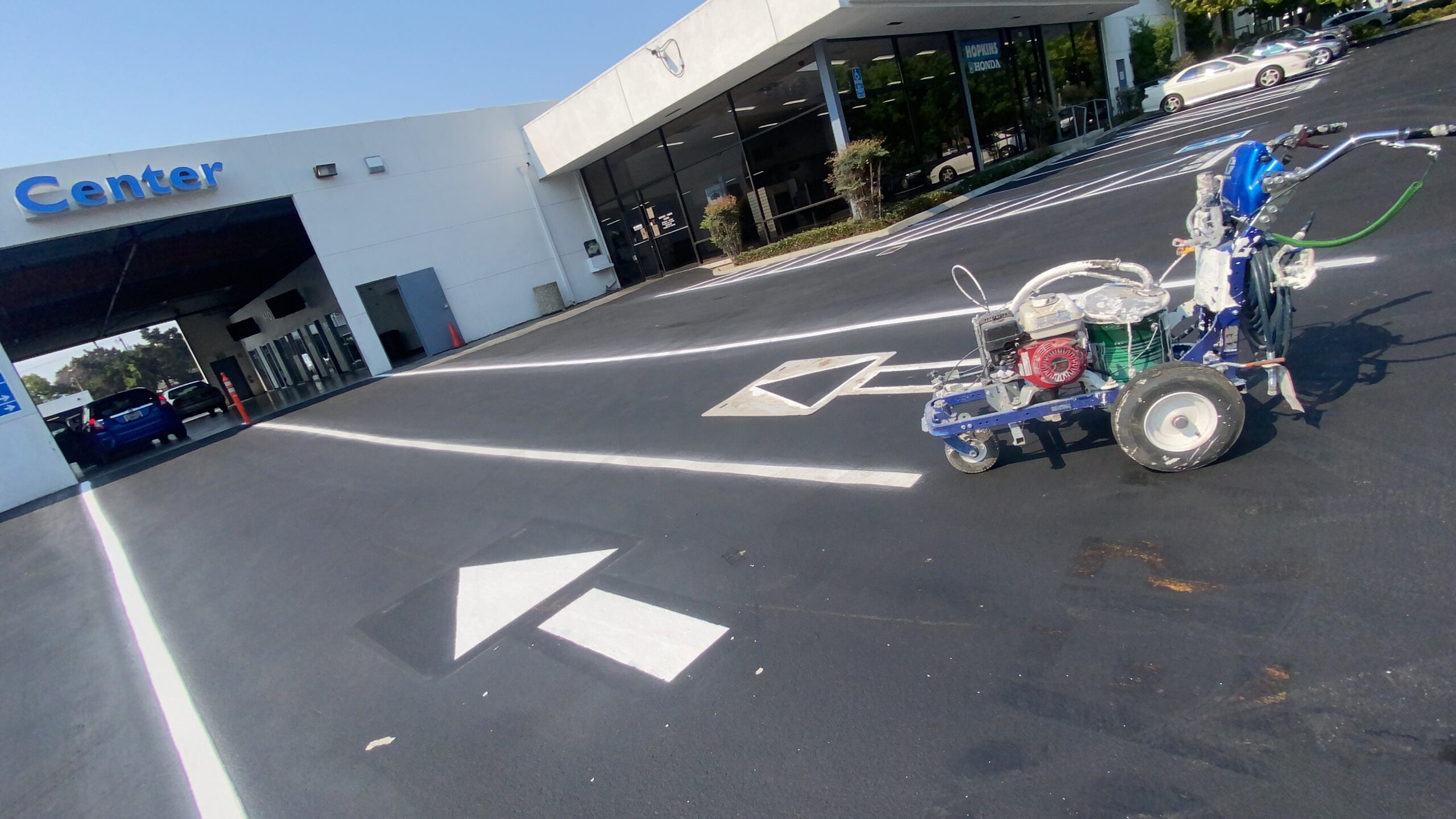
  • Re-striping for safety and compliance

⏳ These steps can double the service life of commercial pavement compared to neglected surfaces.


Phase 4: Corrective Maintenance & Overlays (Years 6–12)

With time, heavier traffic and weather exposure lead to structural fatigue.
Rather than full replacement, many lots benefit from a mill and overlay process:

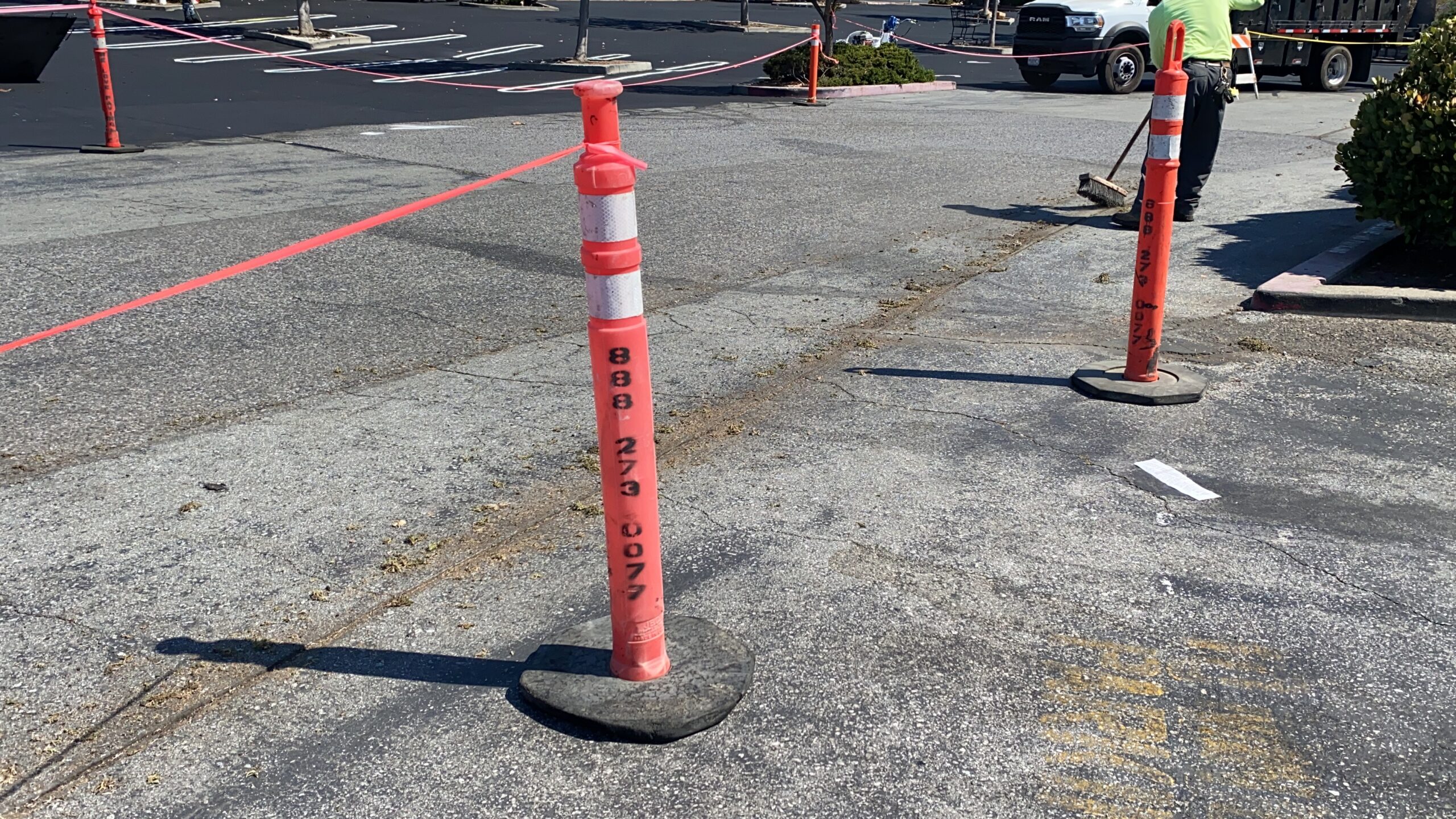
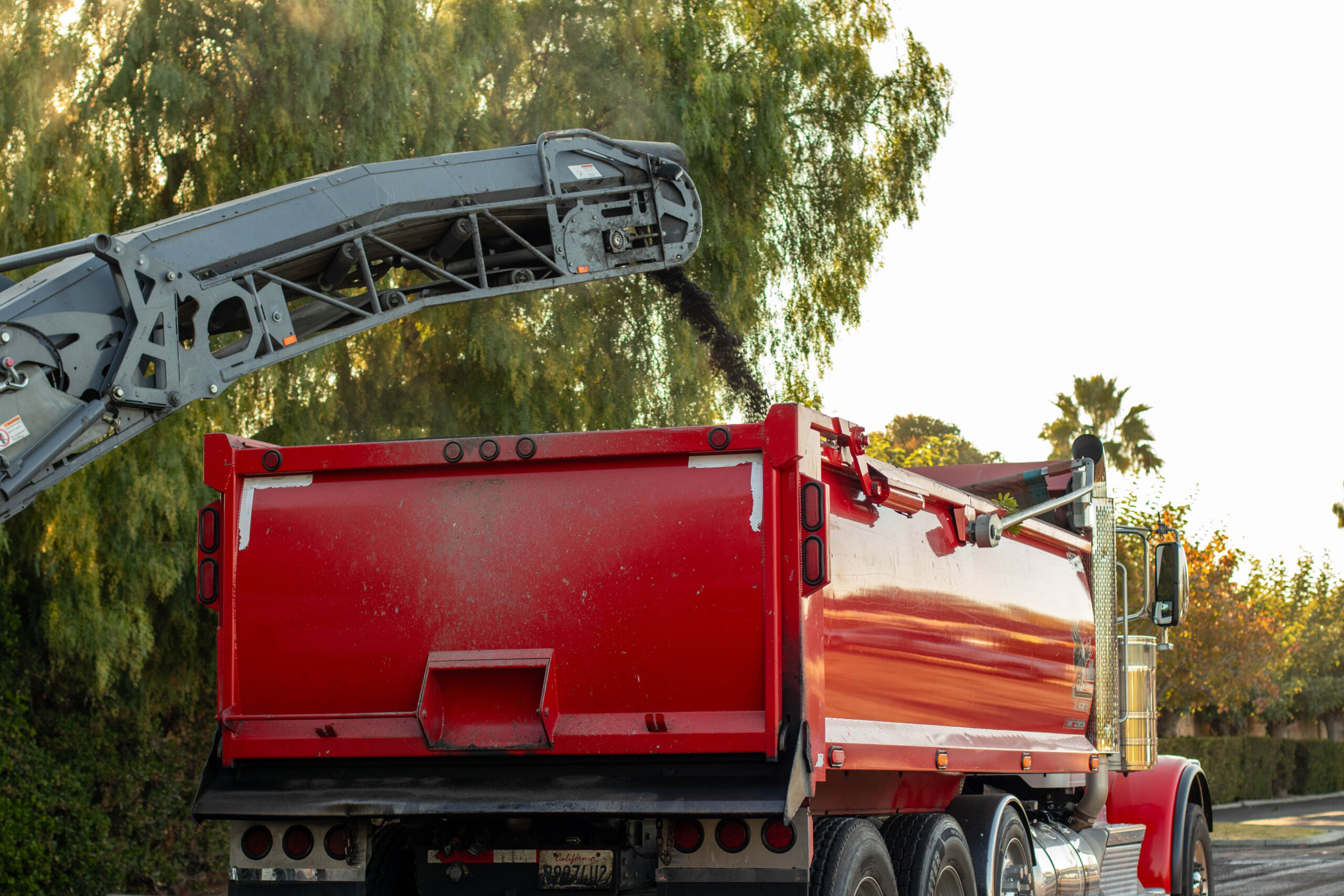
  • Milling 1–2 inches of worn asphalt

  • Cleaning and tack-coating the existing surface

  • Installing a new hot mix overlay for a smooth finish

This rejuvenates the pavement at a fraction of the cost of reconstruction and resets the clock on your pavement lifecycle.


Phase 5: Full Rehabilitation (Years 15–25+)

Eventually, all asphalt reaches a point where the subgrade or base fails.
At this stage, full-depth reclamation (FDR) or complete reconstruction is the most cost-effective solution.

Full rehabilitation includes:

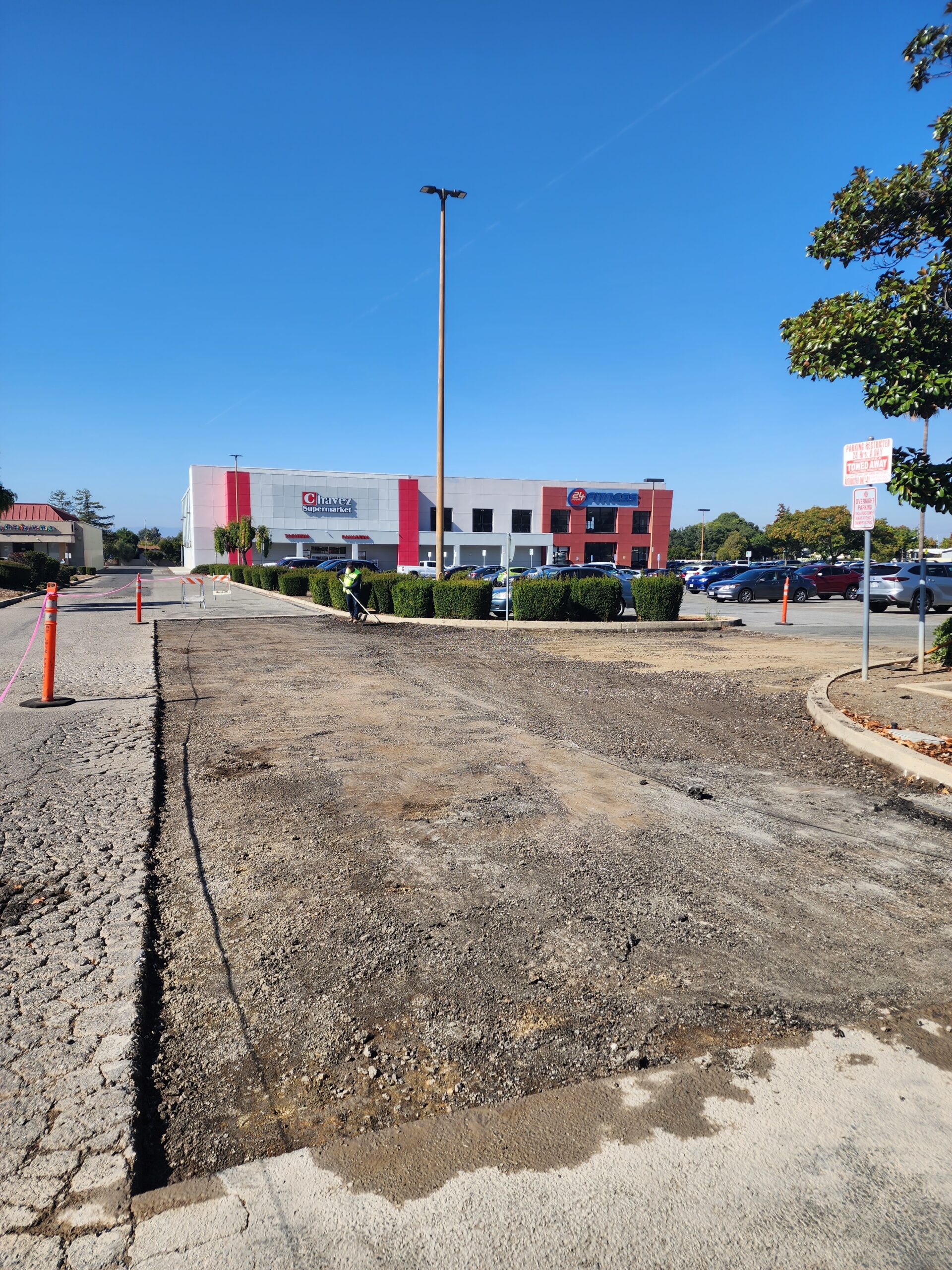
  • Pulverizing and regrading existing layers

  • Adding fresh base material and compaction

  • Installing new HMA layers and fresh striping

  • Updating ADA ramps, signage, and drainage as required

This brings the pavement back to like-new condition and sets up another 20+ years of reliable service.


How We Love Paving Extends the Lifecycle Even Further

Our approach is simple: precision, quality, and proactive maintenance.
By combining laser grading, premium materials, and strict compaction standards, we help businesses across Northern California save thousands over the lifetime of their pavement.

Whether you manage a retail center, corporate facility, or industrial yard, we can tailor a multi-year maintenance planthat fits your traffic levels, budget, and compliance needs.


Ready to Plan Your Pavement’s Future?

Don’t wait until cracks turn into craters.
👉 Contact We Love Paving for a professional inspection and lifecycle assessment — and discover how proper maintenance can extend your pavement’s lifespan by over a decade.
Share

WHO IS FRED?

Fred, Regional Operations Manager, comes from a family of immigrant roots and a story built on sacrifice, discipline, and hard work. Growing up, Fred watched his parents work long hours and weekends to create a better future teaching him the values of perseverance, determination, and doing things the right way every single time.
We Love Paving began with Fred’s father, who started doing what he knew best: paving. Over the years, he built experience alongside respected professionals in the industry, refining his methods and developing a reputation for quality work that speaks for itself. As his clientele grew, so did the vision one built not only on skill, but on integrity and pride in every job.

Posts that might interest you

Weighing Your Options: Is Paving Cheaper Than Concrete in Sacramento?

Weighing Your Options: Is Paving Cheaper Than Concrete in Sacramento?

May 24, 2024

When it comes to enhancing your property’s aesthetics and functionality with a new driveway, pathway, or patio, choosing the right paving material is crucial. In Sacramento, California, where homeowners and property managers prioritize both durability and cost-effectiveness, the decision between paving and concrete often comes into play. But which option offers the best value for

Sacramento Paving Solutions: Can You Put Asphalt Over Dirt?

Sacramento Paving Solutions: Can You Put Asphalt Over Dirt?

May 21, 2024

In Sacramento, California, where the weather is mostly warm and the urban landscape is continually evolving, maintaining durable and attractive driveways, pathways, and parking areas is essential. One common question that homeowners and property managers often ask is whether it’s possible to put asphalt directly over dirt. This comprehensive guide will explore the feasibility, benefits,

The Great Debate: Is 2 Inches of Gravel Enough for a Driveway?

The Great Debate: Is 2 Inches of Gravel Enough for a Driveway?

May 16, 2024

When it comes to building a driveway, one of the key decisions homeowners face is determining the appropriate thickness of the gravel base layer. While some may argue that 2 inches of gravel is sufficient to support the weight of vehicles and provide a stable foundation, others advocate for thicker layers to ensure long-term durability

The Importance of Gravel Under Asphalt: Building a Solid Foundation

The Importance of Gravel Under Asphalt: Building a Solid Foundation

May 15, 2024

When you think of asphalt paving, you might picture a smooth, black surface stretching out before you. But what lies beneath that pristine pavement? The answer is gravel – an often-overlooked but essential component of the asphalt paving process. In this comprehensive guide, we’ll explore the reasons why gravel is used under asphalt and its

Unveiling the Secrets of Asphalt Paving: From Raw Materials to Smooth Surfaces

Unveiling the Secrets of Asphalt Paving: From Raw Materials to Smooth Surfaces

May 15, 2024

Asphalt paving is a marvel of modern engineering, providing smooth, durable surfaces for roads, driveways, and parking lots around the world. But have you ever wondered how asphalt paving is made? In this comprehensive guide, we’ll take you behind the scenes to explore the fascinating process of producing asphalt and transforming it into a reliable

Mastering the Art of Asphalt: A Step-by-Step Guide

Mastering the Art of Asphalt: A Step-by-Step Guide

May 15, 2024

Whether you’re paving a driveway, a parking lot, or a road, laying asphalt is a precise process that demands attention to detail. With the right equipment, materials, and techniques, you can achieve a smooth, durable surface that will withstand the test of time. In this comprehensive guide, we’ll walk you through the step-by-step process of

Maximizing Value: Cost-Effective Asphalt Solutions in California

Maximizing Value: Cost-Effective Asphalt Solutions in California

May 14, 2024

Asphalt, with its durability and versatility, remains one of the most popular choices for driveways, parking lots, and roads across California. However, with the rising costs of construction materials and labor, finding ways to pave with asphalt affordably becomes crucial. Fortunately, several strategies can help you achieve a quality asphalt installation without breaking the bank.

Reviving Roads: A Comprehensive Investigation into Repairing Old Asphalt

Reviving Roads: A Comprehensive Investigation into Repairing Old Asphalt

May 8, 2024

Asphalt, the ubiquitous black substance that paves our roads, withstands a barrage of challenges from weather, heavy traffic, and time itself. However, even the most durable asphalt succumbs to wear and tear over the years, necessitating repair to maintain safe and smooth driving surfaces. In this comprehensive investigation, we delve deep into the intricate process

Asphalt Paving Unveiled: Crafting Roads of Tomorrow

Asphalt Paving Unveiled: Crafting Roads of Tomorrow

May 8, 2024

Welcome to the asphalt wonderland, where smooth roads and driveways pave the way for seamless journeys. At We Love Paving, we’re not just laying asphalt; we’re sculpting the future of infrastructure one road at a time. Buckle up and join us on a journey through the asphalt universe. Demystifying Asphalt Paving Picture this: a concoction

The Art and Science of Asphalt Paving: Building Roads That Last

The Art and Science of Asphalt Paving: Building Roads That Last

May 7, 2024

Asphalt paving is more than just laying down black pavement. It’s a precise blend of science, engineering, and craftsmanship aimed at creating durable and reliable roadways. In this article, we delve into the intricacies of asphalt paving, exploring its composition, construction process, benefits, and challenges. Understanding Asphalt Composition Asphalt, also known as bitumen, is a

Previous Next