The Great Debate: Is 2 Inches of Gravel Enough for a Driveway?

When it comes to building a driveway, one of the key decisions homeowners face is determining the appropriate thickness of the gravel base layer. While some may argue that 2 inches of gravel is sufficient to support the weight of vehicles and provide a stable foundation, others advocate for thicker layers to ensure long-term durability and performance. In this comprehensive guide, we’ll explore both sides of the debate and provide valuable insights to help you make an informed decision for your driveway construction project.

Understanding the Role of Gravel in Driveway Construction

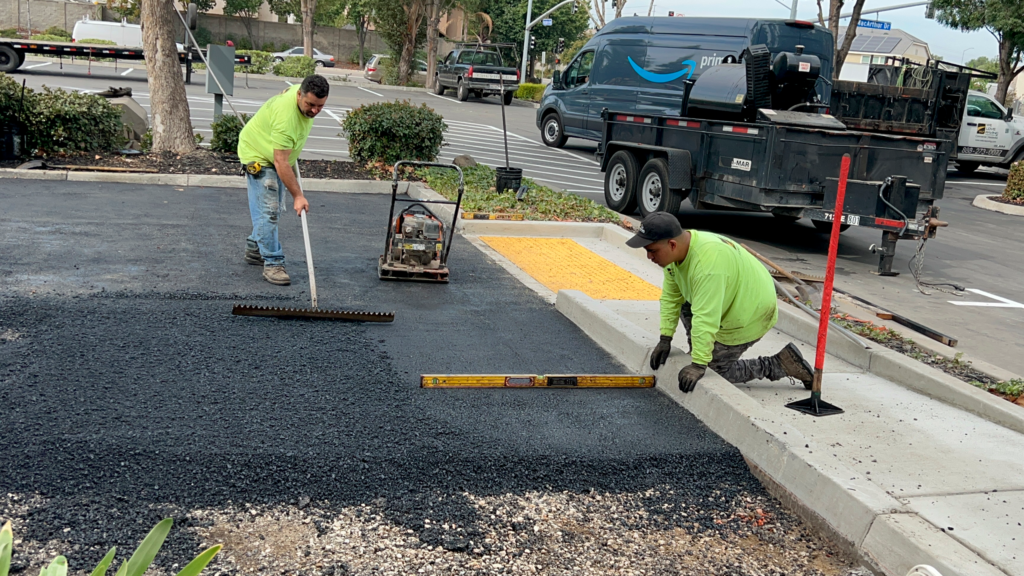
Before delving into the debate over gravel thickness, it’s essential to understand the role that gravel plays in driveway construction. Gravel serves as the base layer upon which the asphalt or concrete surface is laid. It provides structural support, helps distribute the weight of vehicles evenly, and promotes drainage to prevent water buildup and erosion. The thickness of the gravel layer directly impacts the stability, durability, and longevity of the driveway.

Factors to Consider

Several factors influence the appropriate thickness of the gravel base layer for a driveway:

  • Soil Conditions: The type and condition of the soil beneath the driveway can affect the stability and load-bearing capacity of the gravel layer. In areas with soft or unstable soils, thicker gravel layers may be necessary to provide adequate support.
  • Climate: Weather conditions such as freeze-thaw cycles, heavy rainfall, and temperature extremes can impact the performance of the driveway. Thicker gravel layers may be required in regions with harsh climates to withstand these environmental stresses.
  • Traffic Volume: The amount and type of traffic using the driveway also play a role in determining gravel thickness. Driveways subjected to heavy vehicle traffic or frequent use may require thicker gravel layers to prevent rutting, settling, and other forms of pavement distress.
  • Desired Lifespan: Consider the expected lifespan of the driveway and your long-term maintenance goals. Thicker gravel layers can contribute to the longevity of the pavement and reduce the need for costly repairs and maintenance over time.
Arguments for 2 Inches of Gravel

Advocates for 2 inches of gravel argue that it is sufficient to provide adequate support for most residential driveways. They cite the following reasons:

  • Cost-Effectiveness: Using a thinner gravel layer reduces the amount of material needed and the overall cost of driveway construction.
  • Adequate Support: For light to moderate traffic and stable soil conditions, 2 inches of gravel may provide adequate support and stability for the driveway surface.
  • Drainage: A thinner gravel layer allows for better drainage and water infiltration, reducing the risk of water buildup and erosion beneath the driveway.

Arguments for Thicker Gravel Layers

On the other hand, proponents of thicker gravel layers advocate for the following reasons:

  • Increased Stability: Thicker gravel layers offer greater stability and load-bearing capacity, especially in areas with soft or unstable soils.
  • Long-Term Durability: A thicker gravel base provides a more robust foundation for the driveway surface, helping to minimize settling, rutting, and other forms of pavement distress over time.
  • Climate Resilience: In regions with harsh climates or extreme weather conditions, thicker gravel layers can help protect the driveway from frost damage, water infiltration, and temperature fluctuations.
  • Traffic Resilience: For driveways subjected to heavy vehicle traffic or frequent use, thicker gravel layers are necessary to withstand the additional wear and tear and prevent premature pavement failure.

Considering Site-Specific Factors

Ultimately, the appropriate thickness of the gravel base layer for a driveway depends on a variety of site-specific factors, including soil conditions, climate, traffic volume, and desired lifespan. It’s essential to assess these factors carefully and consult with a reputable contractor or engineer to determine the optimal gravel thickness for your driveway construction project. Investing in a thicker gravel base layer may incur additional upfront costs but can pay off in the long run by ensuring a durable, long-lasting driveway that withstands the test of time.

Conclusion

The debate over whether 2 inches of gravel is enough for a driveway is nuanced and depends on various factors. While some argue that a thinner gravel layer is sufficient for most residential driveways, others advocate for thicker layers to ensure long-term durability and performance. Ultimately, the appropriate gravel thickness for your driveway construction project will depend on site-specific factors such as soil conditions, climate, traffic volume, and desired lifespan. By carefully assessing these factors and consulting with experts, you can make an informed decision that meets your needs and provides a reliable, long-lasting driveway for years to come.

Share

WHO IS FRED?

Fred, Regional Operations Manager, comes from a family of immigrant roots and a story built on sacrifice, discipline, and hard work. Growing up, Fred watched his parents work long hours and weekends to create a better future teaching him the values of perseverance, determination, and doing things the right way every single time.
We Love Paving began with Fred’s father, who started doing what he knew best: paving. Over the years, he built experience alongside respected professionals in the industry, refining his methods and developing a reputation for quality work that speaks for itself. As his clientele grew, so did the vision one built not only on skill, but on integrity and pride in every job.

Posts that might interest you

Are Asphalt Millings good for your driveway?

Are Asphalt Millings good for your driveway?

May 4, 2023

Asphalt millings have garnered increasing attention as a versatile and practical material for driveway construction, offering a myriad of advantages that appeal to homeowners. In this comprehensive guide, we’ll delve deeper into the myriad benefits of using asphalt millings for your driveway. Understanding Asphalt Millings Before delving into their benefits, let’s first understand what asphalt

Can paving be done in the rain?

Can paving be done in the rain?

May 4, 2023

Certainly! Conducting a more extensive investigation on the impact of rain on paving would involve exploring various aspects such as the specific effects of rain on different types of paving materials, the techniques and technologies used to mitigate these effects, case studies highlighting the consequences of paving in rainy conditions, and any regulatory or industry

why is it important to seal coat your parking lot!

why is it important to seal coat your parking lot!

May 1, 2023

Parking lots serve as vital assets for businesses, offering safe and convenient spaces for customers and employees alike. However, the asphalt surfaces of these lots are subject to wear and tear over time, necessitating proactive maintenance to ensure longevity and safety. One highly effective method of preserving asphalt integrity is sealcoating—a process that offers numerous

can parking lot repairs be capitalized?

can parking lot repairs be capitalized?

May 1, 2023

In the realm of business operations, maintenance and repair costs are inevitable. For property owners, particularly those managing parking facilities, the question of how to account for parking lot repairs can be critical. Should these expenses be treated as immediate costs or capitalized as long-term assets? The answer lies in understanding the nature and impact

The need for paving development

The need for paving development

May 1, 2023

In the bustling landscape of commercial areas, the significance of impeccable paving cannot be overstated. This article delves into the pivotal role that well-maintained paving plays in enhancing the aesthetic appeal, functionality, and overall success of commercial spaces. Elevating Aesthetic Appeal: First impressions matter, especially in the realm of commerce. The exterior of a commercial

the strongest in commercial paving

the strongest in commercial paving

May 1, 2023

In the realm of commercial paving, one name stands out amidst the competition – We Love Paving. This article delves deeper into the essence of We Love Paving, exploring its unwavering commitment to excellence, expertise in asphalt solutions, and dedication to customer satisfaction. Unraveling the Expertise At We Love Paving, paving isn’t just a service;

why you need REGULAR parking lot maintenance

why you need REGULAR parking lot maintenance

May 1, 2023

The necessity of regular parking lot maintenance cannot be overstated. Asphalt surfaces endure relentless assault from the elements, leading to wear and tear that compromises safety and functionality. This article delves into the importance of proactive maintenance measures, highlighting the benefits they offer in terms of safety, longevity, and cost-effectiveness. The Dangers of Neglected Maintenance

why is a asphalt overlay cost effective

why is a asphalt overlay cost effective

May 1, 2023

Asphalt overlay is a widely used method for restoring and rejuvenating deteriorating parking lots. This process involves applying a new layer of asphalt over the existing surface, providing numerous benefits such as improved appearance, increased durability, enhanced safety, and cost-effectiveness. In this article, we will conduct an in-depth investigation into why asphalt overlay stands out

The rise of paving cost

The rise of paving cost

May 1, 2023

Paving costs have experienced a significant upward trend in recent years, leaving property owners questioning the reasons behind this surge. In this detailed exploration, we delve into the multifaceted factors contributing to the escalating costs of paving in 2023 and beyond. Material Costs and Market Dynamics The cornerstone of any paving project lies in its

Can you capitalize a parking lot?

Can you capitalize a parking lot?

May 1, 2023

Parking lots serve as essential amenities for businesses, offering convenience to customers, employees, and visitors. However, the construction or acquisition of parking facilities involves significant financial investments. In this investigation, we will explore the concept of capitalizing parking lots, examining its implications, benefits, and the underlying accounting principles. Understanding Capitalization Capitalization refers to the process

Previous Next