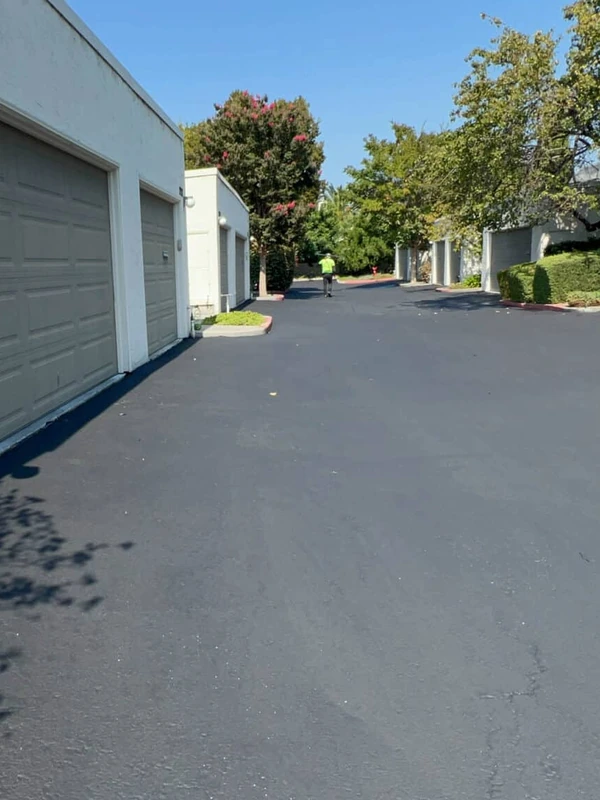
The Impact of Paved Infrastructure on Managed Community Asset Valuation
In California’s competitive real estate market, asphalt integrity is more than an aesthetic choice

INFORMATIONAL RESOURCE
What You’ll Find On This Page
Engineering excellence in surfacing defines the longevity of a property. By implementing high-precision paving methodologies, we ensure that every project meets the most demanding structural standards in the region.
Asphalt Lifecycle Analysis
We utilize predictive modeling to determine structural wear, allowing for interventions before the subbase is compromised.
Advanced Drainage Engineering
We design slopes and water evacuation systems that protect the pavement foundation, mitigating subsurface erosion risks.
Accessibility Compliance
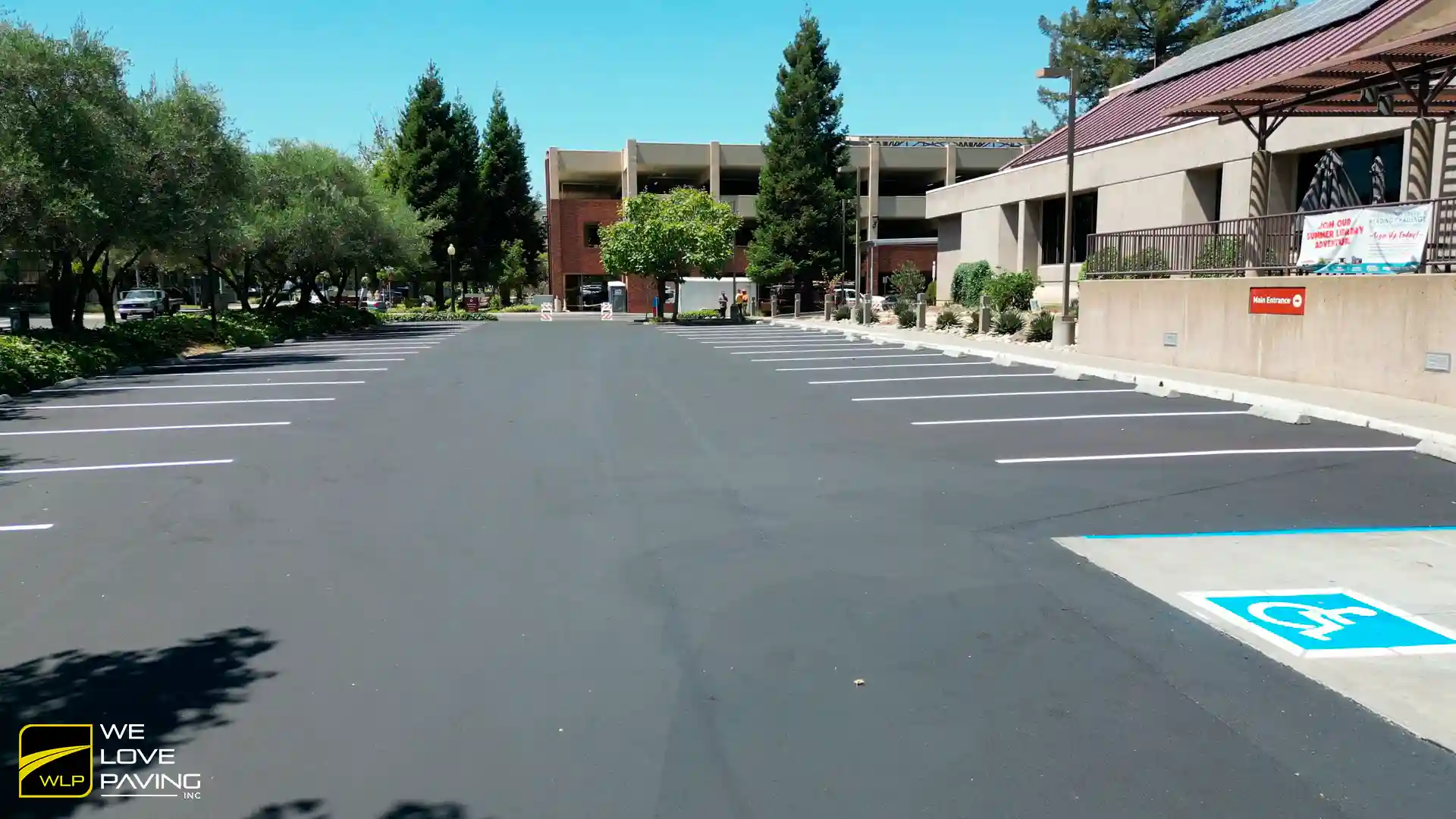
We ensure all surfaces strictly adhere to California regulations and current safety standards.
Correlation Between Infrastructure and Asset Valuation
A professional property appraisal views the health of common areas as a leading indicator of reserve fund solvency and management quality. Degraded pavement suggests hidden financial liabilities, whereas well-maintained infrastructure acts as a value multiplier.
Technical Management and Road Maintenance
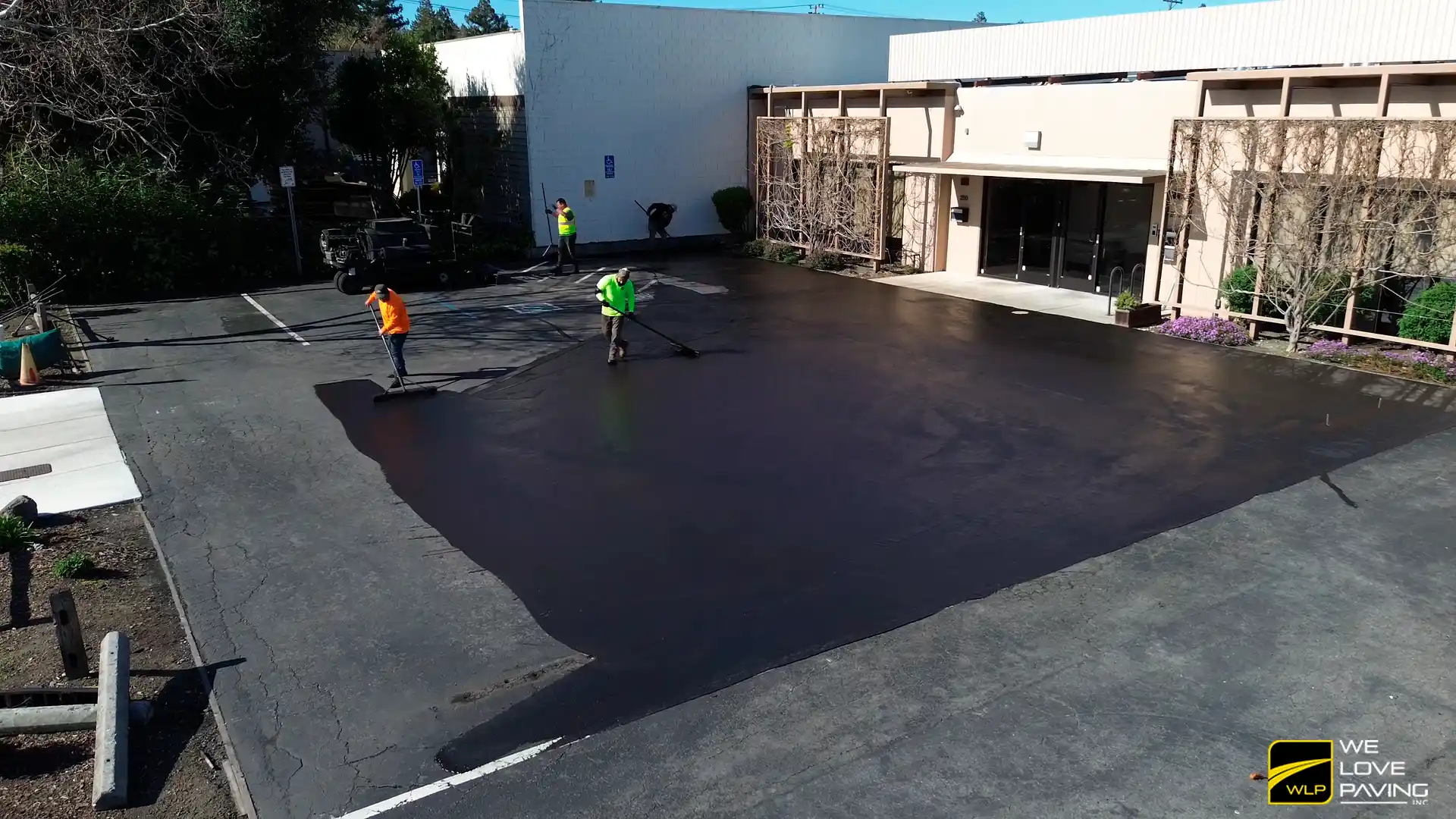
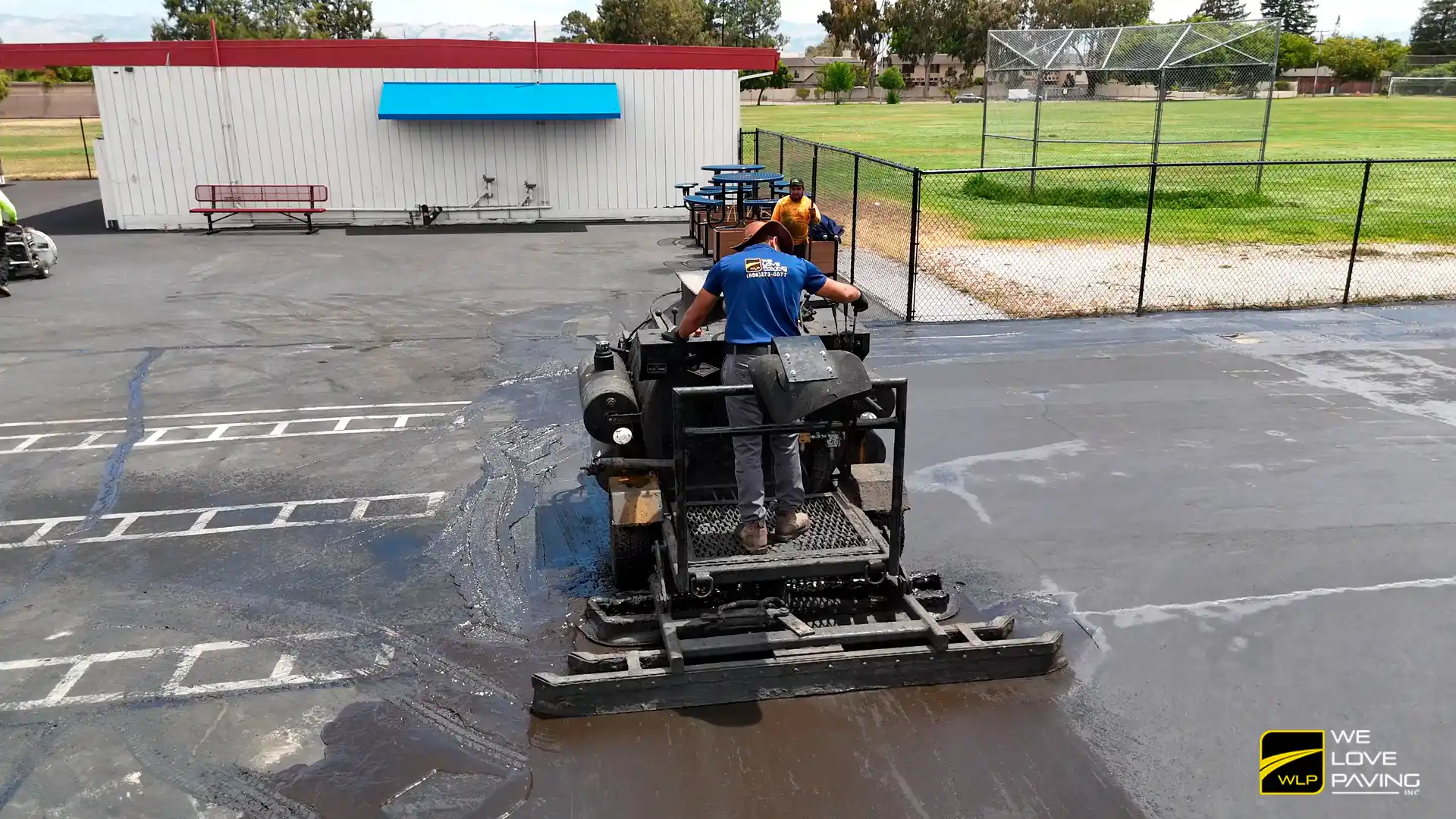
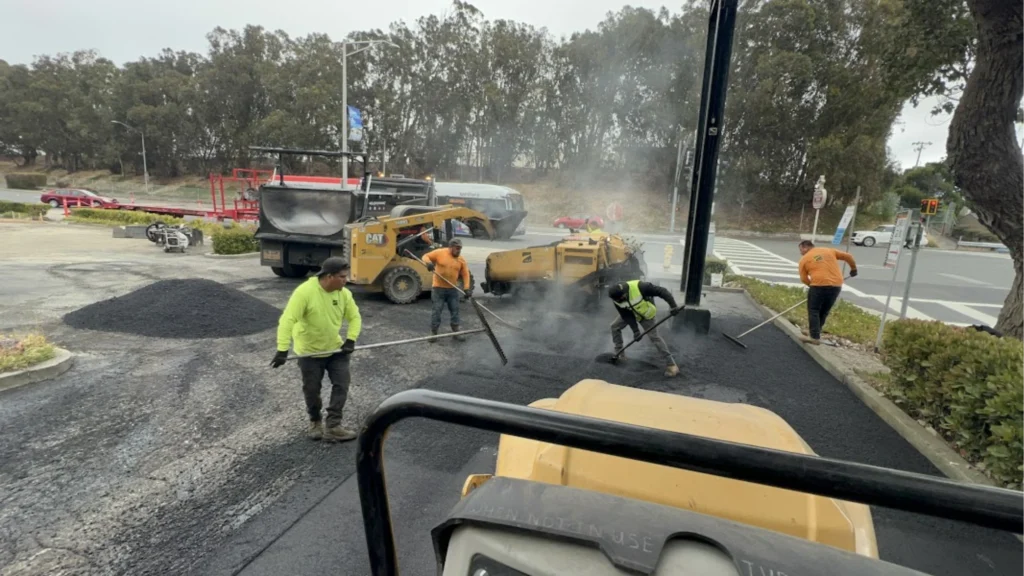
Systematic maintenance is the cornerstone of financial stability for any managed property association. Utilizing high-density sealants and structural patching techniques prevents water infiltration, the primary enemy of asphalt in California. By prioritizing road maintenance, asset managers reduce the likelihood of unforeseen special assessments that could negatively impact market perception and unit appraisals.
Technical Requirements and Regulatory Compliance
Executing paving projects requires deep knowledge of local building codes. From obtaining driveway replacement permits to implementing Caltrans-approved asphalt mixes, every technical step must be documented. Rigorous document management and adherence to specific certifications are essential during professional audit or appraisal processes.
KEY HIGHLIGHTS
Important Elements to Extract From the Resource
This page is designed to present information in a clear, easy-to-scan format, making it simple to find key insights, understand the content, and take action with confidence.
Pavement Condition Index (PCI)
We use quantitative metrics to evaluate surface integrity, providing objective data for financial reserve evaluations.
Superpave Mix Design
We apply polymer-modified asphalt technologies that better withstand the thermal fluctuations of our geographic area.
Subbase Compaction
90% of a pavement’s success lies in what is unseen; we guarantee compaction levels through nuclear density testing.
Operational Safety Protocols
Every project is executed under strict traffic control and perimeter safety measures to minimize liability risks.
KEY HIGHLIGHTS
Optimize Your Infrastructure Value Today
Do not let asphalt degradation compromise your asset appraisals. Get a detailed technical analysis and a multi-year maintenance plan designed by pavement engineering experts

FAQ
Frequently Asked Questions
Quick answers to the questions we hear most about this topic.
Asphalt condition serves as both a visual and structural indicator of preventive maintenance, directly impacting appraisals by reducing contingent liabilities for immediate major repairs. Appraisers evaluate shared areas as part of the asset’s environment; pavement with alligator cracking or base failures suggests administrative neglect, often resulting in negative adjustments to comparative market value.
An appraiser analyzes surface integrity, visible drainage systems, and safety signage to determine the remaining useful life of the road infrastructure. They focus on potholes, depressions, and the quality of transitions at curbs and ramps. Infrastructure that meets safety and aesthetic standards projects solid financial management, favoring a positive valuation.
Preventive maintenance extends the pavement lifecycle, avoiding total reconstruction and thereby protecting the property’s reserve capital. Timely application of techniques like slurry seals or crack sealing keeps the Pavement Condition Index (PCI) at optimal levels. This prevents potential buyers or appraisers from perceiving deferred maintenance debts that detract from individual asset value.
Yes, non-compliance with accessibility regulations (such as the ADA in California) represents a legal and financial risk that appraisers consider. Poorly designed access ramps or uneven surfaces in common areas can be flagged as structural deficiencies, requiring mandatory corrective investments that decrease the financial attractiveness and value of the property compared to compliant competitors.
Efficient drainage is vital to prevent subbase erosion, ensuring the long-term structural stability of the pavement. Standing water is the fastest deteriorating factor for asphalt. During a technical evaluation or appraisal, evidence of proper water management reinforces confidence in infrastructure durability, protecting the owners’ investment.
A documented maintenance plan provides evidence of professional and predictable management, which is highly valued by lending institutions and appraisers during audits. By scheduling technical interventions, financial uncertainty regarding future special assessments for repairs is eliminated, stabilizing market value and facilitating refinancing or sale processes
READY TO GET STARTED?
Download the complete PDF or request a technical audit with no obligation.