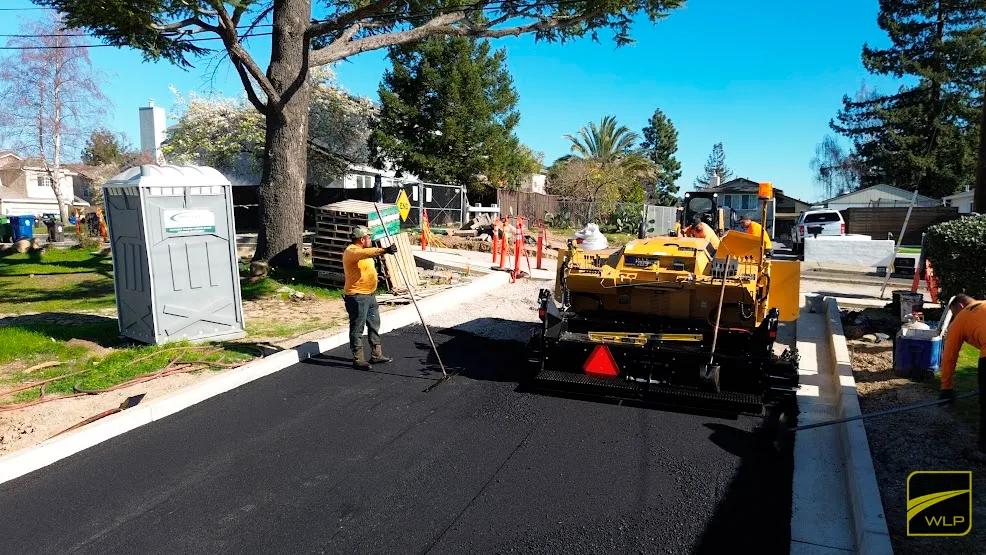
Concrete Contractors in Mill Valley for Slope Control
Concrete surfaces in Mill Valley require technical control of slopes, drainage, and base support to prevent slab movement, accelerated cracking, and ADA exposure.
Phased execution to keep access open
Color-coded sitemaps with clear scope
Video briefing + proposal walkthrough
🛡️ 15yr Pothole-Free Guarantee*
written warranty, terms apply
Calls may be monitored or recorded for quality assurance and training purposes.


Licensed Leadership & Concrete Contractors
We Love Paving Inc. operates under California Contractor License #1049649.
Every concrete project is managed by experienced project leaders and executed following industry best practices to ensure structural
strength, durability, safety, and long-term performance.



Licensed Concrete Work for Sloped Access Conditions in Mill Valley
We Love Paving operates under California Contractor License #1049649 and performs concrete work aligned with current ADA standards involving slopes, pedestrian accessibility in routes and parking areas, safe transitions, and signage when applicable. In Mill Valley, technical concrete execution must account for elevation changes, surface runoff, and functional stability where small grade variations may affect safety, compliance, and operational continuity.
CONCRETE CONTRACTORS
The Problem Isn’t The Concrete… It’s What Your Contractor Chose To “Ignore.
Don’t let a weak mix or a poorly compacted base turn your investment into a puzzle of cracks. The real enemy is the mediocre workmanship hiding beneath the surface.
“Watered-Down” Mixes
The enemy is the contractor who adds too much water to finish faster. It makes the job easier for them, but guarantees a structural failure for you within months.
Poor Sub-Grade Prep
Concrete is only as strong as what’s underneath. The enemy is skipping soil compaction, leading to inevitable sinking and massive replacement costs later.
Supply Chain Surcharges
Cement and rebar prices don’t wait for your approval. Every week of hesitation is an “invisible tax” the market charges for your indecision.
Liability Immunit
A flawless concrete finish is your best defense against “trip-and-fall” lawsuits. The enemy is the “run-down” look that devalues your entire property.
Compliance Guidance Only – Not Legal Advice
How We Deliver Quality Paving Projects
Runoff Driven Slab Movement in Mill Valley Access Areas
In Mill Valley, concrete failure is not only a result of repeated use. Slopes, concentrated runoff, and compact access conditions can disturb support beneath slabs before damage becomes obvious. A minor crack near a joint, ramp, or transition may indicate support loss rather than simple surface wear.
When water concentrates along vulnerable edges or beneath adjoining slabs, the subbase may lose consistency and allow gradual movement that changes slope, elevation, and pedestrian continuity. We Love Paving applies technical expertise through concrete paving services in California to stabilize surfaces, control displacement, and reduce reactive replacement exposure.
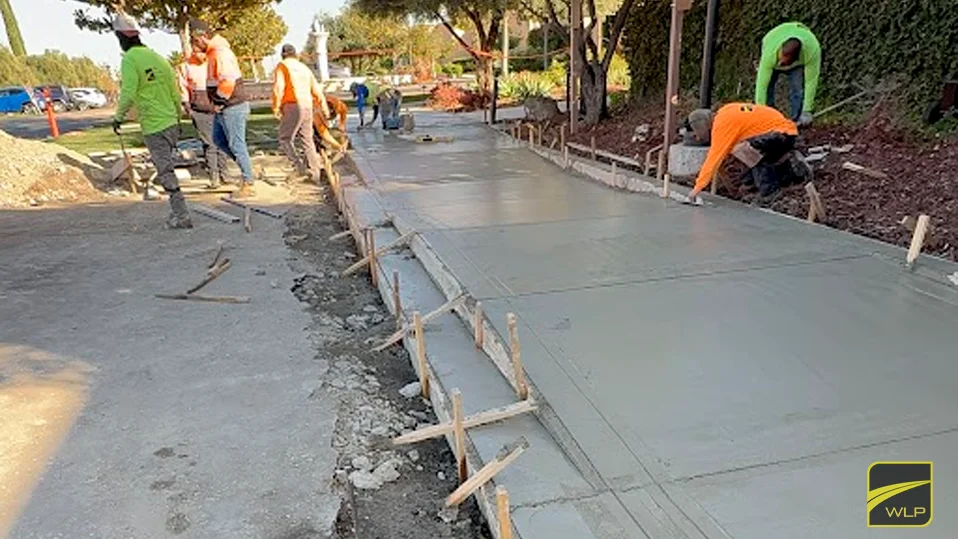
Reading Slope, Drainage, and Tolerances Before Replacement
Effective correction starts with a technical reading of the site: runoff direction, compaction, existing joints, ramp geometry, slab edges, and areas where water may remain trapped. When those conditions are ignored, concrete can crack again even after the visible surface appears newly corrected.
In Mill Valley, preventive evaluation helps determine whether stabilization, partial replacement, or transition redesign provides the better lifecycle decision. The goal is not simply correcting one visible slab; it is reducing future support loss, rework, and ADA-related observations. Additional technical context may be reviewed through structural and lifecycle paving considerations.
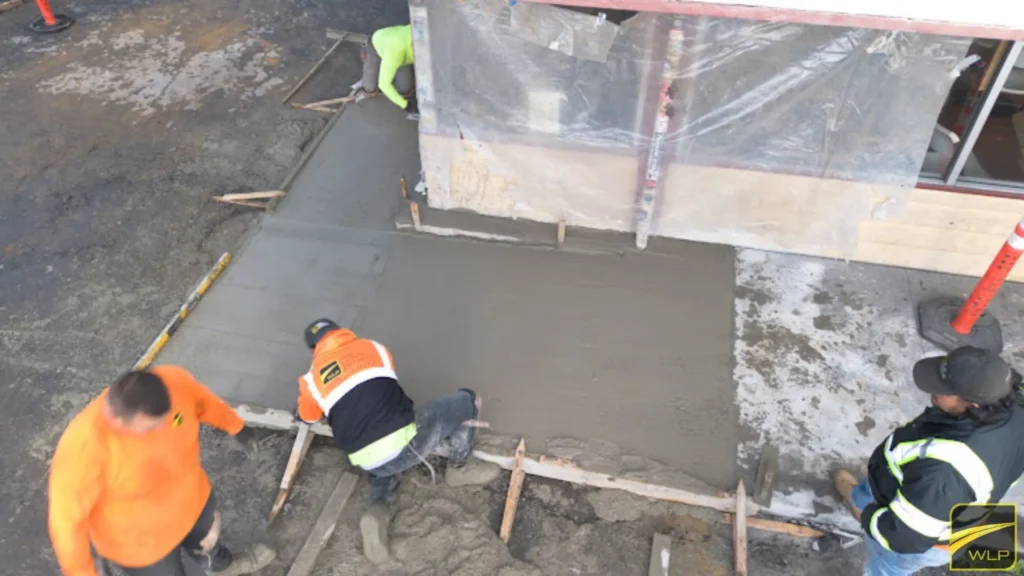
Technical Control for Concrete Surfaces with Elevation Changes
Concrete planning must anticipate how slabs will respond to moisture, repeated loading, existing joints, and slopes that direct water toward vulnerable transition points.
- Joint Planning: Technical joint layout to control expansion, contraction, and structural movement before displacement becomes visible.
- Crack Mitigation: Strategies to reduce crack propagation when support conditions or drainage behavior create recurring stress.
- ADA Transitions: Slope and level-change control across ramps, accessible routes, and functional pedestrian access points.
- Settlement Prevention: Base support review to minimize uneven surfaces, rework, and recurring slab movement.
Phased coordination, verifiable quality control, and accurate drainage evaluation reduce claims related to uneven surfaces while helping preserve operational continuity. Additional information about project coverage is available through Guarantees and Warranty.
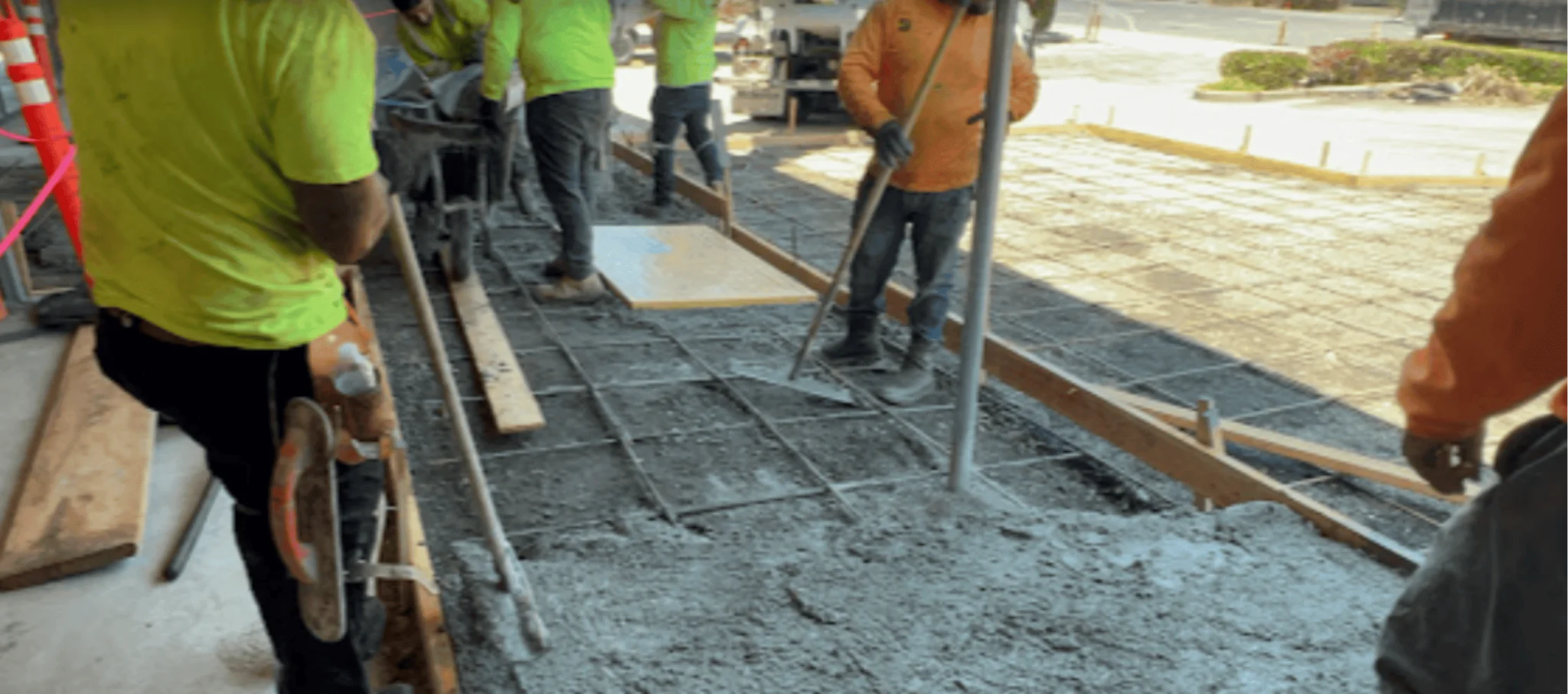
How We Deliver High-Quality Projects
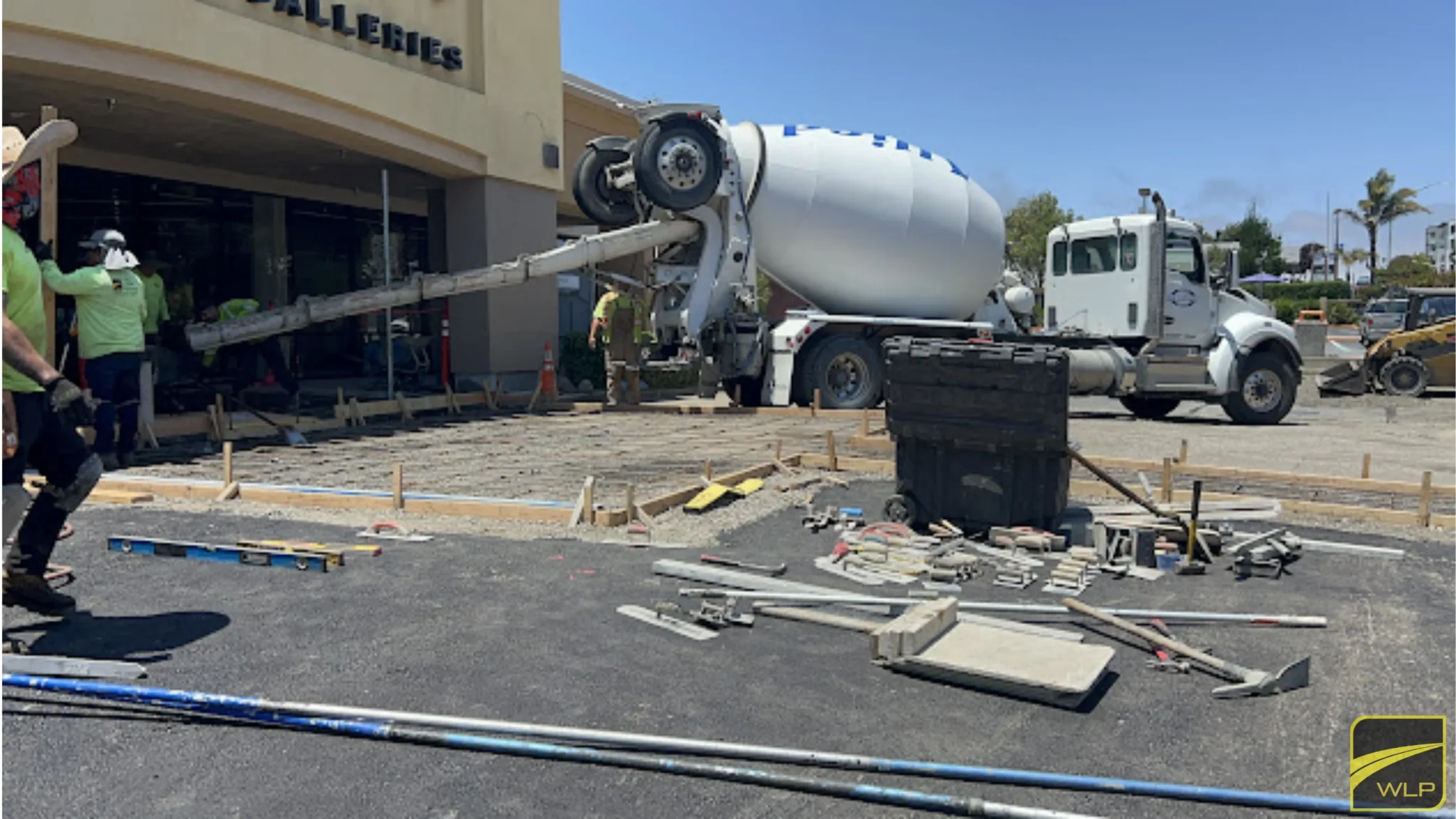
Concrete Contractors
Concrete Contractors Project Mill Valley
BECOME ONE OF OUR SATISFIED CUSTOMERS





This Is What Our Clients Say About Our Work
Frequently Asked Questions (FAQ)
General Questions About Our Professional Services and Project Execution
Uneven concrete in Mill Valley may create ADA exposure when slope breaks, ramp transitions, or displaced slabs interfere with accessible circulation across active pedestrian routes and parking connections nearby today.
Small elevation changes can become significant when they occur along ramps, walkway connections, or access points affected by slope. Preventive review helps identify whether the issue is surface wear, slab displacement, or support loss beneath the concrete. That distinction matters before deciding between grinding, stabilization, or replacement.
Drainage problems may weaken concrete performance when runoff concentrates beneath slabs, softens support conditions, and accelerates joint movement along sloped or constrained circulation areas over time consistently onsite areas nearby.
Runoff does not need to be dramatic to create structural consequences. Repeated moisture movement along slab edges can reduce base consistency and change how adjoining panels behave. In Mill Valley, evaluating drainage paths before repair helps prevent surface correction from failing because the underlying water movement remained unresolved.
Marin County site managers may face increased liability when uneven concrete transitions remain visible, documented, and uncorrected across pedestrian routes where trip hazards can reasonably be anticipated onsite areas nearby.
Responsibility often depends on whether the hazard was visible, recurring, or previously documented. Technical inspections help create a defensible maintenance record and clarify whether immediate correction, monitoring, or phased work is appropriate. For pedestrian routes, delaying action can increase operational and legal exposure.
Surface grinding may reduce minor elevation changes, but it cannot correct subbase instability, drainage movement, or deeper settlement causing slabs to keep shifting after visible correction work completes later onsite.
Grinding is useful only when the level change is shallow and the slab has stopped moving. If support loss or runoff remains active, the same area may shift again. A technical evaluation helps determine whether the correct response is grinding, stabilization, drainage correction, or partial replacement.
Concrete surfaces in Mill Valley should be evaluated when recurring cracking, ponding, ramp slope changes, or slab movement begin affecting access routes, parking transitions, or pedestrian safety conditions onsite nearby.
Early evaluation separates cosmetic deterioration from structural movement. This is especially important where slopes, ramps, and drainage paths interact. A professional review can identify whether the issue is isolated or part of a broader support problem, helping prioritize work before accessibility complaints or replacement costs increase.
Phased correction may reduce disruption when concrete issues are mapped by severity, access importance, drainage influence, and ADA exposure before replacement or stabilization work begins onsite areas safely today locally.
Phasing works best when the site is evaluated before work begins, not after demolition starts. Mapping risk areas allows critical access points, slopes, and drainage-affected slabs to be addressed first. This reduces unnecessary interruption while preserving functional circulation during concrete repair or replacement.
Do You Need Professional Surface Solutions for Your Property?
Our team delivers reliable, high-quality results with a professional approach focused on durability, compliance, and long-term value.
Written Protection for Qualifying Projects
The Panda Pledge
The Panda Pledge™ is We Love Paving’s multi-year commitment to quality, craftsmanship, and proactive pavement care built for qualifying projects that deserve long-term protection and documented support.
Up to 15-Year Pothole-Free Coverage
Qualifying full-depth asphalt installations over 1,000 sq. ft. may be eligible for up to 15 years of pothole-free coverage when properly activated and maintained.
Smart Maintenance Ecosystem
Required sealcoating cycles, inspections, digital service records, and documented follow-up help keep your pavement protected and your coverage active.
Documented Craftsmanship You Can Verify
Every qualifying project is supported by transparent communication, documented workmanship, inspection records, and a clear process for covered claims.