How to Prepare Your Parking Lot for Heavy Delivery Traffic

Delivery traffic has increased every year — Amazon, UPS, FedEx, food distributors, freight carriers, landscaping trucks, trash haulers, you name it.
Most commercial properties were never designed to handle this constant heavy load.

After more than 10 years working on retail centers, warehouses, medical buildings, and multi-tenant properties, we see the same thing:

👉 Heavy vehicles destroy parking lots faster than anything else.
👉 But with the right preparation, you can extend your pavement’s life by years.

Here’s how to protect your property before the damage becomes expensive.


1. Identify All High-Load Zones

Heavy vehicles rarely use the entire parking lot — they follow patterns.

The most common high-stress areas are:

  • Delivery routes behind buildings

  • Trash enclosure and dumpster pads

  • Loading docks

  • Fire lanes

  • Grocery store deliveries

  • Restaurant supply trucks

  • Drive-thru lanes (for concrete abrasion)

  • Utility truck access points

These zones take 80–90% of the structural damage, even if they represent a small portion of the total square footage.

Step one: Map where heavy vehicles enter, turn, stop, unload, and exit.
This tells you exactly where to reinforce the pavement.


2. Upgrade the Base Layer (The Foundation Matters Most)

A heavy-duty commercial pavement starts with the base — not the asphalt.

If the sub-base is too thin or poorly compacted, no amount of asphalt on top will survive trucks weighing:

  • 20,000–30,000 lbs (delivery vans)

  • 60,000–80,000 lbs (garbage trucks)

  • 80,000–100,000 lbs (tractor trailers)

The recommended upgrades:

  • Increase base depth

  • Improve soil stabilization

  • Add aggregate for stronger load distribution

  • Compact in layers (never in one lift)

Even a small enhancement in the base layer adds YEARS to the pavement’s lifespan.


3. Install Thicker Asphalt in Heavy-Traffic Sections

Not all asphalt should be the same thickness.

For standard parking spaces:

👉 2–3 inches is normal.

For delivery lanes, loading zones, and dumpster areas:

👉 We recommend 4–6 inches, sometimes more depending on truck type.

If your property receives trash trucks twice a week, that alone can destroy a light-duty asphalt section in under two years.

Thicker asphalt = stronger pavement = fewer repairs.


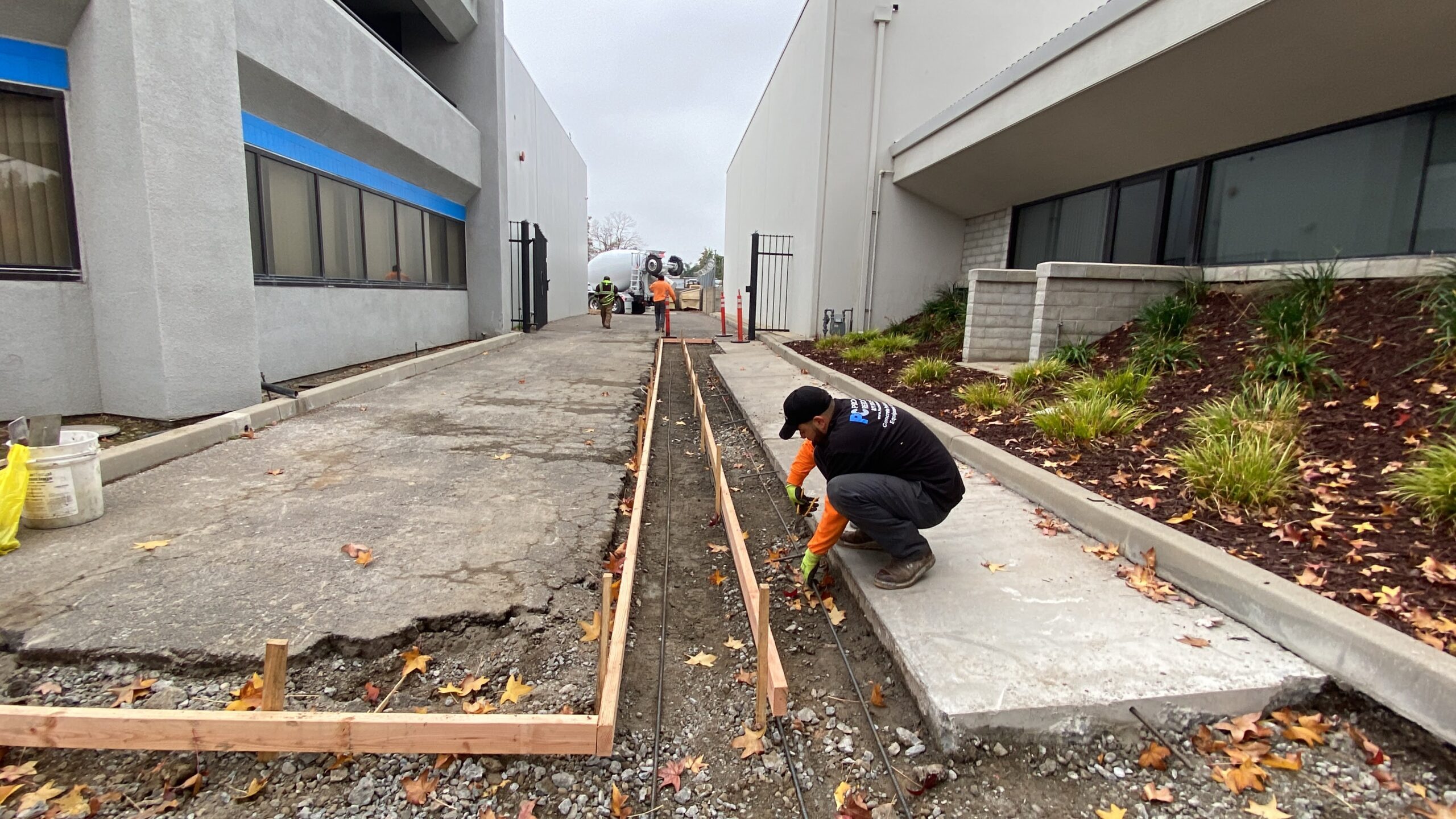
4. Consider Concrete Pads for Dumpsters and Loading Areas

Trash trucks + weak asphalt = instant failure.

Dumpster areas suffer from:

  • Repeated heavy loads

  • Grinding and twisting tires

  • Hydraulic leaks

  • Poor drainage

Concrete is the best solution here.

It costs more upfront but:

  • Lasts longer

  • Doesn’t rut

  • Doesn’t deform

  • Handles static weight better

  • Reduces long-term repair costs

Many PMs choose concrete pads in heavy-duty zones and asphalt everywhere else — the perfect balance of durability and budget.


5. Improve Drainage to Protect High-Stress Areas

Standing water accelerates failure in heavy-load zones more than anywhere else.

Water + truck weight = cracking + alligatoring + potholes.

To prevent this:

  • Add proper slope

  • Install catch basins

  • Regrade delivery routes

  • Seal cracks as soon as they appear

Keeping water away from the pavement structure protects your investment.


6. Use Reinforced Edges and Proper Turn Radii

Delivery trucks put huge stress on:

  • Corners

  • Edges

  • Turning points

If trucks cut corners on thin pavement, it breaks.

Solutions include:

  • Widening turn radii

  • Reinforcing edges with thicker asphalt or base

  • Adding curbing or wheel stops to guide traffic

Just reshaping a turn can prevent thousands of dollars in edge damage each year.


7. Set Up a Preventive Maintenance Schedule

Even reinforced pavement needs regular upkeep:

  • Crackfill every season

  • Sealcoat every 2–3 years

  • Pothole repair before winter

  • Line striping to guide traffic

  • Drainage inspections

The faster you address small issues, the longer your pavement lasts.

Heavy-traffic areas especially need proactive care — waiting too long is the most expensive mistake we see.


8. Train Vendors and Tenants on Proper Delivery Routes

Most PMs don’t realize this:

👉 You can prevent damage simply by controlling how delivery trucks move on the property.

Clear signage, marked pathways, and proper traffic flow prevent trucks from driving over:

  • Sidewalks

  • Landscape areas

  • Thin asphalt sections

  • Handicap paths

  • Utility covers

A simple “Delivery Route Only” sign can save thousands.


Why This Matters for Property Managers

A parking lot exposed to heavy delivery traffic without reinforcement will:

  • Rut

  • Crack

  • Sink

  • Break apart

  • Require early repaving

The cost difference is huge:

✔ Reinforced high-load sections: $2,000–$15,000
❌ Replacing a failed parking lot: $50,000–$250,000+

Protecting the pavement BEFORE damage starts is the smartest financial decision a PM can make.


How We Love Paving Helps You Protect High-Traffic Areas

We provide:

  • Full traffic pattern assessment

  • Base strength evaluation

  • Asphalt thickness recommendations

  • Concrete pad installation

  • Reinforced delivery routes

  • Long-term maintenance planning

  • ADA-compliant redesign of loading areas

Every property is different — we customize the plan based on real traffic data, not guesswork.


Ready to Protect Your Parking Lot?

If your property receives regular deliveries, now is the time to reinforce high-load zones before damage spreads.

👉 Request a free assessment from We Love Paving.

We’ll show you exactly where your pavement is vulnerable and how to extend its life for years.

Share

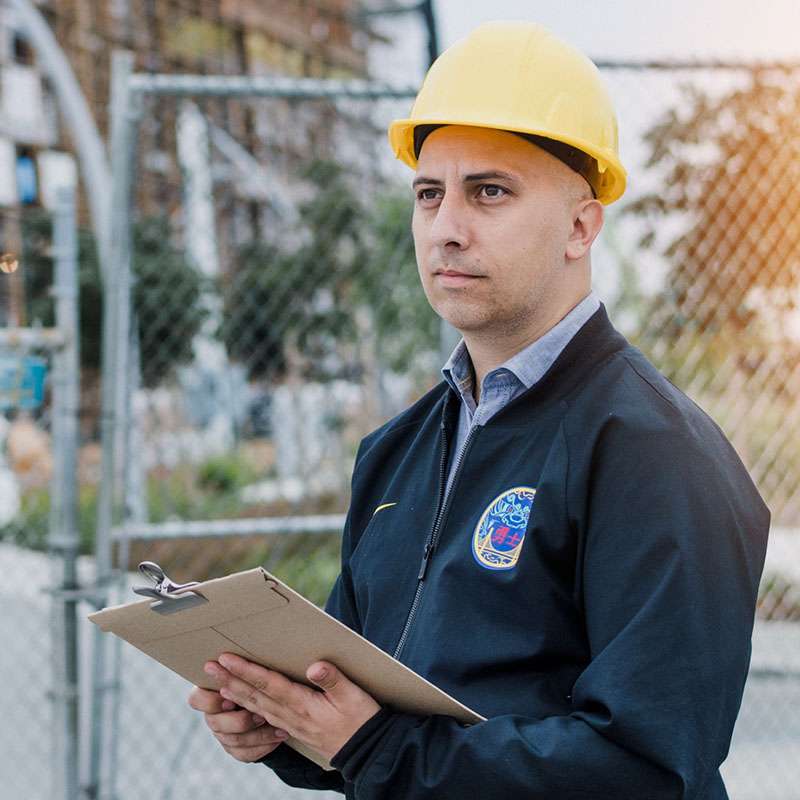
WHO IS FRED?

Fred, Regional Operations Manager, comes from a family of immigrant roots and a story built on sacrifice, discipline, and hard work. Growing up, Fred watched his parents work long hours and weekends to create a better future teaching him the values of perseverance, determination, and doing things the right way every single time.
We Love Paving began with Fred’s father, who started doing what he knew best: paving. Over the years, he built experience alongside respected professionals in the industry, refining his methods and developing a reputation for quality work that speaks for itself. As his clientele grew, so did the vision one built not only on skill, but on integrity and pride in every job.

Posts that might interest you

The Art of Timing: When Can You Safely Walk on Newly Paved Surfaces?

The Art of Timing: When Can You Safely Walk on Newly Paved Surfaces?

June 6, 2023

Walking on a freshly paved surface may seem like a simple act, but the timing of when it’s safe to do so is crucial. The process of paving involves multiple factors that affect the surface’s strength and durability, and knowing when it’s appropriate to walk on it can prevent damage and ensure optimal results. In

When does paving season end?

When does paving season end?

June 6, 2023

Paving season isn’t an abstract concept; it’s a concrete consideration for anyone embarking on a paving project, whether it’s for a residential driveway or a commercial parking lot. Knowing when to schedule your paving work can make all the difference between a smooth, durable surface and a potential headache down the road. Let’s explore the

How to improve your parking lot ratio!

How to improve your parking lot ratio!

May 4, 2023

The parking ratio of a commercial real estate property is the number of parking spaces available per square foot of leasable space. Having an adequate parking ratio is essential for attracting and retaining tenants, as it can impact their ability to conduct business and serve customers. If you own or manage a commercial property and

What is commercial Property depreciation?

What is commercial Property depreciation?

May 4, 2023

Commercial real estate investment holds immense potential for generating substantial returns over time. Beyond rental income and property appreciation, savvy investors employ various strategies to optimize their returns. One such strategy that often goes underappreciated is leveraging commercial real estate depreciation for tax benefits. In this comprehensive guide, we’ll explore how strategic depreciation can bolster

Can a Commercial Property be turned to residential?

Can a Commercial Property be turned to residential?

May 4, 2023

As cities evolve and populations grow, the demand for housing continues to rise. In response to this ever-present need, property owners and developers are exploring innovative ways to maximize the use of existing structures. One increasingly popular approach is the conversion of commercial properties into residential spaces. In this article, we’ll delve into the intricacies

A Paving Company near you!

A Paving Company near you!

May 4, 2023

When it comes to paving companies, there are a lot of options out there. But if you’re looking for a company that truly stands out from the crowd, look no further than We Love Paving. Here are just a few reasons why we believe our company is superior to our competition. Expertise and Experience At

when is the best season to pave?

when is the best season to pave?

May 4, 2023

Paving season is a pivotal period in the construction industry, demanding careful planning and consideration to ensure successful project execution. Understanding the ideal timing for paving is essential for contractors and project managers alike, as it significantly impacts project outcomes. Let’s delve into the factors that influence paving season and determine the best time to

Are Asphalt Millings good for your driveway?

Are Asphalt Millings good for your driveway?

May 4, 2023

Asphalt millings have garnered increasing attention as a versatile and practical material for driveway construction, offering a myriad of advantages that appeal to homeowners. In this comprehensive guide, we’ll delve deeper into the myriad benefits of using asphalt millings for your driveway. Understanding Asphalt Millings Before delving into their benefits, let’s first understand what asphalt

Can paving be done in the rain?

Can paving be done in the rain?

May 4, 2023

Certainly! Conducting a more extensive investigation on the impact of rain on paving would involve exploring various aspects such as the specific effects of rain on different types of paving materials, the techniques and technologies used to mitigate these effects, case studies highlighting the consequences of paving in rainy conditions, and any regulatory or industry

why is it important to seal coat your parking lot!

why is it important to seal coat your parking lot!

May 1, 2023

Parking lots serve as vital assets for businesses, offering safe and convenient spaces for customers and employees alike. However, the asphalt surfaces of these lots are subject to wear and tear over time, necessitating proactive maintenance to ensure longevity and safety. One highly effective method of preserving asphalt integrity is sealcoating—a process that offers numerous

Previous Next