Pavement Preservation Experts in Northern California
⭐️⭐️⭐️⭐️⭐️ 4.7 avg (67+ reviews)
Proactive management of infrastructure requires a paradigm shift from reactive repair to strategic preservation.
Unlock Download
Enter your details to access this resource instantly.
Please fill in all fields correctly.

INFORMATIONAL RESOURCE
What You’ll Find On This Page
Quality standards in modern pavement engineering are not measured by the ability to fix failures, but by the skill to prevent them. Pavement preservation is a data-driven discipline that applies the right treatment to the right asset at the right time.
Structural Integrity Analysis
We evaluate the Pavement Condition Index (PCI) to identify the optimal opportunity window before material fatigue occurs.
Advanced Emulsion Science
We utilize high-performance chemical compounds that restore asphalt binder flexibility, protecting it against premature oxidation and moisture infiltration.
Sustainability & Operational Efficiency
We reduce carbon footprints and long-term costs through non-invasive interventions that extend service life by 5 to 10 years.
The Art and Science of Lasting Construction
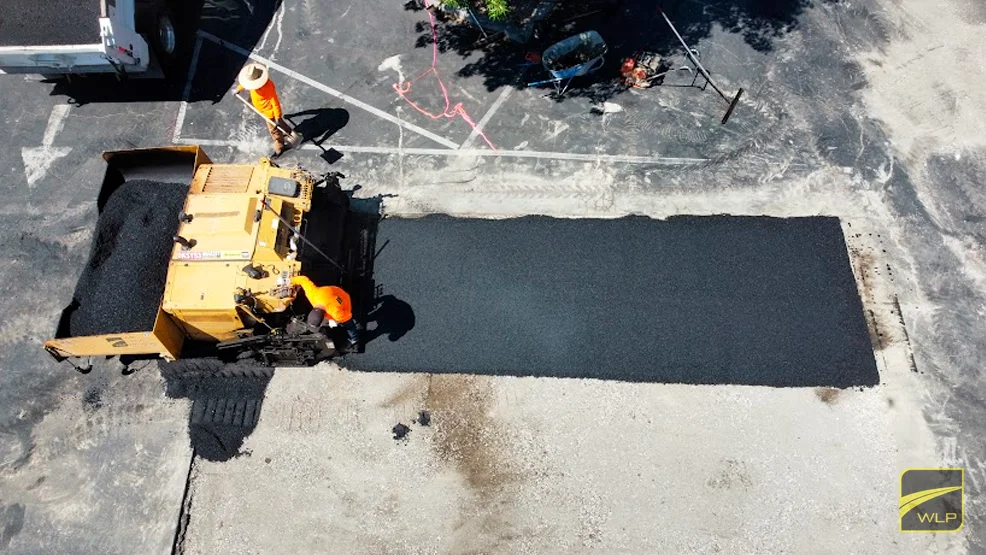
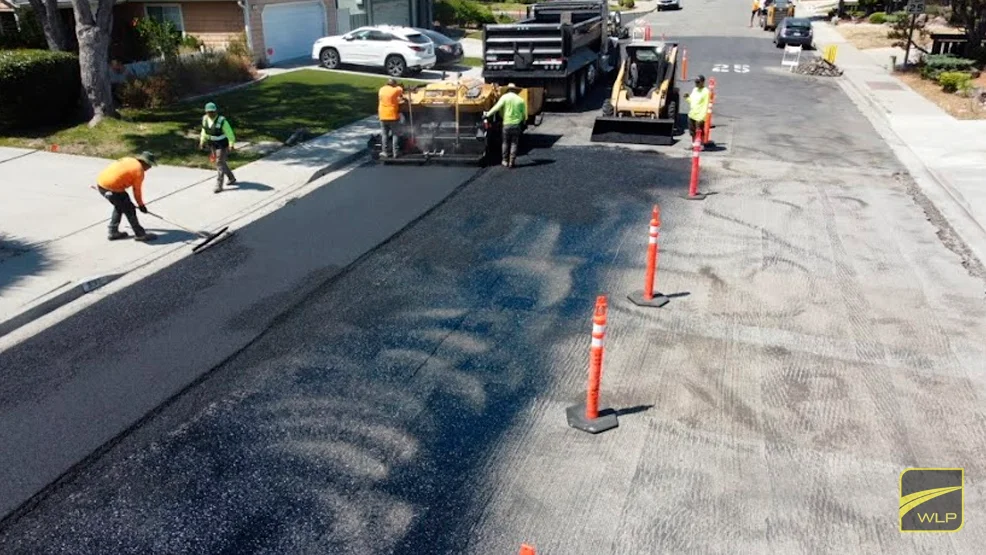
The foundation of a resilient road system lies in the art and science of asphalt paving building roads that last. It is not just about pouring material; it’s about understanding compaction, aggregate gradation, and the thermal response of asphalt in Northern California’s variable climate. Preservation acts as a shield that keeps these properties intact against heavy traffic and weather cycles.
Technical Decoding of the Construction Process
When decoding paving in construction understanding its significance, we observe that preservation is the critical component protecting the initial investment. Integrating highly engineered surface treatments allows the supporting structure to remain dry and stable, preventing fines migration and the formation of deep structural failures that would require costly reconstructions.
Chemical Protection and High-Performance Sealing
Understanding what is sealcoating asphalt maintenance is fundamental to any preservation strategy. Technical sealing is not an aesthetic upgrade but an impermeable chemical barrier. By applying industrial-grade sealants, we block UV rays and oils that degrade the bitumen matrix, ensuring the pavement retains its load-bearing capacity and flexibility under strict safety regulations.
KEY HIGHLIGHTS
Important Elements to Extract From the Resource
This page is designed to present information in a clear, easy-to-scan format, making it simple to find key insights, understand the content, and take action with confidence.
Non-Structural Surface Treatments
Application of thin overlays and crack seals that stop degradation without altering the site’s geometry.
Oxidation Management
Early intervention with rejuvenators to mitigate asphalt brittleness caused by intense solar exposure.
Sub-base Waterproofing
Blow-and-fill crack sealing techniques using polymers to prevent water from compromising soil bearing capacity.
ROI Optimization
Implementing preservation protocols can save up to $6 in reconstruction for every $1 invested in preventive maintenance.
KEY HIGHLIGHTS
Elevate Your Infrastructure Standards with Precision Engineering
Do not let structural decay compromise the safety and value of your assets. Our technical team in Northern California is ready to design a preservation plan aligned with The Panda Pledge, ensuring total transparency and technical excellence.

FAQ
Frequently Asked Questions
These questions improve usability for visitors and also strengthen the SEO structure of the page.
Pavement preservation is a set of proactive strategies, such as crack sealing, thin overlays, and sealcoating—applied to surfaces in good condition to extend their life. Unlike reactive maintenance, which intervenes only when damage is visible and expensive, preservation prevents structural failure. This reduces long-term costs by up to 70% while maintaining consistent safety levels for users.
In Northern California, intense heat cycles and seasonal moisture accelerate oxidation and thermal expansion. This leads to fatigue cracking and aggregate stripping. A technical preservation program offsets these climatic effects using polymers and sealants that maintain binder flexibility, preventing water from penetrating into the lower structural layers.
Preservation is applied to functional pavements to maintain their state; rehabilitation is performed when there is moderate structural damage requiring overlays; and reconstruction involves total removal of the structure. Preservation is the most efficient option as it uses low-thickness surface treatments that do not affect geometry but effectively stop the aging process.
The “Golden Timing” occurs before the Pavement Condition Index (PCI) drops below 70%. Generally, this happens between years 3 and 5 after initial installation. Applying treatments in this window allows the structure to maintain its original integrity, preventing small fissures from evolving into potholes or base failures.
Our processes are governed by ASTM standards and FHWA recommendations for asset preservation. This includes surface friction testing to ensure braking safety and the use of certified materials that comply with California’s environmental regulations, ensuring that the pavement is not only durable but safe for all traffic.
Preservation is inherently “green.” By extending the life of existing asphalt, it drastically reduces the need for new aggregates and petroleum-based asphalt binders. Furthermore, preservation treatments require less energy for application and generate significantly less construction waste, aligning with regional carbon footprint reduction goals.
READY TO GET STARTED?
Download the complete PDF or request a technical audit with no obligation.