If you own or manage a commercial property in California, ADA compliance is not just a legal requirement—it’s a responsibility to your customers and community. Failing to meet ADA (Americans with Disabilities Act) standards in your parking lot can result in hefty fines, lawsuits, and even lost business opportunities.
👉 You can also review a clear breakdown of the most common ADA parking violations that lead to fines in California
What Is ADA Compliance in Parking Lots?
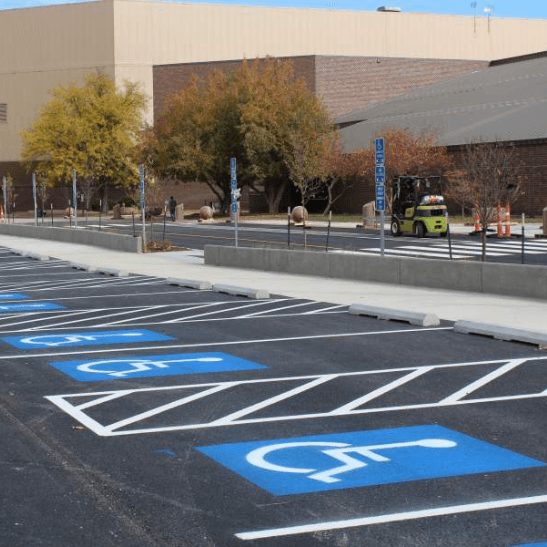
ADA compliance means making your property accessible for everyone, including people with disabilities. In parking lots, this typically includes:
-
Clearly marked accessible parking spaces
-
Properly designed ramps and curb cuts
-
Signage with the international symbol of accessibility
-
Adequate striping and dimensions for wheelchair access
Why ADA Compliance Matters
1. Avoid Legal Penalties
In California, fines for ADA violations can start at $4,000 per incident—and that’s just the beginning. Lawsuits and legal fees can add up quickly, turning a simple mistake into a costly nightmare.
2. Protect Your Reputation
Customers notice when businesses care about accessibility. A non-compliant parking lot doesn’t just risk fines—it sends a message of neglect. On the other hand, ADA-compliant facilities show professionalism and inclusivity.
3. Increase Customer Satisfaction
Accessible parking means better customer experience. When visitors feel comfortable and safe, they are more likely to return—and recommend your business to others.
4. Future-Proof Your Property
Regulations evolve. By investing in ADA compliance today, you protect your property from future issues and ensure long-term value.
How to Know if Your Parking Lot Is ADA Compliant
Here’s a quick checklist:
-
Do you have the required number of accessible parking spaces based on lot size?
-
Are spaces properly marked with striping and signage?
-
Are ramps, slopes, and curb cuts within legal guidelines?
-
Is paint faded, making lines unclear?
If you answered “no” to any of these, it’s time for an update.
📘 Want to Avoid an ADA Lawsuit? (2025 Guide)
Most parking lot ADA violations happen long before property owners ever realize it.
If you want to make sure your business is protected, we created a simple step-by-step resource covering slopes, signage, van-accessible spaces, and the most common lawsuit triggers.
👉 Read the ADA Lawsuit Prevention Guide (2025) on StopADA
Final Thoughts
Maintaining ADA compliance is not optional—it’s essential. It protects your business, improves safety, and enhances customer experience.
✅ Need help bringing your parking lot up to ADA standards? At We Love Paving, we specialize in ADA-compliant paving and striping. Contact us today for a free inspection and estimate.