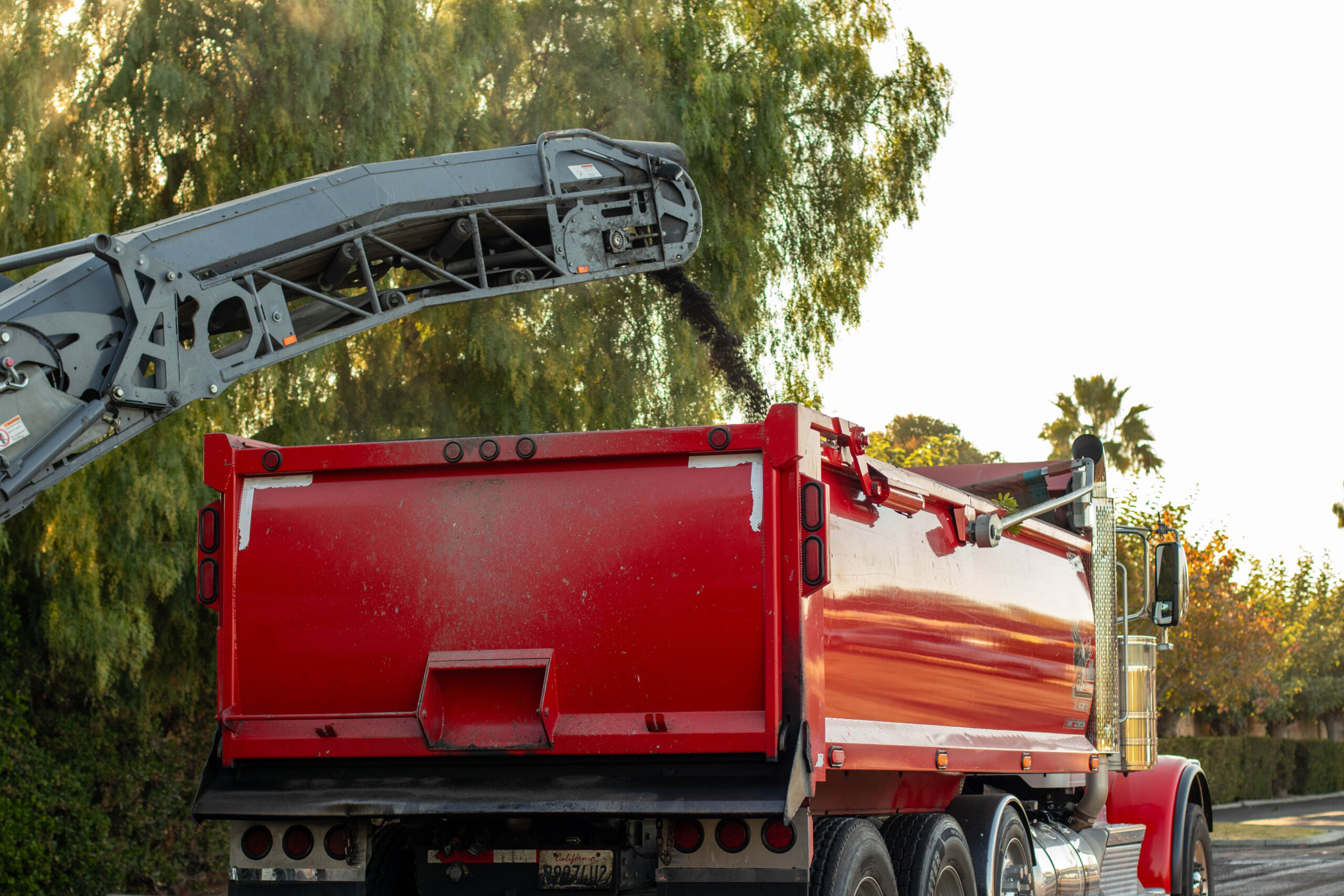
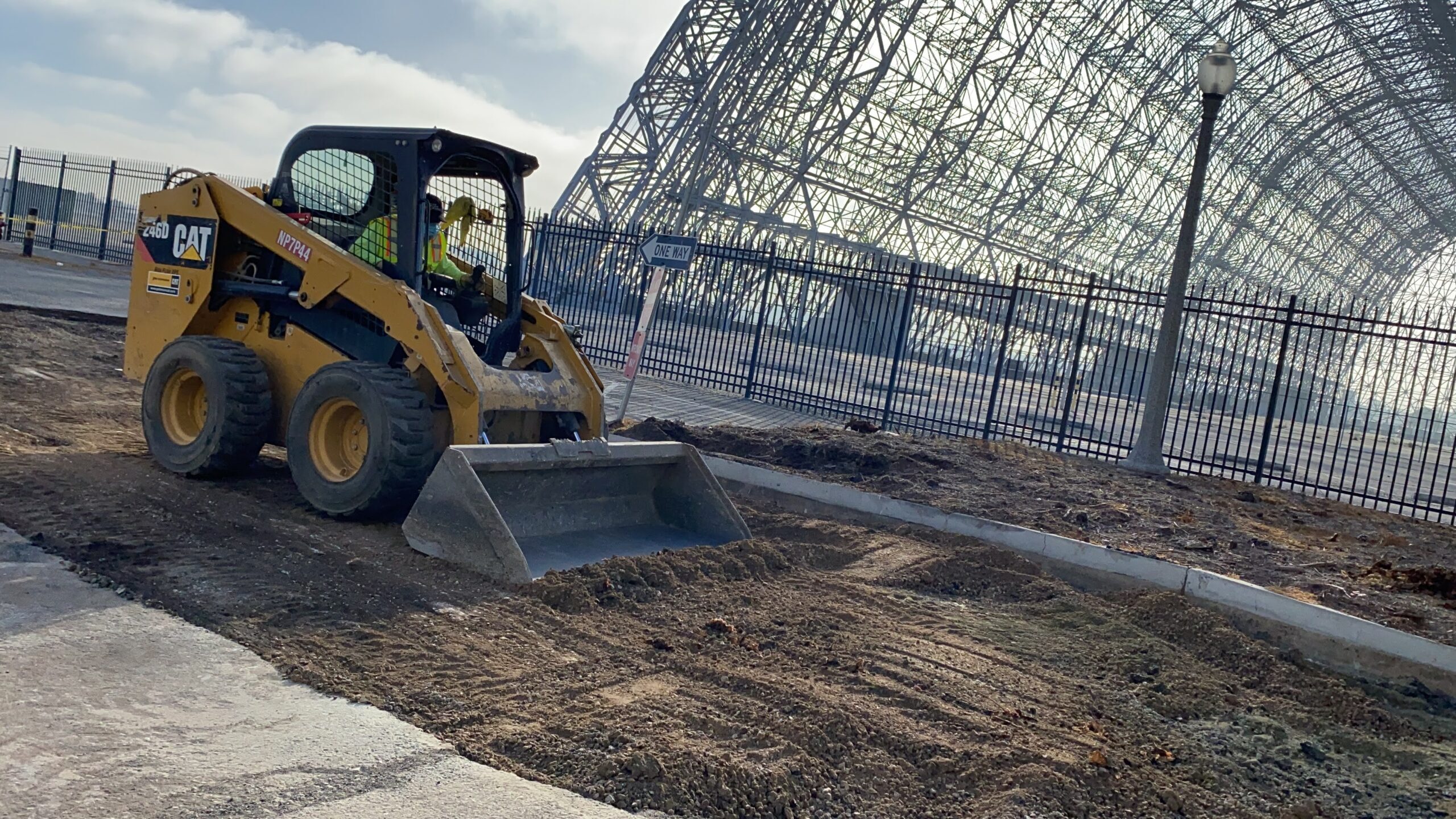
Asphalt is a popular paving material for driveways, parking lots, and roads due to its durability and cost-effectiveness. If you’re planning to pave an area with asphalt, one of the first things you’ll want to know is how much it will cost. Calculating the price of asphalt involves several factors, including the size of the area, the thickness of the asphalt layer, material costs, and labor. In this article, we’ll guide you through the steps to accurately calculate the price of asphalt for your project.
1. Determine the Area to Be Paved
The first step in calculating the price of asphalt is determining the size of the area that needs to be paved. Asphalt is typically priced by the square foot, so you’ll need to measure the length and width of the space to get the total square footage.
Step-by-Step Process:
- Area in Sq. Yards: (Total Sq. Ft. ÷ 9)
- Theoretical Tonnage: (Sq. Yards × Planned Thickness × 110) ÷ 2,000
Formula:Square Footage=Length (in feet)×Width (in feet)\text{Square Footage} = \text{Length (in feet)} \times \text{Width (in feet)}Square Footage=Length (in feet)×Width (in feet)
Pro Formula: Square Feet to Tons Calculation
To convert your area into a purchase order, follow this professional formula:
Note: For residential driveways, we recommend adding a 5% safety margin to the tonnage to account for edge compaction and base inconsistencies.
2. Decide on the Thickness of the Asphalt Layer
The thickness of the asphalt layer is another crucial factor in determining the cost. Asphalt is typically laid in layers, with a common thickness ranging from 2 to 4 inches for residential driveways. Thicker layers are more expensive but offer greater durability, especially in areas with heavy traffic or harsh weather conditions.
Considerations:
Formula:Cubic Feet of Asphalt=Square Footage×Asphalt Thickness (in feet)\text{Cubic Feet of Asphalt} = \text{Square Footage} \times \text{Asphalt Thickness (in feet)}Cubic Feet of Asphalt=Square Footage×Asphalt Thickness (in feet)
Convert the thickness from inches to feet (e.g., 2 inches = 0.167 feet).
3. Calculate the Volume of Asphalt Needed
Once you have the total square footage and the desired thickness, you can calculate the volume of asphalt needed. The volume will help you estimate how much asphalt mix you’ll need to purchase.
Formula:Volume (in cubic feet)=Square Footage×Thickness (in feet)\text{Volume (in cubic feet)} = \text{Square Footage} \times \text{Thickness (in feet)}Volume (in cubic feet)=Square Footage×Thickness (in feet)
For example, if you have a 200-square-foot driveway and want a 2-inch thick layer of asphalt, the calculation would be:Volume=200×0.167=33.4 cubic feet\text{Volume} = 200 \times 0.167 = 33.4 \text{ cubic feet}Volume=200×0.167=33.4 cubic feet
Understanding Asphalt Spread Rate for Precise Budgeting
The “spread rate” is the secret to moving from square footage to actual tons. In the paving industry, the standard spread rate is 110 lbs per square yard per inch of thickness.
If you are calculating costs for a 2-inch surface, you need to budget for 220 lbs of material for every square yard. Ignoring this factor often leads to a 10-15% underestimation in total project pricing, especially on uneven surfaces where more material is required to achieve a level finish.
4. Convert the Volume to Tons
Asphalt is typically sold by the ton, so you’ll need to convert the volume from cubic feet to tons. The density of asphalt is approximately 145 pounds per cubic foot, which translates to about 0.073 tons per cubic foot.
Formula:Weight (in tons)=Volume (in cubic feet)×0.073 tons per cubic foot\text{Weight (in tons)} = \text{Volume (in cubic feet)} \times 0.073 \text{ tons per cubic foot}Weight (in tons)=Volume (in cubic feet)×0.073 tons per cubic foot
Using the previous example:Weight=33.4×0.073=2.44 tons\text{Weight} = 33.4 \times 0.073 = 2.44 \text{ tons}Weight=33.4×0.073=2.44 tons
5. Determine the Cost of Asphalt per Ton
The cost of asphalt per ton varies depending on factors such as location, the quality of the asphalt mix, and current market prices. On average, asphalt costs between $100 and $150 per ton. Contact local suppliers to get an accurate price for your area.
Example Calculation:
If asphalt costs $120 per ton and you need 2.44 tons:Material Cost=2.44×120=$292.80\text{Material Cost} = 2.44 \times 120 = \$292.80Material Cost=2.44×120=$292.80
6. Factor in Labor Costs
Labor costs can significantly affect the total price of your asphalt project. Labor rates vary depending on the region and the complexity of the job. On average, labor costs range from $2 to $5 per square foot.
Example Calculation:
For a 200-square-foot driveway with a labor cost of $3 per square foot:Labor Cost=200×3=$600\text{Labor Cost} = 200 \times 3 = \$600Labor Cost=200×3=$600
7. Include Additional Costs
Don’t forget to factor in additional costs that may apply to your project, such as:
Example Calculation:
If additional costs (e.g., site preparation, sealing) amount to $200:Additional Costs=$200\text{Additional Costs} = \$200Additional Costs=$200
8. Calculate the Total Price
Now that you have all the necessary components, you can calculate the total price of the asphalt project.
Formula:Total Price=Material Cost+Labor Cost+Additional Costs\text{Total Price} = \text{Material Cost} + \text{Labor Cost} + \text{Additional Costs}Total Price=Material Cost+Labor Cost+Additional Costs
Using the previous examples:Total Price=292.80+600+200=$1,092.80\text{Total Price} = 292.80 + 600 + 200 = \$1,092.80Total Price=292.80+600+200=$1,092.80
9. Consider Long-Term Maintenance Costs
While the initial cost is important, it’s also worth considering the long-term maintenance costs associated with asphalt. Regular maintenance, such as sealcoating, crack repairs, and resurfacing, will help extend the life of your asphalt surface but will also incur additional expenses over time.
Estimated Maintenance Costs:
Calculating the price of asphalt for your project involves multiple factors, including the size of the area, the thickness of the asphalt layer, material costs, labor, and additional expenses. By carefully considering each of these elements and obtaining accurate quotes from suppliers and contractors, you can estimate the total cost of your asphalt paving project with confidence. Whether you’re paving a driveway, parking lot, or any other area, understanding the cost breakdown will help you budget effectively and make informed decisions.