How to Maintain Your Asphalt Driveway: Expert Tips to Extend Its Lifespan

A well-installed asphalt driveway can last 15–25 years—but only with proper care. Cracks, potholes, and fading aren’t just eyesores; they’re signs of deterioration that can lead to costly repairs or premature replacement. Whether you’ve recently installed a new driveway or inherited an aging one, this guide will walk you through essential maintenance steps, common pitfalls to avoid, and expert insights to keep your asphalt looking and performing like new.


Why Asphalt Driveway Maintenance Matters

Asphalt is a cost-effective, durable material, but it’s not invincible. Exposure to UV rays, moisture, temperature swings, and heavy vehicles can weaken its structure over time. Regular maintenance:

  • Prevents Water Damage: Cracks allow water to seep into the base layer, causing erosion and potholes.

  • Saves Money: Addressing small cracks early avoids expensive repairs later.

  • Boosts Curb Appeal: A smooth, jet-black driveway elevates your home’s exterior.

  • Extends Lifespan: Proper care can add 5–10 years to your driveway’s life.


6 Essential Asphalt Maintenance Steps

1. Clean Regularly

Debris like leaves, dirt, and oil stains trap moisture and accelerate wear.

  • Sweep Weekly: Use a stiff broom or leaf blower.

  • Pressure Wash Annually: Removes deep-seated grime and stains (use a low setting to avoid damaging the surface).

  • Treat Oil Stains: Apply a degreaser or kitty litter to absorb spills promptly.

2. Sealcoat Every 2–3 Years

Sealcoating is the #1 way to protect asphalt from UV rays, chemicals, and water.

  • Cost:
    0.15

    0.25 per square foot (DIY kits cost
    50

    100 but lack professional durability).

  • Best Time: Late spring or early fall (dry, 50°F+ weather).

  • Signs You Need It: Fading color, small cracks, or rough texture.

3. Repair Cracks Immediately

Small cracks (less than ¼ inch) can be fixed with a rubberized crack filler. Larger cracks or alligatoring (web-like patterns) require professional patching.

  • DIY Crack Filling: Clean cracks, apply filler, and smooth with a putty knife (
    10

    20 per gallon).

  • Professional Repair: For cracks wider than ½ inch, contractors use hot-pour asphalt (
    1

    3 per linear foot).

4. Address Potholes Promptly

Potholes form when water expands and contracts under the asphalt surface.

  • Temporary Fix: Use cold-patch asphalt from a hardware store (
    5

    10 per bag).

  • Permanent Solution: Pros excavate the damaged area, replace the base, and compact new asphalt (
    50

    300 per pothole).

5. Ensure Proper Drainage

Water pooling on your driveway? Redirect it to prevent foundation damage:

  • Regrade Slopes: Ensure a 2% slope away from your home.

  • Install French Drains or Trench Drains: Redirect water to storm drains or gardens.

6. Avoid Heavy Loads and Sharp Objects

  • Limit Weight: RVs, dumpsters, or construction equipment can dent or crack asphalt.

  • Use Caution with Snow Removal: Metal shovels or picks gouge the surface—opt for plastic tools.

  • Avoid Chemical Deicers: Salt and chloride-based melts erode asphalt; use sand for traction instead.


Seasonal Asphalt Care Checklist

Season Maintenance Tasks
Spring – Inspect for winter damage (cracks/potholes)
– Sealcoat if needed
– Clean gutters to prevent overflow
Summer – Fill new cracks
– Pressure wash stains
– Trim nearby trees to reduce debris
Fall – Clear leaves
– Apply sealant before winter
– Check drainage systems
Winter – Shovel snow promptly
– Avoid deicing chemicals
– Limit parking on the driveway if possible

When to Call a Professional

While DIY fixes work for minor issues, hire a paving contractor for:

  • Large Potholes or Alligator Cracking: Indicates base layer failure.

  • Drainage Problems: Improper grading requires heavy machinery.

  • Resurfacing or Overlays: Restoring a severely worn driveway (
    3

    7 per square foot).

  • Full Replacement: If over 25% of the surface is damaged, replacement is more cost-effective.


Cost of Neglecting Your Asphalt Driveway

Ignoring maintenance leads to:

  1. Potholes: Repair costs jump from
    50(DIY)to

    4,000+ (full replacement).

  2. Foundation Damage: Water seepage can crack your home’s foundation (
    5,000

    15,000 to fix).

  3. Reduced Property Value: A damaged driveway can lower home value by 10–15%.


FAQs About Asphalt Driveway Maintenance

Q: How soon should I sealcoat a new asphalt driveway?
A: Wait 6–12 months for the asphalt to fully cure before sealcoating.

Q: Can I park on my driveway after sealcoating?
A: Avoid parking for 24–48 hours to let the sealant cure.

Q: Why is my asphalt driveway turning gray?
A: UV exposure oxidizes the surface—sealcoating restores the rich black color.

Q: How long does crack filler last?
A: 1–3 years, depending on weather and traffic.

Q: Can asphalt driveways be recycled?
A: Yes! Old asphalt is 100% recyclable and often reused in new pavements.


Why Trust We Love Paving with Your Driveway Maintenance?

  • Preventive Maintenance Plans: Custom schedules to fit your budget and needs.

  • Advanced Repair Techniques: Infrared patching for seamless fixes.

  • Eco-Friendly Products: Biodegradable cleaners and high-quality sealants.

  • Local Expertise: We know your region’s climate challenges inside and out.


Act Now—Protect Your Investment!

Your asphalt driveway is a significant investment—don’t let neglect cut its life short. With routine care and timely repairs, you’ll enjoy a smooth, safe surface for decades.

Contact We Love Paving today to schedule a maintenance inspection or sealcoating service. Let us help you preserve your driveway’s beauty and function!

 

What’s the Cost of a New Concrete Driveway? A 2025 Pricing Guide for Homeowners

If you’re considering upgrading your home’s curb appeal with a new concrete driveway, one of your first questions is likely, “How much will this cost?” Concrete driveways are a popular choice for their durability, versatility, and clean aesthetic, but pricing can vary widely based on factors like size, design, and location. In this comprehensive guide, we’ll break down the average costs, hidden expenses, and tips to maximize your investment—so you can budget wisely and make informed decisions.


Average Cost of a Concrete Driveway

On average, homeowners spend
8

15 per square foot for a standard concrete driveway installation. For a typical 24’x24’ two-car driveway (576 sq. ft.), this translates to
4,600

8,600. However, prices can climb to $25+ per square foot for custom designs, intricate finishes, or challenging site conditions.

Here’s a quick cost breakdown:

Driveway Size Total Cost Range
Single-Car (300 sq. ft.)
2,400

4,500

Two-Car (576 sq. ft.)
4,600

8,600

Large/Extra-Long (1,000 sq. ft.)
8,000

15,000


6 Key Factors That Influence Concrete Driveway Costs

1. Size and Layout

Larger driveways naturally cost more due to increased material and labor needs. Complex shapes (e.g., curved edges, multiple entry points) or sloped terrain also require extra time and expertise to grade and level the sub-base properly.

2. Concrete Type and Thickness

  • Basic Gray Concrete: The most affordable option (
    6

    10/sq. ft.).

  • Stamped Concrete: Mimics brick, stone, or wood (
    12

    25/sq. ft.).

  • Colored/Stained Concrete: Adds hues like terracotta or charcoal (
    10

    20/sq. ft.).

  • Exposed Aggregate: Reveals decorative stones in the surface (
    15

    30/sq. ft.).

Thickness matters too. Most driveways use 4–6 inches of concrete, but thicker slabs (6+ inches) are recommended for heavy vehicles like RVs, adding 10–20% to costs.

3. Site Preparation

Proper preparation ensures longevity but can add expenses:

  • Excavation and Grading: Removing old pavement, rocks, or debris (
    1

    5/sq. ft.).

  • Sub-Base Installation: A gravel/sand base (4–8 inches thick) prevents cracking (
    2

    3/sq. ft.).

  • Drainage Solutions: Fixing poor drainage with French drains or slopes (
    500

    2,500).

4. Labor and Location

Labor accounts for 50–60% of total costs. Rates vary by region:

  • Urban Areas: Higher labor costs (e.g.,
    5

    10/sq. ft. in California vs.
    3

    7/sq. ft. in the Midwest).

  • Rural Areas: Potential travel fees for contractors.

5. Decorative Finishes and Add-Ons

Enhance aesthetics and functionality with:

  • Heated Driveways: Melt snow automatically (
    12

    25/sq. ft. for hydronic/electric systems).

  • Sealing: Protects against stains and weather (
    0.15

    0.25/sq. ft. annually).

  • Edging or Borders: Concrete curbs or pavers (
    5

    15/linear foot).

6. Permits and Inspections

Local building codes may require permits for driveway installations, especially in flood-prone areas. Permit fees typically range from
100

500.


Concrete vs. Asphalt: Which Is More Cost-Effective?

While asphalt driveways are cheaper upfront (
4

8/sq. ft.), concrete offers long-term savings:

  • Lifespan: Concrete lasts 25–40 years vs. asphalt’s 15–20 years.

  • Maintenance: Concrete requires less frequent sealing and repairs.

  • Resale Value: Concrete boosts curb appeal, potentially increasing home value by 5–10%.


Hidden Costs to Watch For

  1. Unexpected Soil Issues: Clay-heavy or unstable soil may need stabilization (
    1

    3/sq. ft.).

  2. Reinforcement: Steel rebar or wire mesh (adds
    0.50

    1.50/sq. ft.) prevents cracking.

  3. Winter Installations: Cold-weather concrete pouring may require additives or insulated blankets (+
    500

    1,500).

  4. Removal of Old Driveways: Demolition and disposal of existing surfaces (
    2

    6/sq. ft.).


How to Save Money on Your Concrete Driveway

  • Choose Simplicity: Skip elaborate patterns or colors for a basic finish.

  • Plan Off-Season: Contractors may offer discounts in late fall or winter.

  • Bundle Services: Pair your driveway with a patio or walkway project.

  • Compare Quotes: Get estimates from 3–5 licensed, insured contractors.


FAQs About Concrete Driveway Costs

Q: How long does it take to install a concrete driveway?
A: 3–7 days, including curing time (concrete needs 7–28 days to fully harden).

Q: Can I install a concrete driveway myself?
A: DIY is risky—improper pouring or leveling leads to cracks. Always hire professionals.

Q: Does concrete crack over time?
A: Minor cracks are normal, but proper installation and control joints minimize them.

Q: How often should I seal my driveway?
A: Every 2–5 years, depending on climate and wear.

Q: Are there eco-friendly concrete options?
A: Yes! Recycled aggregate or pervious concrete reduces environmental impact.


Why Choose We Love Paving for Your Driveway Project?

At We Love Paving, we combine craftsmanship with transparency to deliver stunning, budget-friendly driveways:

  • Free On-Site Estimates: Detailed quotes with no hidden fees.

  • Local Expertise: Knowledge of regional soil and weather challenges.

  • 15-Year Warranty: Peace of mind on materials and workmanship.

  • Satisfaction Guarantee: We don’t stop until you love your new driveway.


Ready to Transform Your Home’s Exterior?

A concrete driveway is more than just a parking spot—it’s the first impression of your home. With proper planning and the right contractor, you can enjoy a functional, beautiful surface that lasts decades.

Contact We Love Paving today to schedule a consultation and get a personalized quote. Let’s build a driveway that combines quality, style, and value!


5 Signs Your Parking Lot is a Lawsuit Waiting to Happen

A poorly maintained parking lot is more than just an eyesore—it’s a legal liability. If your parking lot is unsafe, you could be at risk for costly lawsuits due to accidents, injuries, or non-compliance with regulations. Here are five warning signs that your parking lot could be a lawsuit waiting to happen.

1. Cracks, Potholes, and Uneven Surfaces

Damaged pavement isn’t just a nuisance—it’s a major safety hazard. Uneven surfaces can cause trips, falls, and vehicle damage. If a visitor or employee is injured due to poor maintenance, your business could be held liable. Regular inspections and timely repairs can help prevent these risks.

2. Faded or Missing Parking Lot Striping

Clear and visible striping is essential for organizing traffic flow, designating parking spots, and ensuring ADA compliance. If lines are faded or missing, drivers may park haphazardly, leading to accidents or accessibility violations. Repainting lines regularly helps prevent confusion and legal complications.

3. Poor Lighting

Dim or broken lighting increases the risk of accidents, theft, and personal injury. If someone slips, trips, or is assaulted due to poor visibility in your parking lot, you could face a premises liability lawsuit. Ensure all lighting is functional and replace burnt-out bulbs immediately.

4. Inadequate or Non-Compliant ADA Parking Spaces

The Americans with Disabilities Act (ADA) requires businesses to provide properly designated and accessible parking spaces. If your lot lacks the required number of accessible spaces, or if existing ones are improperly marked or maintained, you could face hefty fines and legal action. Regularly audit your parking lot for ADA compliance.

5. Lack of Proper Drainage

Standing water in your parking lot can cause slip-and-fall accidents and accelerate pavement deterioration. Poor drainage can lead to costly lawsuits if someone is injured due to pooling water or ice formation in cold weather. Installing proper drainage solutions can mitigate these risks.

Conclusion

A safe and well-maintained parking lot is crucial for avoiding legal trouble and ensuring the safety of your customers and employees. By addressing these five warning signs, you can reduce the risk of lawsuits and create a more secure environment. Regular maintenance, proper signage, and adherence to regulations are key to keeping your parking lot safe and legally compliant.

How HOAs Can Budget for ADA Upgrades (Without Raising Fees)

Introduction:
Navigating ADA compliance can feel like a maze for business owners and property managers. A single oversight in your parking lot or entrance could lead to hefty fines, lawsuits, or even harm your reputation. At We Love Paving, we’ve helped hundreds of businesses transform their properties into safe, accessible spaces. In this guide, we’ll uncover the top ADA compliance mistakes—and how to fix them for good.


Mistake #1: Ignoring Slope Ratios

The Problem:
A slope steeper than 1:12 (8.33%) isn’t just unsafe—it’s illegal. Non-compliant ramps risk fines of up to $75,000 and put wheelchair users in danger.

The Fix:
Our team uses laser-guided tools to design ramps with perfect 1:12 slopes, ensuring safety and compliance.


Mistake #2: Faded or Missing Signage

The Problem:
Outdated signs without the International Symbol of Accessibility or “Van Accessible” labels are easy targets for lawsuits.

The Fix:
We install bold, weather-resistant signage at the required 60-inch height, so your property stays compliant rain or shine.


Mistake #3: Overlooking Parking Lot Drainage

The Problem:
Pooling water isn’t just ugly—it’s a slip hazard and violates ADA drainage requirements.

The Fix:
Our precision grading and permeable paving solutions keep lots puddle-free and ADA-approved.


Mistake #4: Skipping Handrails on Ramps

The Problem:
Ramps longer than 6 feet require handrails. Missing them? That’s a $55,000 mistake waiting to happen.

The Fix:
We install durable, code-compliant handrails that blend safety with aesthetics.


Mistake #5: DIY Repairs

The Problem:
Patchy asphalt or uneven surfaces might seem like a quick fix, but they often worsen compliance issues.

The Fix:
Our long-lasting paving solutions eliminate tripping hazards and extend your pavement’s lifespan by 10+ years.


Case Study: How We Saved $90k in Fines

Challenge: Cracked ramps and missing signage put this café at risk.
Solution: We redesigned their entrance with ADA-compliant slopes and installed high-visibility signs.
Result: Zero violations and a 20% boost in customer satisfaction!


Free ADA Compliance Audit 🛠️

Don’t gamble with fines! Claim your FREE parking lot audit and get a customized compliance plan.

Asphalt vs. Concrete: Which Is Best for ADA Compliance?

Introduction
Choosing the right paving material is critical for meeting ADA compliance and ensuring accessibility for all. Both asphalt and concrete can comply with ADA standards, but they differ in cost, durability, and maintenance. Let’s break down their pros and cons to help you decide which is best for your property.


Key ADA Requirements for Pavement

  • Slope Ratios: Max 1:12 (8.33%) for ramps.

  • Surface Smoothness: Firm, stable, and slip-resistant.

  • Durability: Withstand weather and heavy use.

  • Maintenance: Minimal tripping hazards (no cracks/potholes).

  • Signage & Markings: Clear, high-contrast, and properly mounted.


Asphalt for ADA Compliance

Pros

  • Cost-Effective: 30–50% cheaper upfront than concrete.

  • Quick Installation: Cures in 24–48 hours, ideal for urgent upgrades.

  • Flexibility: Easier to adjust slopes during installation.

  • Seamless Repairs: Patching potholes or cracks is straightforward.

Cons

  • Higher Maintenance: Requires sealcoating every 2–3 years.

  • Weather Sensitivity: Softens in heat, cracks in extreme cold.

  • Shorter Lifespan: 15–20 years (vs. concrete’s 30+).

Best For: Budget-conscious projects, temporary solutions, or mild climates.


Concrete for ADA Compliance

Pros

  • Durability: Resists heavy traffic and lasts 30+ years.

  • Low Maintenance: Less frequent repairs; stains are rare.

  • Weather Resistance: Handles freeze-thaw cycles better than asphalt.

  • Smooth Surface: Stays even longer, reducing tripping risks.

Cons

  • Higher Upfront Cost: 2x more expensive than asphalt.

  • Longer Cure Time: 7+ days to fully set, delaying project completion.

  • Rigidity: Less forgiving for slope adjustments post-installation.

Best For: High-traffic areas, long-term investments, or regions with harsh winters.


Side-by-Side Comparison

Factor Asphalt Concrete
Cost
2

5 per sq. ft.


4

10 per sq. ft.

Lifespan 15–20 years 30+ years
Maintenance Frequent sealcoating Occasional crack sealing
Installation Time 1–2 days 7+ days
Slope Adjustments Easier during installation Difficult post-cure

Case Studies

  1. SF Retail Plaza (Asphalt):

    • Challenge: Needed urgent ramp repairs to avoid fines.

    • Solution: Asphalt provided a quick, budget-friendly fix.

    • Result: Compliant slopes in 48 hours, saving $50k in potential penalties.

  2. LA Office Park (Concrete):

    • Challenge: High foot traffic required durable paving.

    • Solution: Concrete ramps with non-slip finish.

    • Result: Zero violations over 10+ years.


Which Should You Choose?

  • Budget: Asphalt for short-term savings; concrete for long-term ROI.

  • Climate: Concrete for freeze-thaw regions; asphalt for mild weather.

  • Traffic: Concrete for heavy use (e.g., hospitals); asphalt for low-traffic lots.


How We Love Paving Ensures Compliance

  • Laser-Guided Grading: Perfect 1:12 slopes every time.

  • Non-Slip Surfaces: Texture additives for asphalt/concrete.

  • Signage Expertise: Compliant mounting and labeling.

  • Free Audits: Spot risks before they become fines.


Conclusion
Both asphalt and concrete can meet ADA standards, but the right choice depends on your budget, timeline, and property needs. At We Love Paving, we’ll help you navigate these options to create a safe, accessible space.

👉 Claim Your FREE ADA Compliance Audit Today!

Asphalt Paving in San Jose: Costs, Best Practices, and Local Insights

When it comes to paving driveways, parking lots, or pathways in San Jose, asphalt is a top choice for its affordability, durability, and adaptability to the region’s climate. But navigating the local paving scene requires insider knowledge—from understanding Silicon Valley’s unique weather challenges to finding trusted contractors. In this guide, We Love Paving breaks down everything you need to know about asphalt paving in San Jose, including costs, FAQs, and tips to ensure your project lasts for decades.


Why Choose Asphalt in San Jose?

San Jose’s Mediterranean climate—hot, dry summers and mild, wet winters—makes asphalt an ideal paving material. Here’s why:

  • Heat Resistance: Asphalt’s dark color absorbs heat, but modern mixes with polymer additives resist softening in high temps (common in summer).

  • Quick Installation: Projects can often be completed in 1–2 days, minimizing disruption.

  • Cost-Effective: Asphalt is 30–50% cheaper than concrete upfront, perfect for budget-conscious homeowners.

  • Flexibility: Handles minor ground shifts common in areas with clay soils (like South San Jose).


Cost of Asphalt Paving in San Jose

Average costs depend on project size, materials, and labor. Here’s a breakdown:

Project Cost Range Details
Residential Driveway
3

8 per sq. ft.

600 sq. ft. driveway:
1,800

4,800

Parking Lot
2

6 per sq. ft.

2,000 sq. ft. lot:
4,000

12,000

Repairs/Resurfacing
1

3 per sq. ft.

Crack filling, sealcoating, or patches

Why San Jose Costs Vary:

  • Labor Rates: Higher than national averages due to Silicon Valley’s cost of living.

  • Permits: San Jose may require permits for curb cuts or drainage changes (
    100

    500).

  • Slope/Soil Prep: Hillside homes (e.g., Almaden Valley) often need extra grading.


Top 5 Asphalt FAQs for San Jose Homeowners

1. “How long does asphalt last in San Jose?”

With proper maintenance, asphalt lasts 15–25 years. Sealcoating every 2–3 years and fixing cracks promptly are key.

2. “Will summer heat damage my asphalt driveway?”

Modern asphalt mixes are designed for heat resistance. Opt for polymer-modified asphalt (used by top local contractors) to prevent softening.

3. “Can I pave during the rainy season?”

Avoid paving in heavy rain (November–March), as moisture affects curing. Spring and fall are ideal.

4. “How do I find a reliable asphalt contractor?”

  • Check reviews on Google, Yelp, and the California Contractors State License Board (CSLB).

  • Ask for local references (e.g., projects in Willow Glen or Evergreen).

  • Ensure they use Caltrans-approved materials for longevity.

5. “Are permeable asphalt options available?”

Yes! Permeable asphalt (used in San Jose’s Green Stormwater Infrastructure Plan) reduces runoff and complies with local eco-regulations.


Maintenance Tips for San Jose’s Climate

  1. Sealcoat Before Summer: Protect against UV rays and summer heat.

  2. Clean Oil Stains Quickly: Use degreasers to prevent asphalt breakdown.

  3. Manage Drainage: Ensure water flows away from pavement to avoid erosion (critical in winter).

  4. Fill Cracks Annually: Use rubberized crack filler to keep moisture out.


Eco-Friendly Asphalt Solutions

San Jose encourages sustainable paving practices:

  • Recycled Asphalt (RAP): Crushed and reused asphalt is 20–30% cheaper and reduces landfill waste.

  • Cool Pavements: Light-colored coatings or additives reflect heat, lowering urban temperatures.

  • Permeable Pavements: Compliant with San Jose’s stormwater management rules.


Local Case Study: A San Jose Success Story

Location: Naglee Park Historic District
Challenge: A 1950s home needed a driveway that blended with historic charm but met modern durability standards.
Solution: Contractors used stamped asphalt (mimicking brick) with a heat-resistant sealant. The project cost $6,500 and included permeable edges to meet city drainage codes.


How to Choose a San Jose Asphalt Contractor

  1. Verify Licenses: Ensure CSLB # and insurance are valid.

  2. Ask About Materials: Locally sourced aggregates (e.g., from quarries in Milpitas) cut costs.

  3. Get a Written Warranty: Reputable contractors offer 1–5 year warranties on workmanship.

  4. Compare Quotes: Get 3+ estimates (average San Jose rates:
    80

    150/hour).


Permits & Regulations in San Jose

  • Residential Driveways: A permit is required if altering curb height or adding drainage.

  • Commercial Projects: Must comply with ADA standards and city zoning laws.

  • Environmental Rules: Follow San Jose’s Stormwater Management Guidelines to avoid fines.


7 Signs You Need Asphalt Repair

  1. Alligator cracking (web-like patterns).

  2. Potholes deeper than 2 inches.

  3. Faded color (indicates oxidation).

  4. Pooling water after rain.

  5. Uneven surfaces (trip hazards).

  6. Loose gravel or edges.

  7. Age: 10+ years without sealcoating.


FAQs: Quick Answers for San Jose Residents

Q: How soon can I drive on new asphalt?
A: Wait 3–5 days for full curing.

Q: Does San Jose offer rebates for permeable paving?
A: Yes! Check the San Jose Environmental Services Department for current programs.

Q: Can asphalt be recycled?
A: Absolutely—100% recyclable. Many local companies (e.g., Zanker Recycling) accept old asphalt.


Final Word
From historic neighborhoods like Rose Garden to newer developments in North San Jose, asphalt remains the go-to paving solution for its blend of practicality and value. By partnering with a trusted local contractor and staying proactive with maintenance, your asphalt surface will withstand Silicon Valley’s unique demands for years to come.


Concrete vs. Asphalt Driveways: Costs, Pros & Cons, and FAQs

When it comes to driveways, homeowners and businesses often debate: concrete or asphalt? Both materials have loyal fans, but choosing the right one depends on budget, climate, and long-term goals. At We Love Paving, we’re breaking down the nitty-gritty of driveways, answering your top questions, and sharing pro tips to help you make the best decision.


1. Concrete vs. Asphalt: Which is Better?

Let’s start with the most Googled question in paving. Here’s a quick comparison:

Factor Concrete Asphalt
Cost

8

15 per sq. ft.

3

8 per sq. ft.

Lifespan 30–40 years (with maintenance) 20–30 years (with maintenance)
Durability Resists cracking but can stain Flexible, repairs easily
Climate Fit Best for warm, dry climates Ideal for cold, snowy regions
Aesthetic Options Stamped, colored, or exposed aggregate Limited to black/gray

Verdict: Asphalt is cheaper upfront, but concrete lasts longer. Choose asphalt for cold climates and concrete for curb appeal.


2. Top 5 Driveway Questions (Answered)

Q1: “How much does a new driveway cost?”

  • Concrete:

    4,800

    12,000 (average 600 sq. ft. driveway).

  • Asphalt:

    1,800

    6,000 (same size).
    Tip: Add 10–20% for complex designs, slopes, or soil prep.

Q2: “How do I repair cracks in my driveway?”

  • Asphalt: Fill cracks with rubberized crack sealant. For large gaps, patch with hot asphalt mix.
  • Concrete: Use epoxy filler or hydraulic cement. Resurface if cracks cover >25% of the area.

Q3: “Should I seal my driveway?”

  • Yes! Sealing protects against stains, UV damage, and water penetration.
    • Asphalt: Seal every 2–3 years.
    • Concrete: Seal every 4–5 years.

Q4: “How long does a driveway last?”

  • Concrete: 30–40 years (if sealed and maintained).
  • Asphalt: 15–25 years (requires resealing every 2–3 years).

Q5: “Can I pour concrete over asphalt?”

Technically yes, but not recommended. Asphalt flexes with temperature changes, which can crack rigid concrete. Remove old asphalt first.


3. Asphalt Driveways: Cold-Weather Champions

Asphalt thrives in snowy climates because:

  • Its dark color absorbs heat, melting ice faster.
  • Flexibility prevents cracks during freeze-thaw cycles.
  • Repairs are quick and affordable (e.g., pothole patching).

Drawbacks:

  • Requires frequent sealing to prevent oxidation (graying).
  • Less design versatility.

4. Concrete Driveways: Beauty Meets Longevity

Concrete is the go-to for homeowners prioritizing aesthetics:

  • Design Options: Stamped patterns (brick, stone), stained colors, or exposed aggregate.
  • Low Maintenance: Resists oil stains better than asphalt.
  • Eco-Friendly: Reflects sunlight, reducing urban heat islands.

Drawbacks:

  • Prone to cracking in freezing temperatures.
  • Higher upfront cost.

5. Driveway Maintenance Tips to Save $$$

  1. Clean Regularly: Pressure wash to remove dirt and prevent stains.
  2. Fix Cracks ASAP: Small cracks become expensive gaps.
  3. Avoid Heavy Loads: RVs or dump trucks can dent asphalt or crack concrete.
  4. Winter Care: Use calcium chloride (not salt) to melt ice without damaging surfaces.

6. Enhancing Curb Appeal: Driveway Ideas

  • Borders: Add brick or stone edges to asphalt driveways for a polished look.
  • Stamped Concrete: Mimic cobblestone or slate for high-end appeal.
  • Lighting: Install solar-powered pavers or LED strips along pathways.

7. Eco-Friendly Driveway Options

  • Permeable Pavers: Allow rainwater to recharge groundwater (great for drainage issues).
  • Recycled Asphalt: Crushed old asphalt reused for new driveways (30% cheaper).
  • Grass Pavers: Grid systems that let grass grow through, reducing runoff.

8. Frequently Asked Questions (FAQ)

Q: How long does it take to install a driveway?

  • Asphalt: 1–2 days (cures in 3–5 days).
  • Concrete: 3–7 days (requires 7 days to cure before use).

Q: Can I DIY a driveway?

  • Asphalt is tricky (needs hot mix and compaction tools). Concrete is DIY-friendly for small projects, but pros ensure proper grading and durability.


Q: What’s better for resale value?

  • Concrete driveways boost curb appeal and attract buyers in warm climates.


“Before planning your next project, it’s important to understand what’s the best base for asphalt driveways to ensure long-lasting results.”


Final Word
Whether you choose asphalt for its affordability or concrete for its timeless look, your driveway is an investment. Regular maintenance and smart material choices will keep it functional and beautiful for decades.

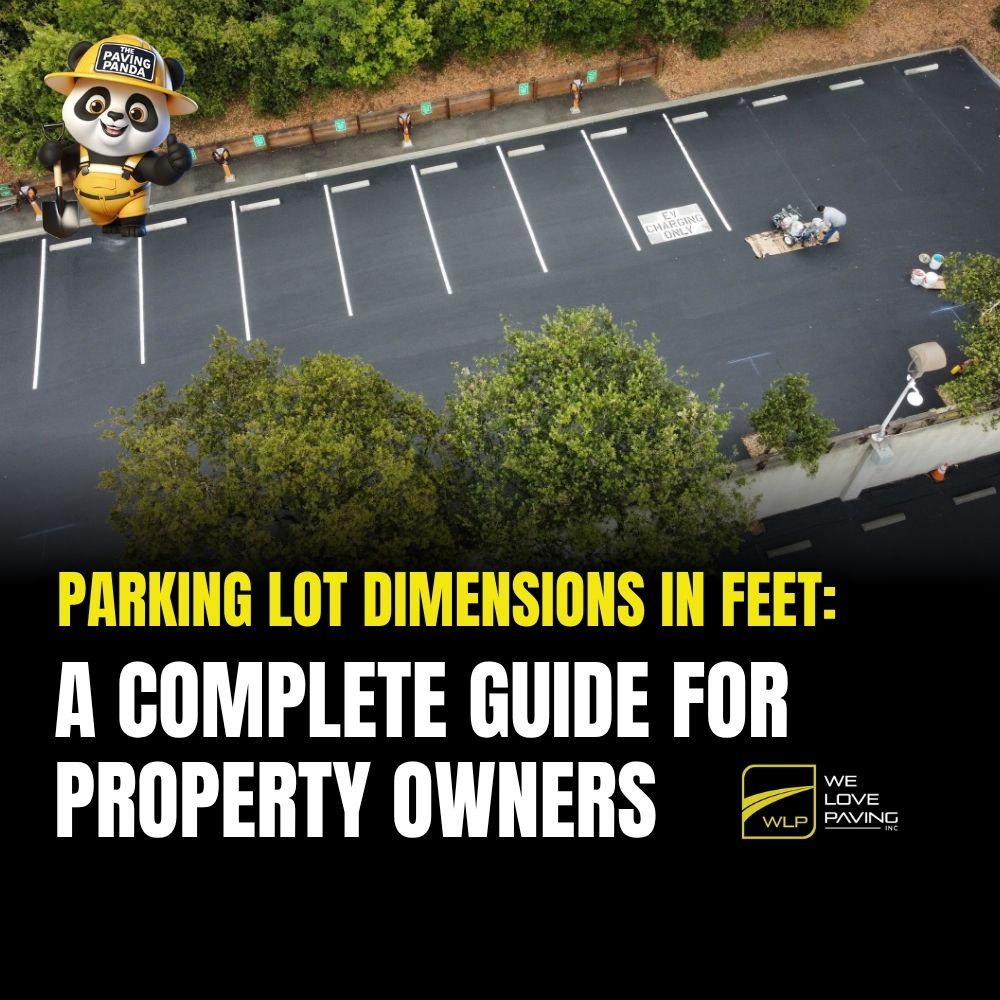
Parking Space Dimensions in Feet (2025 Guide for Property Owners)

parking lot dimensions

Introduction

Designing or managing a parking lot isn’t just about painting lines — it’s about compliance, efficiency, and safety.
In this updated 2025 guide, we’ll cover the exact parking space dimensions in feet, including standard, compact, and ADA-accessible spots, to help property owners and facility managers ensure proper layout and compliance with California and U.S. regulations.


1. Standard Parking Lot Dimensions in Feet

What’s the Average Parking Space Size?

  • Single Car Space: 9 feet wide x 18 feet long (standard).
  • Compact Car Space: 8 feet wide x 16 feet long.
  • Handicap/Accessible Spaces: 12 feet wide x 18 feet long (with 5-foot access aisle).

Aisle Widths:

  • One-way aisles: 12–15 feet wide.
  • Two-way aisles: 20–24 feet wide.

Angled Parking:

  • 30° angle: 12-foot aisle width.
  • 45° angle: 13-foot aisle width.
  • 90° angle (perpendicular): 24-foot aisle width.

(Keywords: “parking space size in feet,” “aisle width in feet”)


2. Factors Affecting Parking Lot Dimensions

a. Local Regulations

  • Cities and states have specific codes (e.g., fire lane requirements, setbacks). Always check local ordinances.

b. Vehicle Types

  • Trucks/SUVs: Require 10-foot-wide spaces.
  • Electric Vehicles (EVs): Need space for charging stations (additional 3–4 feet).

c. ADA Compliance

  • Accessible spaces: Must comprise 2% of total spaces (for lots with 25+ spaces).
  • Van-accessible spots: 12-foot-wide space + 8-foot aisle.

(Keywords: “ADA parking space dimensions,” “parking lot regulations”)


3. How to Calculate Parking Lot Dimensions in Feet

Use this formula to estimate total parking lot size:

  1. Total Spaces: Determine the number of vehicles (e.g., 50 cars).
  2. Space Size: Multiply by standard dimensions (e.g., 50 x 9ft x 18ft).
  3. Aisle & Driveway Space: Add 20–30% for aisles and circulation.

Example:
A 50-space lot with 9x18ft spaces + 24ft two-way aisles ≈ 12,000–15,000 sq. ft.

(Keywords: “calculate parking lot size,” “parking lot layout in feet”)


4. Design Tips for Efficient Parking Lots

  • Minimize Dead Space: Use angled parking to maximize capacity.
  • Landscaping: Add islands (8–10ft wide) for aesthetics and drainage.
  • Signage: Ensure clear markings (6-inch-wide lines) for traffic flow.
  • Future-Proofing: Plan for EV charging stations or expanded capacity.

(Keywords: “parking lot design tips,” “optimize parking lot space”)


5. Common Mistakes to Avoid

  • Ignoring Drainage: Slope parking lots 1–2% to prevent pooling.
  • Overcrowding: Avoid narrowing aisles below 12 feet.
  • Poor Lighting: Space light poles 30–40 feet apart for safety.

FAQs About Parking Lot Dimensions in Feet

Q: What is the minimum parking lot size for 10 cars?
A: For 10 standard spaces (9x18ft) + 24ft two-way aisles: ~3,000–3,500 sq. ft.

Q: How wide should parking lot entrances be?
A: 24–30 feet for smooth traffic flow.

Q: Are parking lot dimensions the same for residential vs. commercial?
A: Commercial lots often require larger spaces (10ft wide) for trucks.

📐 How Big Is a Parking Spot?

If you’ve ever wondered how big a parking spot actually is, here’s a breakdown of standard dimensions across the U.S.:

Type of Space Width (Feet) Length (Feet) Example Use
Standard Spot 9–10 ft 18–20 ft Most properties
Compact Spot 8–8.5 ft 16–18 ft Small vehicles
Parallel Spot 8 ft 22–24 ft Curbside or street parking
ADA Spot 8 ft + 5 ft aisle 18 ft Handicap spaces
Truck/Oversized 10–12 ft 20–24 ft Heavy-duty use

🧱 Note:
Parallel spaces often need 22–24 ft in length to allow proper entry/exit without collisions. Add 2–3 extra feet for clearance.

Parking Lot Drive Aisle Width Standards

When designing a parking lot, the drive aisle width is one of the most important layout elements to get right. Aisles that are too narrow cause turning conflicts, slow circulation, and potential property damage — while overly wide aisles waste valuable space.

The required width depends mainly on three factors:

  1. The parking angle (45°, 60°, 75°, or 90°)

  2. The direction of travel (one-way or two-way)

  3. Local building and fire codes, which may require additional clearance

Here are the most common industry-standard aisle widths used by engineers and paving contractors across California and the U.S.:

Parking Angle One-Way Aisle Width Two-Way Aisle Width Recommended For
45° 12–14 ft (3.6–4.2 m) 22–24 ft (6.7–7.3 m) Small lots, limited space
60° 14–16 ft (4.3–4.9 m) 22–24 ft (6.7–7.3 m) Retail centers, offices
75° 18–20 ft (5.5–6.1 m) 24–26 ft (7.3–7.9 m) High-traffic areas
90° 20–24 ft (6.1–7.3 m) 24–26 ft (7.3–7.9 m) Commercial & industrial lots

Pro tip: The minimum parking lot drive aisle width for two-way traffic should never be under 24 feet, especially in commercial or ADA-accessible facilities.

In ADA-compliant layouts, wider aisles ensure vehicles have enough space to access designated accessible stalls safely. The California Building Code and ITE Parking Generation Manual both recommend a minimum 24-foot two-way aisle for standard parking configurations.

Proper aisle design improves:

  • Vehicle maneuverability

  • Pedestrian visibility

  • Emergency and delivery access

  • Overall parking efficiency

If your property layout is tight or nonstandard, it’s best to have a paving engineer verify compliance before striping. Proper aisle widths not only prevent accidents but also reduce long-term maintenance issues caused by tight turning paths.


🧭 Angled vs. Perpendicular Parking

Layout Angle Width Aisle Requirement
Angled 45° 9 ft 12–14 ft (one-way)
Angled 60° 9 ft 16–18 ft (one-way)
Perpendicular 90° 9–10 ft 22–26 ft (two-way)

✅ Angled parking is best for high-turnover commercial areas like malls or offices.
Perpendicular layouts fit more cars but need wider aisles.


🧩 Design Notes for California

California’s parking standards typically require:

  • 1 ADA spot per 25 spaces minimum

  • Van-accessible spaces with 8 ft aisle

  • 2% max slope for ADA compliance

  • Reflective thermoplastic paint for striping durability


⚙️ Why Proper Dimensions Matter

  • Prevents congestion and accidents

  • Meets ADA and city requirements

  • Increases property value and appeal

  • Improves navigation and safety for visitors


Conclusion

Understanding parking lot dimensions in feet is essential for compliance, safety, and usability. At WeLovePaving, we specialize in designing and paving lots that maximize space and durability. Contact us for a free consultation to plan your perfect parking lot!

Standard Car Parking Space Dimensions in the USA: A Comprehensive Guide by WeLovePaving

Introduction

Parking spaces may seem like a mundane aspect of urban planning, but their dimensions play a critical role in safety, convenience, and regulatory compliance. At WeLovePaving, we understand that well-designed parking lots enhance traffic flow, maximize space efficiency, and ensure accessibility for all drivers. This guide explores the standard car parking space dimensions in the USA, including key considerations for residential, commercial, and ADA-compliant designs.


Why Parking Space Dimensions Matter
Properly sized parking spaces reduce the risk of accidents, improve driver comfort, and ensure compliance with local building codes. Oversized spaces waste valuable land, while undersized ones lead to vehicle damage and accessibility challenges. Whether designing a commercial lot or a residential driveway, adhering to proven standards is essential for functionality and safety.


Standard Parking Space Dimensions
In the U.S., the minimum standard for a perpendicular (90-degree) parking space is 9 feet wide by 18 feet long. These dimensions accommodate most vehicles, including sedans and mid-size SUVs. However, variations exist based on location and purpose:

  • Compact Spaces: Often 8 ft x 16 ft, though many municipalities avoid these due to today’s larger average vehicle size.

  • Angled Parking: Spaces angled at 45°–60° may be narrower (8.5–9 ft wide) but require shorter lengths (15–18 ft). Angled layouts improve traffic flow in high-turnover areas like shopping centers.

  • Trucks and SUVs: In regions with larger vehicles, lengths of 20–22 ft are recommended.

Local codes supersede national guidelines, so always consult regional authorities during planning.


ADA-Compliant Parking Spaces
The Americans with Disabilities Act (ADA) mandates accessible parking to ensure inclusivity. Key requirements include:

  • Standard Accessible Spaces: 8 ft wide with a 5 ft-wide access aisle adjacent.

  • Van-Accessible Spaces: 8 ft wide with an 8 ft aisle; these also require 98 inches of vertical clearance for lifts.

  • Location: Accessible spaces must be closest to building entrances and account for at least 2% of total parking capacity (1 van space per 6 accessible spaces).

Signage and pavement markings (e.g., blue striping) are mandatory for compliance.


Angled vs. Perpendicular Parking
The choice between angled and perpendicular layouts impacts space efficiency and driver experience:

  • Perpendicular (90°): Maximizes space density but requires wider aisles (24 ft for two-way traffic). Ideal for large lots like grocery stores.

  • Angled (45°–60°): Allows narrower aisles (18–20 ft) and easier maneuverability, perfect for tight urban areas. However, angled layouts may reduce total spaces compared to perpendicular designs.


Residential vs. Commercial Parking
Residential Parking:

  • Driveways: Single-car driveways should be 10–12 ft wide; two-car driveways need 18–20 ft.

  • Garages: A standard two-car garage is 20 ft x 20 ft, though 24 ft x 24 ft better accommodates trucks or SUVs.

Commercial Parking:

  • Retail lots prioritize convenience, often using 9 ft x 20 ft spaces with 24 ft aisles.

  • Offices and hospitals may opt for 10 ft x 20 ft spaces to cater to longer visitor stays.


Key Considerations for Parking Lot Design

  1. Traffic Flow: Ensure one-way aisles are 12–15 ft wide; two-way aisles need 24 ft.

  2. Drainage and Materials: Use durable asphalt or concrete with proper slope (1–2%) to prevent pooling.

  3. Lighting and Security: Adequate lighting improves safety and visibility after dark.

  4. Future-Proofing: Plan for EV charging stations or expanded accessibility needs.


Conclusion
Understanding parking space dimensions is vital for creating functional, safe, and inclusive environments. At WeLovePaving, we combine expertise in local regulations, ADA standards, and innovative design to deliver parking solutions that stand the test of time. Whether you’re revamping a commercial lot or installing a residential driveway, trust us to pave the way for success.

Contact WeLovePaving today to design a parking space that balances efficiency, compliance, and durability!