a vs c

We Love Paving services in Concord. Professional paving contractor serving Concord and Downtown San Jose areas.
Estimation Tools

Calculate costs in seconds

Fast, accurate estimates that help you close more jobs. Less guesswork, more profit.

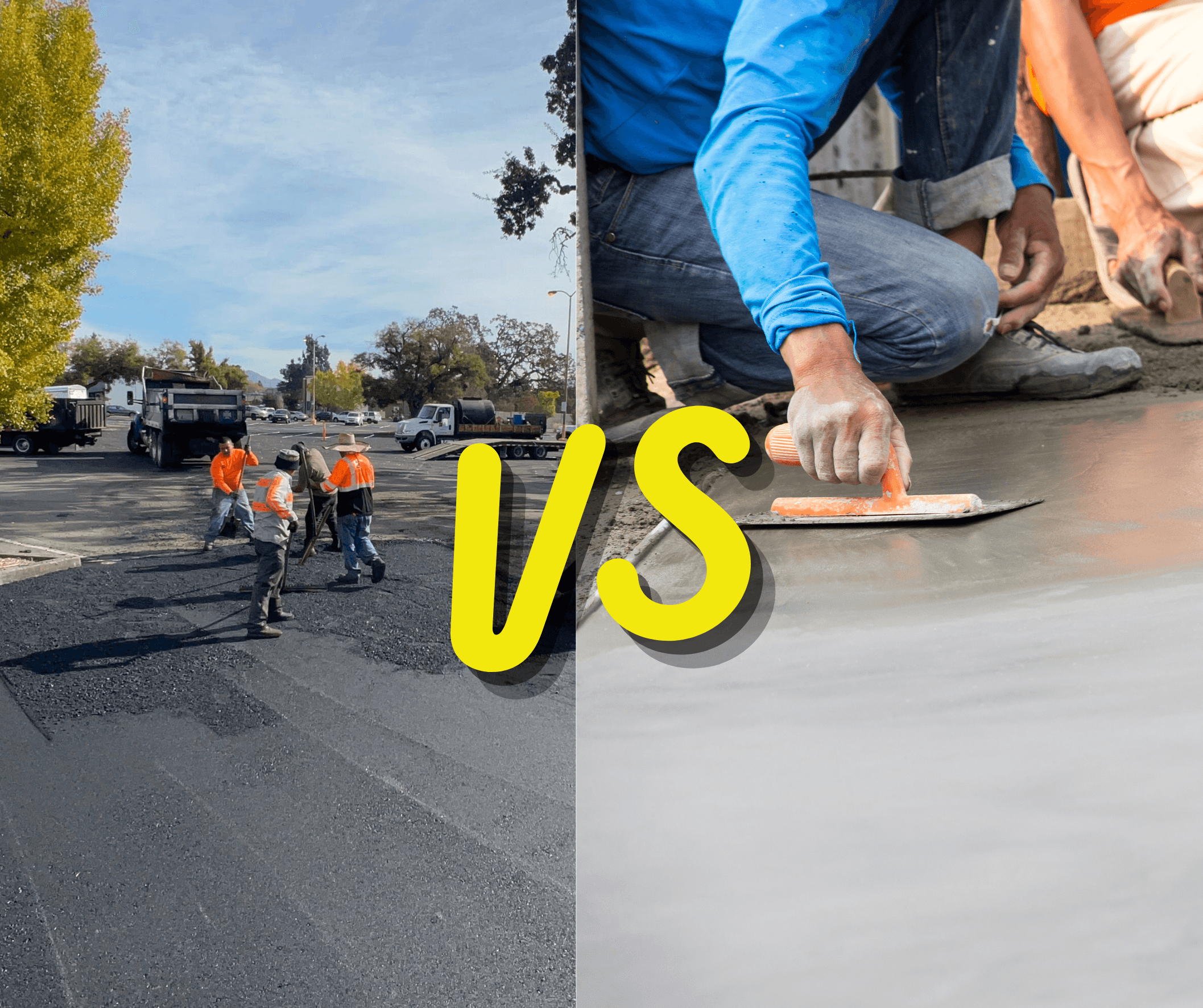
Asphalt VS Concrete

Here at WE LOVE PAVING we’re transparent with our clients, we make sure that every aspect of your job is detailed to your needs.

 When it comes to constructing roads and pavements, two materials dominate the market – concrete and asphalt. Both materials have their advantages and disadvantages, making it crucial to choose the right material for a specific project.

Concrete:

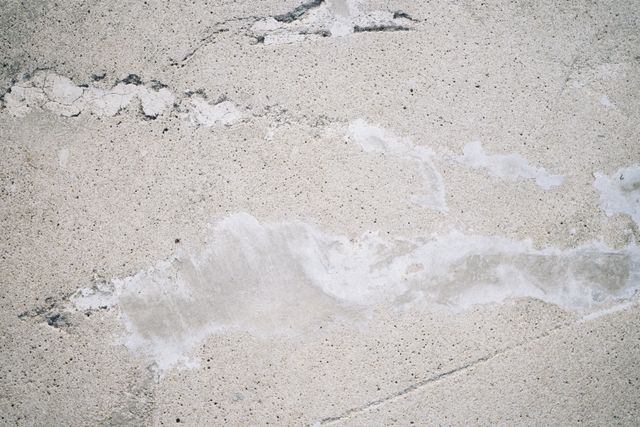
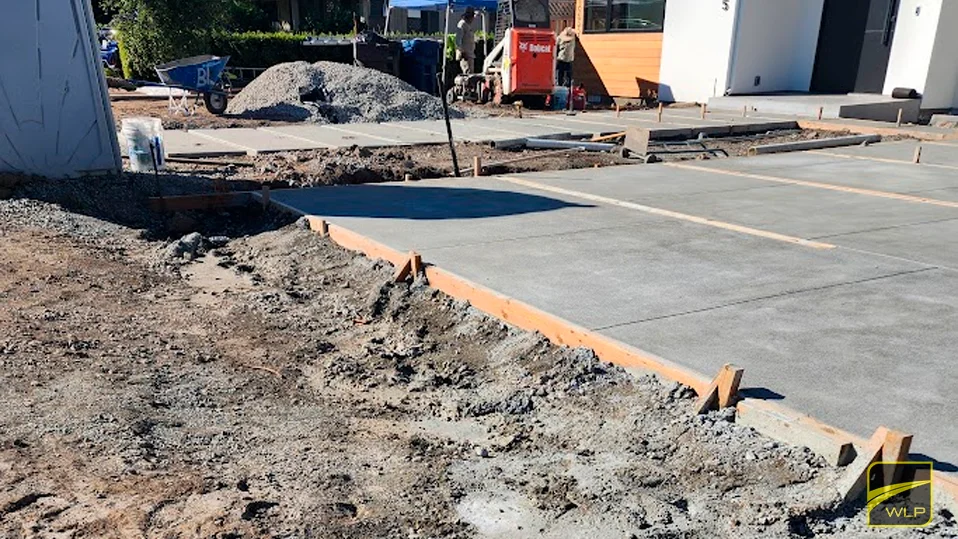
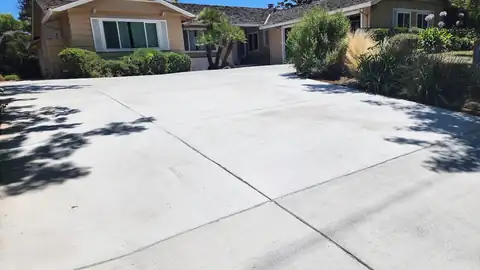
Concrete is a versatile material that has been used for construction purposes for centuries. It is made up of a mixture of cement, water, and aggregates like sand and gravel. Concrete is a rigid material that offers excellent durability and strength, making it ideal for heavy traffic areas like highways and airports.

Pros of concrete:

  • Durability: Concrete is incredibly durable and can withstand heavy loads without cracking or deforming. It can also resist weathering and erosion, making it an excellent choice for long-lasting pavements.
  • Low maintenance: Concrete pavements require minimal maintenance and can last up to 30 years or more without needing major repairs.
  • Safety: Concrete offers excellent skid resistance, making it a safer option for high-traffic areas like highways and intersections.

Cons of concrete:

  • Cost: Concrete pavements can be more expensive than asphalt pavements due to the higher cost of materials and installation.
  • Slow installation: Concrete takes longer to install than asphalt, which can delay the completion of a project.
  • Environmental impact: The production of cement, a key ingredient in concrete, produces a significant amount of carbon dioxide, which contributes to climate change.

Asphalt:

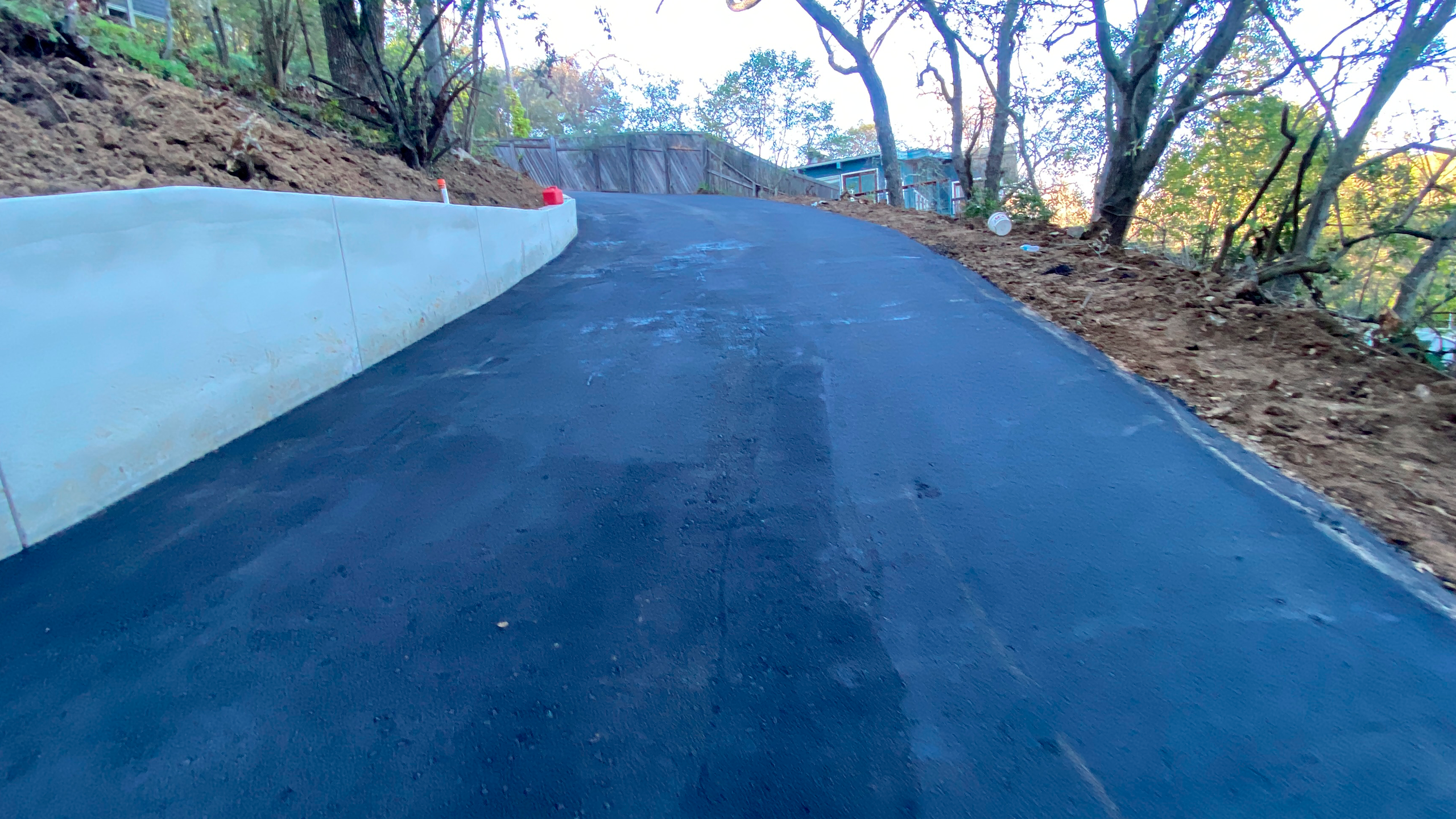
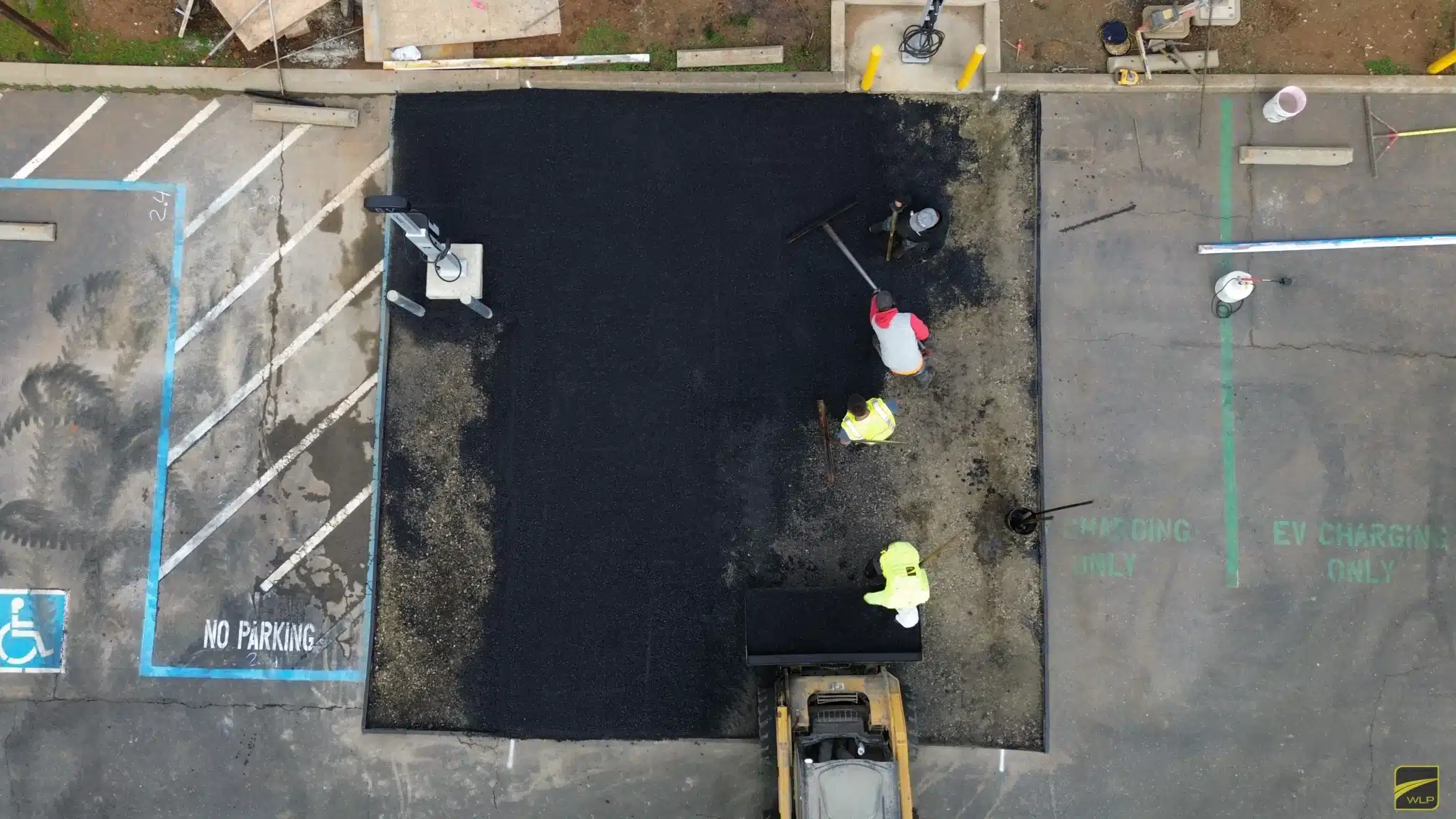
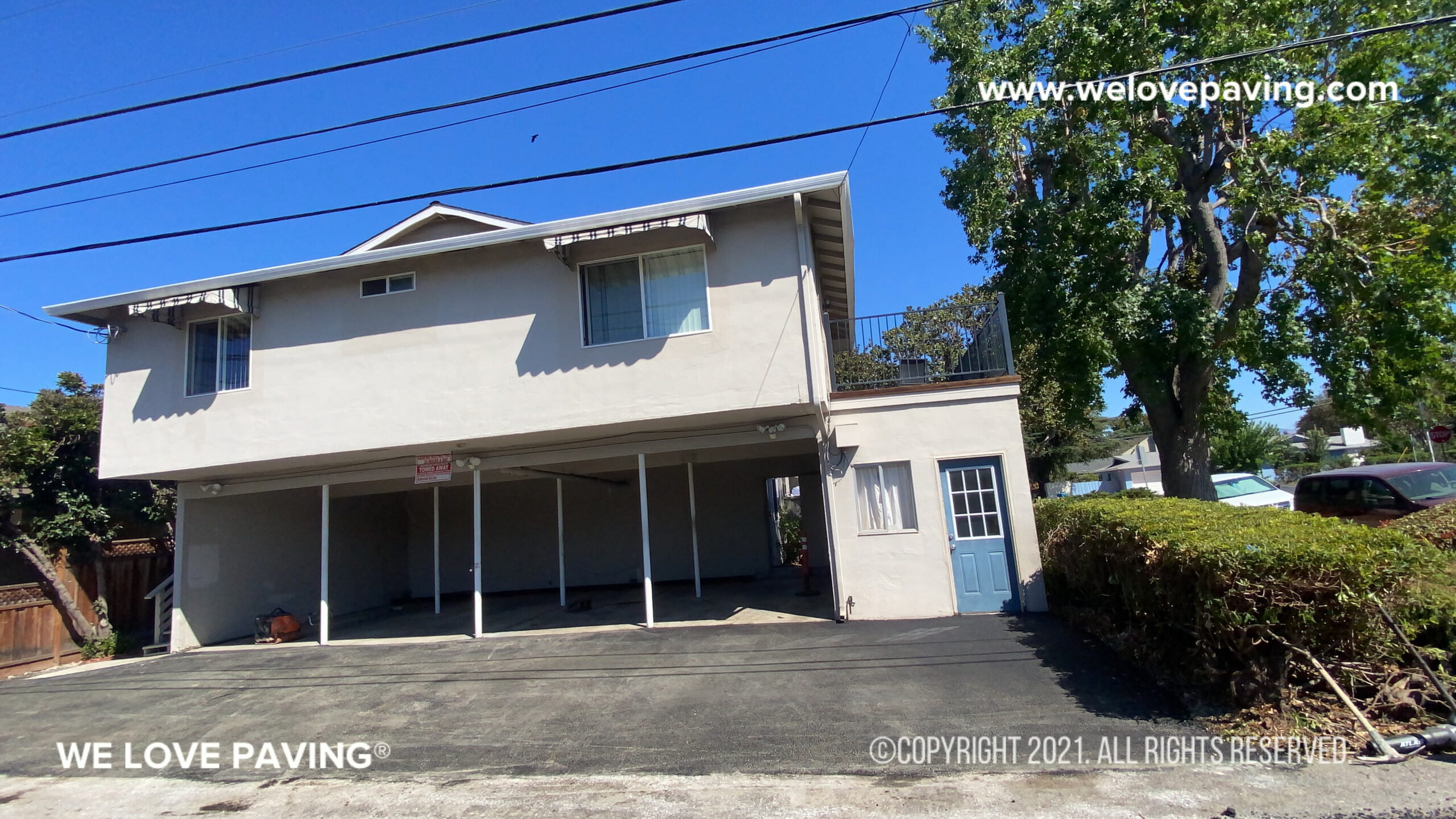
Asphalt, also known as blacktop, is a mixture of aggregates like sand and gravel, and a petroleum-based binder. Asphalt is a flexible material that can adjust to slight movements in the underlying surface, making it ideal for areas with varying temperatures and freeze-thaw cycles.

Pros of asphalt:

  • Cost-effective: Asphalt is generally less expensive than concrete, making it an ideal choice for projects with budget constraints.
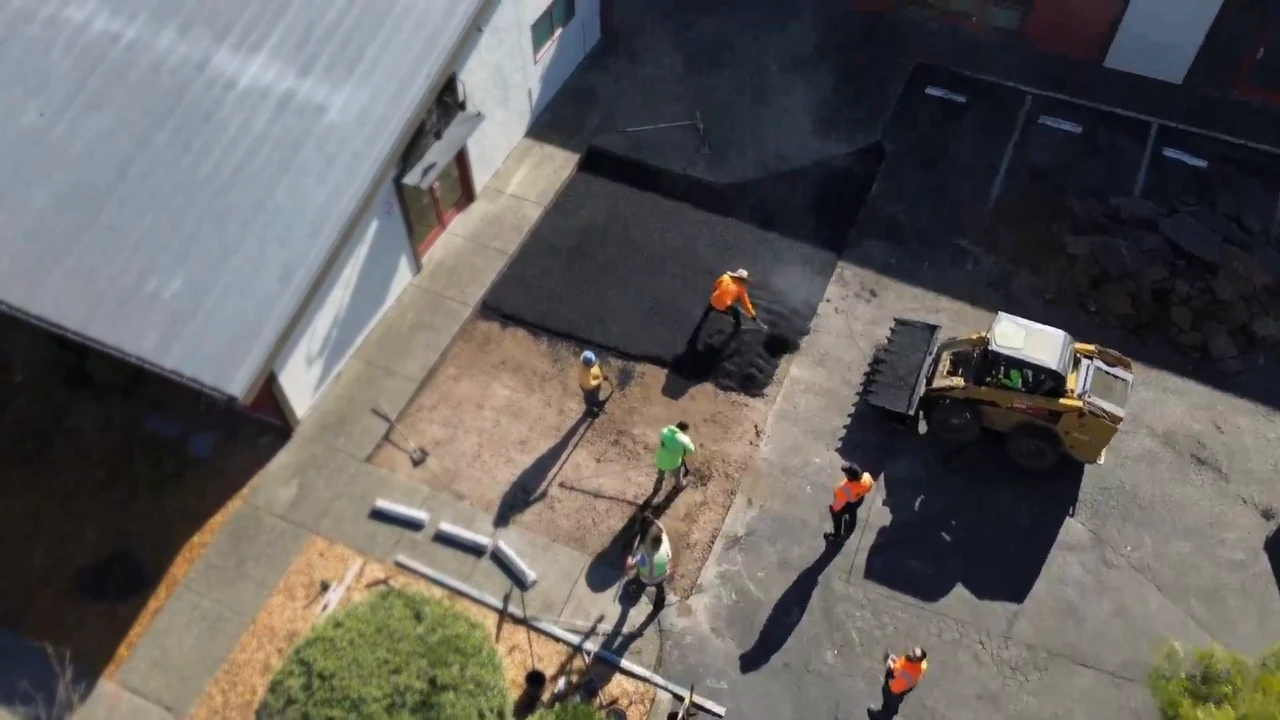
  • Quick installation: Asphalt can be installed more quickly than concrete, which can help complete a project on time.
  • Recyclable: Asphalt is a recyclable material that can be reused, making it an environmentally-friendly option.

Cons of asphalt:

  • Maintenance: Asphalt pavements require regular maintenance and may need to be resurfaced every 10 to 20 years.
  • Durability: Asphalt does retain more heat than concrete, during high temperature asphalt can crack.
  • Safety: Asphalt pavements can form potholes if left unattended 

Choosing between concrete and asphalt depends on the specific project requirements, budget, and environmental concerns. It is crucial to weigh the pros and cons that’s why We Love Paving is here with our team of professionals to make the job that much easier.

Need Immediate Help?

Let's Talk About Your Project

Don't wait until minor damage turns into major expenses. Our team of experts is ready to provide you with guaranteed solutions. Contact us now for direct advice from a professional.

Frequently Asked Questions (FAQ)

Got Questions? Find Your Answers Here!!

What is the difference in lifespan between concrete and asphalt pavements?

Concrete pavements offer exceptional durability with a lifespan of up to 30 years or more without major repairs, making them ideal for heavy traffic. Conversely, asphalt is a flexible petroleum-based material that requires regular maintenance and typically needs a complete resurfacing every 10 to 20 years to remain functional.

Is asphalt or concrete more cost-effective for commercial paving?

Asphalt is generally more cost-effective for initial installation compared to concrete due to lower material costs and faster labor. However, concrete pavements require minimal maintenance over their 30-year lifecycle, whereas asphalt often incurs higher long-term expenses through necessary sealcoating and periodic pothole repairs to maintain structural integrity and safety.

Which material performs better in climates with freeze-thaw cycles?

Asphalt is the superior choice for regions with extreme temperature fluctuations and freeze-thaw cycles because its flexible nature allows it to adjust to ground movement. Rigid concrete pavements lack this flexibility and are more susceptible to cracking or deforming under thermal stress without the installation of specialized and expensive expansion joints.

How do asphalt and concrete differ in terms of environmental impact?

Asphalt is a highly sustainable, 100% recyclable material that can be reused in future paving projects, significantly reducing environmental waste. In contrast, the production of cement for concrete generates substantial carbon dioxide emissions, contributing to climate change, although concrete’s long-term durability can partially offset its high initial carbon footprint.

What is the typical installation time for asphalt versus concrete?

Asphalt installation is significantly faster than concrete, allowing vehicles to use the new surface within hours of mechanical compaction. Concrete requires a lengthy chemical curing process that can delay project finalization for several days, making asphalt the preferred option for high-traffic intersections and busy commercial areas in Downtown San Jose.

Professional customer review project by We Love Paving in Northern California, California. Verified local construction quality.

Fred / Founder

Fred, Founder and Regional Operations Manager at We Love Paving, comes from a family that values hard work and discipline. Growing up watching his parents work long hours with integrity and dedication, Fred learned early on that quality paving isn’t just about asphalt, it’s about consistency, accountability, and doing the job right.

Share

Posts That Might Interest You

The Great Debate: Is 2 Inches of Gravel Enough for a Driveway?

The Great Debate: Is 2 Inches of Gravel Enough for a Driveway?

May 16, 2026

When it comes to building a driveway, one of the key decisions homeowners face is determining the appropriate thickness of the gravel base layer. While some may argue that 2 inches of gravel is sufficient to support the weight of vehicles and provide a stable foundation, others advocate for thicker layers to ensure long-term durability

Why Is Parking So Expensive for Property Owners?

May 15, 2026

Many commercial property owners underestimate how expensive parking areas become once maintenance, accessibility, and pavement deterioration start overlapping at the same time. At first, parking lot costs usually appear manageable. Small cracks, faded striping, drainage problems, or isolated surface wear may not seem urgent while the property continues operating normally. Over time, however, those smaller

ADA Compliant Checklist for Parking Lots

ADA Compliant Checklist for Parking Lots

May 15, 2026

Many commercial properties develop accessibility problems gradually without property owners realizing how much conditions have changed over time. Parking lots, sidewalks, ramps, and pedestrian access routes constantly experience wear from traffic movement, weather exposure, drainage shifts, and surface aging. Because these changes happen slowly, accessibility concerns are often overlooked until inspections, complaints, or liability risks

Biggest Mistakes Made by a Landlord With Parking Lots

Biggest Mistakes Made by a Landlord With Parking Lots

May 15, 2026

Many property owners focus heavily on tenant spaces, landscaping, and building appearance while overlooking one of the most heavily used parts of the property: the parking lot. The problem is that pavement deterioration rarely stays cosmetic for long. Small surface issues gradually begin affecting traffic flow, drainage behavior, pedestrian safety, tenant perception, and operational costs

Next

Estimation Tools

Calculate costs in seconds

Fast, accurate estimates that help you close more jobs. Less guesswork, more profit.