Commercial real estate investment is often discussed through leases, tenant mix, financing, appreciation, and operating income. That frame is useful, but incomplete. A property does not perform only on paper. It performs through the surfaces people drive on, park on, walk across, load from, and judge before entering the building.
That is where commercial property investment paving becomes more than a maintenance line item. Pavement affects access, first impressions, repair timing, tenant experience, liability exposure, capital planning, and the useful life of the property’s exterior infrastructure. A parking lot that looks acceptable from a distance may still be quietly losing value through drainage problems, edge failure, unstable patches, fading traffic organization, or surface wear in high-stress areas.
The investment question is not “Should we spend money on pavement?” That is too blunt. The sharper question is: which pavement decisions protect the asset, and which ones merely postpone a larger cost?
Pavement Is Part of the Asset, Not Just the Exterior
A commercial property can have strong tenants and still create friction outside the building. A customer who turns into a rough driveway, a delivery driver who avoids a broken loading approach, or a tenant prospect who sees standing water near the entrance is not evaluating the lease abstractly. They are reading the property through use.
Pavement is one of the few property systems that is both operational and visible. Roof systems, utilities, and structural components matter deeply, but visitors rarely see them. Pavement is exposed every day. It carries the first interaction between the property and the people using it.
For investors, owners, and property managers, this changes how paving should be judged. Low upfront cost is not automatically smart. A cheap patch in the wrong area may fail quickly if water is moving under the surface. A resurfacing project may look clean at first but underperform if base problems were ignored. A full-depth reconstruction may feel expensive, yet become rational when repeated repairs are no longer controlling deterioration.
Good pavement investment starts with the use pattern of the property. Retail centers, medical offices, warehouses, apartment communities, office parks, and mixed-use sites do not stress pavement the same way. Turning movements, truck traffic, pedestrian routes, drainage, shade exposure, and stall turnover all affect where money should go first.
The Budget Sequence: Repair, Preserve, Replace, or Upgrade
A strong paving decision is usually a sequencing decision. Spending too early can waste capital. Waiting too long can convert a manageable repair into a larger reconstruction problem.
Here is a practical way to think about pavement investment:
| Investment Stage | What It Usually Means | When It May Make Sense |
|---|---|---|
| Targeted repair | Fixing isolated defects | Damage is limited and the surrounding pavement is stable |
| Preservation | Slowing surface aging | Pavement is still structurally sound but showing wear |
| Replacement | Rebuilding failed sections or larger areas | Repairs are recurring, spreading, or no longer cost-effective |
| Strategic upgrade | Improving future use or site function | Property needs better access, layout, drainage, or new infrastructure |
The sequencing matters because each stage answers a different financial question. Targeted repair protects daily use. Preservation extends life. Replacement resets the pavement system. Strategic upgrades align the surface with how the property needs to operate in the future.
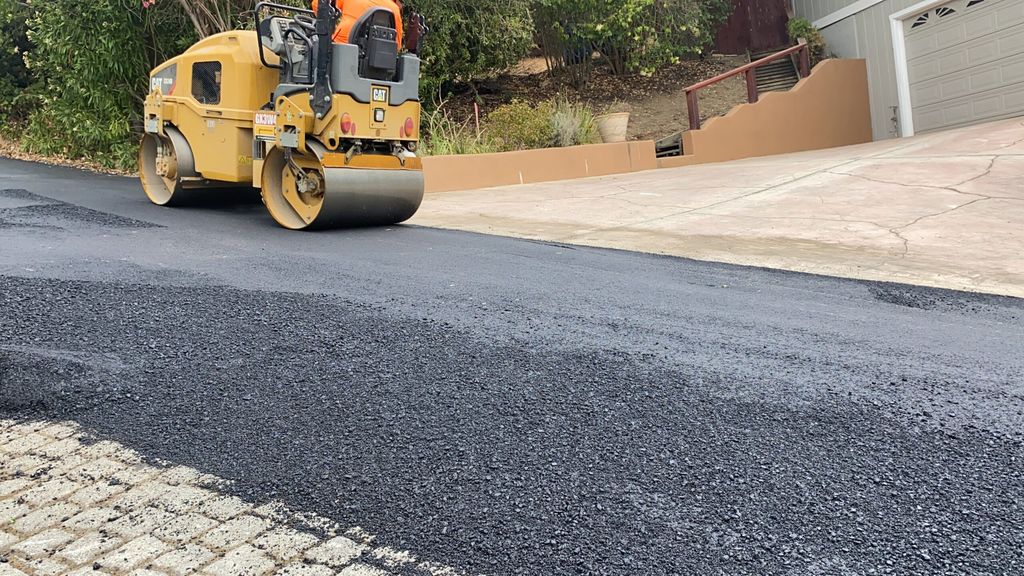
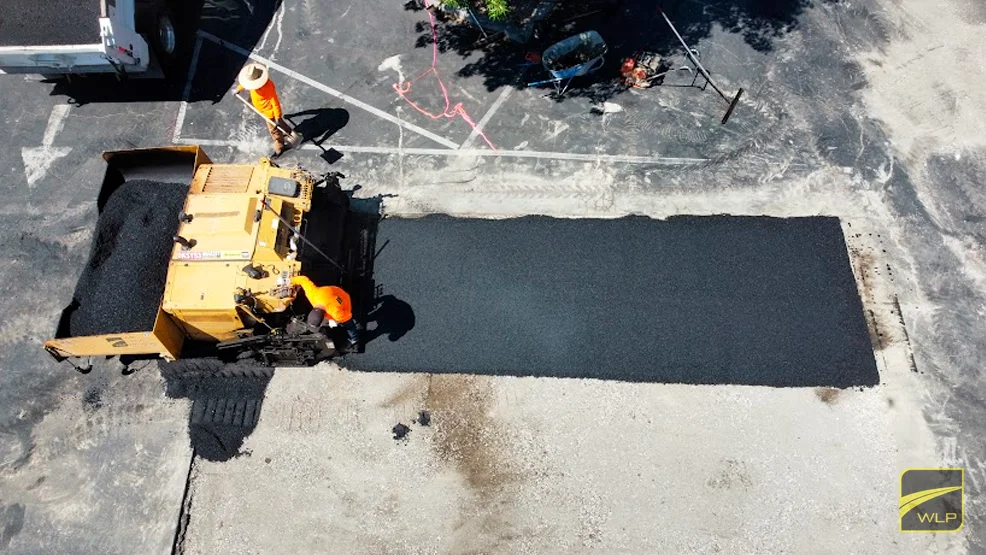
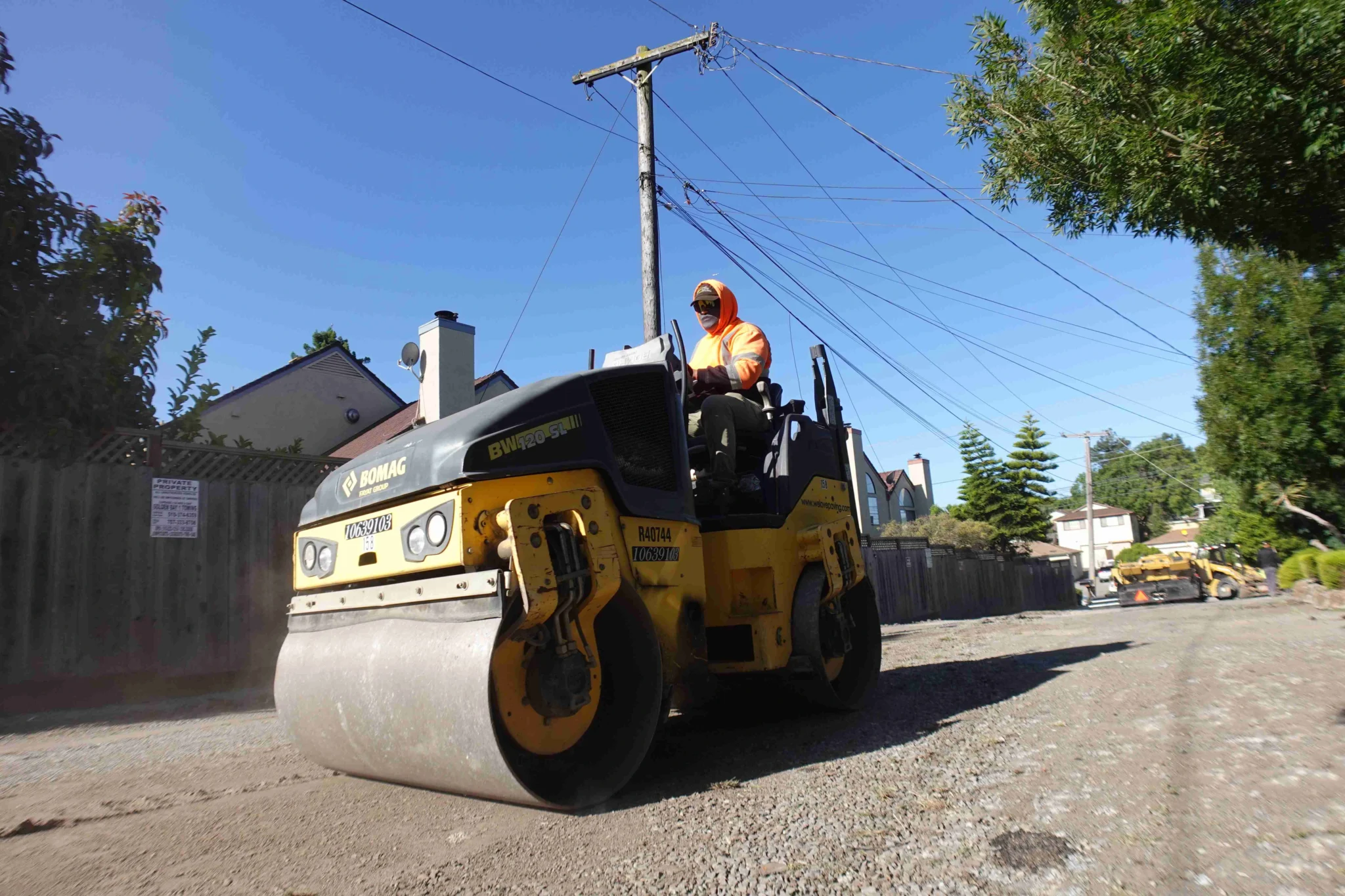
This is where asphalt paving should be treated as a capital decision, not just a construction purchase. The value comes from matching the scope to traffic load, base condition, drainage behavior, and expected property use. The wrong scope can create a clean-looking surface that still fails prematurely.
Where Pavement Investments Usually Leak Money
Pavement budgets leak money when decisions are made from surface appearance alone.
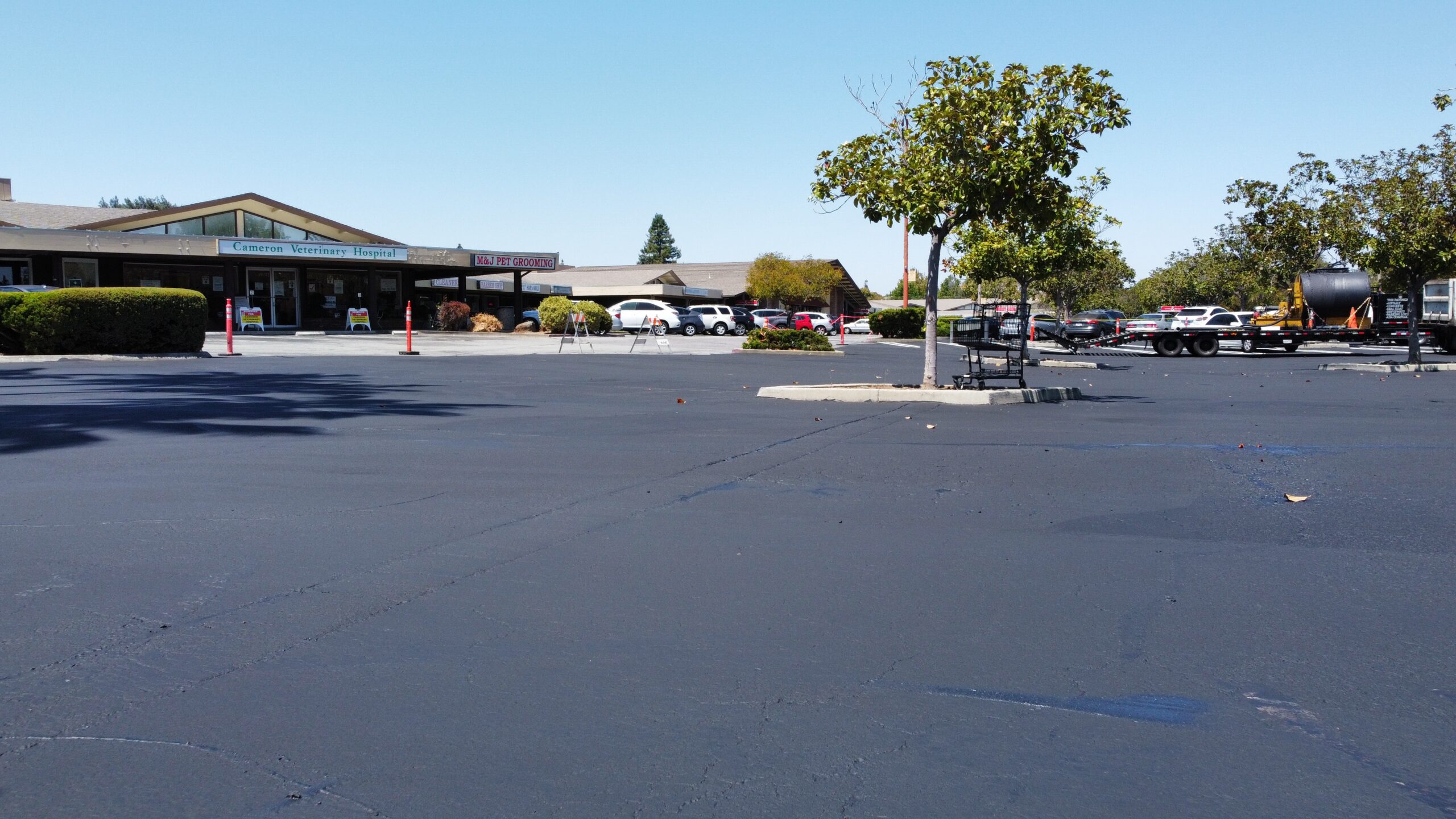
A crack near the perimeter of a low-use parking area may be simple to monitor. A similar crack near a catch basin may suggest water is entering the pavement structure. A pothole in a remote corner is not the same investment problem as a pothole at the main entrance, where vehicles brake, turn, and concentrate load. A patch that holds for years is different from a patch that breaks apart after one rainy season.
Commercial owners should pay close attention to repeat patterns:
- Cracks widening around drains or low spots
- Raveling where vehicles turn tightly
- Depressions near loading zones or trash enclosures
- Edge cracking along unsupported pavement
- Water sitting in the same area after routine rain
- Patches cracking again in the same wheel path
Those conditions are not just visual defects. They are budget signals. They suggest that the property may be spending on symptoms while the underlying cause keeps working against the pavement.
This is why parking lot warning signs should be reviewed through a financial lens. The issue is not whether a lot has flaws. Most active commercial properties do. The issue is whether those flaws are isolated, stable, and manageable, or whether they are moving toward repeated spending.
Choosing Materials With Investment Logic
Material selection should not be reduced to “asphalt is cheaper” or “concrete lasts longer.” That is lazy analysis. The better question is how each material performs under the property’s actual use.
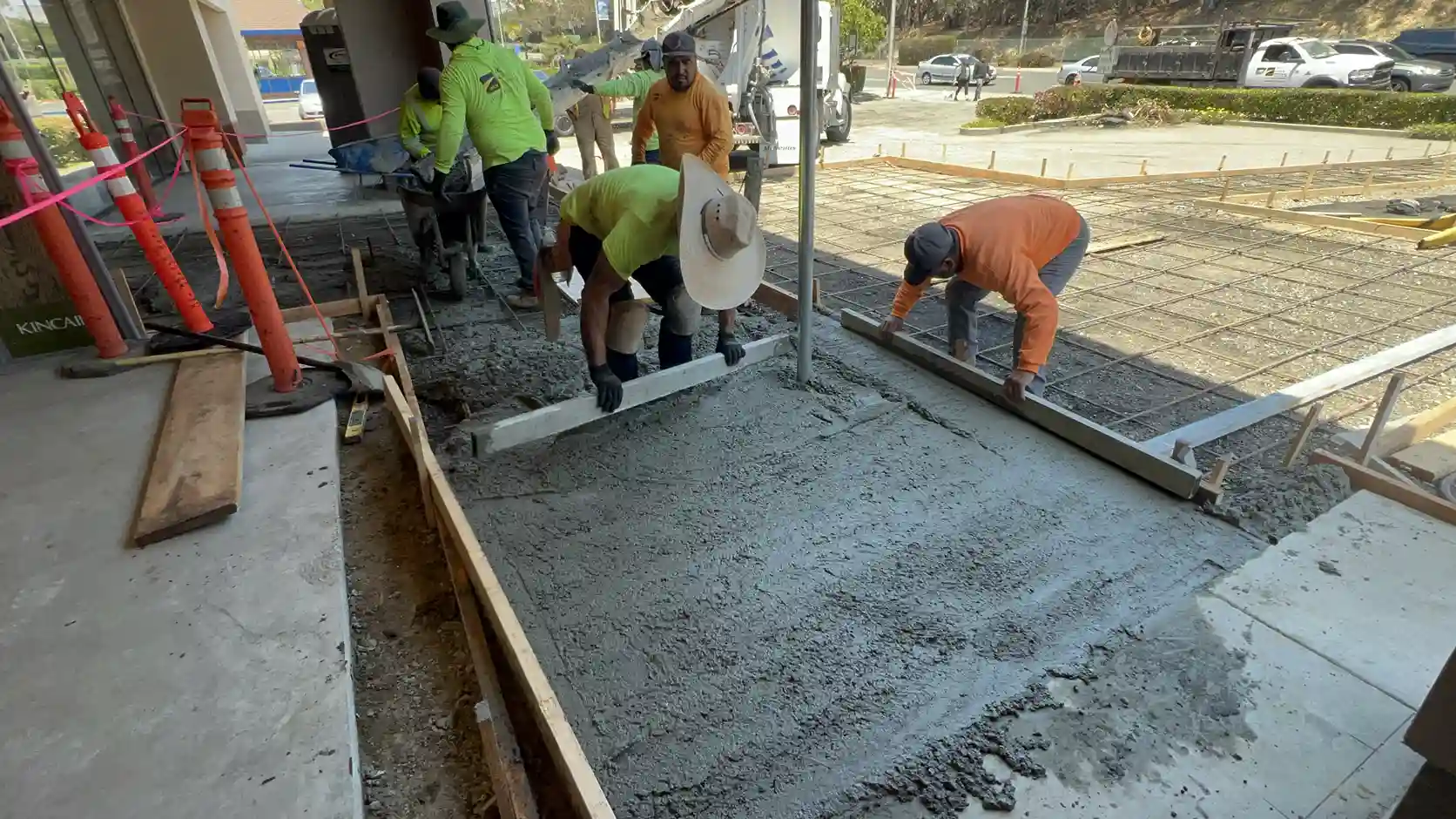
Asphalt may fit high-traffic commercial parking areas where speed of installation, repair flexibility, and surface continuity matter. Concrete may be more suitable in areas with heavy point loads, trash pads, dumpster zones, sidewalks, aprons, or specific drainage and durability needs. Many commercial sites need both materials working together.
The decision also depends on future plans. If the property may add new utility runs, reconfigure parking, improve pedestrian routes, or install charging infrastructure, pavement planning should anticipate disturbance. Cutting into new pavement shortly after a major project is poor sequencing unless the work was unavoidable.
A comparison of asphalt vs concrete can help frame the decision around lifecycle, use, cost, and maintenance rather than appearance alone. For investment planning, the right material is not the one that sounds strongest in isolation. It is the one that fits the traffic, budget, drainage, repair access, and long-term site plan.
When Maintenance Becomes Asset Protection
Maintenance is often treated as a defensive expense. That view is too narrow. On a commercial property, maintenance can protect income-producing conditions: access, tenant confidence, customer flow, delivery reliability, and the appearance of active management.
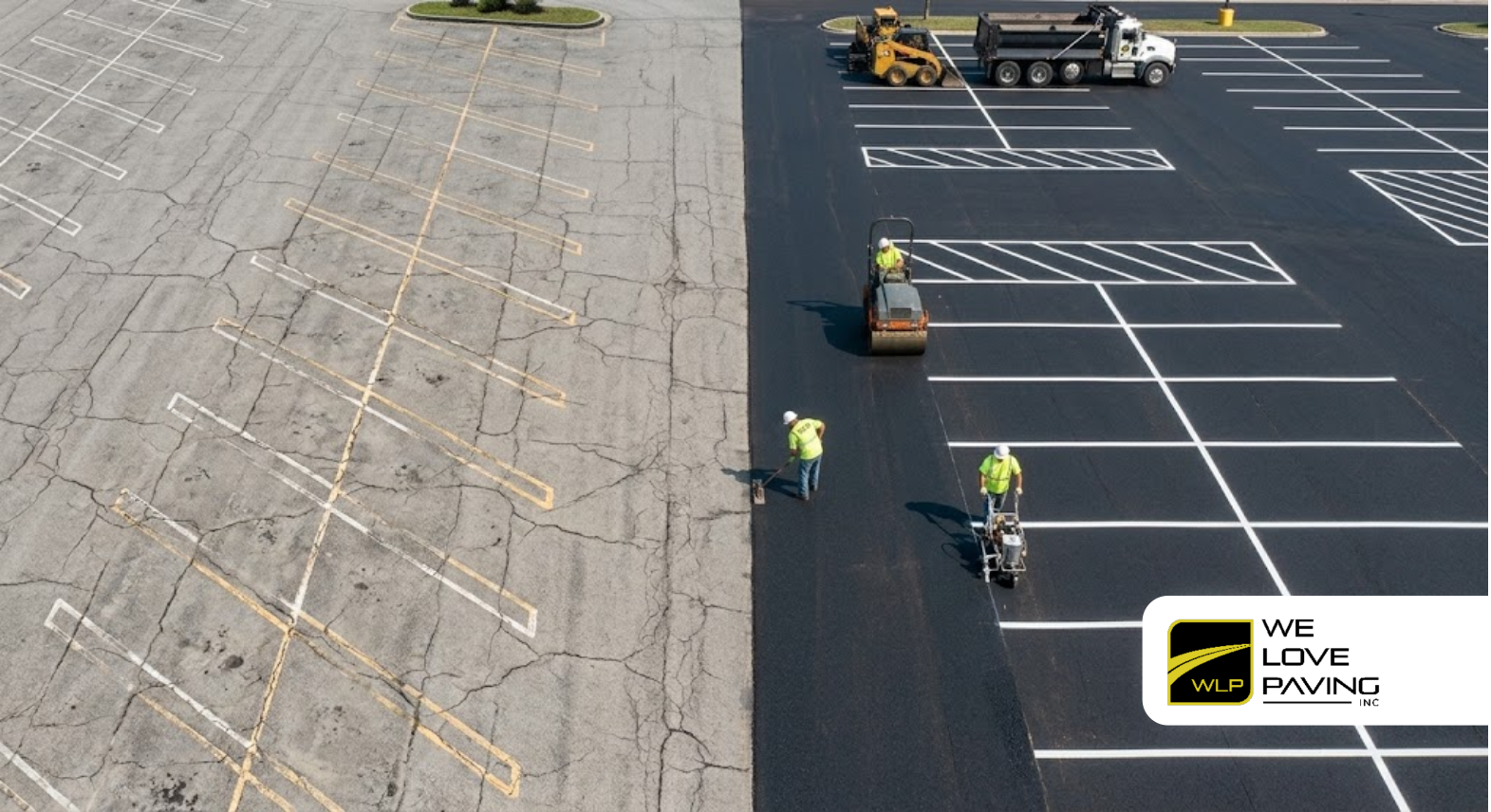
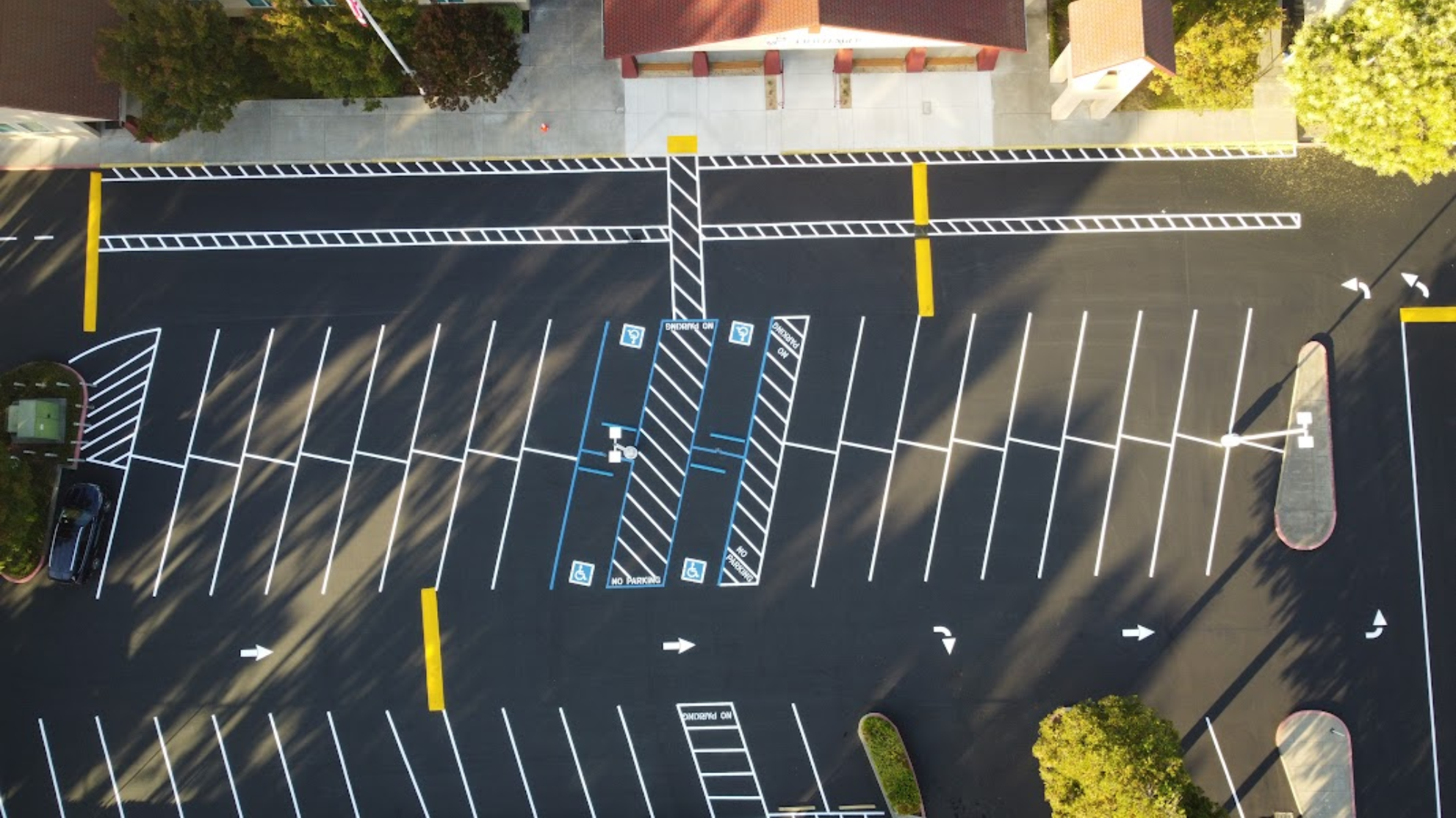
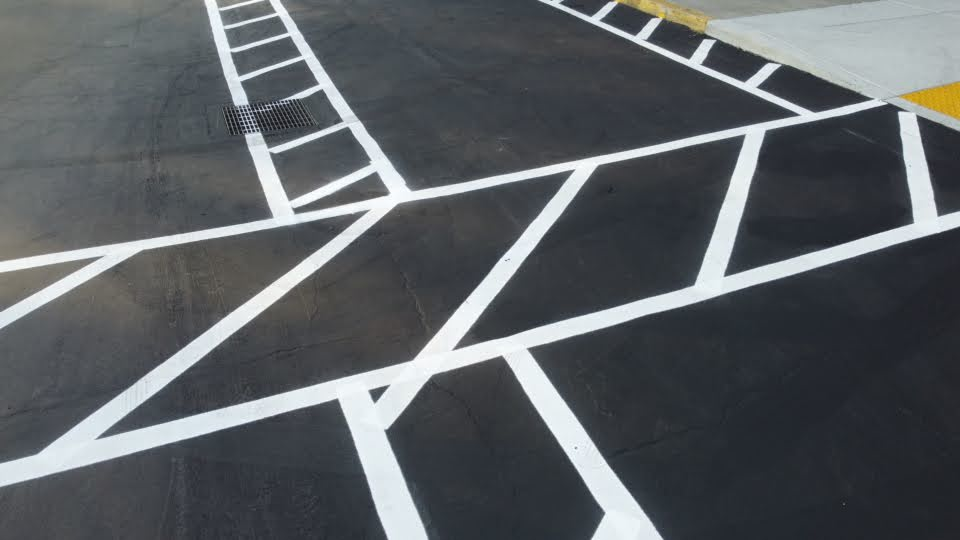
A parking lot does not need to be flawless to support value. It does need to feel managed. Sealed cracks, readable markings, controlled drainage, and stable drive lanes send a different message than open cracks, broken edges, and patched areas that look forgotten.
Good paving maintenance also buys time for better capital decisions. If owners can preserve stable pavement for several more years, they can schedule larger work around tenant turnover, refinancing, lease negotiations, seasonal access needs, or broader property improvements. That timing flexibility has financial value.
Maintenance becomes weak when it is used to avoid an obvious replacement decision. If cracking has spread across interconnected sections, if the base is moving, or if patching has become a recurring annual expense in the same locations, continued small repairs may no longer be disciplined. They may be disguised deferral.
Knowing When Replacement Is the More Rational Investment
Replacement is not automatically better than repair. It is also not automatically excessive.
The replacement conversation becomes serious when pavement failure is no longer isolated. Alligator cracking across drive lanes, sinking near drainage structures, repeated potholes in the same areas, and surface breakup under turning traffic can indicate that the pavement system is losing support. In those cases, the owner is not choosing between “cheap repair” and “expensive replacement.” The owner is choosing between controlled capital planning and recurring disruption.
Commercial pavement replacement may make sense when the existing surface no longer supports the property’s operational needs. A warehouse with heavy truck traffic, a retail center with constant stall turnover, or a medical property with sensitive access routes may lose more from repeated interruptions than from a properly planned larger project.
The investment case should include more than construction cost. Owners should consider phasing, tenant access, traffic control, drainage correction, expected life, repair history, and whether the project supports future leasing or repositioning plans.
Future-Use Improvements Can Change the Paving Math
Some pavement investments are not only about fixing damage. They are about preparing the property for future use.
EV charging is one example. Adding charging stations can involve trenching, conduit paths, equipment pads, stall layout changes, signage coordination, striping adjustments, and pavement restoration. If an owner plans surface work and EV work separately, the site may be disturbed twice. That is poor capital coordination.
When EV charging construction is part of the property’s future, pavement planning should account for where vehicles will queue, how stalls will be marked, whether accessible routes may be affected, and how cuts or patches will be restored. Any ADA, accessibility, or code-related elements should be reviewed by qualified professionals; paving work should not be treated as legal compliance advice.
The broader lesson is simple: pavement decisions should be coordinated with property strategy. If the property is being repositioned, upgraded, refinanced, leased, or prepared for higher traffic, the pavement plan should not be an afterthought.
Turning Pavement From Expense Into Investment Discipline
A strong commercial paving plan does not spend aggressively everywhere. It prioritizes.
The owner should know which areas affect revenue, access, tenant experience, and long-term asset value. The front drive aisle may matter more than a back corner. A loading approach may deserve deeper structural attention than a lightly used stall row. A drainage issue near a pedestrian path may deserve earlier review than cosmetic fading in a stable section of pavement.
We Love Paving fits best into this kind of decision-making when owners need the pavement evaluated as part of long-term property performance, not just short-term repair. The smartest investment is not always the largest project. It is the scope that protects the asset, respects timing, and keeps the property usable without pretending every surface problem carries the same financial weight.